Topic guide
Apartment-friendly cat breeds
Calm, quiet, and compact breeds that stay content in smaller spaces without regular outdoor access.
This page is for city dwellers, renters, and anyone living in a flat, studio, or compact home who wants a cat that stays settled in a smaller space.
The good news: most domestic cats adapt well to apartment living when their environment is set up thoughtfully. Cats are territorial by nature, and a well-enriched 50m2 flat can be more mentally stimulating for a cat than a large, empty house. What matters is vertical space, window access, stimulation, and a cat whose natural energy level suits an indoor-only life.
When choosing an apartment cat, prioritize breeds that are low-to-moderate in energy, quiet enough not to disturb neighbors, and comfortable with indoor-only life without showing frustration. Outdoor access is not a requirement for most breeds -- it is a lifestyle choice, and many cats born indoors never miss it.
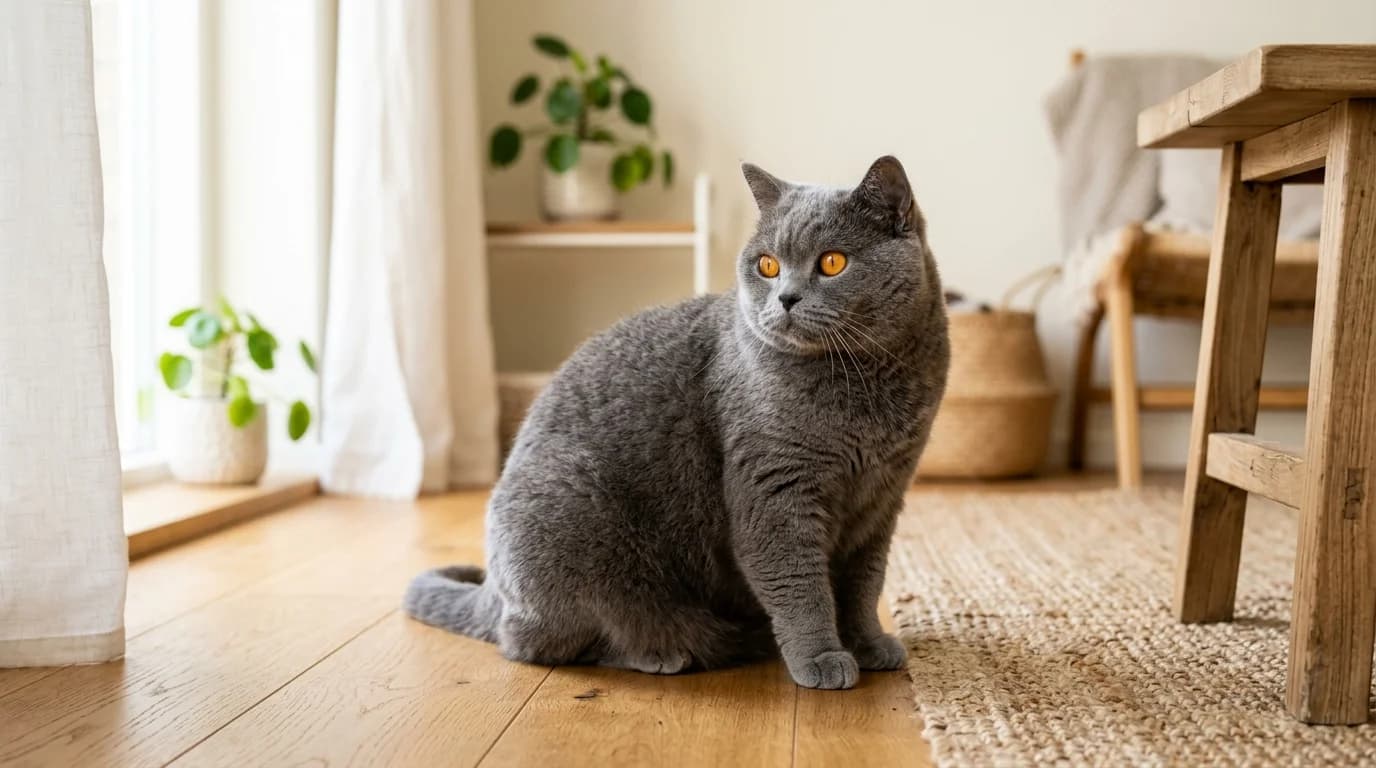
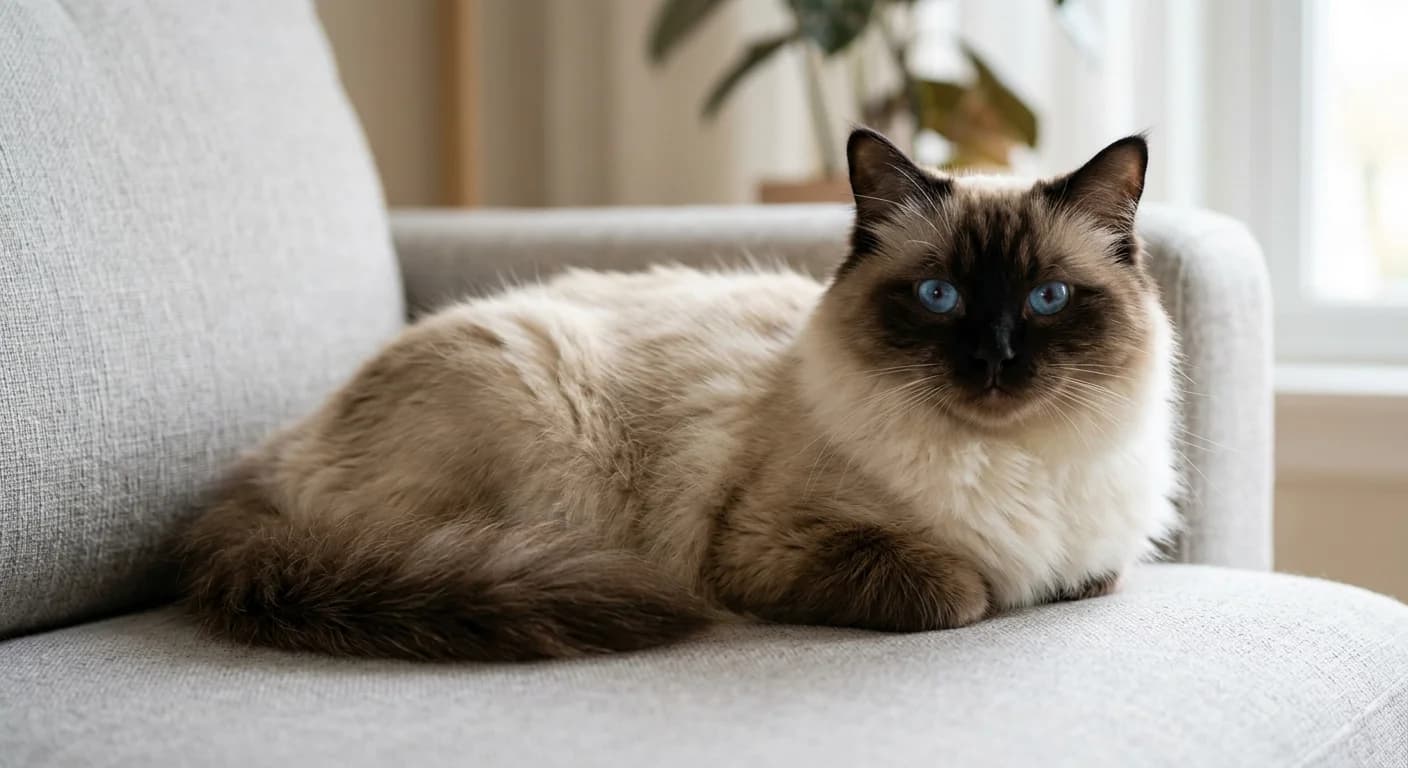
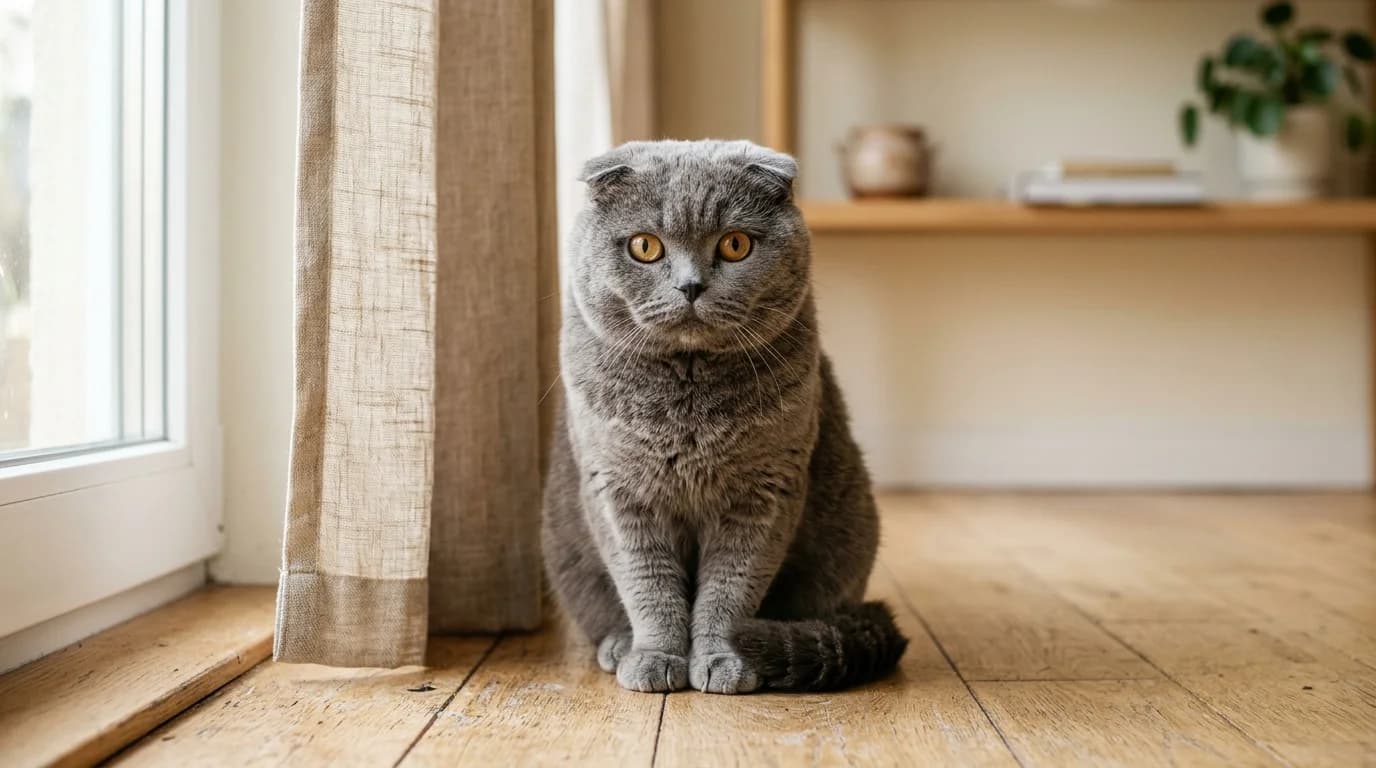
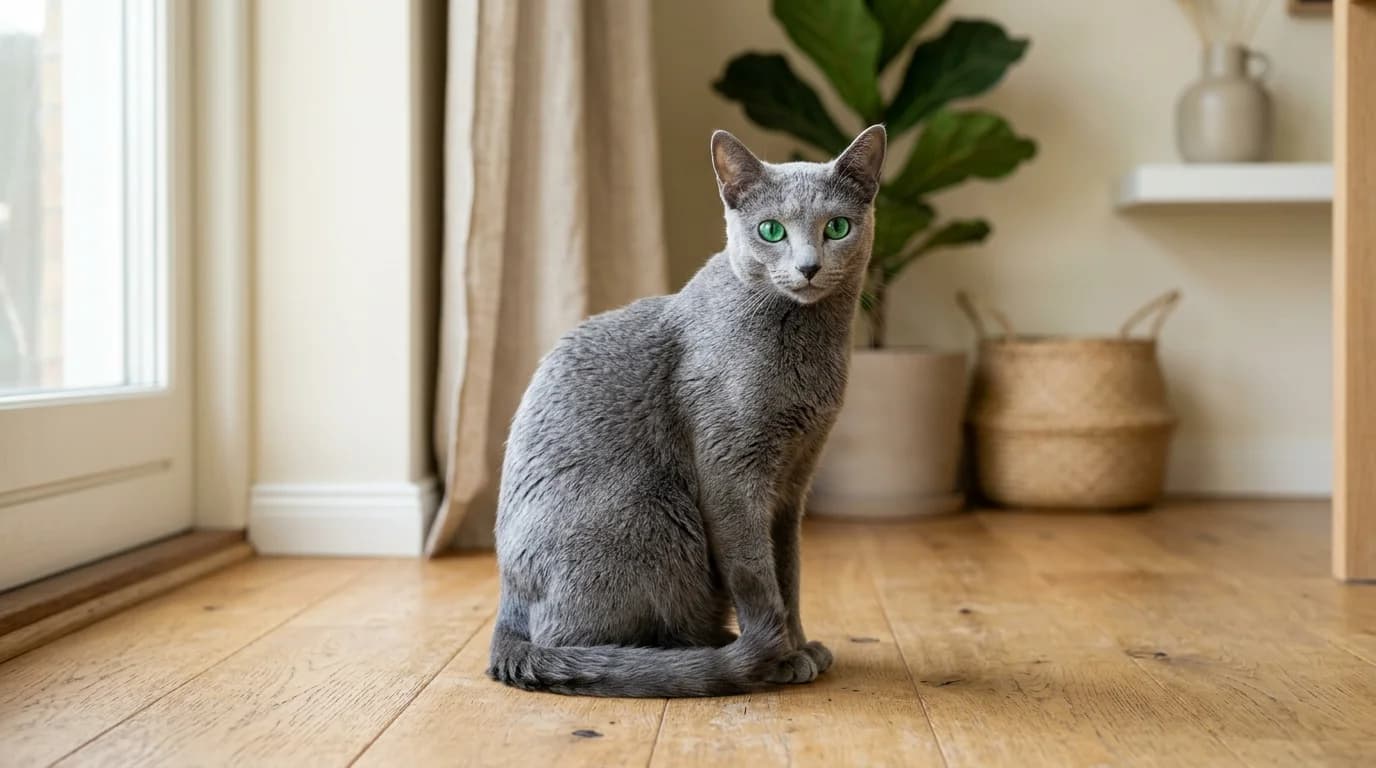
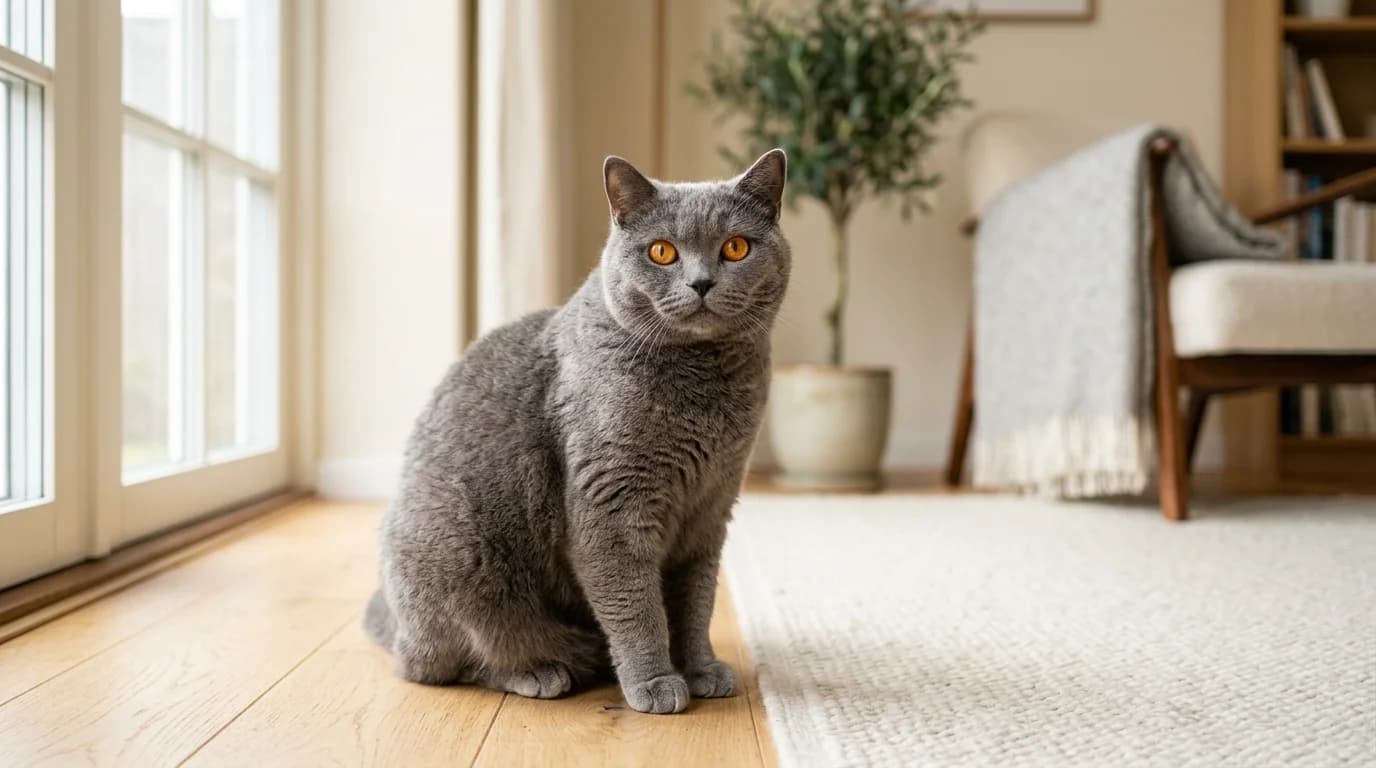
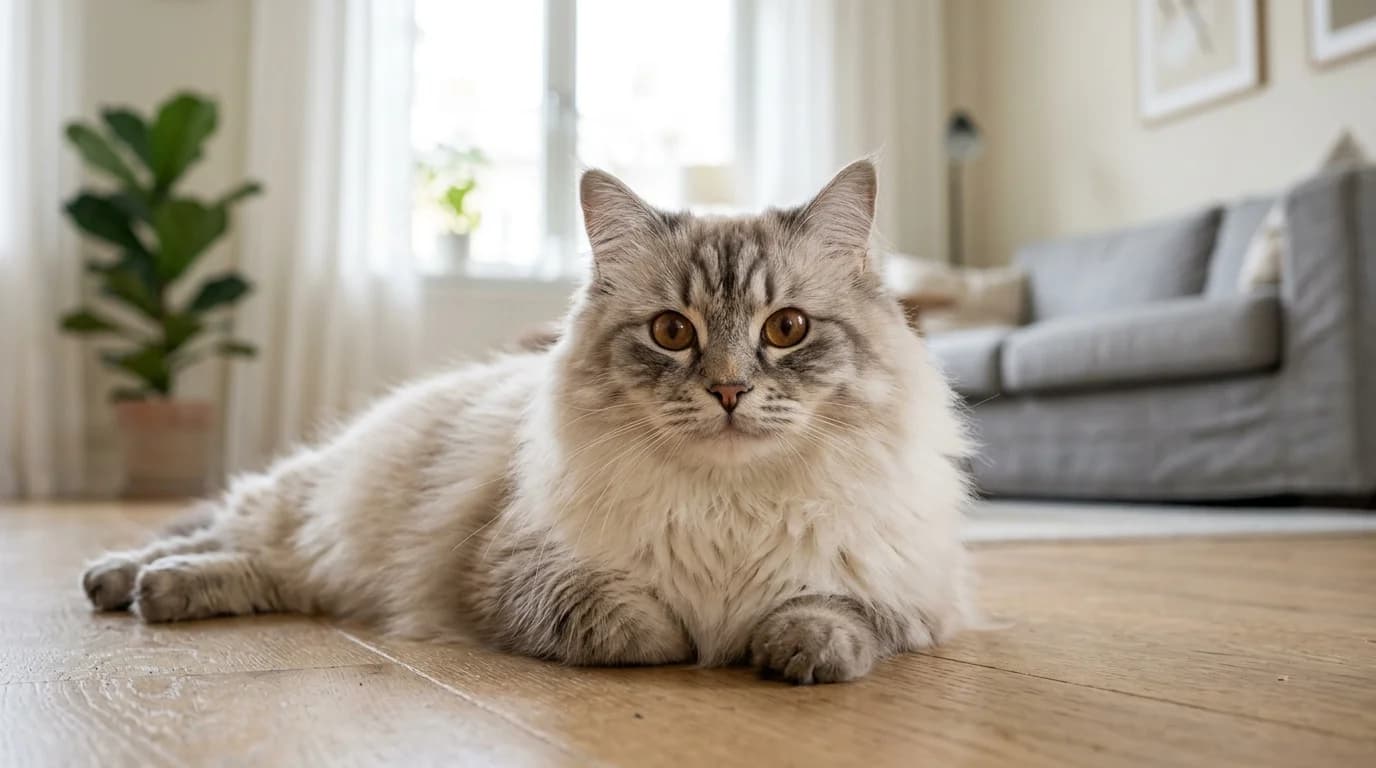
The British Shorthair has been ranked the top apartment breed by multiple veterinary and pet media sources: it is calm, quiet, not destructive, and content to observe rather than race around. The Russian Blue thrives in quiet apartment environments and bonds closely with its owner. Ragdolls are large but remarkably calm, happy to spend much of the day napping near their person.
Key things to provide: at least one floor-to-ceiling cat tree or wall shelves, a window perch with an outdoor view, and daily interactive play sessions of 10-15 minutes to meet activity needs.
10 matching breeds
Frequently asked questions
Do quiet cat breeds actually exist?
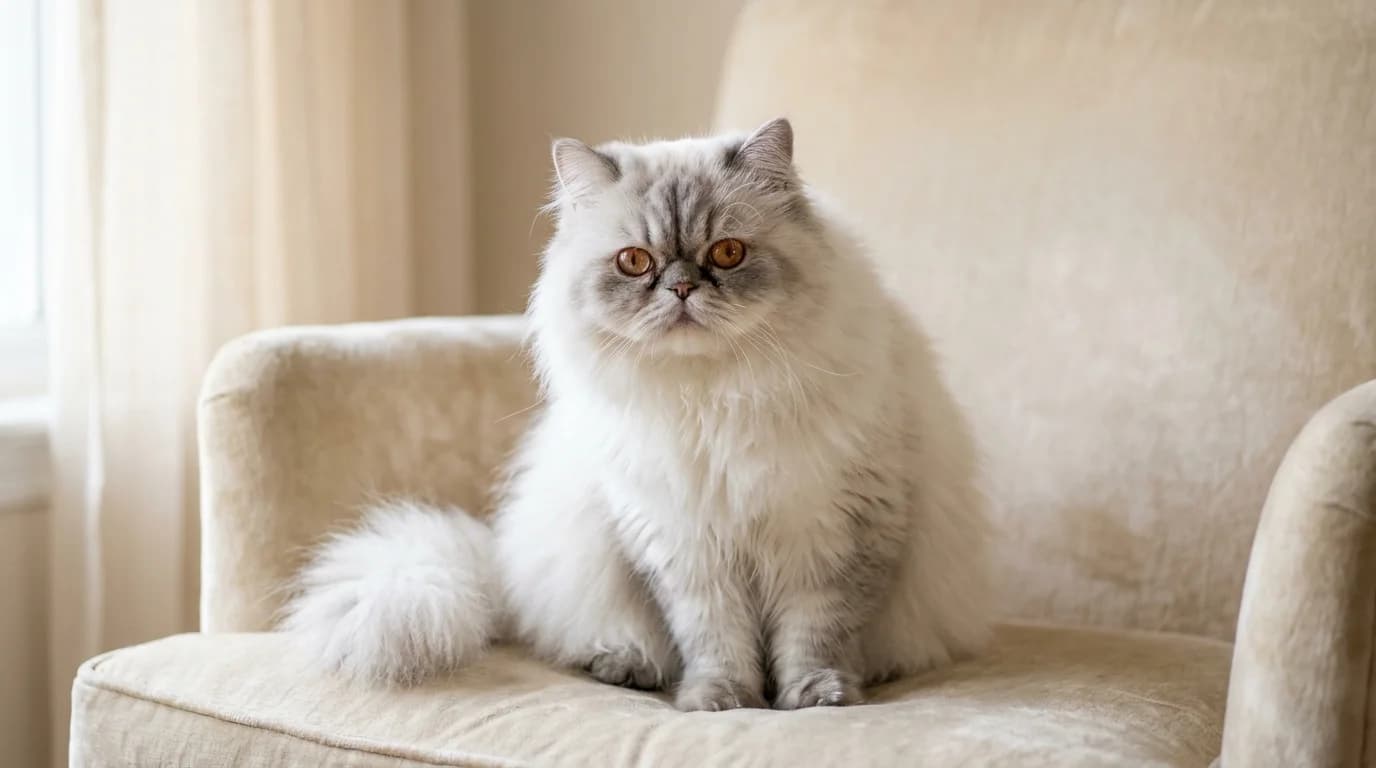
Yes. Vocalization levels vary significantly between breeds. The British Shorthair, Russian Blue, Persian, Ragdoll, and Birman are all consistently rated among the quietest breeds -- they communicate rarely and with soft sounds rather than loud, insistent meowing. In contrast, Siamese, Oriental Shorthairs, and Bengals are known to be vocal and will make themselves heard. If you are in an apartment with thin walls or noise-sensitive neighbors, breed selection on this trait alone is worth prioritizing.
Can a cat live happily in a studio apartment?
Yes, with the right setup. A studio apartment can work well for a calm, low-energy breed provided there is vertical enrichment -- cat trees, wall-mounted shelves, or window perches add significant perceived space for a cat. The square footage matters less than the quality of enrichment and daily interaction. A British Shorthair or Persian in a well-set-up studio is generally content; a high-energy Bengal in a bare studio becomes stressed and destructive. Add puzzle feeders, rotating toys, and a reliable daily play session to keep any apartment cat mentally engaged.
Do apartment cats need outdoor time?
No -- cats raised indoors from birth do not typically develop a drive for outdoor access and can live full, healthy lives indoors. Outdoor access does add enrichment, but it also introduces risks: road traffic, parasites, and conflict with other cats. For apartment dwellers, the safer alternative is a secured balcony or a "catio" enclosure. If you want to give your cat outdoor experiences, leash training is possible with many calm breeds, though results vary by individual. The key is consistent indoor enrichment rather than relying on outdoor time to meet stimulation needs.
How much space does a cat actually need?
Cats use vertical space as much as floor space, so total square meters is less important than how the space is structured. A flat with cat trees, shelves, and window perches can feel spacious to a cat even at 40-50m2. The general recommendation is to avoid housing highly active, large breeds like the Maine Coon or Bengal in very small apartments long-term -- not because they cannot physically fit, but because their activity needs may be harder to meet. A medium-sized, calm breed in a small flat with good enrichment typically does well.
Should I get two cats for an apartment?
For most apartment situations, two cats is a reasonable choice if you are away for work during the day. Bonded pairs keep each other company and are often calmer than single cats left alone. The space consideration is real but manageable: two cats in a 60m2 flat with vertical enrichment generally do better than one cat in a 30m2 flat alone. Avoid pairing a high-energy breed with a calm breed, as the mismatch in play intensity can cause chronic stress for the calmer cat. Introduce any second cat slowly and with separate spaces initially.