Pixie-bob
dog-like, loyal, social, bold
Quick Facts
- Lifespan
- 13-15 years
- Weight
- 3.5-8 kg
- Origin
- United States
- Coat
- Short
Overview
Overview
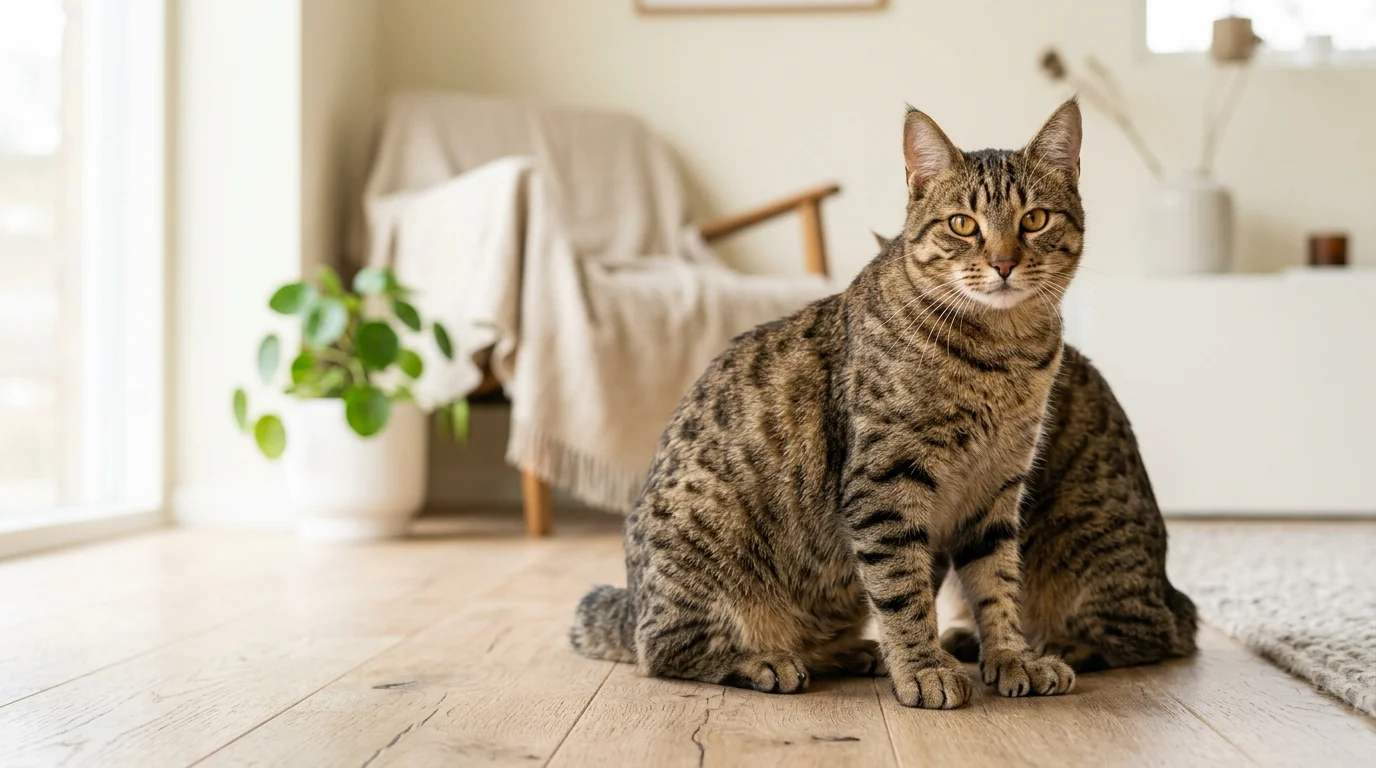
The Pixie-bob is a medium-to-large domestic cat with a striking resemblance to the wild North American bobcat, though DNA testing has confirmed it is entirely domestic in genetics. The breed originated in the Pacific Northwest of the United States in the mid-1980s and was developed by breeder Carol Ann Brewer, who named the breed after its founding female kitten, Pixie.
Pixie-bobs are known for their bobbed tail, spotted tabby coat, bold and devoted personality, and — in many individuals — polydactyly (extra toes). They are recognized by TICA and the American Cat Fanciers Association (ACFA). Despite their wild appearance, Pixie-bobs are gentle, loyal companions sometimes described as "dog-like" in their devotion to family. They typically weigh 3.5–8 kg and live 13–15 years.
History & Origins
History
The Pixie-bob breed originated in Washington State, USA, in the mid-1980s. In 1985, Carol Ann Brewer purchased an unusually large polydactyl male cat near Mount Baker. The following January, she acquired a second large, bobbed-tail male named Keba. When Keba mated with a neighbor's cat, Brewer kept one of the resulting short-tailed spotted kittens and named her Pixie — the breed's namesake.
Brewers believed the original cats may have descended from natural bobcat-domestic cat crosses, a legend that became part of the breed's mystique. However, extensive DNA testing has found no bobcat markers in Pixie-bob genetics, and the breed is considered fully domestic by TICA, ACFA, and all regulatory bodies.
TICA accepted the Pixie-bob as a new breed in 1993 and awarded championship status in 1998. Polydactyl individuals are specifically accepted within the TICA standard — making the Pixie-bob one of the few TICA breeds where polydactyly is a permitted and celebrated trait.
Appearance
Physical Characteristics
The Pixie-bob is a large, well-muscled cat built to look like a wild bobcat. Weight ranges from 3.5–8 kg, with males considerably larger than females.
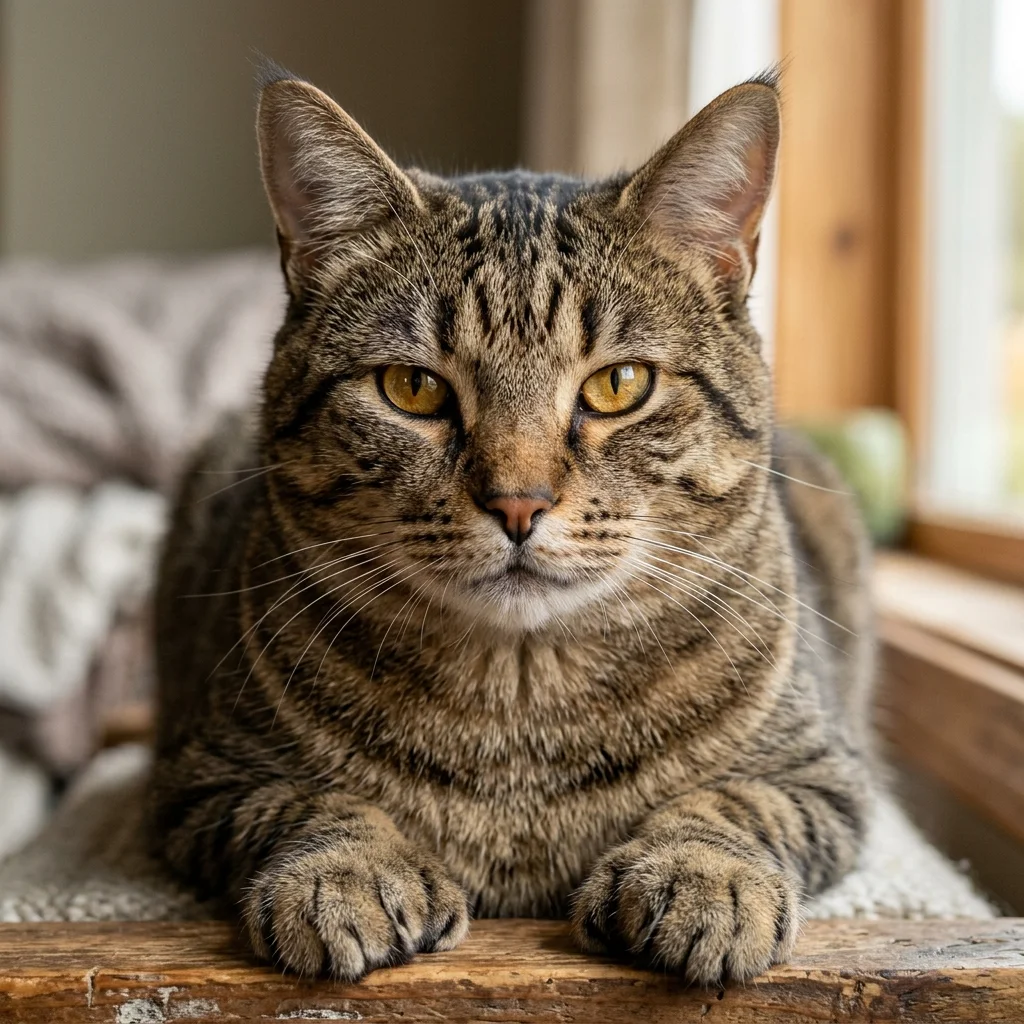
Head: Pear-shaped with a pronounced brow, medium ears with tufted tips and lynx-like ear furnishings, and deep-set eyes.
Eyes: Triangular in shape, medium-sized; colors include gold, brown, or gooseberry green.
Coat: Short to medium-long; texture is woolly rather than silky. The classic pattern is brown spotted tabby with reddish and apricot tones.
Tail: Naturally bobbed; ranges from no visible tail to approximately 10 cm. The tail is articulated and expressive despite its short length.
Polydactyly: Many Pixie-bobs have extra toes — up to seven per paw is permitted within the TICA breed standard.
Body: Long, powerful, and heavy-boned with a rolling, deliberate gait.
Temperament
Temperament
Despite their wild, rugged appearance, Pixie-bobs are gentle, people-oriented cats with a dog-like devotion to their families. They tend to follow their owners from room to room, enjoy being involved in household activities, and can be trained to walk on a leash or play fetch.
Pixie-bobs are notably quiet compared to most cat breeds. Rather than meowing, they communicate through chirps, chatters, growls, and soft chirring sounds. This understated vocal style contributes to their reputation as a calm, bold companion.
They bond deeply with their primary family but can be reserved with strangers initially. With time and patience, however, they typically warm up to new people. Pixie-bobs are good with respectful children and get along reasonably well with other cats and dogs. Their moderate activity level (3/5) means they enjoy play sessions without being demanding.
Activity & Play
Activity & Exercise
The Pixie-bob is a moderately active, dog-like cat with bursts of playful energy balanced by long periods of calm companionship. It is not a high-octane breed but needs consistent daily stimulation to stay physically and mentally healthy.
Daily Exercise Needs
Aim for 30 to 45 minutes of interactive play per day, split across two sessions. Morning and evening play works well with most schedules. The Pixie-bob does not demand continuous activity but will seek engagement if left without stimulation for extended periods.
Play Styles
The Pixie-bob has a retrieving, dog-like play style that sets it apart from most cat breeds:
- Fetch: the Pixie-bob frequently retrieves small toys when trained from kittenhood, making interactive play easy to sustain
- Wand toys: feathers and fabric teasers trigger the prey drive effectively
- Leash walks: the Pixie-bob is one of the most harness-friendly cat breeds and genuinely enjoys outdoor walks with its owner
- Puzzle feeders: satisfy the breed's problem-solving curiosity
Vertical Space
The Pixie-bob is a sturdy, muscular cat that enjoys climbing but is not an extreme vertical explorer. A solid cat tree of 4 to 5 feet suits the breed well. It prefers wider, stable platforms over narrow perches given its stocky build.
Indoor vs. Outdoor
The Pixie-bob does well as an indoor cat but benefits from supervised outdoor time. Leash walks or access to a secure catio are excellent ways to provide outdoor enrichment without the risks of free-roaming. Its calm confidence makes harness training straightforward.
Mental Stimulation
Rotate toys regularly and use food puzzles at mealtimes. The Pixie-bob's intelligence and dog-like social orientation mean it does best with enrichment that involves its owner directly.
Grooming
Grooming
The Pixie-bob comes in both shorthaired and longhaired varieties. Both are relatively easy to maintain.
Shorthaired: Brush once or twice a week with a soft bristle brush or rubber grooming glove to remove loose hair and maintain coat texture.
Longhaired: Brush two to three times a week to prevent tangles, especially in the ruff and on the belly.
Tail: The naturally bobbed tail varies in length; the skin around the tail base should be checked for any buildup of dirt or moisture.
Ears: Check weekly and clean with a vet-approved solution. Pixie-bobs sometimes have ear tufts that can trap debris.
Nails: Trim every 2–3 weeks. Polydactyl individuals may have extra nails that grow faster and require more frequent attention.
Dental: Regular brushing or dental treats to prevent periodontal disease.
Health
Health
The Pixie-bob is generally a healthy breed with no severe breed-specific diseases, benefiting from its broad genetic base.
- Polydactyly: Extra toes are a defining trait for many Pixie-bobs. The extra digits are generally benign but require more frequent nail trimming to prevent nails growing into the paw pads.
- Cryptorchidism: Some male Pixie-bobs may have one or both testicles that fail to descend normally. This requires veterinary attention and surgical correction.
- Birthing complications: Females can occasionally experience difficulty during labor due to kitten size. Breeders monitor pregnancies closely.
- Vaccine sensitivity: Some Pixie-bobs have reportedly shown sensitivity to certain vaccines; discuss vaccination protocols with your veterinarian.
- Hypertrophic cardiomyopathy (HCM): As with most domestic cats, routine cardiac screening is advised.
Lifespan is typically 13–15 years with good care.
Nutrition
Nutrition
The Pixie-bob is a large, muscular cat that requires quality nutrition to maintain its robust build. Its dietary needs are straightforward, with weight management being the key long-term priority.
Macronutrient Targets
- Protein: 35 to 45% of dry matter -- high-quality animal protein (chicken, turkey, salmon) as the foundation
- Fat: 15 to 25% of dry matter -- supports energy and coat condition
- Carbohydrates: below 10% -- minimal plant-based content is appropriate for this obligate carnivore
Wet vs. Dry Food
A combination of wet and dry food works well for the Pixie-bob. Wet food provides essential hydration and tends to be more digestible. Dry food may be offered as a supplement. Grain-free formulas are preferred by many breeders. Avoid foods with corn, wheat, or soy as primary ingredients.
Feeding Frequency
- Kittens (under 6 months): 3 to 4 meals per day -- Pixie-bob kittens grow slowly and steadily
- Juniors (6 to 12 months): 3 meals per day
- Adults (1 to 7 years): 2 measured meals per day
- Seniors (7+): 2 meals per day; monitor for weight gain or loss and adjust portions accordingly
Breed-Specific Considerations
The Pixie-bob can be polyphagic (prone to overeating) if food is available freely. Measured meal feeding is strongly recommended. Given its large frame, it may need slightly more calories than an average-sized cat, but obesity remains a risk. Fresh water should always be available. Some Pixie-bobs are born polydactyl, which does not affect dietary needs but is worth noting when monitoring mobility and joint health as the cat ages.
Family Fit
Family Fit
The Pixie-bob is widely regarded as one of the most family-friendly and dog-like cat breeds. Its loyal, affectionate, and adaptable nature makes it a strong fit for a broad range of households.
With Children
Excellent with children. The Pixie-bob is patient, sturdy, and playful -- it tolerates the energy of younger children without becoming easily stressed. Its retrieving behaviour makes it a natural interactive companion for kids who enjoy active play. Teach children to handle the cat respectfully and avoid rough handling of the short bobtail.
With Other Cats
Generally peaceful with other cats when introduced properly. The Pixie-bob is not territorial by nature and settles well into multi-cat households. Scent-swapping and gradual introductions produce the smoothest transitions.
With Dogs
Outstanding with dogs. The Pixie-bob's dog-like temperament means it often forms genuine bonds with canine housemates. It is confident and non-fearful, which avoids triggering prey drive in most dogs. Introductions should still be supervised initially.
With Elderly Owners
A good companion for older adults. The Pixie-bob's moderate energy level, affectionate nature, and loyalty without clinginess make it well suited to quieter households. Its calm periods are extensive, and it is content with lap time and gentle interaction.
Apartment Living
Manageable in apartments with sufficient play and stimulation. The Pixie-bob is not overly active and does not need a large home, but it appreciates enough floor space for occasional sprints and play. Regular leash walks are an excellent supplement in apartment settings.
For First-Time Cat Owners
A solid choice for first-timers, particularly those who love dogs. The Pixie-bob's loyalty and interactive nature make it intuitive to bond with. Its moderate demands and tolerant temperament reduce the learning curve of cat ownership.
Fun Facts
Fun Facts
- Bobcat legend: The founding cats were believed to be bobcat hybrids, and this legend is central to the breed's mythology — but DNA testing has confirmed Pixie-bobs are 100% domestic cat.
- Polydactyl stars: TICA is one of the only major registries that permits polydactyl cats to compete for championship — and Pixie-bobs are the breed most associated with this feature.
- Quiet communicators: Pixie-bobs rarely meow. They use chirps, chatters, and growls to communicate — their voice sounds more like a small wild cat than a domestic feline.
- Named after a kitten: The entire breed is named after one specific kitten — Pixie — that Carol Ann Brewer kept from the founding litter in 1986.
- Pear-shaped head: The pear-shaped head is considered the single most important physical characteristic of the breed according to TICA's breed standard.
FAQ
Frequently Asked Questions
How long do Pixie-bobs live?
The Pixie-bob typically lives 13 to 15 years. It is generally a healthy breed without the same concentration of hereditary conditions found in some pedigree cats. Regular veterinary care and a healthy diet contribute significantly to longevity.
Do Pixie-bobs shed a lot?
Moderately. Both the shorthair and longhair varieties shed, with the longhair shedding more noticeably during seasonal transitions. Weekly brushing keeps shedding manageable for both coat types. The longhair version benefits from twice-weekly brushing to prevent minor tangles.
Are Pixie-bobs vocal?
No -- and that is one of their notable traits. The Pixie-bob is a quiet cat that rarely meows in the traditional sense. Instead, it communicates through chirps, trills, and soft chatters. This makes it an excellent choice for owners who prefer a non-vocal companion.
Are Pixie-bobs hypoallergenic?
No. Pixie-bobs produce normal levels of Fel d 1 and are not hypoallergenic. Allergy sufferers should spend time with the breed before making a commitment.
How much does a Pixie-bob cost?
Pixie-bobs from reputable breeders typically cost between $1,500 and $2,500 USD. Polydactyl individuals are common in the breed and may be priced at the higher end. The breed is rare outside North America.
Is the Pixie-bob related to bobcats?
No. Despite the wild appearance, genetic testing has confirmed that the Pixie-bob is fully domestic. The bobcat-like appearance and bobtail are the result of selective breeding, not hybridisation with wild felids.
Are Pixie-bobs good on a leash?
Yes -- the Pixie-bob is one of the most leash-receptive cat breeds. Many owners successfully harness-train them from kittenhood, and the breed genuinely enjoys outdoor walks with its owner.
Gallery
Explore more Pixie-bob-style breeds
Browse related breeds or take our matching quiz to find the right fit for your home.
Stay in the loop
Get weekly breed spotlights, care guides, and new additions - straight to your inbox.