Suphalak
gentle, playful, loyal, calm
Quick Facts
- Lifespan
- 12-16 years
- Weight
- 2.7-4.5 kg
- Origin
- Thailand
- Coat
- Short
Overview
Overview
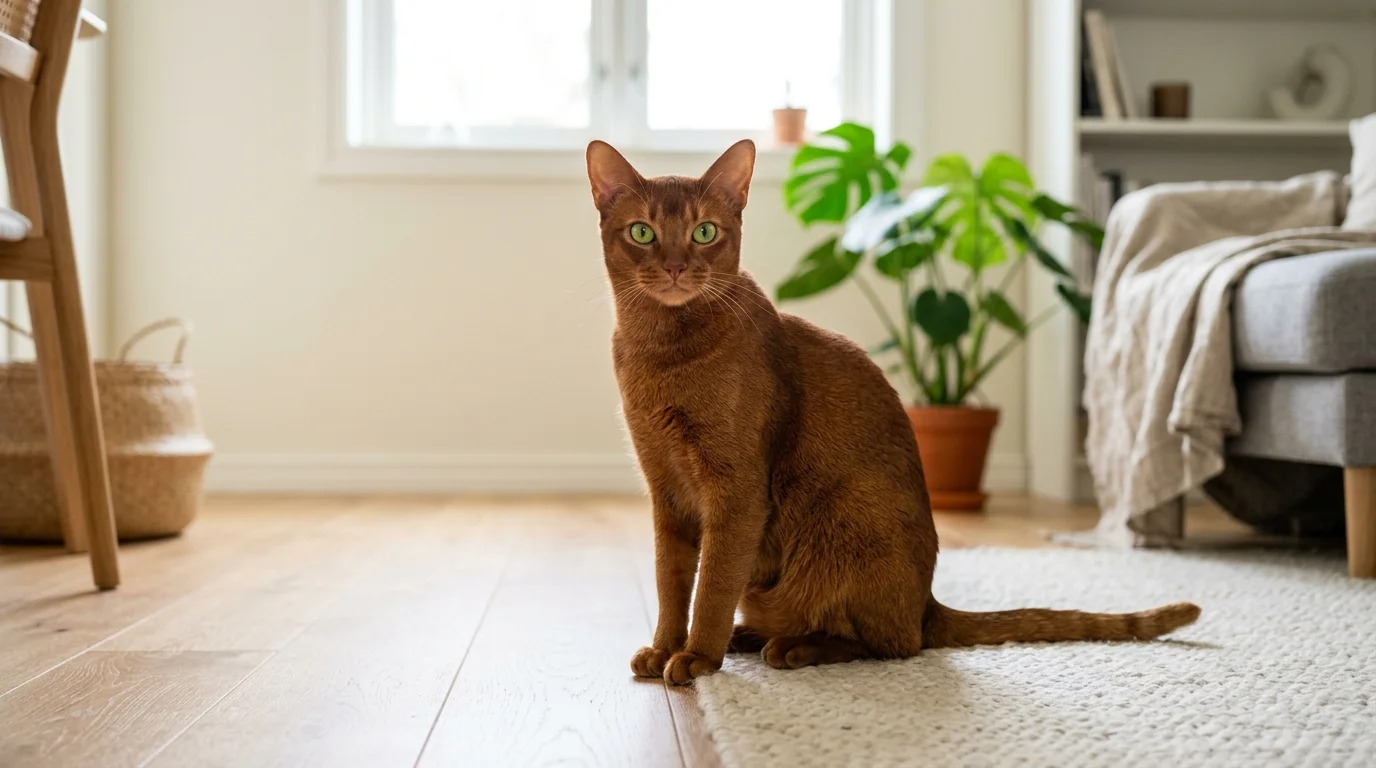
The Suphalak is one of the rarest cat breeds in the world — an ancient Thai breed documented in the Tamra Maew, the historic Thai Cat-Book Poems from the Ayutthaya Kingdom era. Known in Thai as Thong Daeng (meaning "copper"), the Suphalak is instantly recognizable by its extraordinary solid reddish-brown coat, golden eyes, and rosy-brown nose leather.
For centuries the Suphalak was held in the highest esteem in Thailand — some historical accounts describe the breed as being as valuable as gold. Today it remains extremely rare, with formal breeding programs outside Thailand only beginning around 2015. TICA recognition is being pursued by the International Maew Boran Association (TIMBA).
If you are drawn to a breed with deep historical roots, a stunning copper coat, and a devoted, affectionate personality, the Suphalak is a remarkable find.
History & Origins
History
The Suphalak is one of the ancient "good luck" cats of Thailand, described and illustrated in the Tamra Maew — a collection of Thai manuscripts from the Ayutthaya Kingdom era (1351–1767). These manuscripts, which name and describe specific cat types considered auspicious, list the Suphalak alongside other celebrated Thai breeds such as the Siamese (Wichien Maat) and Korat.
Historical accounts suggest the Suphalak was once considered as valuable as gold in Thailand. According to legend, when Burmese forces sacked the Thai capital Ayutthaya in 1767, King Hsinbyushin took Suphalak cats back to Burma, contributing to their near-disappearance in subsequent centuries.
The breed remained extremely rare throughout the 20th century. Only one Suphalak has been formally exported from Thailand. The International Maew Boran Association (TIMBA) began formal preservation efforts in 2014, and the first breeding program outside Thailand started around 2015.
Appearance
Physical Characteristics
The Suphalak is a medium-sized cat with a semi-foreign body type — athletic, muscular, and well-proportioned, neither too heavy nor too slender. Weight typically ranges from 2.7 to 4.5 kg.
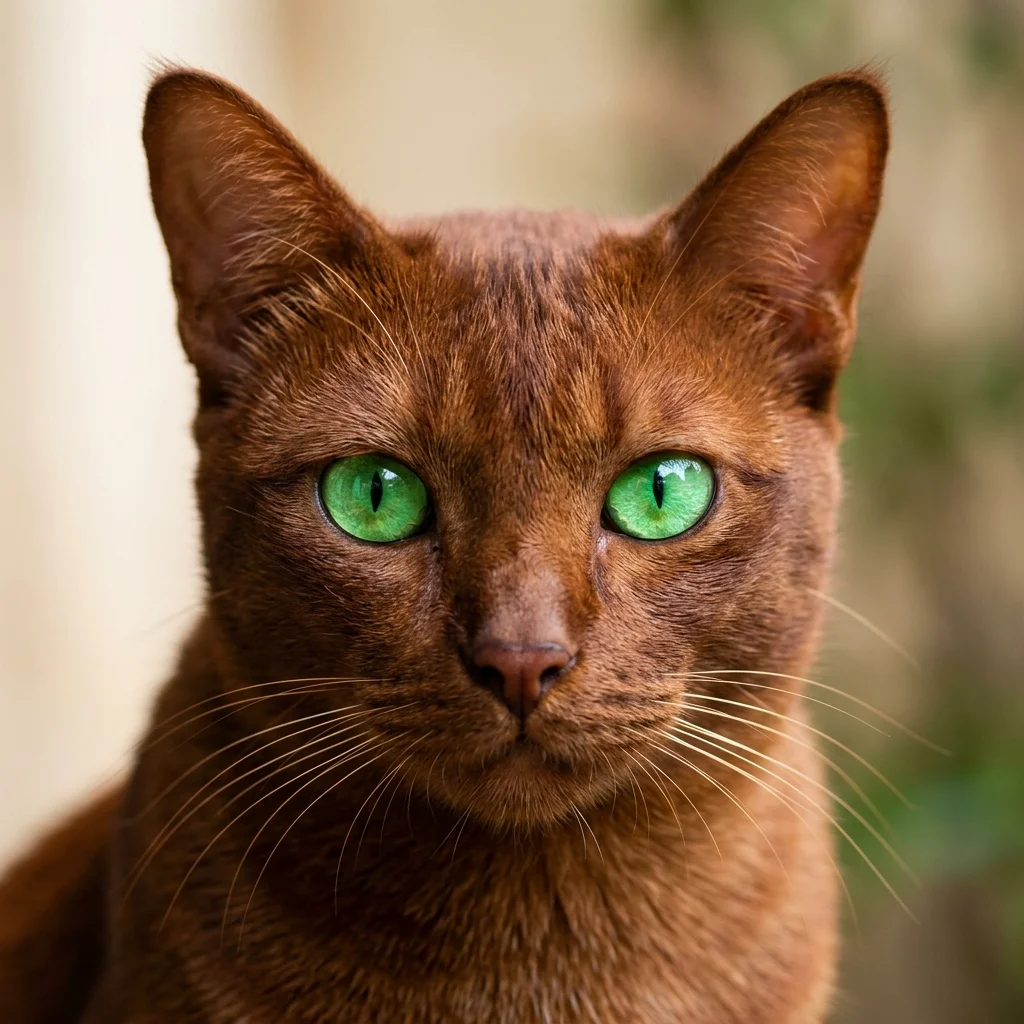
Its most striking feature is the coat: short, close-lying, and a rich, solid reddish-brown (copper) color throughout, with no tabby markings or shading. The coat has a natural sheen when in good condition. Nose leather is rosy-brown, paw pads are light brown with a pink tone, and whiskers are brown.
The eyes are bright gold or yellow, providing a vivid contrast to the warm brown coat. The head is a modified wedge of medium width, and the ears are medium-large and slightly forward-pointing.
Temperament
Temperament
Suphalaks are affectionate, loyal, and deeply people-oriented cats. They form strong bonds with their families and are known for what owners describe as dog-like behavior: following their people around, seeking close physical contact, and engaging actively in interactive play.
They are gentle and calm in their day-to-day manner, but also playful and alert when the mood strikes. Suphalaks communicate readily with their owners and are sensitive to their moods. They dislike being left alone for extended periods and can become anxious if isolated.
Early socialization helps this breed become confident and well-adjusted. They are generally well-suited to families and households with other pets, though their rarity means individual temperament assessments from breeders are especially valuable.
Activity & Play
Activity
The Suphalak is a rare, ancient Thai breed with a warm, copper-toned coat and a moderately active personality. It is playful and engaged but not hyperactive, making it a balanced companion for most households.
Energy Level
Suphalaks are moderately active cats. They enjoy play but are equally content to spend time resting near their owner. Their energy is steady rather than frantic, and they remain pleasantly playful throughout adulthood.
Daily Exercise
Aim for 20-30 minutes of interactive play per day. Wand toys, feather teasers, and soft toy mice engage their hunting instincts effectively. The Suphalak is not a cat that demands constant stimulation but benefits from a reliable daily play routine.
Play Styles
- Chase and pounce: Moving prey-style toys trigger the Suphalak's natural hunting interest.
- Explore and investigate: They enjoy investigating new objects introduced into their space.
- Social play: Suphalaks prefer interaction with their owner over solo play with static toys.
- Puzzle feeders: Food puzzles provide mental engagement between active play sessions.
Vertical Space
Suphalaks appreciate having a few elevated spots available. A moderate-height cat tree or a shelf at window height gives them a comfortable vantage point. They are not extreme climbers but enjoy being elevated when observing the household.
Indoor vs. Outdoor
Suphalaks are best suited to indoor living, especially given their rarity. The breed's scarcity makes outdoor risks particularly significant. A secure catio or supervised garden access is a safe way to provide outdoor enrichment without unnecessary exposure.
Grooming
Grooming
The Suphalak's short, close-lying coat is one of the breed's most practical features. It requires minimal grooming: a weekly brush or rub-down with a soft chamois or grooming glove is sufficient to remove loose hairs and maintain the coat's natural sheen.
The distinctive solid reddish-brown color looks its best when the coat is clean and well-cared-for. The breed is not a heavy shedder.
Standard routine maintenance applies: trim nails every two to three weeks, check and gently clean the ears, and keep up with dental hygiene to support overall health. The Suphalak is a low-maintenance breed in terms of coat care.
Health
Health
No breed-specific hereditary health conditions have been documented for the Suphalak, which is partly a reflection of how little formal health research has been conducted on this extremely rare breed rather than a guarantee of perfect health.
Because the breeding population outside Thailand is very small (formal programs only began around 2015), genetic diversity is a consideration for the breed's long-term health. Responsible breeders are working to maintain as broad a gene pool as possible through careful pairing.
Expected lifespan is 12–16 years. Routine preventive care — regular vet check-ups, vaccinations, parasite control, and dental monitoring — is recommended as for any breed.
Nutrition
Nutrition
The Suphalak is a medium-sized cat with a sleek, muscular build and a distinctive solid copper-brown coat. Its diet should support that lean physique and keep the breed's striking coat in excellent condition.
Macronutrient Targets
- Protein: 35-45% of dry matter. High-quality animal proteins (chicken, turkey, fish) should be the foundation. The Suphalak's coat colour and condition are directly influenced by dietary protein quality and the amino acid taurine.
- Fat: 15-20% of dry matter. A moderate fat content with good omega fatty acid levels supports skin health and the rich lustre of the Suphalak's single-layer coat.
- Carbohydrates: Below 10% where possible. Low-starch diets align with feline metabolic needs and help prevent weight gain in this sleek-bodied breed.
Feeding Frequency by Age
- Kittens (up to 12 months): 3-4 meals per day. Young Suphalaks need energy-dense, protein-rich food to develop their muscular frame and healthy coat.
- Adults (1-7 years): 2 measured meals per day. The Suphalak's moderate activity level means portion control is important to maintain a lean physique without underfeeding.
- Seniors (7+ years): 2-3 smaller meals per day. Senior formulas with added taurine, easy-to-digest protein, and kidney support are beneficial as the cat ages.
Wet vs. Dry Food
A combination of wet and dry food is recommended. Wet food supports hydration and kidney health, which is important for any cat eating primarily dry kibble. Prioritise high-protein, low-carbohydrate formulas for both types.
Breed-Specific Considerations
The Suphalak's copper coat colour may be influenced by diet. Foods rich in taurine and quality animal protein help maintain the depth and warmth of the coat's tone. Some Suphalaks may be sensitive to low-quality protein sources, which can dull coat colour over time. Always provide fresh water and monitor body condition regularly.
Family Fit
Family Fit
The Suphalak is a gentle, loyal cat that bonds closely with its family. Its calm, affectionate temperament makes it adaptable to many household types, particularly those that offer a stable, loving environment.
Children
Suphalaks are generally good with calm, respectful children. Their moderate energy and gentle nature make them tolerant of family life. They prefer quiet interaction and steady affection over rough or boisterous play. Older children who approach them gently tend to form strong bonds with them.
Other Cats
Suphalaks can live alongside other cats when introduced carefully. They are not overtly territorial, but like most cats they benefit from a slow, structured introduction period. They tend to settle well with calm, compatible housemates once a social hierarchy is established.
Dogs
With proper introductions, Suphalaks can coexist with dog-friendly dogs. Their calm confidence means they are not easily intimidated, which helps establish a stable relationship. Both animals should be given time to adjust at their own pace.
Elderly Owners
The Suphalak is an excellent companion for elderly owners. Its moderate activity level, affectionate nature, and preference for quiet companionship make it a natural fit for a calmer household. It enjoys sitting close to its owner and being part of a gentle daily routine.
Apartments
Suphalaks adapt well to apartment living. Their moderate activity needs can be met with daily play sessions and a cat tree or two. They do not require outdoor access and are comfortable in a smaller indoor environment.
First-Time Owners
The Suphalak is a manageable choice for first-time owners. Its calm, affectionate personality and moderate needs make it less demanding than high-energy breeds. However, owners should be aware that this is a rare breed requiring some effort to source from responsible, preservation-focused breeders.
Fun Facts
Fun Facts
- The Suphalak's Thai name, Thong Daeng, means simply "copper" — a direct reference to its distinctive reddish-brown coat.
- The breed is described in the Tamra Maew — ancient Thai manuscripts that are centuries old — alongside other celebrated Thai breeds.
- According to legend, Suphalak cats were seized by the Burmese king after the sack of Ayutthaya in 1767, helping explain the breed's near-extinction.
- Only one Suphalak has been officially exported from Thailand to date, making it one of the most internationally rare cat breeds in existence.
- Formal breeding programs outside Thailand only began around 2015 — meaning the Suphalak is essentially at the very beginning of its international story.
FAQ
Frequently Asked Questions
How long do Suphalak cats live?
Suphalaks typically live 12-15 years when kept indoors and provided with regular veterinary care. As a naturally developed breed with deep genetic roots, they tend to be robust, though little breed-specific longevity data exists given their rarity.
Do Suphalak cats shed a lot?
Suphalaks shed moderately. Their short, single-layer coat does not produce large volumes of loose fur. A weekly brush or wipe-down with a grooming glove keeps the coat clean and removes loose hair before it settles on furniture.
Are Suphalak cats vocal?
Suphalaks are moderately vocal. They are communicative with their owners and use a pleasant, gentle voice to signal their needs, but they are not persistently loud or demanding. They are more conversational than intrusive.
Are Suphalak cats hypoallergenic?
No. Suphalaks are not hypoallergenic. Like all cats, they produce the Fel d 1 allergen. Their short coat and moderate shedding mean fewer allergens are distributed around the home compared to long-haired breeds, but they are not a safe choice for people with significant cat allergies.
How much does a Suphalak kitten cost?
Suphalak kittens are extremely rare outside of Thailand, and even within Thailand the breed is considered endangered. When available from preservation breeders, expect to pay a significant premium, potentially $1,500 USD or more. Prospective owners should connect with dedicated Suphalak preservation programs.
Are Suphalak cats easy to train?
Yes. Suphalaks are intelligent and people-oriented, which makes them receptive to positive reinforcement training. They can learn basic commands, tricks, and leash walking with consistent, reward-based sessions. Their calm focus makes training a pleasant experience for both cat and owner.
How do Suphalak cats handle different climates?
Originating from Thailand, Suphalaks are naturally suited to warm, humid climates. Their single-layer coat provides minimal insulation, making them sensitive to cold. In cooler climates, they should be kept indoors in a warm environment. In hot climates, they are generally comfortable as long as fresh water and shade are available.
Gallery
Explore more Suphalak-style breeds
Browse related breeds or take our matching quiz to find the right fit for your home.
Stay in the loop
Get weekly breed spotlights, care guides, and new additions - straight to your inbox.