Lykoi
intelligent, playful, loyal, curious
Quick Facts
- Lifespan
- 12-15 years
- Weight
- 2-4.5 kg
- Origin
- United States
- Coat
- Short
Overview
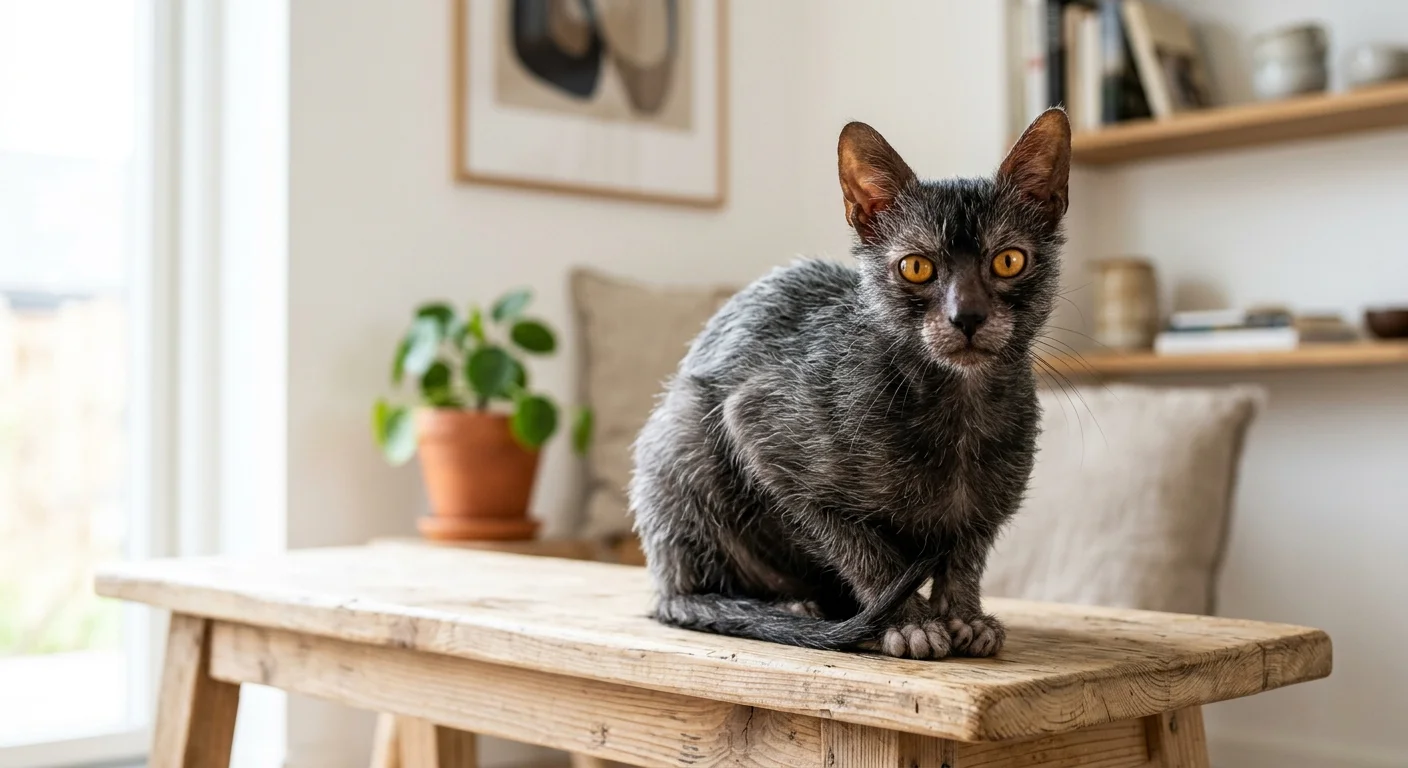
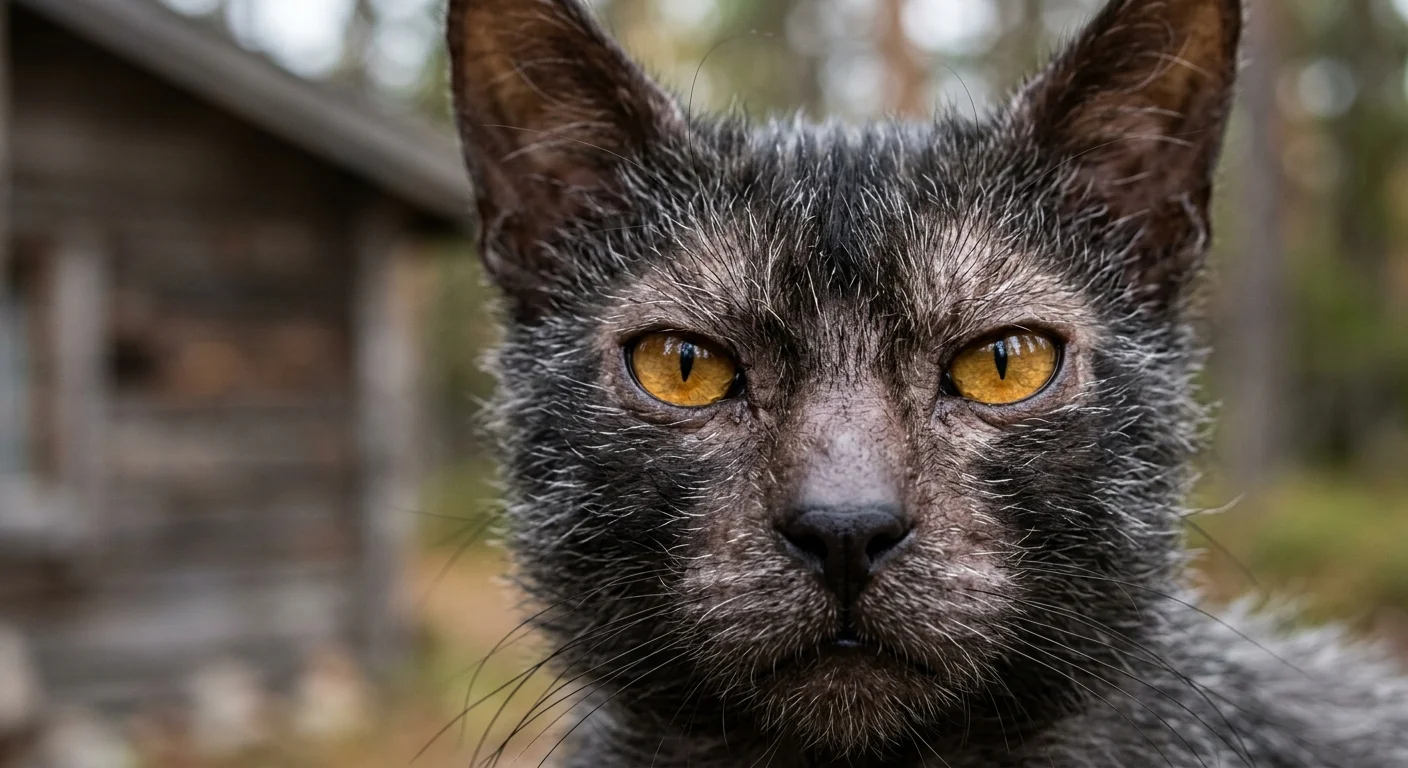
The Lykoi — often called the "werewolf cat" — is one of the most distinctive-looking cat breeds in the world. Its sparse, roan-patterned coat, partially hairless face, and luminous golden eyes give it an unmistakably wolf-like appearance. Despite the dramatic looks, the Lykoi is a sweet, affectionate, and playful companion with a loyal, dog-like personality. The breed is the result of a naturally occurring genetic mutation first documented in feral domestic cats in the United States.
History & Origins
The Lykoi originated from naturally occurring mutations within the feral domestic cat population of the United States. In 2010, rescuer Patti Thomas in Virginia encountered cats with the distinctive sparse coat and wolf-like appearance. In 2011, Johnny Gobble in Vonore, Tennessee, found a second unrelated pair with the same mutation, confirming it was a recurring natural phenomenon rather than a single isolated occurrence.
Breeder Brittney Gobble worked with veterinary geneticists — including Dr. Leslie Lyons at the University of Missouri — to confirm the cats were healthy and that the coat was the result of a novel mutation rather than an existing known condition. The first intentionally bred Lykoi kitten was born in 2011.
TICA granted the Lykoi preliminary new breed status in 2012, and the CFA began registering the breed in 2018. The name "Lykoi" comes from the Greek word for wolf.
Appearance
The Lykoi is a small-to-medium cat, typically weighing 2–4.5 kg. Its most striking feature is the coat — a sparse, roan pattern of black and white hairs (often described as "black roan") that gives the impression of a rough, wolf-like pelt. The face is partially or fully hairless around the eyes, nose, muzzle, and ears, with a mask-like appearance that reinforces the werewolf comparison.
The eyes are large, wide-set, and golden to amber in colour. The body is lean and semi-foreign in type, with fine bone structure and a long, tapered tail. The coat is not uniform: some Lykoi may have more hair coverage than others depending on genetics, and the degree of hairlessness can vary throughout the cat's life as they periodically shed and regrow their coat.
Temperament
Behind the Lykoi's striking wolf-like exterior is a warm, playful, and fiercely loyal companion. Owners frequently describe the breed as dog-like: Lykoi cats are known to follow their people from room to room, play enthusiastically with toys, and even show behaviours reminiscent of herding dogs — some reportedly "run in packs" with other cats in the household.
Lykoi cats are initially cautious with strangers, taking time to assess new people before warming up. Once comfortable, however, they are genuinely affectionate and form strong bonds with their families. They are playful and active, but not as relentlessly demanding of attention as some high-energy breeds.
They are intelligent and curious, and benefit from enrichment, interactive toys, and regular play sessions to stay mentally satisfied.
Activity & Play
Activity Level and Exercise Needs
The Lykoi is a high-energy breed that surprises many people given its unusual, somewhat wolf-like appearance. Underneath that sparse coat is a cat with strong hunting instincts and a genuine drive to chase, pounce, and explore. Owners who underestimate the Lykoi's activity needs often end up with a bored, restless cat.
Daily Exercise
Plan for at least 30 to 45 minutes of active play spread across the day. The Lykoi does best with multiple shorter sessions rather than one long burst. Morning and evening play sessions fit well with most owner schedules and align with the cat's natural crepuscular activity peaks.
Play Styles
The Lykoi is a predatory player. Feather wands, laser pointers, and fast-moving toy mice trigger their hunting sequence strongly. They will stalk, ambush, and pounce with focus and enthusiasm. Battery-operated moving toys are especially effective when owners cannot be present.
Vertical Space
Lykoi cats are agile climbers and jumpers. Tall cat trees with multiple levels, wall-mounted shelves, and window perches all satisfy their desire to survey territory from height. Without vertical space, they will find their own elevated spots, often less convenient ones.
Indoor vs. Outdoor
The Lykoi can safely be kept entirely indoors with sufficient enrichment. Some owners do harness-train them for supervised outdoor time, which satisfies their curiosity and predatory drive. Unsupervised outdoor access is not recommended due to the breed's unusual appearance attracting unwanted attention and their high prey drive around wildlife.
Enrichment Tips
Puzzle feeders, foraging mats, and scent-based toys work well for the Lykoi's sharp mind. Rotate toys regularly and introduce new textures and sounds to prevent boredom. This breed does best in homes where it receives consistent daily interaction.
Grooming
The Lykoi's unique coat requires less grooming than most breeds, but there are some specific considerations. The sparse, roan coat does not have the dense undercoat of most cats, meaning it sheds differently — Lykoi cats periodically go through phases of significant moulting that can temporarily leave them nearly hairless before the coat regrows.
During these moult phases, the skin becomes more exposed and may require gentle cleaning to remove buildup of natural oils. Because the coat offers reduced insulation, Lykoi cats can be sensitive to cold and should be kept warm indoors.
Limited sun exposure is advisable for lighter-coloured individuals, as the exposed skin is susceptible to sunburn. Routine nail trimming and ear cleaning are recommended as part of a regular care schedule.
Health
The Lykoi is considered a generally healthy breed, with careful breeding practices having established a solid genetic foundation since the breed's formal development began in 2011. Average lifespan is 12–15 years.
The breed's unique coat results from a naturally occurring mutation called hypotrichosis — a reduction in hair follicle density that produces the characteristic sparse, patchy appearance. Research led by the University of Missouri found that lymphocytic mural folliculitis is the primary skin condition associated with this follicle type, but it does not appear to cause the cats discomfort.
Like other thin-coated breeds, Lykoi cats are more sensitive to extremes of temperature. Sun exposure should be limited, as the skin can burn. It is important to obtain a Lykoi from a responsible breeder who health-tests their breeding cats.
Nutrition
Feeding Your Lykoi
The Lykoi is an active, muscular cat with a higher metabolic rate than many sedentary breeds, and its diet should support that activity level. Because their coat is naturally sparse, they do not require extra dietary support for heavy shedding, but skin and coat health is still a relevant consideration.
Macronutrient Guidelines
Animal protein should form the foundation of the Lykoi's diet, comprising at least 35 to 40% of dry matter content. This supports lean muscle maintenance. Fat intake of around 15 to 20% provides energy for their active lifestyle. The Lykoi's skin, exposed in many areas, benefits from omega-3 fatty acids from sources like salmon oil. Carbohydrates should remain low, as cats have limited ability to process plant-based carbs efficiently.
Wet vs. Dry Food
Wet food is highly recommended for Lykoi cats. Their moderate water consumption makes it important to supplement hydration through food. A wet-primary diet supports kidney function and keeps the urinary tract healthy. Dry food can supplement, ideally served in puzzle feeders to channel the breed's foraging instincts.
Feeding Frequency
Two meals per day is the standard approach for adult Lykoi cats. Given their active metabolism, some owners find three smaller meals work better. Avoid free-feeding, as Lykoi cats can overeat when food is always available. Kittens need three to four meals daily through their first year.
Breed-Specific Concerns
The Lykoi's sparse coat means their skin is more exposed to environmental elements. While diet does not directly address this, ensuring adequate fatty acid intake from food helps maintain skin barrier health. Monitor body weight, as an underweight Lykoi can lose condition quickly given their high activity level. Work with a vet to establish appropriate portion sizes.
Family Fit
Is the Lykoi Right for Your Family?
The Lykoi is an affectionate but selective breed. It bonds closely with its primary people but can be cautious or reserved with strangers. Understanding this personality helps set realistic expectations before bringing one home.
With Children
Lykoi cats do reasonably well with children who respect their boundaries. They enjoy interactive play but are not the kind of cat that tolerates rough handling or being restrained. Older children who understand cat body language and can engage in structured play will have a much better experience than very young children.
With Other Cats
The Lykoi can coexist with other cats, but introductions require patience. Their strong prey drive can make them intense playmates, which may overwhelm shyer cats. They do best with another active breed of similar energy level. Avoid pairing them with cats that startle easily.
With Dogs
Dog compatibility depends heavily on the individual dog's temperament. A calm, cat-tolerant dog can share a home with a Lykoi successfully. The Lykoi's confidence means it is unlikely to be bullied, but a dog with strong prey drive can create ongoing stress for the cat.
For Elderly Owners
The Lykoi's high energy level makes it a challenging fit for very quiet households or owners who cannot engage in daily active play. Seniors who are active and enjoy interactive pet ownership can make it work, but this breed is not a lap cat by nature.
For Apartments
Apartments are manageable for a Lykoi as long as vertical space and enrichment are provided. They do not need a large floor area, but they do need height and things to investigate. A bare apartment will result in a frustrated cat.
For First-Time Owners
The Lykoi is best suited to owners who have prior cat experience. Their quirky personality, high energy, and sensitivity to change can challenge those unfamiliar with reading feline behavior. That said, they are deeply rewarding for owners who meet their needs.
Fun Facts
- The name "Lykoi" comes from the Greek word for wolf — a fitting tribute to this cat's remarkable appearance.
- The Lykoi's coat results from hypotrichosis, a reduction in hair follicle density. This is a naturally occurring mutation found in feral cat populations, not the result of selective breeding for hairlessness.
- Lykoi cats periodically moult their entire coat and temporarily become nearly hairless before it regrows — sometimes with slightly different patterning.
- Despite looking like a creature from folklore, Lykoi cats have been thoroughly vetted by veterinary geneticists and are not prone to unusual health problems related to their coat.
- Some Lykoi owners describe their cats as behaving like dogs: following family members, playing fetch, and even "running in packs" with other household cats.
FAQ
How long do Lykoi cats live?
Lykoi cats are a relatively new breed, so long-term data is still accumulating. Current estimates suggest a lifespan of 12 to 15 years, consistent with most domestic cats of similar size. Keeping them indoors and providing regular veterinary care supports longevity.
Do Lykoi cats shed a lot?
The Lykoi has a unique and variable coat that goes through partial molting cycles. They can shed significantly and even go nearly bald at certain times before the coat regrows. This molting is normal for the breed and not a sign of illness. Overall grooming needs are lower than for heavily coated breeds.
Are Lykoi cats vocal?
Lykoi cats are moderately vocal. They use their voice to communicate with their owners and may chirp, trill, or meow when seeking attention or food. They are not as persistently vocal as a Siamese, but they are not silent cats either.
Are Lykoi cats hypoallergenic?
Despite their sparse coat, Lykoi cats are not hypoallergenic. They still produce the Fel d 1 protein found in cat saliva, skin, and dander that triggers allergic reactions. People with cat allergies should spend time with a Lykoi before adopting to assess personal tolerance.
How much does a Lykoi kitten cost?
Lykoi kittens are among the more expensive breeds due to their rarity. Prices from reputable breeders generally range from $1,500 to $3,000 or more. The breed is still relatively uncommon, and fewer breeders produce them, which keeps prices elevated.
Are Lykoi cats easy to train?
Lykoi cats are intelligent and curious, which makes them capable learners. They respond well to clicker training and positive reinforcement. Their natural hunting instinct can be channeled into fetch-style games and obstacle courses. Patience is important, as they can be strong-willed.
Gallery
Explore more Lykoi-style breeds
Browse related breeds or take our matching quiz to find the right fit for your home.
Stay in the loop
Get weekly breed spotlights, care guides, and new additions - straight to your inbox.