Aegean
social, intelligent, active, good with water
Quick Facts
- Lifespan
- 12-15 years
- Weight
- 3-5 kg
- Origin
- Greece
- Coat
- Medium
Overview
Overview
The Aegean is a natural landrace cat from the Cycladic Islands of Greece — one of the oldest domestic cat populations in the world, shaped by thousands of years of island life alongside Greek fishermen and farmers. Friendly, athletic, and striking in its bicolor or tricolor coat, the Aegean is largely unknown outside its homeland.
Formally developed as a breed in Greece in the early 1990s, the Aegean has not yet achieved recognition by major international registries. It remains primarily a Greek breed, celebrated as a national treasure in its country of origin. For those seeking an authentic, unspoiled natural cat with a deep historical connection to the Mediterranean, the Aegean is a rare find.
Weighing 3–5 kg with a lifespan of 12–15 years, the Aegean is healthy, adaptable, and social.
History & Origins
History
The Aegean cat is one of the oldest naturally occurring domestic cat populations in the Mediterranean world. These cats have lived on the Cycladic Islands — including Mykonos, Santorini, Naxos, Delos, and Andros — for thousands of years, developing without human selective breeding.
Archaeological evidence suggests domestic cats arrived in the eastern Mediterranean as early as 10,000 years ago, and the Cycladic islands have been home to domestic cats since antiquity. The Aegean was valued by islanders, especially fishermen, who fed and protected the cats in exchange for rodent control and companionship.
Formal breed development began in Greece in the early 1990s, but the Aegean has yet to be recognized by major international registries such as CFA, TICA, or FIFe. It is primarily recognized within Greece and is considered a national cat breed.
Appearance
Physical Characteristics
The Aegean is a medium-sized cat with a well-muscled, balanced build that reflects its active, working heritage.
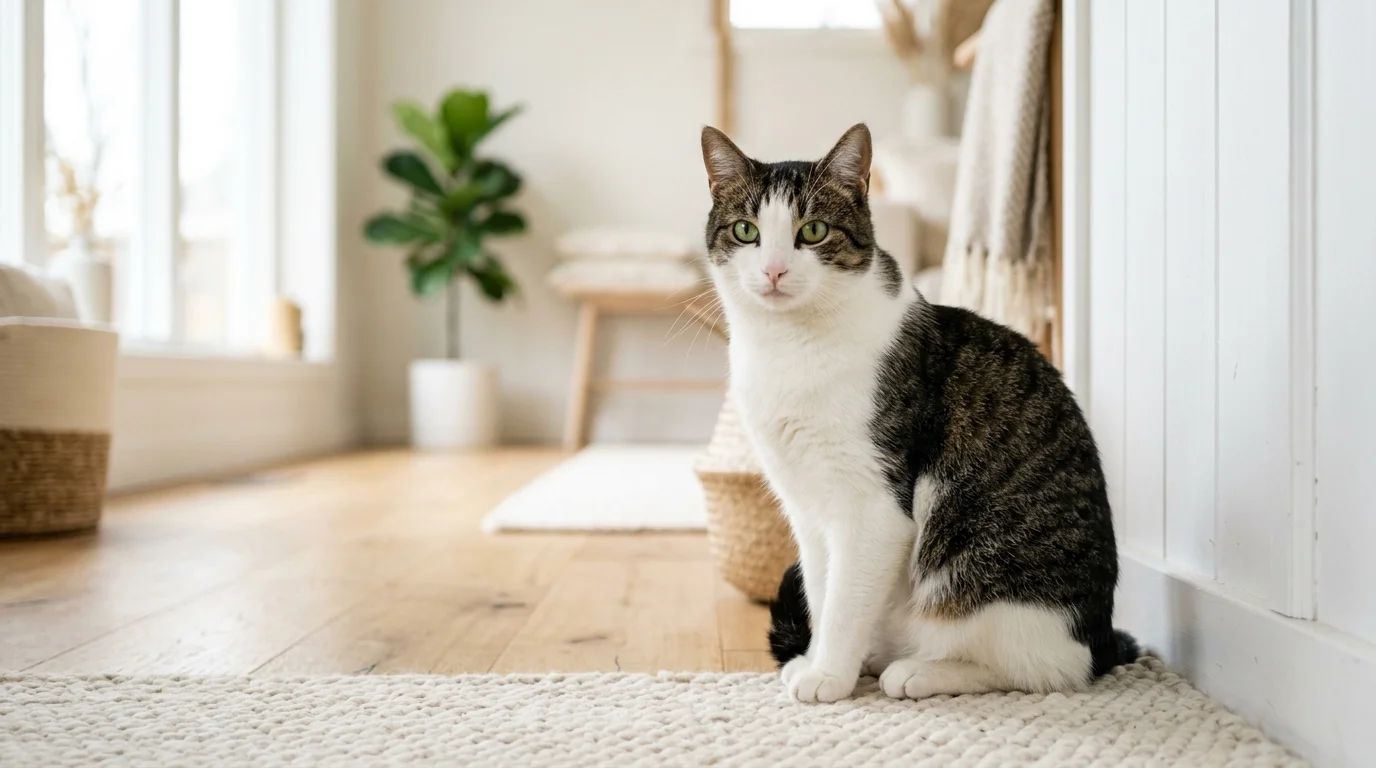
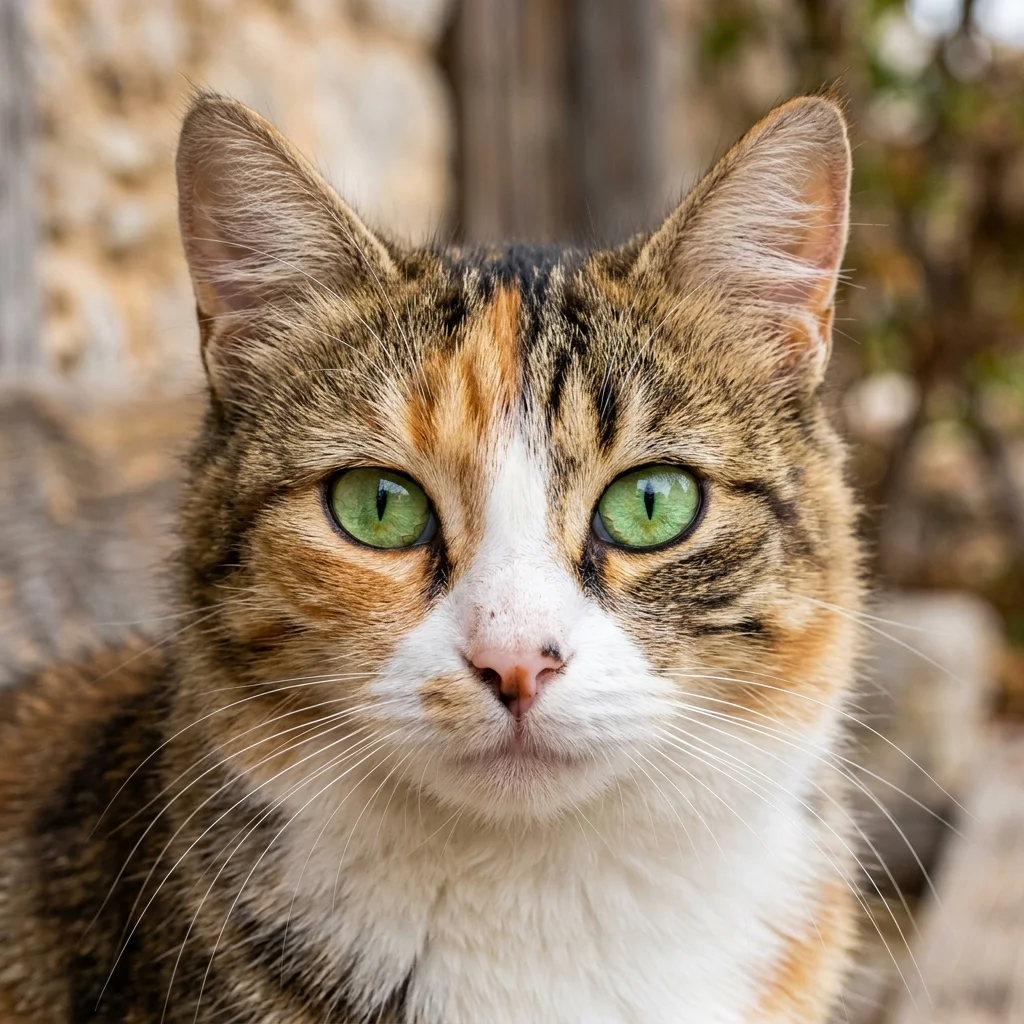
Body: Medium-sized, muscular, and athletic; neither cobby nor svelte Head: Medium-sized with a moderate muzzle and gentle cheekbones Eyes: Medium to large; almond-shaped; any color from blue to green to amber Ears: Medium-sized, upright, slightly rounded at the tips Coat: Semi-long with no undercoat; silky texture; lies naturally Colors: Always bicolor or tricolor — white is obligatory and must cover between one-third and two-thirds of the body; combined with black, blue, red, cream, or tabby patterns Weight: 3–5 kg Lifespan: 12–15 years
Temperament
Temperament
The Aegean is a sociable, active, and chatty cat that developed over millennia in close contact with humans — particularly the fishing communities of the Greek islands. It is naturally trusting and affectionate, without being demanding.
Key traits:
- Social and people-friendly — comfortable with strangers; historically accustomed to busy harbor life
- Active and playful — needs regular exercise and mental stimulation
- Good with water — island heritage means many Aegean cats are fascinated by water and are natural fish hunters
- Intelligent — adaptable and quick to learn household routines
- Vocal — communicative but not excessively loud; enjoys "conversation" with its owners
- Adaptable — adjusts well to different living situations, from island life to modern apartments
The Aegean is an excellent family cat that typically gets along well with children and other pets.
Activity & Play
Activity and Exercise
The Aegean is a naturally active, athletic cat with roots as a working cat on the Greek islands. It is energetic without being hyperactive, making it a lively but manageable companion.
Daily Exercise Needs
Aim for 20 to 30 minutes of dedicated interactive play each day. The Aegean is self-sufficient enough to entertain itself for periods, but it benefits from daily structured engagement that strengthens its bond with the family.
Play Styles
Aegeans enjoy hunting-style play with wand toys, feathers, and small moving objects. They are agile and enjoy pouncing, chasing, and swatting. Their fishing-village heritage gives them an instinct for movement and quick reaction, making fast-moving toys particularly engaging.
Vertical Space
As a natural climber, the Aegean appreciates tall cat trees, wall shelves, and window perches. Access to height allows them to survey their territory, a behaviour rooted in their working-cat background.
Toys
Toy variety is important. Feather wands, track toys, puzzle feeders, and small plush mice all hold the Aegean's interest. Rotate the selection weekly to keep things novel and stimulating.
Indoor vs. Outdoor
Aegeians are well suited to indoor life when enrichment is provided. Many owners successfully harness-train them for outdoor walks. A secure garden or catio is an excellent option for a breed that still has strong outdoor instincts.
Grooming
Grooming
The Aegean has a medium-length, semi-long coat with no undercoat — making it relatively easy to maintain despite being longer than a typical shorthair.
- Brushing — once or twice a week prevents tangles and removes loose hair
- Shedding — moderate, with heavier seasonal shedding; the lack of undercoat helps keep this manageable
- Bathing — rarely necessary
- Nails, ears, teeth — standard routine care applies
The striking bicolor or tricolor coat — always featuring white combined with one or more other colors — is easy to keep looking beautiful with minimal effort.
Health
Health
The Aegean is a naturally evolved landrace with no known hereditary health conditions. Centuries of natural selection on the Greek islands have produced a robust, adaptable cat with excellent overall health.
- No known breed-specific genetic disorders
- Broad gene pool — as a natural landrace, genetic diversity is high compared to purpose-bred cats
- Hardy constitution — adapted to a range of conditions from island heat to cooler climates
- Lifespan: 12–15 years
Routine veterinary care, vaccinations, parasite prevention, and dental hygiene are all that is typically needed to keep an Aegean in excellent health throughout its life.
Nutrition
Nutrition
The Aegean developed as a natural breed over centuries, primarily as a fishing-village cat. This heritage means the breed is generally robust and does not have many breed-specific dietary complications.
Protein and Fat
Aim for a food with named animal proteins as the primary ingredients. Chicken, turkey, or fish-based formulas work well. A protein content of 36 to 40 percent on a dry matter basis is appropriate. Fish-based diets are particularly well received by many Aegeans given their coastal origins. Fat around 14 to 16 percent suits their moderate activity level.
Wet vs. Dry Food
Incorporating wet food into the daily routine is recommended to support hydration. A mix of wet and dry food balances convenience with good health outcomes. Dry food alone over the long term is associated with lower fluid intake, which can affect urinary health.
Feeding Frequency
Kittens up to six months need three or four small meals per day. Adults thrive on two meals daily at consistent times. Portion control is important, as free-feeding can lead to gradual weight gain.
Breed-Specific Considerations
The Aegean is not known for specific food sensitivities. However, its naturally lean build should be maintained by avoiding overfeeding. Monitor weight seasonally, as indoor cats may become less active in winter. Always provide fresh water; a cat fountain encourages adequate drinking throughout the day.
Family Fit
Family Fit
The Aegean is a friendly, adaptable cat that fits into a wide range of households. Its balanced temperament makes it one of the more versatile Mediterranean breeds.
Children
Aegeans get along well with children who treat them with respect. They are playful enough to enjoy games with older kids and patient enough to tolerate a busy household. Young children should be supervised around any cat.
Other Cats
The Aegean typically coexists well with other cats. It is not overly territorial and can adapt to a multi-cat home when introductions are handled gradually and thoughtfully.
Dogs
This breed can live comfortably alongside dogs with calm, cat-friendly temperaments. Proper introduction is essential. An Aegean that grows up with a dog usually accepts it without issue.
Elderly Owners
The Aegean's moderate activity level makes it a good choice for elderly owners. It provides affectionate companionship without the intense demands of high-energy breeds. Daily play sessions are manageable and enjoyable rather than exhausting.
Apartments
Aegeans adapt well to apartment living provided they have climbing structures, window views, and interactive play. They are not overly vocal and do not typically cause noise issues in shared buildings.
First-Time Owners
The Aegean is an excellent choice for first-time cat owners. It is healthy, adaptable, and straightforward to care for, with no extreme grooming demands. Its friendly and communicative nature makes the learning curve of cat ownership enjoyable.
Fun Facts
Fun Facts
- Ancient island cat — Aegean cats have lived on the Greek Cyclades for thousands of years, making them one of the oldest domestic cat populations in Europe
- Fishermen's companions — historically valued by Greek fishermen for rodent control; rewarded with scraps of fish on the dockside
- Always white — the breed standard requires white to cover at least a third of the body; a fully non-white Aegean does not meet the standard
- Good with water — centuries of island life have left many Aegean cats comfortable around water, a trait unusual in domestic cats
- Greece's own breed — the Aegean is one of only a handful of breeds that originated in Greece and is considered a national treasure
- Still unrecognized internationally — despite its ancient heritage, the Aegean has not yet been formally recognized by CFA, TICA, or FIFe
FAQ
Frequently Asked Questions
How long do Aegean cats live?
Aegeans typically live 12 to 15 years. As a naturally evolved breed with a broad genetic base, they are generally healthy and long-lived compared to some selectively bred pedigree cats.
Do Aegean cats shed a lot?
Aegeans have a semi-longhaired coat with no dense undercoat, which means shedding is moderate rather than heavy. Seasonal shedding in spring and autumn requires more frequent brushing, but coat maintenance is generally straightforward.
Are Aegean cats vocal?
Aegeans are moderately vocal. They communicate with their families through quiet chirps and meows but do not have the persistent loudness of Oriental breeds. They will speak up when they want attention or food.
Are Aegean cats hypoallergenic?
No. All cats produce the Fel d 1 protein that triggers allergies in sensitive people. The Aegean's moderate shedding may reduce the spread of allergens somewhat, but no cat breed is truly hypoallergenic.
How much does an Aegean cat cost?
Because the Aegean is rare outside of Greece, finding a reputable breeder can be challenging. Where available, kittens typically cost between 400 and 900 US dollars depending on pedigree and breeder.
Are Aegean cats good hunters?
Yes. Their working-cat heritage gives Aegeans strong hunting instincts. Owners should expect active play that mimics hunting and should provide appropriate outlets through wand toys and puzzle feeders.
Gallery
Explore more Aegean-style breeds
Browse related breeds or take our matching quiz to find the right fit for your home.
Stay in the loop
Get weekly breed spotlights, care guides, and new additions - straight to your inbox.