Singapura
curious, playful, affectionate, active
Quick Facts
- Lifespan
- 11-15 years
- Weight
- 1.8-3.6 kg
- Origin
- Singapore/United States
- Coat
- Short
Overview
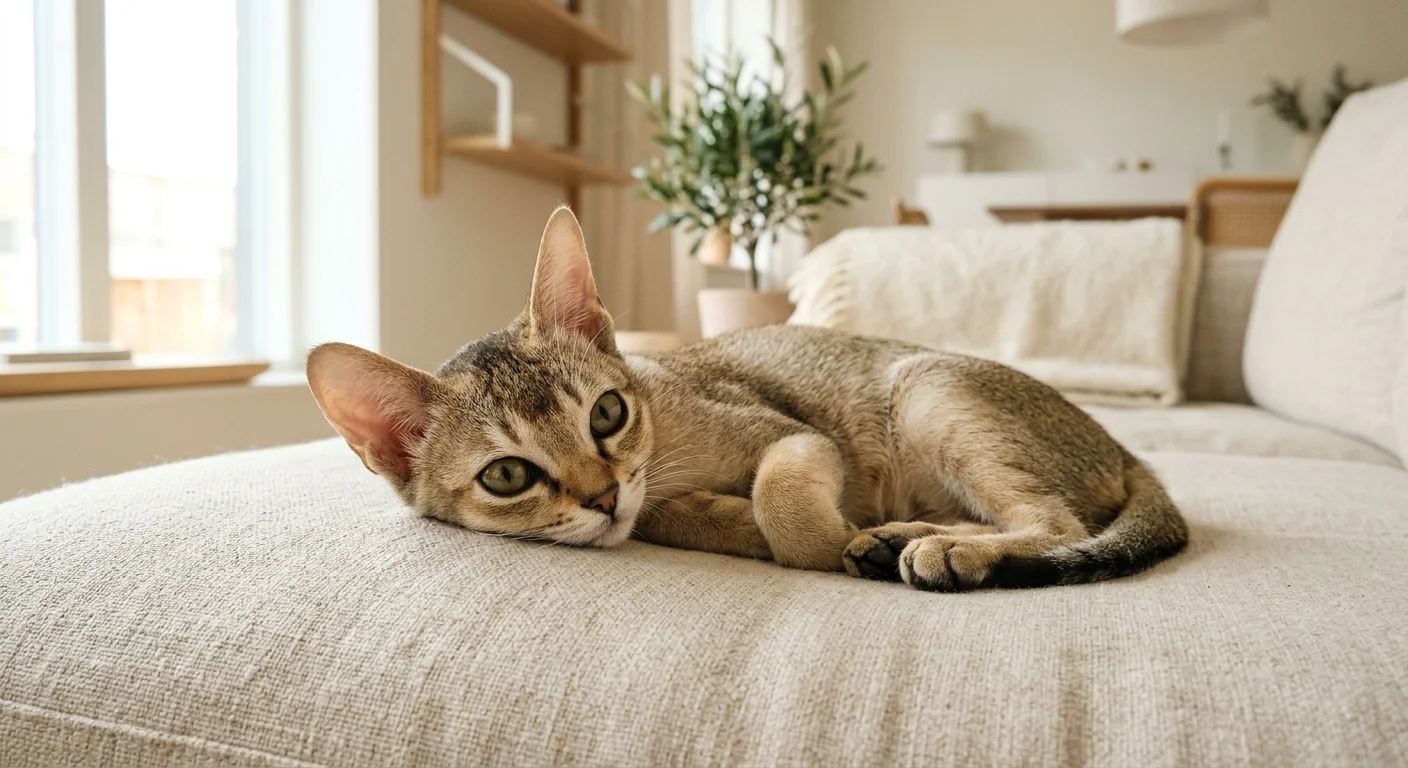
The Singapura holds the distinction of being the smallest recognised domestic cat breed in the world. Despite its petite size, this is a cat packed with personality — curious, mischievous, and endlessly energetic. With large ears, enormous eyes, and a warm sepia-ticked coat, the Singapura is often described as a "pesky people cat" — utterly devoted to human company and determined to be involved in everything that happens around it.
History & Origins
The Singapura's origin story is one of the more complex in the pedigree cat world. The official account holds that American couple Tommy and Hal Meadow discovered small, ticked cats living on the streets of Singapore in the early 1970s and brought them back to the United States, where they established the breed. The first Singapuras were registered with TICA in 1979 and CFA in 1982.
However, later investigation revealed inconsistencies in the Meadows' account, with evidence suggesting the cats had actually been transported from the United States to Singapore, not the other way around. Despite this controversy, the CFA investigated and concluded that no deliberate deception had occurred within the scope of their rules, and the Singapura retained its status as a recognised breed.
Today the Singapura is championed by the Singapore Tourism Board as a national mascot. A bronze statue of a Singapura-type cat stands along the Singapore River, and the cats are affectionately called "Kucinta" (love cat) in their adopted homeland. TICA and CFA grant full championship status.
Appearance
The Singapura is the smallest recognised domestic cat breed, with adults typically weighing 1.8–3.6 kg — females on the lower end, males slightly heavier. Despite their small stature, Singapuras are muscular and well-proportioned, with a surprisingly solid feel when held.
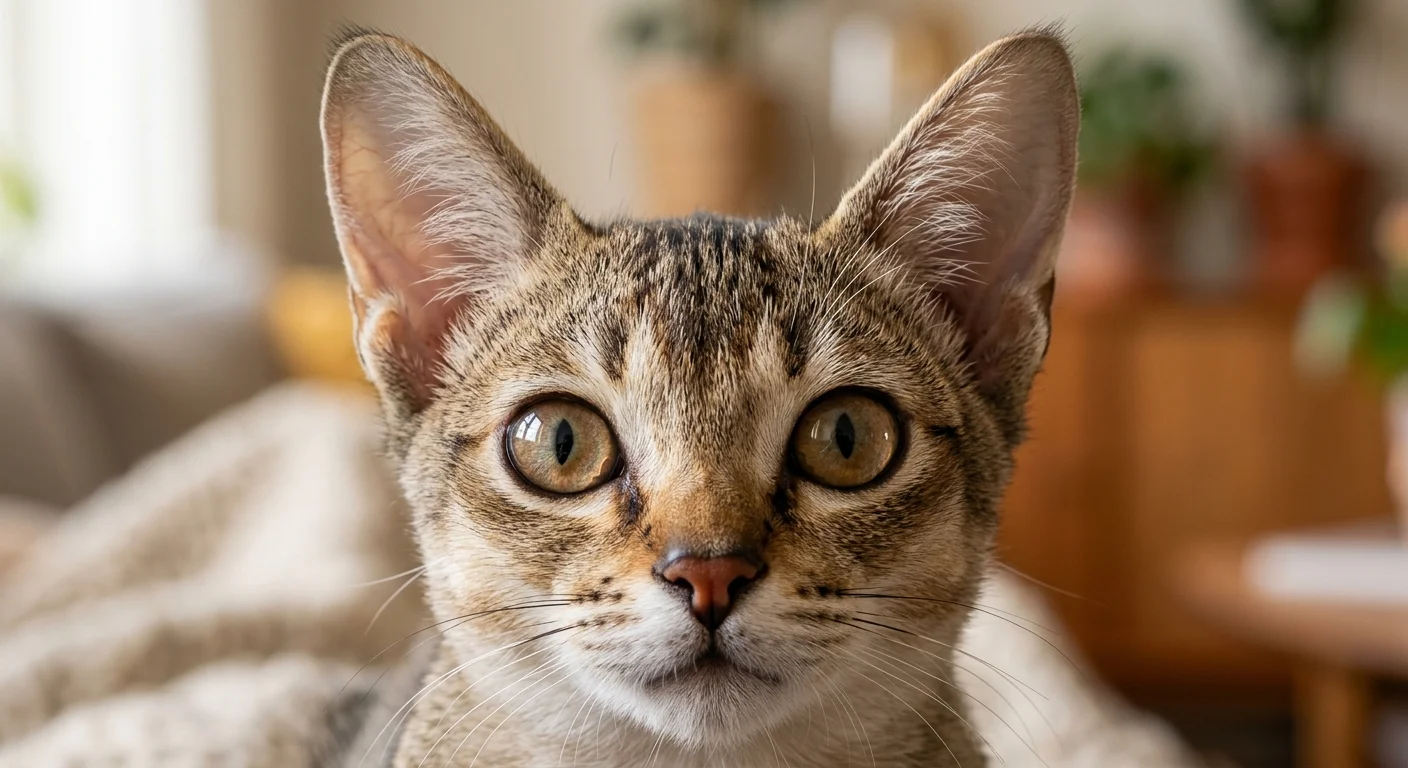
The coat is short, silky, and lies flat against the body. The colour is a warm sepia agouti — a ground colour of warm old ivory with brownish ticking on each hair, creating a subtle, lustrous depth. The muzzle, chin, chest, and inner legs are a lighter, untickedivory. A distinctive dark "M" marking appears on the forehead, and dark lines extend from the inner corners of the eyes.
The head is round with a blunt, medium-short muzzle and enormous, wide-set eyes in hazel, green, or yellow. The ears are large relative to the head, with deep cups and a slightly pointed tip. The overall impression is of a wide-eyed, alert, and endearing face — qualities that make the Singapura instantly recognisable.
Temperament
Singapuras are extroverted, affectionate, and intensely curious. They are keenly interested in everything their owners do and will insert themselves into any household activity — whether that means perching on a shoulder to supervise cooking, batting at a computer keyboard, or squeezing under a blanket to stay close.
This breed is highly sociable and does not cope well with isolation. Singapuras thrive in homes where they have regular company, whether from people or other pets. A lonely Singapura can become anxious or develop unwanted behaviours. Having a companion cat is often recommended if the household is frequently empty.
Despite their tiny size, Singapuras are athletic and agile. They love to climb, perch on high spots, and play energetic games. Interactive wands, puzzle feeders, and fetch are all favourites. Their energy level is high, but they also have a loving, gentle side and enjoy quiet cuddle time with their chosen humans.
Singapuras are gentle with children and generally sociable with other cats and dogs. They are not aggressive or territorial by nature, and their outgoing character makes them easy to introduce to new companions.
Activity & Play
Activity and Exercise Needs
The Singapura is the world's smallest domestic cat breed, but what it lacks in size it more than compensates for in energy, curiosity, and personality. This is an intensely active, inquisitive cat that demands daily engagement.
Energy Level
Expect a high-energy cat that is active throughout the day. Singapuras are perpetually curious and rarely content to sit still for long. Their small size belies a powerful drive to explore, climb, and interact.
Daily Exercise
Plan for at least 20 to 30 minutes of active play per day in two or more sessions. Singapuras maintain kitten-like energy well into adulthood, so this commitment is long-term.
Play Styles
Singapuras love chasing fast-moving toys. Wand toys with feathers, small balls, and laser pointers are all effective. They are agile and quick, so toys that move unpredictably hold their attention longest. Many Singapuras enjoy interactive games with their owners and will solicit play by batting at hands or feet.
Enrichment
Puzzle feeders and rotating toy selections prevent boredom. The Singapura is highly intelligent and needs mental stimulation as much as physical exercise. Hiding small treats around the home engages the breed's natural foraging instinct. Companionship, whether human or feline, is one of the most important forms of enrichment for this social breed.
Vertical Space
Singapuras love heights. Despite their small frame, they are confident climbers. A tall cat tree with multiple platforms is essential. They also enjoy perching on shoulders and the tops of doors.
Indoor vs. Outdoor
The Singapura is best kept as an indoor-only cat. Its small size and trusting nature make it vulnerable outdoors. Supervised garden time or a catio provides safe enrichment without risk.
Grooming
The Singapura's short, fine, close-lying coat is one of the easiest to maintain of any pedigree breed. Shedding is minimal and the coat does not mat. A weekly brush with a soft bristle brush or gentle rubber grooming mitt is sufficient to remove loose hairs and keep the coat's warm sepia ticking looking its best.
The coat has a silky texture and natural sheen that requires no special products. Occasional hand-stroking in the direction of the coat is often enough to keep a Singapura looking well-groomed between brushing sessions.
Routine care includes nail trimming every two to three weeks, regular ear cleaning — the breed's large ears can accumulate wax — and dental hygiene. The Singapura is an ideal breed for owners who want the beauty of a pedigree cat without a demanding grooming schedule.
Health
Singapuras are generally healthy cats with a lifespan of 11–15 years, but the breed has two notable health concerns that prospective owners and breeders should be aware of.
Pyruvate kinase (PK) deficiency is a hereditary condition that affects red blood cell metabolism, leading to haemolytic anaemia. The condition ranges from mild to severe, and DNA testing is available to identify carriers. Responsible breeders test all breeding cats and only pair PK-clear individuals.
Uterine inertia is a reproductive complication in which the uterine muscles fail to contract effectively during labour, making it difficult or impossible for queens to deliver kittens naturally. This condition has been documented frequently enough in the breed that Caesarean sections are common for Singapura litters. Prospective breeders should have access to emergency veterinary care during queening.
Outside of these two conditions, Singapuras are considered a hardy breed. Routine veterinary care and a high-quality diet will support their long-term health.
Nutrition
Nutrition
Feeding a Singapura correctly means accounting for its very small body size while ensuring it receives all the nutrients needed for its surprisingly high energy levels. Overfeeding is an easy mistake given the breed's tiny frame.
Macronutrient Targets
A protein content of 30 to 35% on a dry matter basis is appropriate. Fat should be 12 to 18% to support energy without excessive weight gain on such a small cat. Minimal carbohydrate content is ideal. Calorie density matters: the Singapura needs fewer total calories than larger breeds, so energy-dense foods must be portioned carefully.
Wet vs. Dry Food
Wet food is strongly recommended as the dietary base. It provides hydration, which is critical for urinary tract health, and its lower caloric density makes portioning easier. Dry food can supplement or function as puzzle feeder enrichment, but should not dominate the diet. Aim for 60% or more of calories from wet food.
Feeding Frequency
Kittens: three to four small meals per day. Adolescents 6 to 12 months: two to three meals. Adults: two measured meals per day. Singapuras can be prone to begging due to their small stomachs; measure portions precisely rather than estimating.
Breed-Specific Concerns
The Singapura has a genetic predisposition to pyruvate kinase deficiency, which affects red blood cell metabolism. A diet rich in iron and high-quality protein supports red blood cell health. Some individuals may also develop uterine inertia (in females) or renal issues; regular vet check-ups should include monitoring relevant bloodwork.
Treats
Given the breed's small body, keep treats minimal -- no more than 5 to 8% of daily calories. Tiny pieces of freeze-dried meat are ideal.
Family Fit
Family Fit
The Singapura is a sociable, loving breed that adapts well to a range of household situations. Its small size and gentle temperament make it accessible to many types of owners.
With Children
Singapuras enjoy the company of children who are gentle and calm. Their small frame means rough handling can cause injury or fear, so young children should always be supervised around them and taught to interact softly. Older children who understand respectful interaction will find the Singapura a delightful playmate.
With Other Cats
Singapuras generally do well with other cats, especially when raised together. They are sociable enough to appreciate feline company, and a companion cat is beneficial if the owner is away during the day. Slow introductions produce the smoothest results.
With Dogs
Compatibility with dogs depends on the individual dog's temperament. Calm, gentle dogs coexist well with Singapuras, but the cat's small size means boisterous or prey-driven dogs are a real risk. Always supervise initial interactions and ensure the cat has safe, dog-free zones.
With Elderly Owners
The Singapura's gentle, affectionate nature suits elderly owners who enjoy an interactive companion. Its small size is easy to handle, and while it is energetic, it is not rough or demanding. Older owners should be prepared for the breed's need for daily engagement.
Apartment Living
Singapuras are excellent apartment cats. Their small size and indoor temperament mean they adapt easily to limited square footage, provided they have enrichment and company.
First-Time Owners
A manageable choice for first-time owners, though its social needs are significant. This cat needs company and engagement. First-timers who work long hours should plan for a companion cat or consistent human presence.
Fun Facts
- The Singapura is the world's smallest recognised domestic cat breed — adults commonly weigh less than 3 kg yet are fully muscular and athletic.
- Singapore has embraced the Singapura as a national icon: a bronze statue of the breed, called the "Kucinta" (love cat), stands on the banks of the Singapore River.
- Despite its dainty size, the Singapura has a notably large personality — breeders and owners consistently describe it as a "pesky people cat" that inserts itself into every activity.
- The breed's origins remain contested: official records claim the cats were brought from Singapore, but evidence suggests they may have originated in the United States before being brought to Singapore.
- Singapura queens frequently require Caesarean sections to deliver kittens safely, which is a documented reproductive characteristic of the breed.
FAQ
How long do Singapura cats live?
Singapura cats typically live between 11 and 15 years. With attentive veterinary care, a balanced diet, and a safe indoor environment, many reach the higher end of that range. Regular health screenings help catch conditions like pyruvate kinase deficiency early.
Do Singapura cats shed a lot?
No. The Singapura has a very short, fine, single-layer coat that sheds minimally. A weekly wipe-down with a soft cloth or a quick once-over with a rubber brush is usually all the grooming they need. They are one of the lower-maintenance coats among pedigreed cats.
Are Singapura cats vocal?
Singapuras are moderately vocal. They will chirp or trill to get your attention, but they are not the loud, persistent type. Their voice is soft and sweet, fitting their gentle personality. They prefer to communicate through physical closeness as much as through sound.
Are Singapura cats hypoallergenic?
No cat is truly hypoallergenic, and the Singapura is no exception. However, their short coat and minimal shedding mean they distribute less dander than many long-haired breeds. Allergy sufferers should spend time with a Singapura before adopting to assess personal tolerance.
How much does a Singapura kitten cost?
From a registered breeder, Singapura kittens typically range from $800 to $2,000 depending on pedigree, coat quality, and breeder reputation. The Singapura is one of the rarer breeds, so waiting lists are common. Adoption through rescue is less common but worth exploring.
Are Singapura cats easy to train?
Yes. Singapuras are highly intelligent and respond well to positive reinforcement. They pick up tricks, puzzle toys, and leash training faster than average. Their strong desire to engage with their owners makes training sessions feel like play rather than work.
Gallery
Explore more Singapura-style breeds
Browse related breeds or take our matching quiz to find the right fit for your home.
Stay in the loop
Get weekly breed spotlights, care guides, and new additions - straight to your inbox.