Scottish Fold
loving, sweet, adaptable, gentle
Quick Facts
- Lifespan
- 11-14 years
- Weight
- 2.7-6 kg
- Origin
- Scotland
- Coat
- Short
Overview
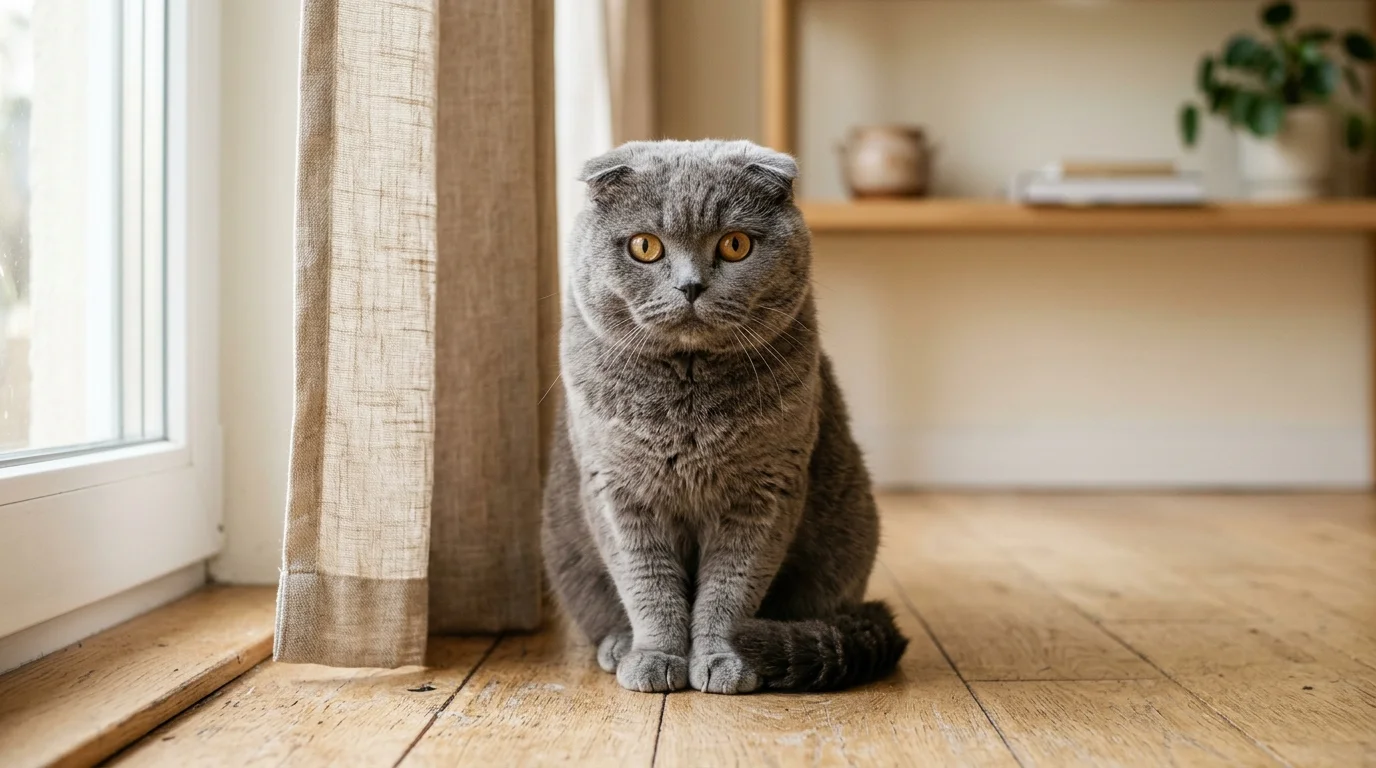
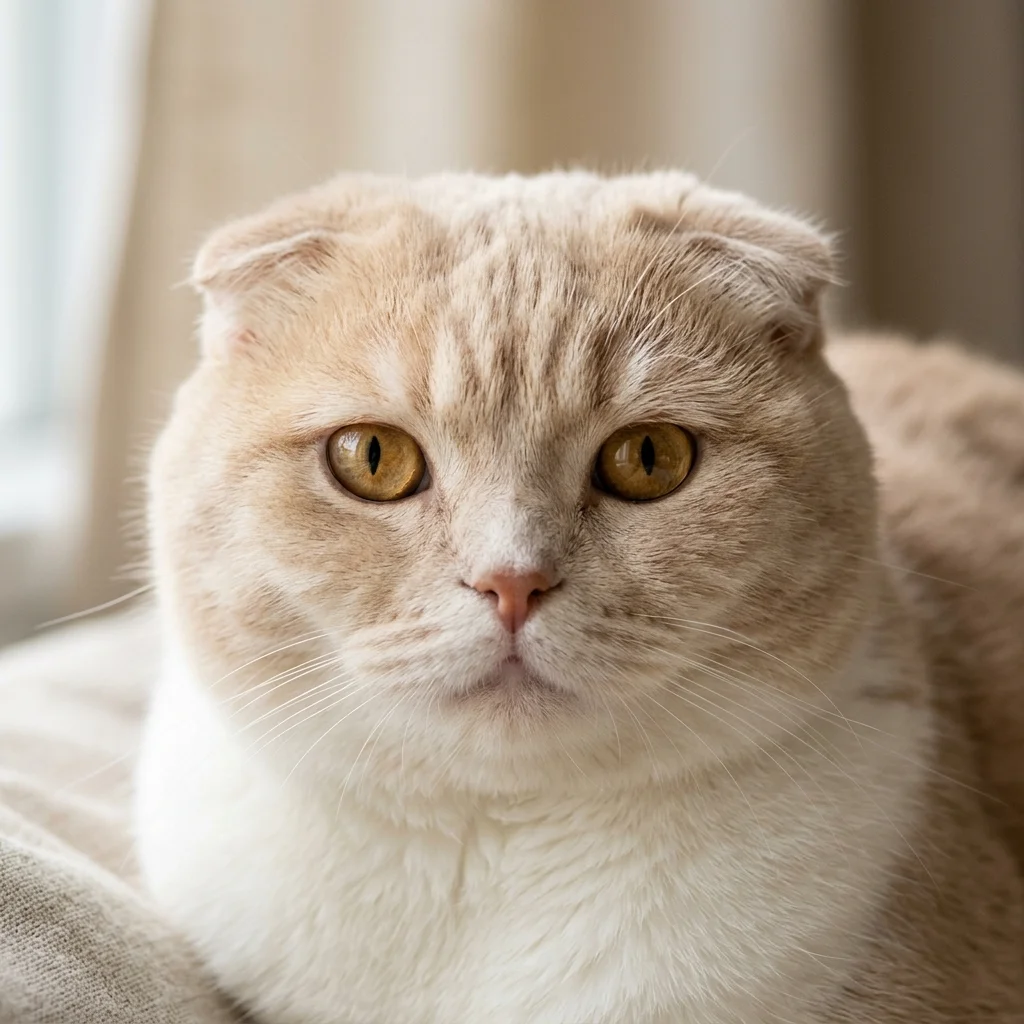
The Scottish Fold is perhaps best known for its uniquely folded ears, which give the cat an owl-like, rounded appearance that has made it one of the most photographed breeds on social media. Behind those distinctive ears is a sweet, calm, and adaptable companion that loves being close to its family. The breed has faced growing scrutiny due to health concerns linked to the same gene that causes the ear fold.
History & Origins
The Scottish Fold traces its origins to a single cat: a white barn cat named Susie, born in 1961 on a farm in the Tayside region of Scotland. Susie had distinctive forward-folded ears caused by a natural genetic mutation. A neighbouring farmer, William Ross, noticed her and, captivated by her unusual appearance, began a selective breeding program after Susie produced folded-eared kittens.
Ross worked with geneticist Pat Turner to develop the breed, crossing Scottish Folds with British Shorthairs and American Shorthairs. The breed was introduced to the United States in the early 1970s and gained CFA recognition in 1973 — though the CFA later suspended registration in 1977 due to health concerns, before re-accepting the breed under updated standards.
Appearance
The Scottish Fold is a medium-sized, rounded cat with a compact, muscular body and a notably round head. The folded ears fold forward and downward, lying close to the skull and accentuating the rounded facial shape. Not all kittens in a litter will have folded ears — straight-eared kittens (called Scottish Straights) are born in every litter.
The coat comes in both short and long varieties and in virtually every colour and pattern. The eyes are large, round, and wide-set, giving the breed its characteristic owl-like expression. The legs are medium-length and the tail is proportionate to body length, though cats affected by osteochondrodysplasia may have a thickened, shortened, or inflexible tail — a warning sign of more severe disease.
Adult males typically weigh 4–6 kg, females 2.7–4 kg.
Temperament
Scottish Folds are exceptionally gentle, loving cats that adapt well to a wide range of home environments. They thrive on companionship and do not do well when left alone for extended periods — a feline or canine companion can help if the owner is frequently away.
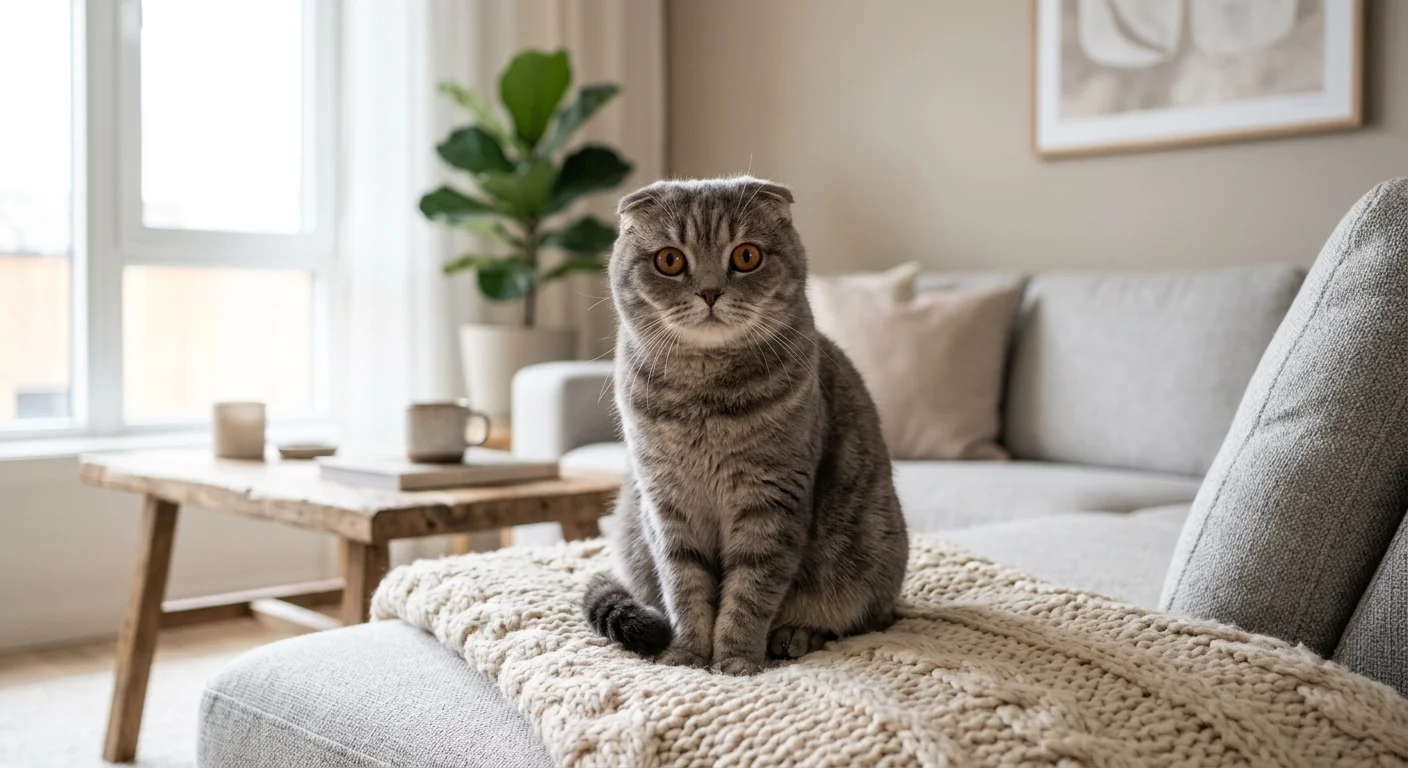
They are not demanding or overly vocal, preferring to express affection through physical closeness. Scottish Folds are well known for sitting in unusual positions — often completely upright like a Buddha or lying flat on their backs with legs stretched out, a posture affectionately called the "Buddha sit."
The breed is gentle and patient with children and generally sociable with other pets, making it a good fit for multi-pet households. They tend to follow their favourite people throughout the house and enjoy participating in household activities.
Activity & Play
Activity & Exercise
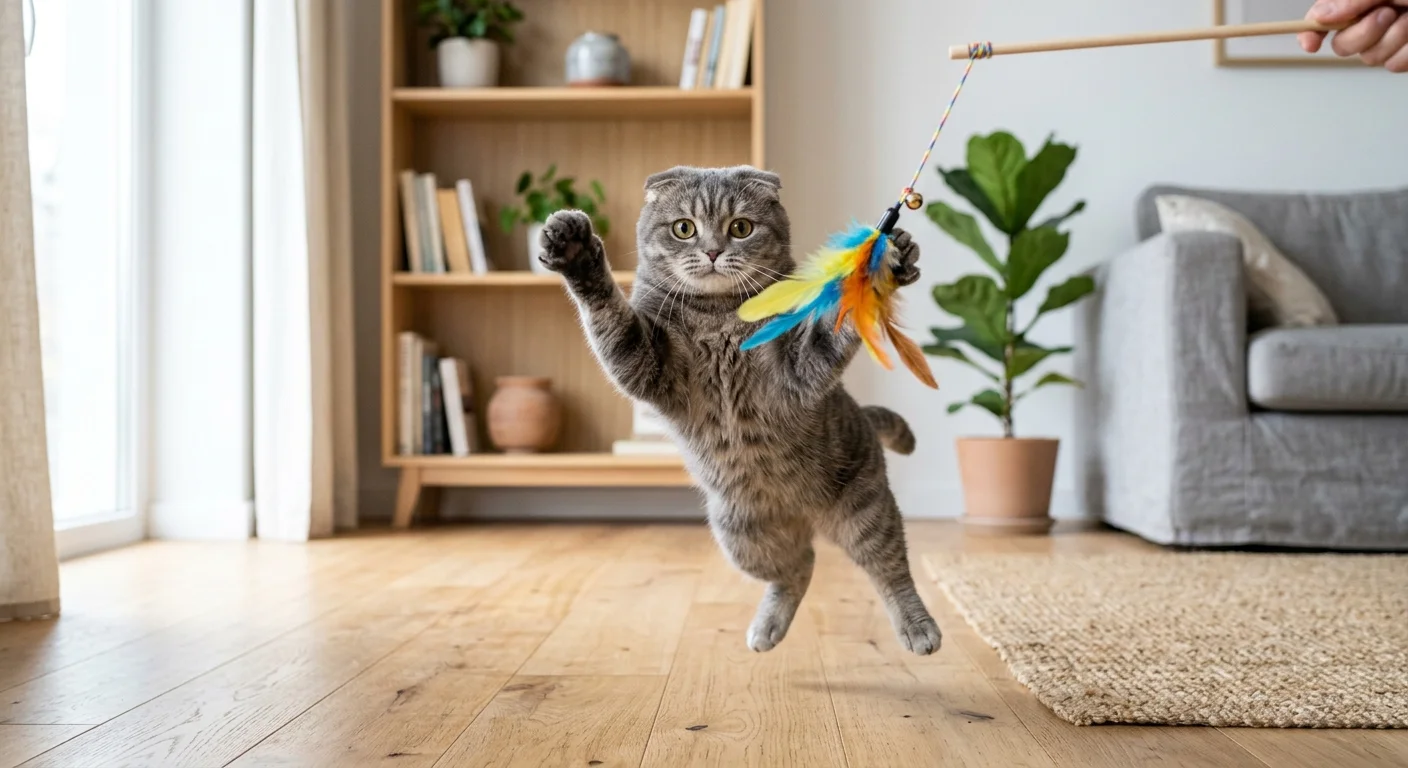
Scottish Folds have a moderate, calm energy level. They enjoy play but prefer shorter, relaxed sessions over prolonged bursts of intense activity. This suits owners who want a companionable cat that engages without being relentlessly demanding.
Aim for 2-3 sessions of 10-15 minutes of gentle interactive play per day. Scottish Folds are not big jumpers or climbers compared to more active breeds, so ground-level and low-level play is often preferred.
Best toys and games:
- Slow-moving feather wands (they enjoy the stalk-and-pounce rhythm)
- Interactive puzzle feeders and food-dispensing toys (great for mental engagement)
- Crinkle balls, soft mice, and catnip toys for solo play
- Laser pointers for gentle chasing
Important health note: Scottish Folds are predisposed to osteochondrodysplasia, a condition affecting cartilage and bone development that can cause joint pain, particularly in the tail, ankles, and lower limbs. Because of this, high-impact exercise (jumping from heights, intense running on hard floors) should be minimized. Low-impact play that does not strain the joints is the appropriate approach. Puzzle feeders and gentle interactive games meet their stimulation needs without putting pressure on vulnerable joints.
Indoor vs. outdoor tolerance: Scottish Folds are well-suited to full indoor life. They do not have strong roaming instincts and are content in apartments and smaller homes as long as they have gentle stimulation and company. A window perch for watching the outside world is a simple addition they genuinely appreciate.
Grooming
Grooming requirements for Scottish Folds vary depending on coat length. The shorthaired variety (the more common type) needs only weekly brushing to remove loose hair and keep the coat looking neat. The longhaired variant — sometimes called the Highland Fold — benefits from brushing two to three times per week to prevent tangling.
Scottish Folds shed moderately throughout the year, with heavier shedding in spring. Regular nail trimming and periodic ear cleaning are important, as the tightly folded ear structure can restrict airflow and create conditions where wax and debris accumulate more easily. Check the ears weekly and clean gently with a vet-recommended ear cleaner.
Health
The Scottish Fold carries a significant welfare concern: the Fd gene responsible for the folded ears also causes feline osteochondrodysplasia (FOCD), a progressive skeletal condition affecting the cartilage and bone throughout the body. All Scottish Fold cats carry at least one copy of this gene, and all are affected to some degree.
Signs include joint stiffness, reduced mobility, lameness, and chronic pain, which can appear as early as 7 weeks of age and worsen throughout life. Homozygous cats (two copies of the gene) are affected far more severely. Several countries, including Australia, Austria, the Netherlands, Norway, and Scotland itself, have enacted breeding bans.
Additional health concerns include polycystic kidney disease (PKD) and hypertrophic cardiomyopathy (HCM). Prospective owners should be fully informed of these welfare considerations before acquiring a Scottish Fold.
Nutrition
Nutrition
Scottish Folds have no exotic dietary requirements, but their tendency toward obesity and their predisposition to joint problems make nutritional choices genuinely important for their long-term wellbeing.
Protein: A diet anchored in high-quality animal protein (chicken, turkey, fish) as the primary ingredient is ideal. Protein maintains muscle mass, which in turn supports joint stability, particularly relevant given the breed's joint health concerns.
Fat: Moderate fat content is appropriate. Omega-3 fatty acids (from fish oil or food with salmon as an ingredient) help manage inflammation in the joints, which is a meaningful benefit for this breed.
Carbohydrates: Low carbohydrates are preferable. Because Scottish Folds tend toward lower activity levels, a carbohydrate-heavy diet can quickly lead to weight gain.
Joint-supportive nutrients: Foods or supplements containing glucosamine and chondroitin can support cartilage health. Some premium cat foods include these for breed-specific formulations; they are worth considering for Scottish Folds.
Wet vs. dry food: Wet food is recommended as the majority of the diet to support hydration and provide high protein with lower carbohydrates. Dental-friendly dry food can be offered as a supplement.
Feeding schedule:
- Kittens: 3-4 meals per day
- Adults: 2 strictly portioned meals per day
- Seniors: 2 meals per day, adjusted for lower activity; consider senior formulas with joint support
Breed-specific considerations: Weight management is critical. Scottish Folds that become overweight put additional strain on joints already compromised by their genetic condition. Measure portions carefully, resist free-feeding, and monitor body condition regularly.
Family Fit
Family Fit
Scottish Folds are affectionate, calm, and adaptable cats that fit into a wide variety of household types. Their gentle temperament makes them one of the more universally suitable breeds.
Families with children: Scottish Folds are patient and tolerant, which works well in family settings. They enjoy gentle interaction and are unlikely to react aggressively to children. However, given the breed's joint health concerns, it is important to teach children not to bend the cat's tail or handle it roughly. Supervised interaction is recommended with very young children.
Other cats: Scottish Folds are generally good with other cats. Their non-aggressive nature means introductions tend to go smoothly, and they often appreciate feline companionship.
Dogs: They typically coexist well with calm, cat-friendly dogs. Their confident but relaxed temperament means they are not easily panicked by dog presence.
Elderly owners: An excellent choice for seniors. Scottish Folds are affectionate without being demanding, enjoy quiet companionship, and their moderate play needs are easy to meet. They are devoted lap cats for owners who want a calm, loving companion.
Apartment dwellers: Among the best breeds for apartment living. Low exercise demands, quiet temperament, and no need for outdoor access make them ideal for smaller spaces.
First-time cat owners: A good match. Their gentle, predictable personality and moderate care needs make them manageable for new owners. The main consideration is being aware of their joint health and scheduling regular veterinary checkups to monitor for osteochondrodysplasia-related issues.
Fun Facts
- Taylor Swift's Scottish Folds, Meredith Grey and Olivia Benson, are among the most famous cats in the world and have appeared in music videos and advertisements.
- Not all Scottish Fold kittens are born with folded ears — kittens' ears start straight and may begin to fold (or not) between 3 and 4 weeks of age.
- The breed's distinctive "Buddha sit" — sitting upright with hind legs stretched out — is a widely shared pose on social media.
- Susie, the founding cat of the breed, was a white farm cat discovered in Scotland in 1961.
- Scotland, the very country the breed is named after, has banned the breeding of Scottish Folds due to welfare concerns.
FAQ
Frequently Asked Questions
How long do Scottish Folds live?
Scottish Folds typically live 11 to 15 years with good care. Their lifespan can be affected by the severity of osteochondrodysplasia, the inherited joint condition linked to the fold gene. Regular veterinary monitoring and maintaining a healthy weight can help maximize quality of life and longevity.
Do Scottish Folds shed a lot?
Short-haired Scottish Folds shed moderately and require weekly brushing. Long-haired Scottish Folds (sometimes called Scottish Fold Longhairs) shed more and benefit from brushing 2-3 times per week to prevent tangles and reduce loose hair around the home.
Are Scottish Folds vocal?
Scottish Folds are generally quiet cats. They communicate with a soft voice and are not known for excessive meowing or demanding vocalization. This makes them considerate companions in apartments or shared living spaces.
Are Scottish Folds healthy cats?
This is a nuanced question. The folded ears that give the breed its name are caused by a genetic mutation affecting cartilage development throughout the body, not just the ears. All Scottish Folds carry some degree of osteochondrodysplasia risk. Breeding two fold-eared cats together significantly increases health problems, so responsible breeders only pair a fold-eared cat with a straight-eared cat. If you are buying a Scottish Fold, choose a breeder who screens for health issues and can discuss their breeding approach honestly.
How much does a Scottish Fold kitten cost?
Scottish Fold kittens from reputable breeders typically cost between $1,000 and $2,500 USD. Prices vary by location, breeder reputation, and coat length. The higher price range reflects responsible breeding practices that prioritize health screening.
Are Scottish Folds good apartment cats?
Yes, they are among the best apartment breeds. Their moderate activity level, quiet nature, and contentment with indoor life make them well-suited to smaller living spaces. They do need regular gentle play and companionship, but do not require outdoor access or large areas to roam.
Gallery
Explore more Scottish Fold-style breeds
Browse related breeds or take our matching quiz to find the right fit for your home.
Stay in the loop
Get weekly breed spotlights, care guides, and new additions - straight to your inbox.