Norwegian Forest Cat
friendly, intelligent, energetic, independent
Quick Facts
- Lifespan
- 12-16 years
- Weight
- 3.6-9 kg
- Origin
- Norway
- Coat
- Long
Overview
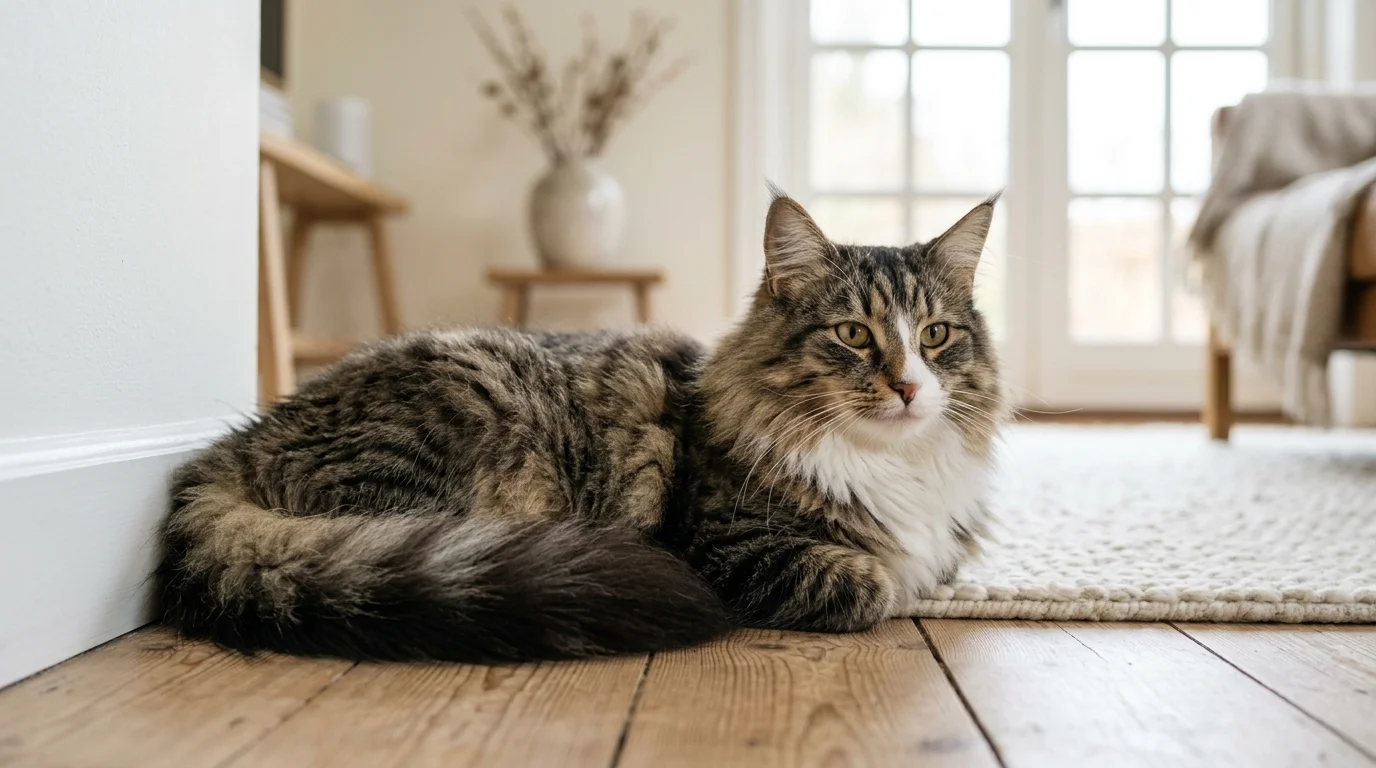
The Norwegian Forest Cat — known in Norway as the Norsk Skogkatt, or simply "Wegie" — is a large, majestic breed built for the rugged Scandinavian outdoors. With a thick, water-resistant double coat, tufted paws, and a powerful frame, this cat looks every bit the forest survivor it once was. Yet behind the wild exterior lies a gentle, affectionate companion that loves family life.
History & Origins
The Norwegian Forest Cat has a history stretching back thousands of years in Scandinavia, with possible origins as a working farm cat and ship's cat used by the Vikings. Norse mythology features a large cat said to have been a companion of the goddess Freya, which many believe was a Norsk Skogkatt.
By the mid-20th century, the breed was at risk of extinction due to crossbreeding with domestic shorthair strays. Norwegian cat enthusiasts formed the first breed club in the 1970s and established a formal breeding program. The breed was presented to the Norwegian royal family and designated Norway's national cat by King Olav V.
The Cat Fanciers' Association (CFA) granted full Championship status in 1993. The breed is also recognised by TICA, FIFe, and GCCF.
Appearance
The Norwegian Forest Cat is a large, muscular breed with a substantial bone structure and powerful hindquarters. Males typically weigh 5.5–7.5 kg; females are smaller at 3.5―5.5 kg. The breed matures slowly and may not reach full size until age 3–5.
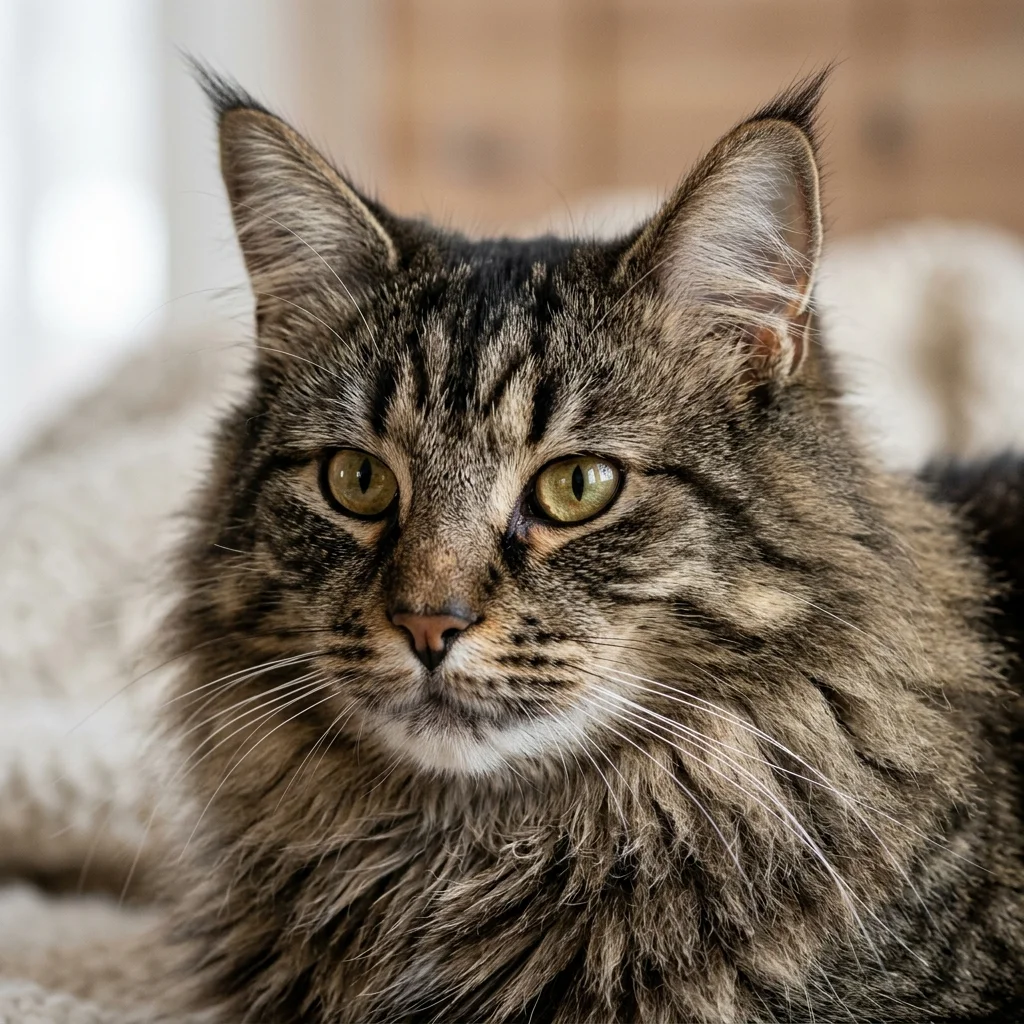
The most distinctive physical features are the long, water-resistant double coat and the large, tufted paws adapted for walking on snow. The ears are medium to large with lynx-tipping at the tips, and tufts of fur grow inside the ears and between the toes.
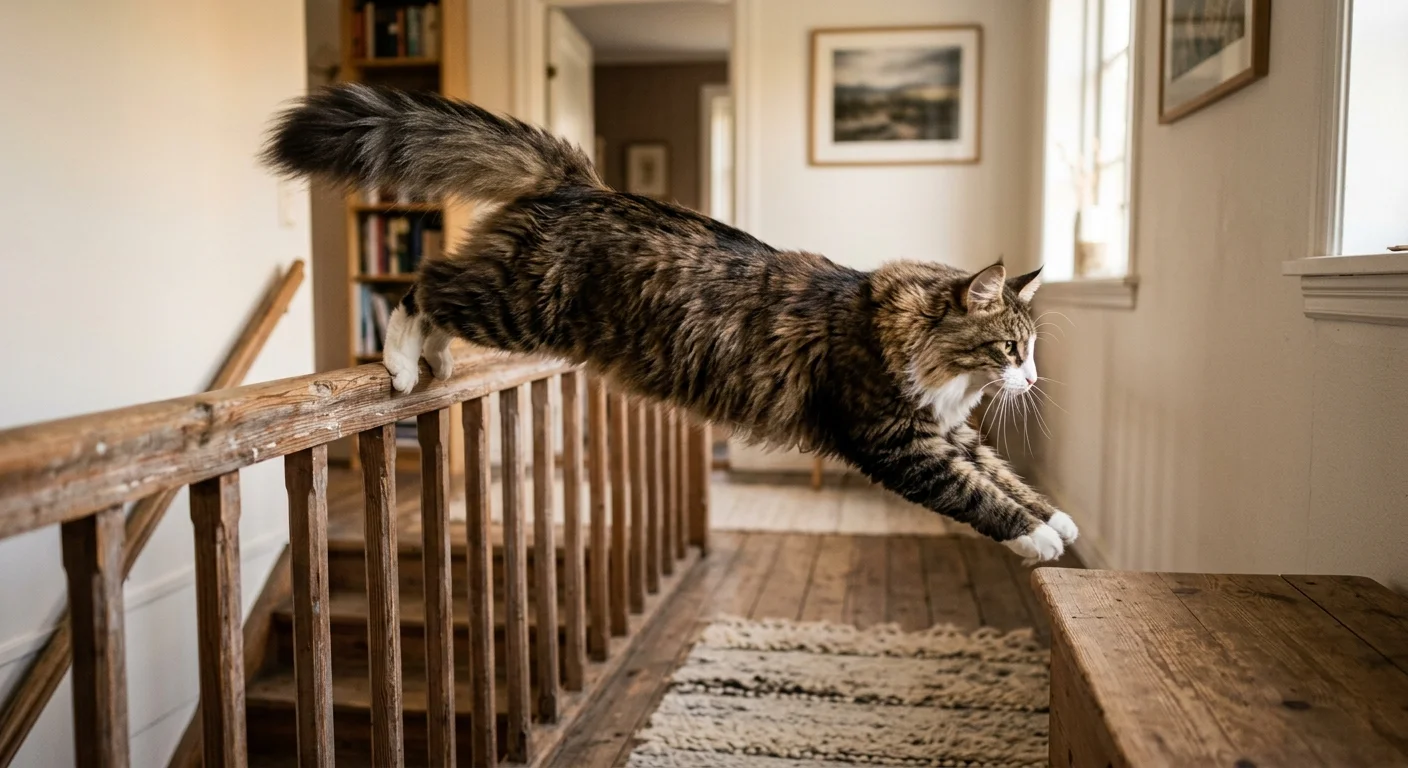
The coat comes in almost all colours and patterns, with a particularly impressive ruff around the neck and a bushy, full tail. The hind legs are slightly longer than the front legs, giving the cat a characteristic ready-to-spring posture.
Temperament
Norwegian Forest Cats are friendly and sociable, but also quietly independent. They enjoy being part of a household without demanding constant attention — affection happens on their terms, and they are rarely clingy or intrusive. That said, they form deep bonds with their families and enjoy being in the same room.
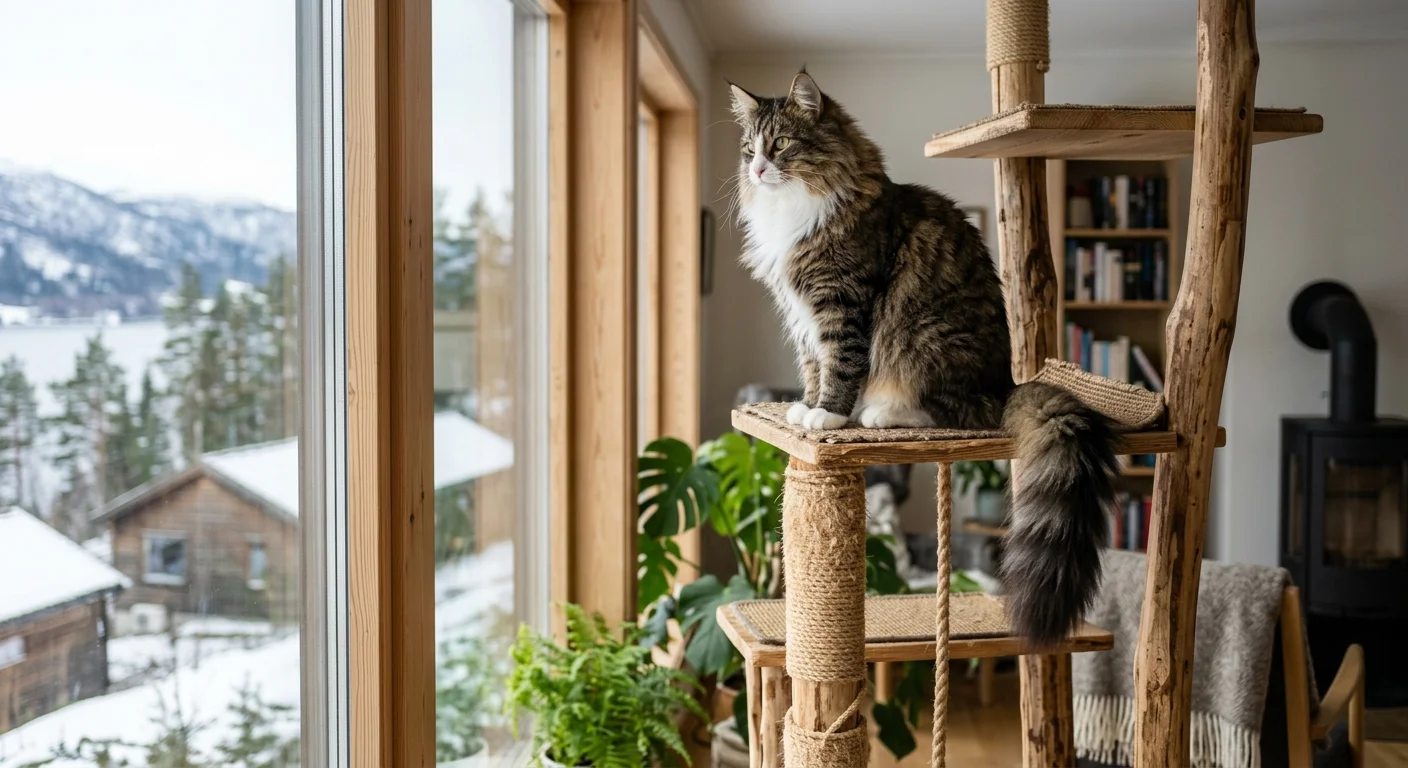
Wegies are athletic and energetic, with a particular love of climbing. They are natural-born climbers who will explore every tall bookcase and cat tree in the home. Interactive play is important for mental stimulation, and they enjoy games that engage their hunting instincts.
They are generally good with children and other pets — patient and tolerant without being pushovers. Their calm, even temperament makes them adaptable to most household situations, including those with dogs.
Activity & Play
Activity & Exercise
Norwegian Forest Cats are athletically built, naturally active cats with deep climbing instincts rooted in their history as outdoor Scandinavian working cats. They need regular physical activity and environmental enrichment to stay healthy and content.
Aim for 15-30 minutes of active play per day, split into 2 sessions. Because of their size (adults can weigh 9-20 lbs / 4-9 kg), maintaining a healthy weight through regular activity is particularly important.
Best toys and games:
- Wand toys that encourage jumping and pouncing
- Fetch (many Wegies will retrieve small toys)
- Cat wheels (suitable for their size and energy level)
- Puzzle feeders and foraging toys for mental stimulation
- Crinkle balls and plush prey toys
Climbing is essential. Norwegian Forest Cats are natural, enthusiastic climbers. A tall, sturdy cat tree with high platforms is not optional for this breed; it is a genuine wellbeing requirement. Wall-mounted shelves and cat walkways are also excellent. Without vertical climbing opportunities, Wegies may attempt to scale bookshelves, curtains, and door frames.
Indoor vs. outdoor tolerance: Norwegian Forest Cats have a strong outdoors affinity from their heritage, but they adapt well to full indoor life if given sufficient enrichment and vertical space. If outdoor access is available, a secure enclosed garden or catio is a good compromise. They are hardy cats that tolerate cold climates well due to their thick double coat, but an indoor life with ample stimulation suits them fine. Note that Wegies mature slowly and maintain a kitten-like enthusiasm for play until around age 5.
Grooming
The Norwegian Forest Cat's dense, water-resistant double coat is surprisingly manageable for its length. The coat consists of a woolly undercoat insulated by long, glossy guard hairs that repel moisture — a practical adaptation to cold climates.
During most of the year, combing with a stainless-steel comb two to three times per week is sufficient to prevent mats and manage shedding. During seasonal coat changes in spring and autumn, the Wegie sheds heavily and daily brushing may be needed. Unlike some longhaired breeds, the coat rarely mats badly when regularly maintained.
The coat is somewhat self-maintaining outdoors, but indoor cats benefit from consistent grooming attention. Regular ear cleaning, nail trimming, and dental care complete the routine.
Health
Norwegian Forest Cats are generally healthy and long-lived, with a typical lifespan of 14–16 years. Two hereditary conditions have been identified in the breed: glycogen storage disease type IV (GSD IV), a rare but fatal metabolic disorder caused by a recessive gene mutation, and hypertrophic cardiomyopathy (HCM).
Responsible breeders now routinely test for GSD IV, and the prevalence has declined significantly as a result. HCM screening via echocardiogram is also recommended, particularly for breeding cats. Hip dysplasia has occasionally been reported in the breed.
The Norwegian Forest Cat's large size means it can be prone to obesity if not given adequate activity. A diet appropriate for its size and energy level, combined with regular veterinary check-ups, supports a long, healthy life.
Nutrition
Nutrition
Norwegian Forest Cats are large, active cats with a thick double coat, and their nutritional needs reflect both their size and their coat maintenance requirements.
Protein: Aim for a diet with 30-40% or more protein from quality animal sources (chicken, turkey, fish, or lamb). Higher protein supports lean muscle mass in a breed that can grow quite large.
Fat: A fat content around 15-20% is appropriate. Omega-3 and omega-6 fatty acids are particularly important for maintaining the Wegie's dense double coat and keeping the skin healthy underneath. Fish-based foods or fish oil supplements are beneficial.
Carbohydrates: Low is better. Wegies can be prone to weight gain, particularly as they age and become less active. Grain-heavy foods are not ideal.
Wet vs. dry food: Wet food as the primary component of the diet helps with hydration, which is important for kidney health. Norwegian Forest Cats can be reluctant to drink enough water independently. Dry food can supplement the diet for dental benefits. Total daily calorie needs for adults typically range from 430-580 calories, depending on age, sex, and activity level, but this should be calibrated to your individual cat's condition.
Feeding schedule:
- Kittens: 3-4 meals per day (they grow slowly over 4-5 years)
- Adults: 2 meals per day with portioned amounts
- Seniors: 2 meals per day; monitor weight carefully as activity decreases
Breed-specific considerations: Glycogen storage disease type IV is a rare but known hereditary condition in Norwegian Forest Cats. While dietary management cannot prevent this, responsible breeders test for it. Obesity prevention through portion control is the main nutritional priority for the breed across their lifetime.
Family Fit
Family Fit
Norwegian Forest Cats are sociable, adaptable, and good-natured cats that fit well into a wide range of household types. Their calm confidence and friendly temperament make them excellent family companions.
Families with children: Wegies are patient and gentle with children. They are sturdy enough to handle family life without being easily overwhelmed, and their playful nature makes them engaging companions for older children. With very young toddlers, supervision is advisable as with any cat, but the Norwegian Forest Cat's temperament is genuinely child-friendly.
Other cats: Norwegian Forest Cats tend to get along well with other cats, particularly when introductions are managed gradually. Their sociable nature means they often welcome feline companionship.
Dogs: Generally good with cat-friendly dogs. Their size and confident temperament mean they can hold their own without becoming fearful, which makes cohabitation with calm dogs relatively straightforward.
Elderly owners: A reasonable match for active seniors who can engage them in play and provide climbing structures. Less ideal for those seeking a very low-energy lap cat, as Wegies need daily activity. However, their affectionate side and loyalty to their family make them rewarding companions.
Apartment dwellers: Manageable in apartments with sufficient vertical space. A tall cat tree and regular play sessions compensate for the lack of outdoor access. Their size means they do appreciate some room to move, so very small studio apartments may feel constraining.
First-time cat owners: A reasonable choice for first-time owners who enjoy an active, engaging cat. Their grooming needs (a thick double coat that requires weekly brushing, more during seasonal shedding) are manageable but should be factored in.
Fun Facts
- The Norwegian Forest Cat is Norway's official national cat, designated by King Olav V.
- Norse mythology describes a cat so large that even the god Thor could not lift it — many believe this was inspired by the Norsk Skogkatt.
- Unlike most cats, Wegies are excellent at descending trees head-first, thanks to their strong, rotating hind claws.
- The breed almost went extinct mid-20th century and was saved by a dedicated group of Norwegian breeders in the 1970s.
- Norwegian Forest Cats are slow to mature — they may not reach full physical development until 3 to 5 years of age.
FAQ
Frequently Asked Questions
How long do Norwegian Forest Cats live?
Norwegian Forest Cats typically live 12 to 16 years with good care. Their robust build and generally healthy genetics mean they can live long, active lives when given appropriate nutrition, veterinary care, and enrichment.
Do Norwegian Forest Cats shed a lot?
Yes, they shed, particularly during seasonal coat changes in spring and autumn. Their thick double coat releases significant amounts of hair twice a year. Weekly brushing throughout the year and daily brushing during shedding seasons helps manage the hair and keeps the coat free of tangles. Their coat is not prone to matting as long as it is brushed regularly.
Are Norwegian Forest Cats vocal?
Moderately vocal. Wegies communicate with a soft chirp or trill rather than a demanding meow. They will let you know when they want attention or food, but are not persistently noisy. Most owners find their vocalizations charming.
Are Norwegian Forest Cats good for people with allergies?
Norwegian Forest Cats are not hypoallergenic. Their thick double coat means they carry more dander than short-haired breeds, and they are a poor choice for people with significant cat allergies. Regular grooming and vacuuming can reduce airborne allergens but will not eliminate them.
How much does a Norwegian Forest Cat kitten cost?
Kittens from reputable breeders typically cost between $800 and $1,500 USD, though prices vary by country and breeder. Show-quality kittens or cats from champion lines may cost more.
Are Norwegian Forest Cats the same as Maine Coons?
No, though they look similar. Norwegian Forest Cats and Maine Coons are distinct breeds with separate origins. Wegies tend to have a more triangular head profile, a straighter nose, and an almond-shaped eye set compared to the Maine Coon's more square muzzle and wider-set eyes. Both are large, friendly longhaired breeds, but their temperaments and origins differ.
Gallery
Explore more Norwegian Forest Cat-style breeds
Browse related breeds or take our matching quiz to find the right fit for your home.
Stay in the loop
Get weekly breed spotlights, care guides, and new additions - straight to your inbox.