Exotic Shorthair
calm, affectionate, gentle, quiet
Quick Facts
- Lifespan
- 8-15 years
- Weight
- 3.5-6 kg
- Origin
- United States
- Coat
- Short
Overview
The Exotic Shorthair is often called the "lazy man's Persian" — a breed that combines the Persian's sweet, gentle temperament and distinctive flat-faced appearance with a short, plush coat that's far easier to care for. Calm, affectionate, and quietly devoted, the Exotic Shorthair is an ideal companion for those who love the Persian personality but prefer lower grooming demands.
History & Origins
The Exotic Shorthair was created in the early 1960s when American Shorthair breeders began crossing their cats with Persians, primarily to obtain the Persian's silver colouring and green eyes. The resulting kittens had a distinctly different appearance to the American Shorthair, and in 1966 breeder Jane Martinke proposed a new breed standard. The CFA recognised the Exotic Shorthair as a distinct breed that same year.
The early breed standard was refined over subsequent decades, with outcrossing to Burmese and Russian Blues adding diversity. Today, only Persian crosses are permitted in pedigree standards. TICA has recognised the breed since 1979.
The Exotic Shorthair is now consistently one of the most popular pedigree breeds in the United States, frequently ranking among the top five in CFA registration figures.
Appearance
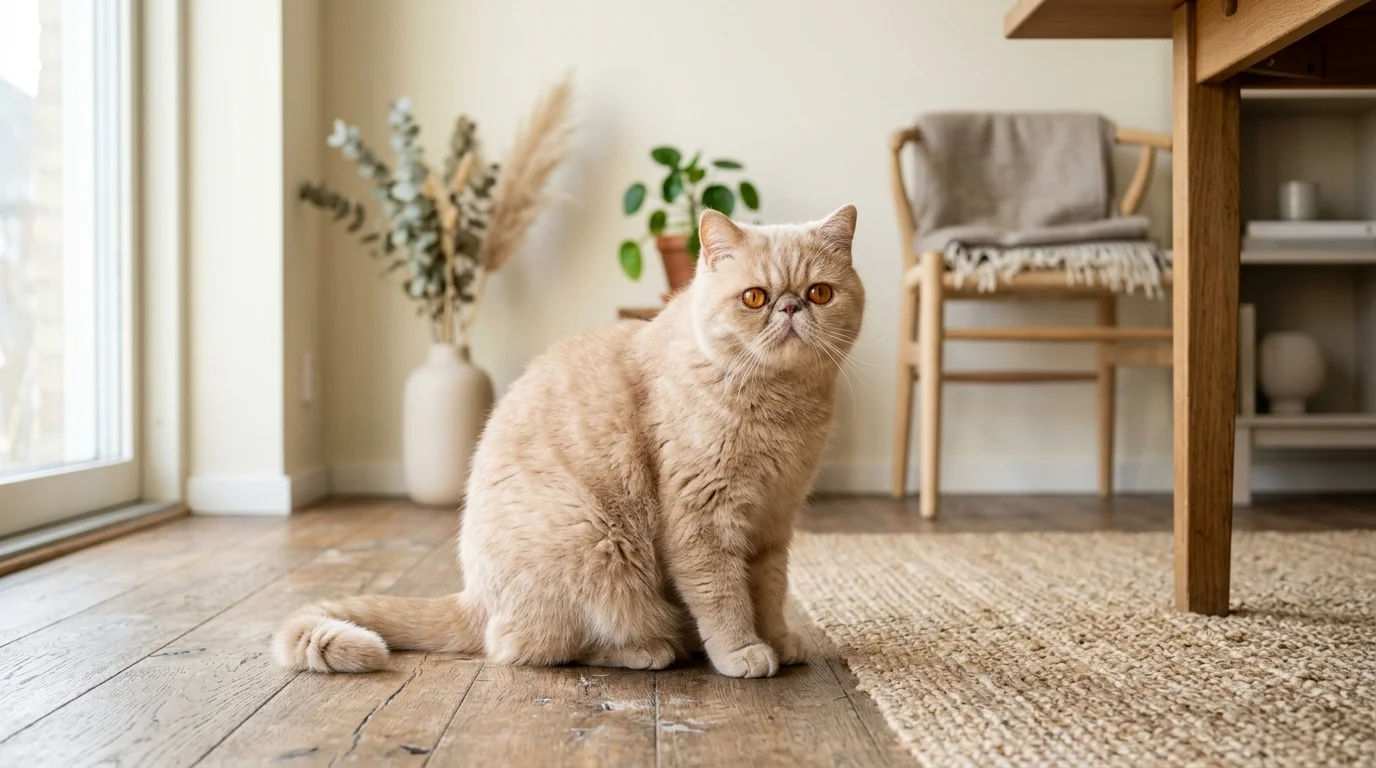
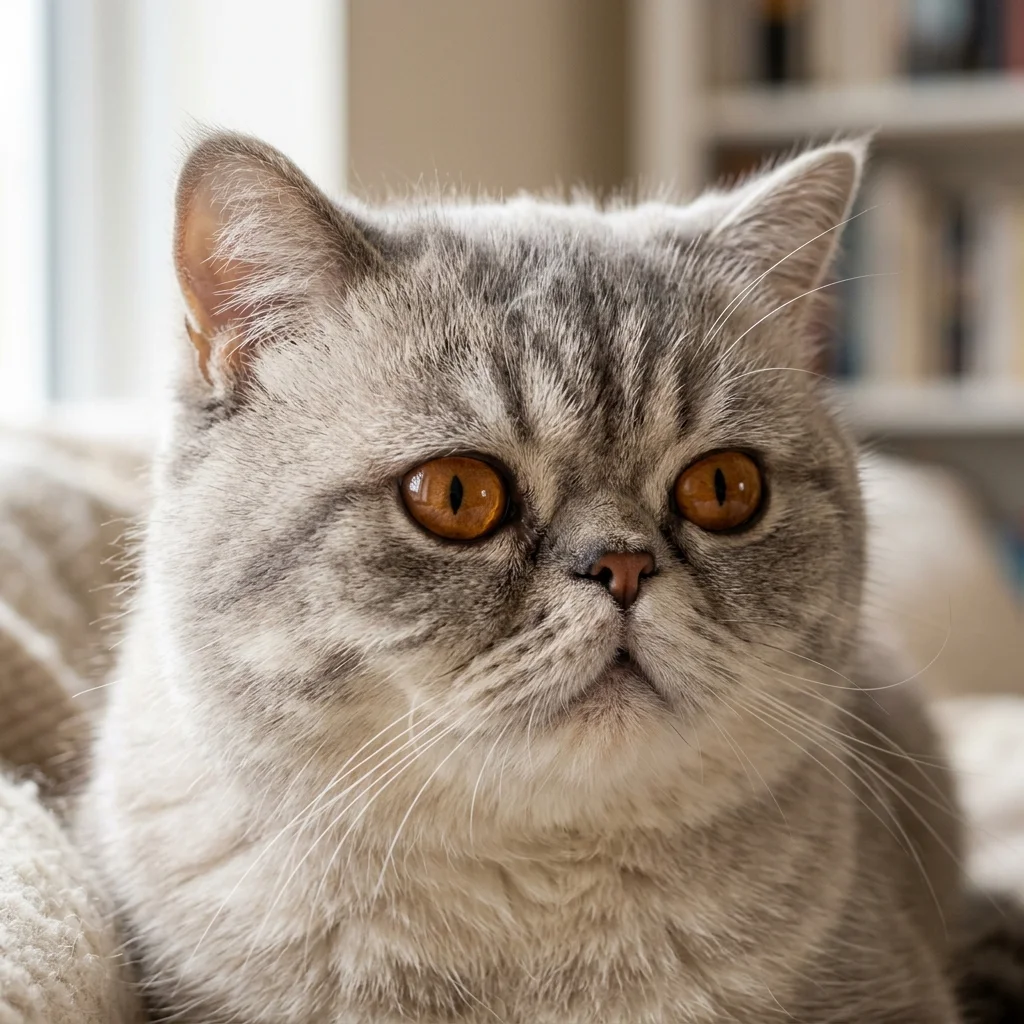
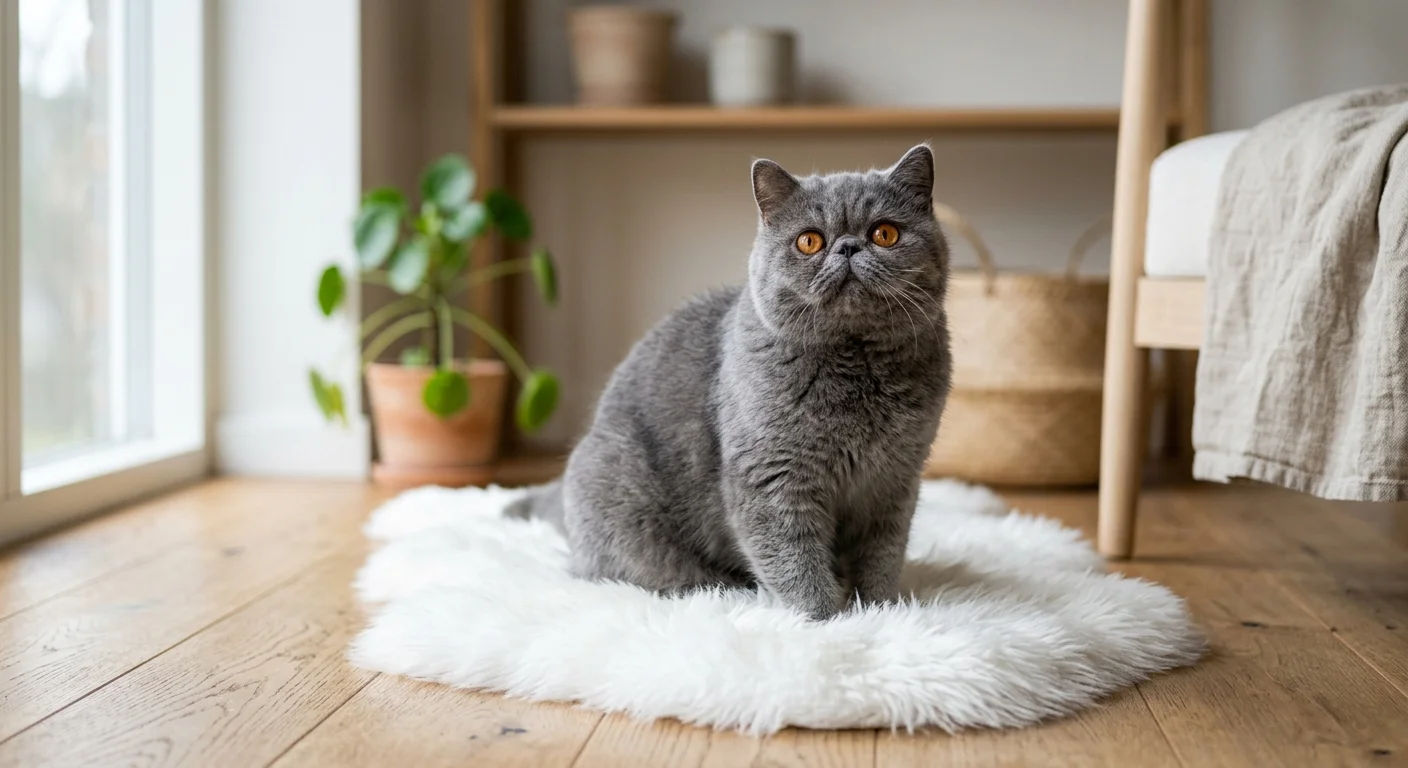
The Exotic Shorthair has the same body type as the Persian: a low, cobby frame with a broad, round head, full cheeks, and a very flat nose. The coat is short to medium in length but exceptionally dense and plush, standing away from the body rather than lying flat — giving the cat a distinctly teddy-bear appearance.
The eyes are large, round, and wide-set, coming in colours that complement the coat. The ears are small and round-tipped, set wide apart on the rounded head. The legs are short and thick-boned, with large, round paws.
Exotics come in virtually every colour and pattern recognised in Persians. Males typically weigh 4–6 kg, females 3–5 kg.
Temperament
Exotic Shorthairs inherit the Persian's calm, gentle disposition — they are laid-back, quiet, and deeply affectionate without being demanding. They prefer a peaceful home environment and are not well suited to chaotic or loud households.
They bond closely with their families and enjoy being near their people without necessarily requiring constant interaction. Unlike some breeds, the Exotic is content to sit close by and watch without needing to be the centre of attention at all times. They are not especially vocal.
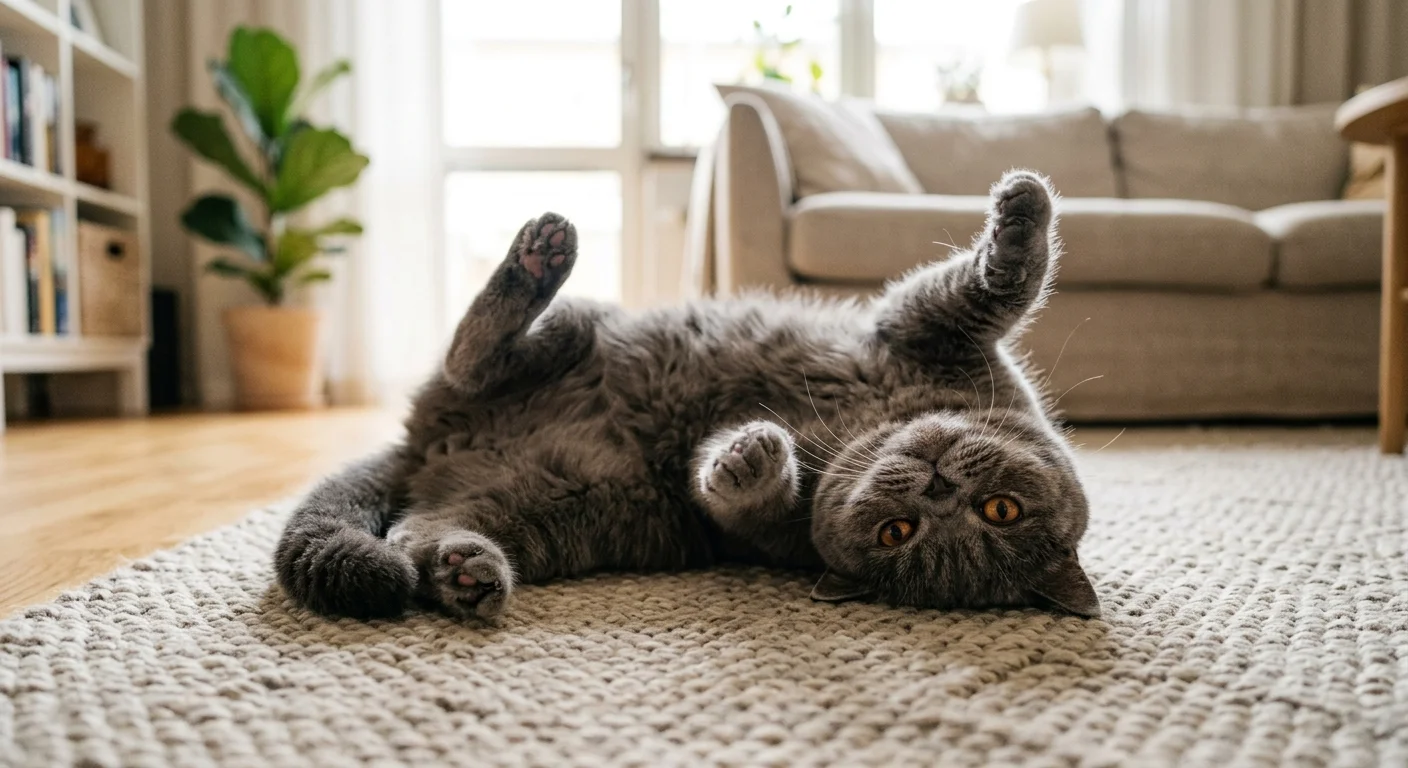
Exotics are playful in a gentle, unhurried way — they enjoy toys and short play sessions but are equally happy simply lounging in a sunny spot. They are generally good with respectful children and can coexist with other calm pets.
Activity & Play
Activity & Exercise
Exotic Shorthairs have a calm, easygoing energy level. They enjoy play when invited but are equally content lounging in a sunlit spot. Their activity needs are modest compared to most breeds, which is one reason they appeal to people who want an affectionate companion without the demands of a high-energy cat.
Aim for 2 sessions of 10-15 minutes of play per day. Exotic Shorthairs will not typically self-initiate vigorous exercise, so their owners need to engage them. Once play begins, they participate enthusiastically before returning to their preferred resting spots.
Best toys and games:
- Feather wands and slow-moving ribbon toys
- Puzzle feeders (great for mental stimulation without high physical demand)
- Laser pointers for gentle chasing
- Crinkle balls and small plush mice
- Interactive toy mats
Climbing and jumping: Exotic Shorthairs are not particularly inclined toward climbing or jumping to high places. Ground-level and mid-level play is their preference. A cat tree with a comfortable elevated platform for watching the room is appreciated, but they will not typically scale it at speed.
Indoor vs. outdoor tolerance: Exotic Shorthairs are well suited to full indoor life. Their flat face (brachycephalic structure) means they can overheat more easily than other breeds in warm outdoor conditions, so climate-controlled indoor environments are preferable. They adapt well to apartments and smaller homes and are genuinely content without outdoor access, provided they have companionship and regular play.
Grooming
The Exotic Shorthair's short, dense, plush coat is significantly easier to maintain than the Persian's long coat. Weekly brushing with a soft-bristle brush or rubber grooming mitt is generally sufficient to remove loose hairs and keep the coat looking neat.
The breed sheds seasonally and more heavily in spring and autumn — during these periods, brushing two to three times per week helps manage the increased hair loss. An occasional bath may be beneficial during heavy shedding season.
The flat face and large eyes create prominent tear duct channels that can overflow, leaving rust-coloured streaks on the face. Daily wiping of the eye corners with a damp cloth prevents staining and discomfort. The facial folds should also be kept clean and dry to prevent skin irritation.
Health
Like the Persian, the Exotic Shorthair is a brachycephalic breed — its flat face can cause breathing difficulties (brachycephalic obstructive airway syndrome), eye problems, and dental crowding. Tear duct overflow (epiphora) is common and requires daily management.
Polycystic kidney disease (PKD) is a hereditary condition that can affect Exotic Shorthairs; responsible breeders test for the PKD1 gene mutation and breed only from negative cats. Corneal sequestrum — a brown or black deposit on the cornea — can also occur.
The breed's relatively low activity level means obesity is a real risk if diet is not monitored. With good care, Exotic Shorthairs typically live 12–15 years, though some individuals with more extreme facial structure may face greater health challenges.
Nutrition
Nutrition
Exotic Shorthairs are obligate carnivores with specific dietary needs shaped by their flat-faced anatomy and tendency toward weight gain. A high-quality, protein-rich diet is the foundation of their health.
Protein and Fat Targets
Look for cat food where animal protein is the first listed ingredient. Kittens benefit from food providing around 30% protein to support rapid growth, while adult Exotic Shorthairs do well on formulas offering at least 25-30% protein on a dry-matter basis. Fat content should be moderate, typically 15-20%, providing energy and supporting the absorption of fat-soluble vitamins. Keep carbohydrates low, as cats have limited ability to digest them efficiently.
Wet Food Priority
Wet food is particularly important for Exotic Shorthairs. This breed is prone to polycystic kidney disease (PKD), and adequate moisture intake supports kidney function. Wet food provides roughly 70-80% moisture, compared to around 10% in dry kibble. A mixed approach, combining wet food as the primary diet with measured amounts of dry kibble, works well for most Exotics.
Feeding Frequency by Age
- Kittens (up to 12 months): 3-4 small meals per day to support growth
- Adults (1-7 years): 2 meals per day, with portions sized to maintain a healthy weight
- Seniors (7+ years): 2 meals per day; consult your vet about kidney-supportive formulas
Weight Management
Exotic Shorthairs are less active than many breeds, making portion control essential. Obesity worsens their brachycephalic breathing difficulties and increases the risk of heart disease. Avoid free-feeding once your cat reaches adulthood. Use a measuring cup and adjust portions based on your vet's guidance and your cat's body condition score.
Breed-Specific Dietary Concerns
- PKD support: High moisture intake and phosphorus-controlled diets can help protect kidney health
- Flat-face feeding: Some Exotics find it easier to eat from wide, shallow bowls that accommodate their short muzzle
- Avoid excess carbohydrates: These contribute to weight gain and blood sugar fluctuations
- Taurine: Ensure your food contains adequate taurine, an essential amino acid for heart and eye health in all cats
When in doubt, consult your veterinarian about the best food for your individual cat's age, weight, and health status.
Family Fit
Family Fit
Exotic Shorthairs are affectionate, calm, and adaptable cats that suit a wide range of households. They share the Persian's gentle temperament but in a more compact, lower-maintenance package.
Families with children: Exotic Shorthairs are patient and tolerant, making them a good match for families with children. They are not easily frightened or provoked, and their calm nature means they tend to handle family activity levels well. Teaching children to handle pets respectfully is always important, but this breed is generally forgiving.
Other cats: They typically get along with other cats, especially when introductions are handled gradually. Their non-threatening, relaxed demeanor means they rarely provoke conflict in multi-cat households.
Dogs: Generally coexist peacefully with calm, cat-friendly dogs. They are not easily intimidated by dog presence and will establish their own space quietly.
Elderly owners: An excellent choice for seniors. Their low activity demands, affectionate nature, and preference for close companionship make them deeply satisfying companions for those who want a loving, undemanding cat.
Apartment dwellers: Among the best apartment breeds. Low exercise needs, no requirement for outdoor access, and a quiet temperament make them ideal for smaller living spaces.
First-time cat owners: A very good match. Their manageable grooming needs (short, plush coat that requires weekly brushing rather than daily maintenance), gentle temperament, and moderate play requirements make them accessible for new owners. The main consideration is their flat-faced structure, which requires regular face cleaning and attention to breathing health.
Fun Facts
- The Exotic Shorthair is sometimes called the "teddy bear cat" because of its dense, plush coat and round, cuddly appearance.
- Grumpy Cat, the internet-famous feline known for her permanently displeased expression, was likely a mixed breed with Exotic Shorthair heritage.
- The breed was created almost by accident: American Shorthair breeders crossed to Persians for coat colour and inadvertently produced an entirely new breed.
- Despite their calm disposition, Exotics are more playful than their Persian cousins and enjoy short bursts of activity with toys.
- The Exotic Shorthair has been one of the top five most registered breeds with the CFA for many consecutive years.
FAQ
Frequently Asked Questions
How long do Exotic Shorthairs live?
Exotic Shorthairs typically live 12-15 years, with some reaching 16 years under attentive care. Their flat-faced anatomy can contribute to health complications that affect longevity, so regular vet check-ups are important.
Do Exotic Shorthairs shed a lot?
Yes, they shed a moderate amount. Their dense, plush coat benefits from brushing two or three times per week to remove loose hair and prevent matting, particularly around the neck and belly. They shed more noticeably during seasonal changes in spring and fall.
Are Exotic Shorthairs vocal?
Exotic Shorthairs are quiet cats. They communicate with soft, gentle meows and are far less vocal than breeds like Siamese or Bengals. They express their needs calmly, making them well suited to quieter households.
Are Exotic Shorthairs hypoallergenic?
No cat is truly hypoallergenic, and Exotic Shorthairs are not considered low-allergen cats. They produce the Fel d 1 protein in their saliva and skin secretions, which is the primary allergen for most cat-sensitive people. Regular brushing and keeping living areas clean can help reduce allergen levels.
Can Exotic Shorthairs be trained?
Exotic Shorthairs are intelligent enough to learn basic routines such as using a scratching post or responding to their name. However, they are generally laid-back and less driven by play or tricks than more active breeds. Positive reinforcement with treats works best.
How much does an Exotic Shorthair cost?
From a reputable breeder, Exotic Shorthairs typically cost between $1,200 and $2,500 or more, depending on coat color, lineage, and location. Adopt-don't-shop options occasionally arise through breed-specific rescue organizations at a lower cost.
Do Exotic Shorthairs do well in hot climates?
Not ideally. Their brachycephalic airways make them sensitive to heat and humidity. They should always live indoors with access to air conditioning in warm weather. Overheating is a genuine health risk for flat-faced cats.
Gallery
Explore more Exotic Shorthair-style breeds
Browse related breeds or take our matching quiz to find the right fit for your home.
Stay in the loop
Get weekly breed spotlights, care guides, and new additions - straight to your inbox.