American Bobtail
intelligent, interactive, social, adaptable
Quick Facts
- Lifespan
- 11-15 years
- Weight
- 3-7 kg
- Origin
- United States
- Coat
- Medium
Overview
Overview
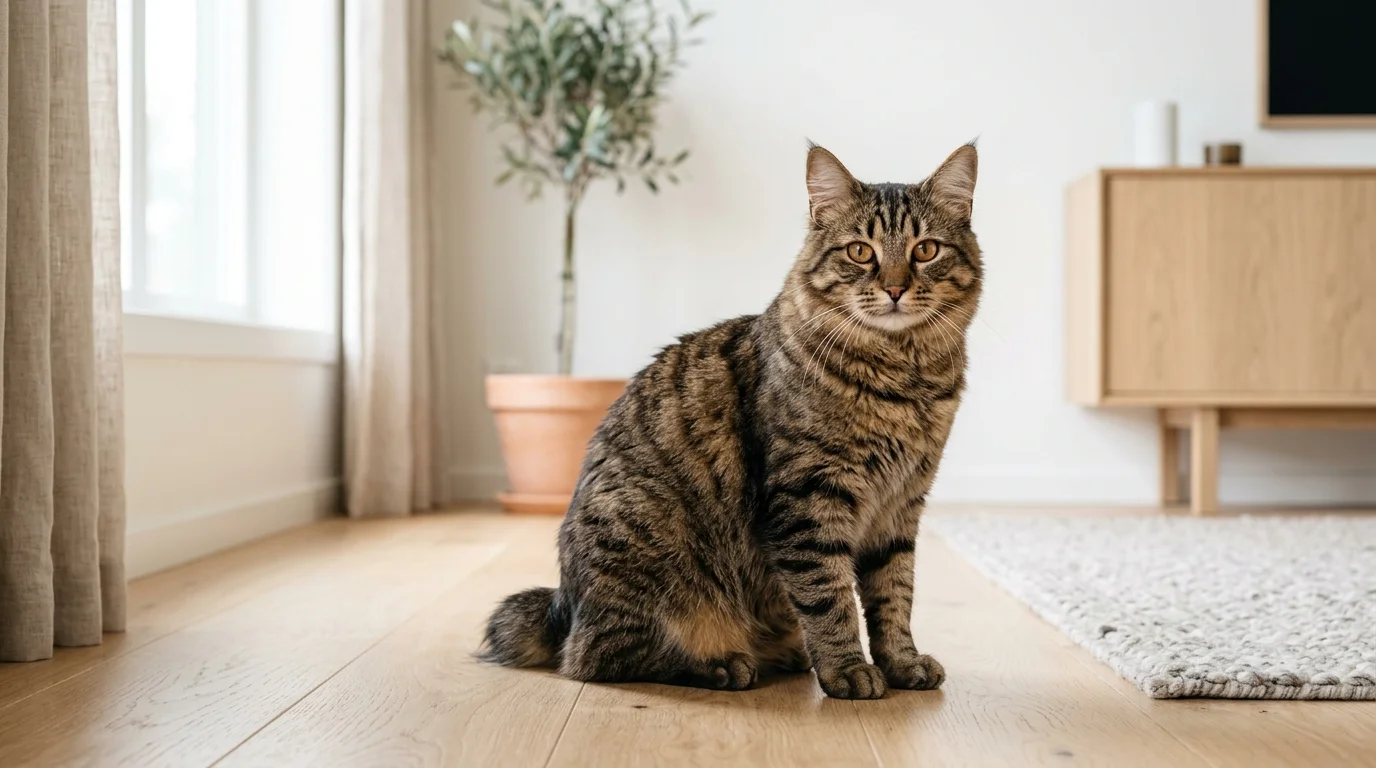
The American Bobtail is a medium-to-large domestic cat instantly recognizable by its naturally short, bobbed tail — roughly one-third to one-half the length of a normal cat's tail. Despite a wild, rugged appearance complete with a prominent brow ridge and athletic build, this breed is entirely domestic in temperament. American Bobtails are celebrated for their dog-like loyalty, adaptability, and sensitivity to human emotions, making them one of the most versatile family cats. They come in both short and long coat varieties and are accepted in virtually all colors and patterns. Recognized by both the CFA and TICA, the breed typically weighs 3–7 kg and lives 11–15 years.
History & Origins
History
The American Bobtail's story began in the late 1960s in Arizona, where a young couple named John and Brenda Sanders discovered a wild-looking short-tailed brown tabby kitten named Yodie. When Yodie was bred with a seal point Siamese female, a number of the kittens were born with short tails — demonstrating that the bobtail mutation is dominant and can be inherited from a single parent.
Early breeders collaborated to develop the American Bobtail using naturally occurring bobtailed cats from across North America, with no single cat founding the entire line. This approach created a breed with remarkable genetic diversity. TICA officially recognized the American Bobtail in 1989, and CFA followed with full championship recognition in 2000.
Unlike some breeds that trace back to one or two foundation cats, the American Bobtail's broad gene pool means it closely resembles the naturally occurring bobtailed cats still found roaming across the continent.
Appearance
Physical Characteristics
The American Bobtail is a medium-to-large cat with a powerful, rectangular body and broad chest that conveys athletic capability. The most iconic feature is the naturally short tail, which typically measures 2.5–10 cm (1–4 inches) and may be straight, slightly curved, or have a slight kink.
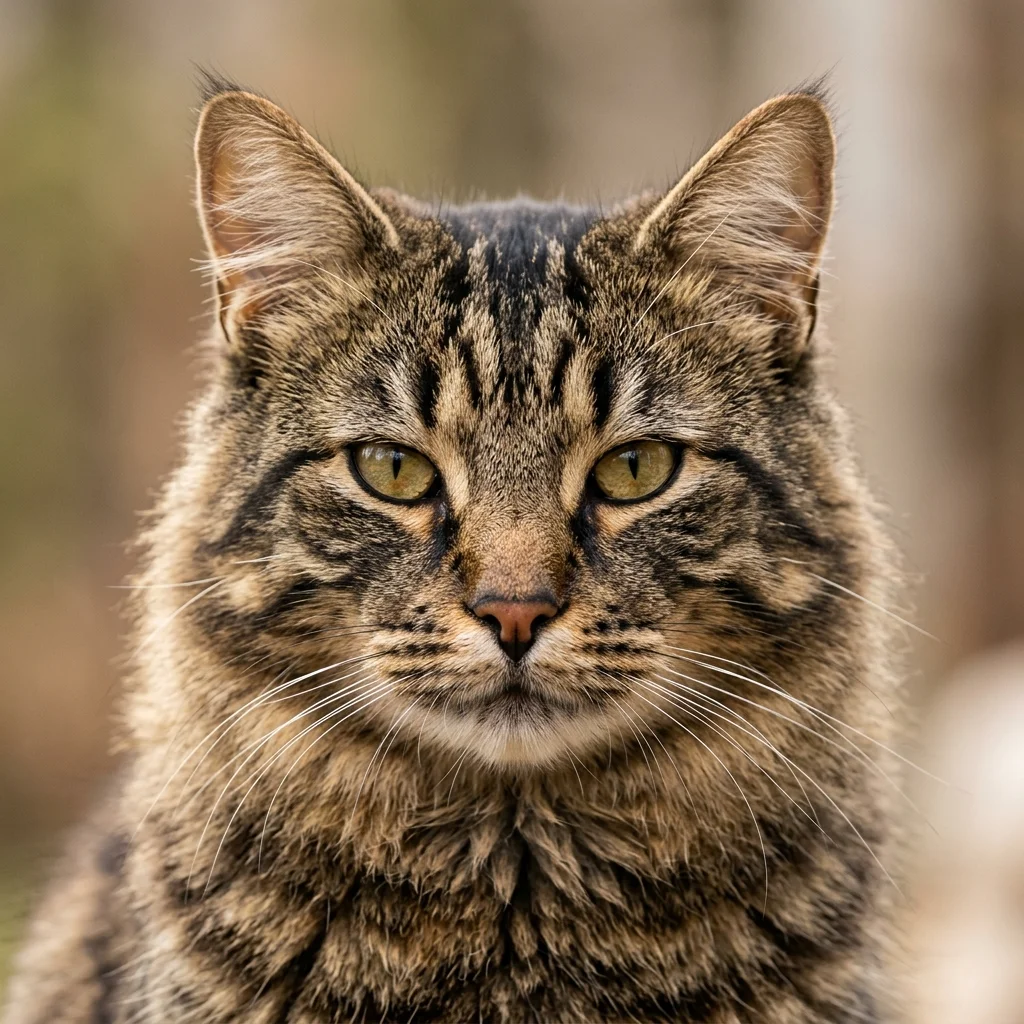
Head: Broad, modified wedge shape with a prominent brow ridge that creates a deep-set, intent "hunting gaze."
Eyes: Large, almond-shaped, and slightly angled; all eye colors are accepted and often coordinate with coat color.
Coat: Double coat, medium to long in length; shorthaired variety has a resilient plush feel, while longhaired coats are silky with feathering on the ears, belly, and tail.
Size: Weight ranges 3–7 kg; males tend to be noticeably larger than females.
Colors: All colors and patterns are accepted, including tabbies, tortoiseshells, colorpoints, and solids.
Temperament
Temperament
American Bobtails are famously described as having a dog-like personality. They form deep bonds with their entire family and have a special sensitivity to human moods — a trait that has made them popular therapy animals in settings ranging from special needs classrooms to PTSD support programs.
These cats are highly intelligent and interactive. They enjoy games of fetch, can be leash-trained, and often invent their own hunting games with their owners. While not overly demanding, they communicate through a distinctive vocabulary of chirps, trills, and soft chirring sounds rather than typical meows.
American Bobtails are easygoing with children, dogs, and other cats. They tend to be social but not clingy — content to be near their people without needing constant attention. Their adaptability makes them excellent travel companions, and some even thrive on road trips.
Activity & Play
Activity Level and Exercise Needs
The American Bobtail is a moderately high energy cat with a wild-looking appearance that accurately hints at its alert, athletic nature. Despite looking like a miniature bobcat, it is a domesticated breed that fits well into family life, provided it receives adequate physical and mental stimulation.
Daily Exercise
Plan for 30 to 40 minutes of active play per day. The American Bobtail has good stamina and prefers sustained engagement over quick bursts. Morning and evening play sessions work well and align with the breed's naturally active periods. They do not typically become destructive when bored, but they do become vocal and persistent in seeking attention.
Play Styles
The American Bobtail enjoys predatory play above all. Feather wands, toy mice, and anything that mimics the erratic movement of prey engage them strongly. They also play fetch with enthusiasm and are among the few cat breeds that retrieve consistently. Interactive electronic toys work well for busy days when dedicated play time is limited.
Vertical Space
The American Bobtail is a capable climber and benefits from tall cat trees and elevated perches. Their sturdy, muscular build means they need robust climbing furniture rather than lightweight options. A solid cat tree near a window gives them the vantage point and outdoor observation they enjoy.
Indoor vs. Outdoor
The American Bobtail can be kept entirely indoors with adequate enrichment. Their wild-type appearance and athletic build make some owners want to give them outdoor access, but unsupervised outdoor roaming carries significant risks. A secure catio or supervised leash walks in a harness satisfy their outdoor curiosity safely.
Enrichment
Puzzle feeders, foraging toys, and rotating toy selections keep the American Bobtail mentally sharp. They also benefit from environmental variety, such as rearranging furniture or introducing new scratching surfaces, which gives them new areas to explore and investigate.
Grooming
Grooming
The American Bobtail comes in two coat lengths — shorthaired and longhaired — and both are surprisingly easy to maintain. The coat has a natural, slightly shaggy texture and is resistant to matting.
Short coat: Weekly brushing with a soft slicker brush is sufficient to remove loose hair and keep the coat looking tidy.
Long coat: Brush two to three times per week to prevent any tangles, especially around the ruff, belly, and britches.
Occasional bathing can help reduce shedding during heavy molt periods. Beyond coat care, routine nail trimming every 2–3 weeks, regular ear checks, and dental hygiene complete the grooming routine. American Bobtails are generally cooperative during grooming sessions when introduced to brushing early.
Health
Health
The American Bobtail is generally a robust breed with no widespread genetic diseases. However, the natural tail mutation deserves attention:
- Spinal and hip issues: Some cats with very short or kinked tails can develop spinal abnormalities that may lead to mobility problems. Responsible breeders screen for this.
- Incontinence: Completely tailless cats (which occasionally appear in litters) may experience bowel or bladder control issues due to nerve involvement.
- Slow maturation: American Bobtails take 2–3 years to reach full physical maturity, so growth should be monitored over a longer period than most breeds.
With a balanced diet, regular veterinary check-ups, and maintained vaccination schedules, a healthy American Bobtail can live 11–15 years. Spaying or neutering is recommended to reduce the risk of reproductive cancers.
Nutrition
Feeding Your American Bobtail
The American Bobtail is a medium to large breed with a sturdy, muscular build. Nutrition should support its athletic frame without contributing to the overweight condition that this breed can be prone to as it ages and becomes less active.
Macronutrient Guidelines
High-quality animal protein should dominate the American Bobtail's diet, making up 35 to 40% of dry matter content. Chicken, turkey, and fish are appropriate primary protein sources. Fat content of 15 to 20% supports energy needs and coat health. The American Bobtail's coat, which can be either shorthaired or longhaired, benefits from omega-3 and omega-6 fatty acids. Carbohydrate content should be kept low to moderate.
Wet vs. Dry Food
A combination of wet and dry food is well-suited to the American Bobtail. Wet food contributes to hydration and urinary health, while dry food can be portioned and used in puzzle feeders to engage the breed's problem-solving tendencies. Avoid leaving dry food out continuously unless portion monitoring is in place.
Feeding Frequency
Two measured meals per day works well for adult American Bobtails. Their metabolism is steady rather than unusually fast, so consistent portioning prevents gradual weight gain. Kittens need three to four meals daily through 12 months of age. Senior cats may benefit from adjusted portions as their activity level decreases.
Breed-Specific Concerns
The American Bobtail is susceptible to weight gain, particularly in middle age. Monitor body condition regularly and reduce portion sizes as the cat's activity level naturally decreases with age. Their generally robust digestive health means food transitions should be gradual but do not require special handling beyond standard recommendations. Consult a veterinarian before making significant dietary changes or if unexpected weight fluctuations occur.
Family Fit
Is the American Bobtail Right for Your Family?
The American Bobtail is often described as dog-like in its loyalty and adaptability. It forms strong bonds with its family, gets along well with respectful children and other pets, and tolerates changes in routine better than many other cat breeds.
With Children
American Bobtails are patient, interactive, and robust enough for active households. They enjoy play-based interaction and tolerate being handled well, making them a sound choice for families with children. Younger children should be supervised, but the breed's tolerant temperament reduces the likelihood of fear-based scratching.
With Other Cats
The American Bobtail generally does well with other cats when properly introduced. They are not particularly territorial and adapt to multi-cat households with patience. They often form close bonds with compatible companions and can become playful, engaged housemates for feline friends of similar energy levels.
With Dogs
The American Bobtail is one of the more dog-tolerant cat breeds. Their confident, non-fearful temperament means they approach dogs with curiosity rather than panic. Dog households work well when the dog is calm and respectful. The breed's size and athletic build means it can hold its own in a mixed-species household.
For Elderly Owners
The American Bobtail is a good fit for active seniors who want a social, engaging companion. Their moderate exercise needs and affectionate temperament suit retired owners who can provide regular interaction. For those with very limited mobility, the breed's energy level may feel demanding.
For Apartments
Apartments work for the American Bobtail provided climbing structures and regular play are incorporated into the environment. They adapt to smaller spaces without distress, particularly when their social and enrichment needs are consistently met.
For First-Time Owners
The American Bobtail is a manageable choice for first-time cat owners. Their communicative, adaptable nature makes them easy to understand, and their tolerance for handling simplifies routine care like brushing and veterinary visits.
Fun Facts
Fun Facts
- Therapy cats: American Bobtails have been used in therapeutic settings for people with PTSD, anxiety, and autism — their intuitive response to human emotional states makes them naturals at this work.
- Proud hunters: When they catch a toy (or real prey), American Bobtails carry it triumphantly with their head and tail held high — a charming instinctive display.
- Road-trip cats: Some American Bobtails are so adaptable they travel regularly with truckers and RV owners, earning a reputation as the ultimate road-trip companions.
- Slow growers: Unlike most cats that reach full size by one year, American Bobtails continue developing until they are 2–3 years old.
- Dominant gene: Only one parent needs the bobtail gene to pass it on — making the short tail one of the most reliably inherited traits in domestic cats.
FAQ
How long do American Bobtail cats live?
American Bobtails typically live 11 to 15 years. They are generally a healthy breed without significant hereditary conditions commonly documented. Indoor lifestyle, routine veterinary care, and a balanced diet all support reaching the upper end of this lifespan range.
Do American Bobtail cats shed a lot?
Shedding varies by coat type. Shorthaired American Bobtails shed moderately and require only weekly brushing. Longhaired versions shed more and benefit from brushing two to three times per week. Neither variety has the extreme seasonal shedding of double-coated breeds like the Maine Coon.
Are American Bobtail cats vocal?
American Bobtails are moderately vocal. They communicate using chirps, trills, and meows, and they are expressive without being loud or incessant. Many owners find their vocalizations endearing and distinctly conversational. They use sound to express needs clearly without becoming demanding.
Are American Bobtail cats hypoallergenic?
No. The American Bobtail produces Fel d 1 like all domestic cats. People with cat allergies should spend time with a specific individual before adopting. Neither coat variety reduces allergen production, and the longhaired version may distribute dander more broadly through shedding.
How much does an American Bobtail kitten cost?
American Bobtail kittens from reputable breeders typically range from $600 to $1,200. They are not among the most expensive breeds, though availability can vary by region. Show-quality kittens or those from well-documented bloodlines may be priced higher.
Are American Bobtail cats easy to train?
Yes. The American Bobtail is intelligent, adaptable, and responds well to positive reinforcement. They can learn to walk on a leash, play fetch, and perform basic commands. Their dog-like trainability and social nature make them one of the more rewarding breeds for owners interested in interactive training.
Gallery
Explore more American Bobtail-style breeds
Browse related breeds or take our matching quiz to find the right fit for your home.
Stay in the loop
Get weekly breed spotlights, care guides, and new additions - straight to your inbox.