Abyssinian
playful, curious, social, energetic
Quick Facts
- Lifespan
- 12-15 years
- Weight
- 3.6-5.4 kg
- Origin
- Ethiopia/United Kingdom
- Coat
- Short
Overview
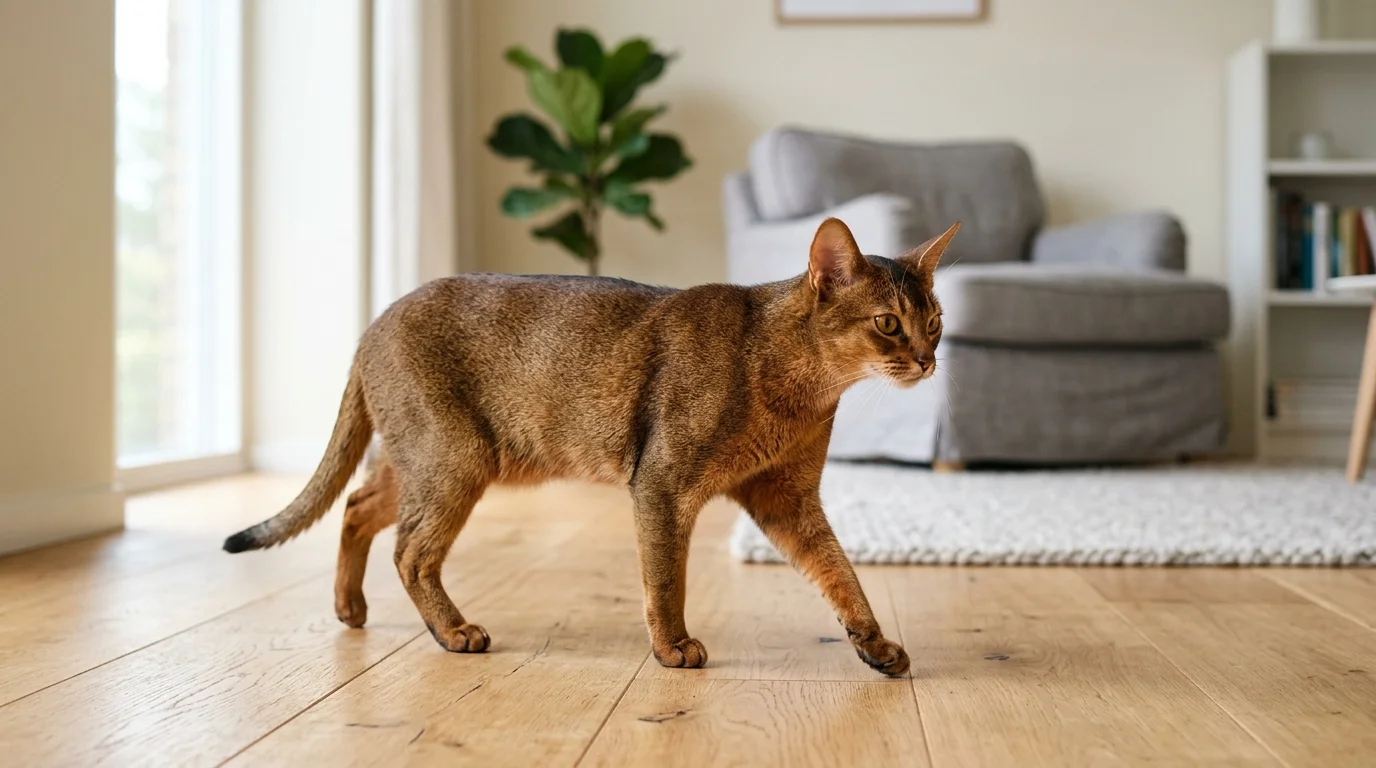
The Abyssinian is one of the oldest and most distinctive cat breeds in the world, recognized for its slender, muscular build and uniquely ticked coat that gives each hair a banded, warm appearance. Often described as a cat that behaves more like a dog, the Abyssinian thrives on activity, exploration, and close companionship with its people.
Weighing between 3.6 and 5.4 kg, Abyssinians are medium-sized cats with an athletic frame built for speed and agility. They are recognized by all major registries including CFA, TICA, FIFe, and GCCF. With a lifespan of 12 to 15 years, they make devoted long-term companions for active households.
History & Origins
The Abyssinian's origins are the subject of much debate among historians and cat fanciers. One long-held theory places its roots in ancient Ethiopia (formerly Abyssinia), supported by the breed's name and resemblance to cats depicted in ancient Egyptian art. However, genetic studies suggest modern Abyssinians likely originated from cats brought to Britain from ports along the Indian Ocean coast in the 19th century.
The breed was first exhibited at the Crystal Palace cat show in 1871, where a cat named Zula was shown by Mrs. Captain Barrett-Lennard. By the early 20th century, Abyssinians had found their way to the United States, where they were recognized by the CFA and quickly grew in popularity among cat enthusiasts who prized their intelligence and striking appearance.
Appearance
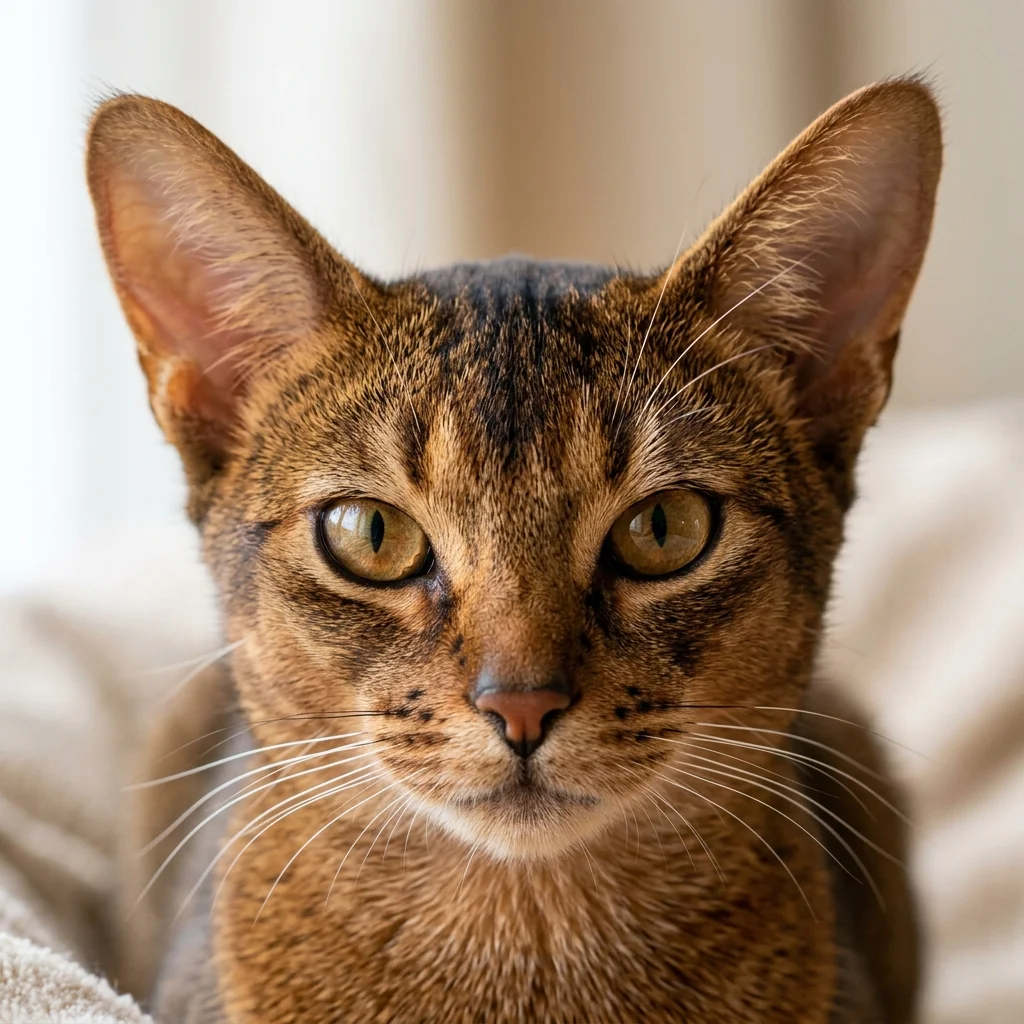
The Abyssinian is a medium-sized cat with a lean, well-muscled body that conveys agility and grace. Their distinctive feature is the ticked tabby coat, where each individual hair has alternating bands of color — typically warm ruddy tones, though blue, chocolate, lilac, cinnamon, and fawn variants are also recognized.
Their large, almond-shaped eyes are typically gold or green, framed by fine dark lines that give them an alert, intelligent expression. The ears are large and slightly forward-set, contributing to their perpetually attentive look. Their slender, long legs and oval paws add to their nimble, elegant appearance.
Temperament
Abyssinians are among the most energetic and curious cat breeds you will encounter. They are perpetually in motion — investigating every corner, scaling bookshelves, and inserting themselves into whatever activity is happening nearby. Their playful, dog-like nature means they often follow their owners from room to room and can even be taught to play fetch.
Despite their high activity level, Abyssinians are deeply social and form strong bonds with their families. They are not typically lap cats, preferring instead to perch nearby and observe. They do not thrive in isolation and need mental stimulation through toys, climbing structures, and interactive play to stay content.
Activity & Play
Activity & Exercise
Abyssinians are one of the most active cat breeds you will find. These cats are constantly on the move, curious about everything around them, and genuinely thrive when given plenty of outlets for their energy. Expect a cat that investigates every shelf, window ledge, and cupboard in the home.
Aim for at least 30 minutes of intentional play per day, ideally split into 2 sessions of 15 minutes each (morning and evening work well). Short, frequent bursts of play match their natural hunting rhythm better than one long session.
Best toys and games:
- Wand toys with feathers or ribbons (mimics prey movement)
- Puzzle feeders and treat-dispensing toys (keeps their sharp minds busy)
- Crinkle balls and small mice for solo batting sessions
- Cat wheels (Abyssinians are one of the few breeds that will actually use them)
- Laser pointers, but always end the session with a physical toy so they can "catch" something
Vertical space matters enormously for this breed. A tall cat tree, wall-mounted shelves, or a dedicated climbing structure will be used daily. Abyssinians are natural climbers and feel most comfortable when they can survey their territory from above.
Indoor vs. outdoor tolerance: Abyssinians adapt well to indoor life as long as their environment is stimulating. A window with a bird feeder view, an enclosed catio, or leash-training (yes, many Abyssinians accept harnesses) can all help satisfy their exploratory nature. Leaving an Abyssinian in an empty apartment with no enrichment for hours is a recipe for stress and destructive behavior.
Without sufficient daily activity, this breed may develop anxiety or find its own (less welcome) entertainment by knocking things off shelves and opening cabinet doors.
Grooming
The Abyssinian's short, dense, ticked coat is one of the lowest-maintenance in the cat world. A weekly brush is generally sufficient to remove loose hair and keep the coat gleaming. Shedding is moderate and manageable for most households.
Beyond coat care, routine grooming should include regular nail trims, ear cleaning, and dental hygiene. Because Abyssinians are so active, checking their paws for any debris or minor injuries is a sensible habit. Their coat rarely mats and does not require professional grooming, making them an excellent choice for owners who prefer a hands-off grooming routine.
Health
Abyssinians are generally a robust breed, but they do carry a predisposition to a few hereditary conditions. Renal amyloidosis — a disease where amyloid protein deposits accumulate in the kidneys — is the most serious concern and can lead to kidney failure if not detected early. Progressive retinal atrophy (PRA) is another known genetic issue in the breed, potentially causing vision loss over time.
Patellar luxation, where the kneecap slips out of place, can also affect some individuals. Reputable breeders screen for these conditions before breeding. Regular veterinary check-ups, including kidney function tests and eye exams, are recommended throughout the cat's life.
Nutrition
Nutrition
Abyssinians are obligate carnivores with an active lifestyle, which means their nutritional needs skew toward high protein and good fat content to fuel their energy.
Protein: Look for foods with at least 40% protein from animal sources (chicken, turkey, duck, or fish listed as the first ingredient). Abyssinians build and maintain lean muscle mass, so protein quality matters as much as quantity.
Fat: A fat content of around 15-20% provides the sustained energy this breed needs. Omega-3 fatty acids from fish oil support their coat and can help maintain the skin underneath, which tends to be fine-textured.
Carbohydrates: Keep these low. Abyssinians do not need grain-heavy fillers, and a diet high in refined carbohydrates can contribute to weight issues over time despite their activity level.
Wet vs. dry food: A combination works well. Wet food in the morning (higher protein, supports hydration) and dry food later in the day (convenience, dental support) is a practical routine. Abyssinians can be prone to kidney issues as they age, so adequate hydration through wet food is a genuine benefit.
Feeding schedule:
- Kittens (under 12 months): 3-4 small meals per day
- Adults (1-7 years): 2 meals per day
- Seniors (7+): 2 meals per day, with closer monitoring of portion size
Breed-specific considerations: Abyssinians are known to be at elevated risk for progressive retinal atrophy, and ensuring their diet contains adequate taurine (naturally present in quality animal-based foods) is important for eye health. Pyruvate kinase deficiency (a hereditary condition in the breed) can affect red blood cells, so if your cat is diagnosed, work with a vet on appropriate dietary support. Some Abyssinians are prone to dental issues; dental-friendly kibble shapes or dental chews can complement their routine.
Family Fit
Family Fit
Abyssinians can be wonderful family cats, but they are a better match for some households than others. Understanding their personality helps set everyone up for success.
Families with children: Abyssinians generally do well with older children (ages 8 and up) who can match their energy and engage them in play. Younger toddlers can be stressful for this breed because Abyssinians are sensitive to noise and unpredictable movement. They rarely scratch or bite, but they will simply disappear to a quiet room if the chaos level gets too high. Teaching children how to approach the cat calmly and give it space is important.
Other cats: Abyssinians are sociable and typically accept feline companions well, especially when introductions are handled gradually. They prefer companions that can keep up with their activity level. A very sedentary cat may frustrate them, while another active breed can become a genuine playmate.
Dogs: Most Abyssinians coexist comfortably with calm, cat-friendly dogs, particularly when raised together. They tend to hold their own confidently and will assert boundaries without excessive fear.
Elderly owners: The Abyssinian's high energy can be demanding for owners who want a quiet lap cat. That said, they are devoted and people-oriented, so a senior owner who enjoys interactive play and keeps their environment enriched can absolutely thrive with this breed.
Apartment dwellers: Manageable in apartments, provided the space is enriched with climbing structures, puzzle toys, and regular interactive play. A small, bare apartment will not suit them.
First-time cat owners: Possible, but worth knowing: Abyssinians need more daily engagement than many breeds. First-time owners willing to invest time in play and enrichment will be rewarded with an affectionate, fascinating companion.
Fun Facts
Abyssinians are often called "Aby-grabbys" by enthusiasts because of their habit of grabbing objects with their paws and investigating everything in reach. Their ticked coat is the result of a specific tabby gene variant that produces banded hairs rather than stripes or spots — a trait found in very few domestic breeds. Abyssinians consistently rank among the top ten most popular cat breeds in the United States according to CFA registration statistics. Despite looking similar to the cats in ancient Egyptian paintings, DNA analysis links the modern Abyssinian to the coastlines of the Indian Ocean rather than North Africa.
FAQ
Frequently Asked Questions
How long do Abyssinians live?
Abyssinians typically live 12 to 15 years, with well-cared-for individuals sometimes reaching 18 or more. Regular veterinary checkups, a quality diet, and an enriched indoor lifestyle all contribute to longevity.
Do Abyssinians shed a lot?
No. The Abyssinian has a short, dense, ticked coat that sheds minimally compared to most breeds. Weekly brushing is usually enough to keep loose hair under control. They are not considered a heavy-shedding breed.
Are Abyssinians vocal?
They are moderately vocal. Abyssinians will communicate with a soft, chirping voice and will let you know when they want attention or are bored, but they are not as loud or as persistent as Siamese cats. Most owners find their sounds charming rather than disruptive.
Are Abyssinians good for people with allergies?
Abyssinians are not classified as hypoallergenic. Like all cats, they produce the Fel d 1 protein in their saliva and skin, which is the primary trigger for most cat allergies. Their minimal shedding means less dander spread around the home, which some allergy sufferers find helpful, but there are no guarantees.
How much does an Abyssinian kitten cost?
Prices vary by region and breeder, but Abyssinian kittens from reputable breeders typically cost between $1,000 and $2,000 USD (roughly 800-1,600 GBP or 900-1,800 EUR). Show-quality cats or cats from champion lines cost more. Adoption from a rescue is a more affordable option.
Can Abyssinians be trained?
Yes, and quite readily. Abyssinians are intelligent and enjoy having a job to do. Many learn to walk on a leash, fetch small toys, and respond to basic commands. Positive reinforcement with treats and praise works best. They bore quickly with repetition, so keep training sessions short and varied.
Gallery
Explore more Abyssinian-style breeds
Browse related breeds or take our matching quiz to find the right fit for your home.
Stay in the loop
Get weekly breed spotlights, care guides, and new additions - straight to your inbox.