Somali
active, playful, curious, intelligent
Quick Facts
- Lifespan
- 11-16 years
- Weight
- 2.7-5.4 kg
- Origin
- United States
- Coat
- Long
Overview
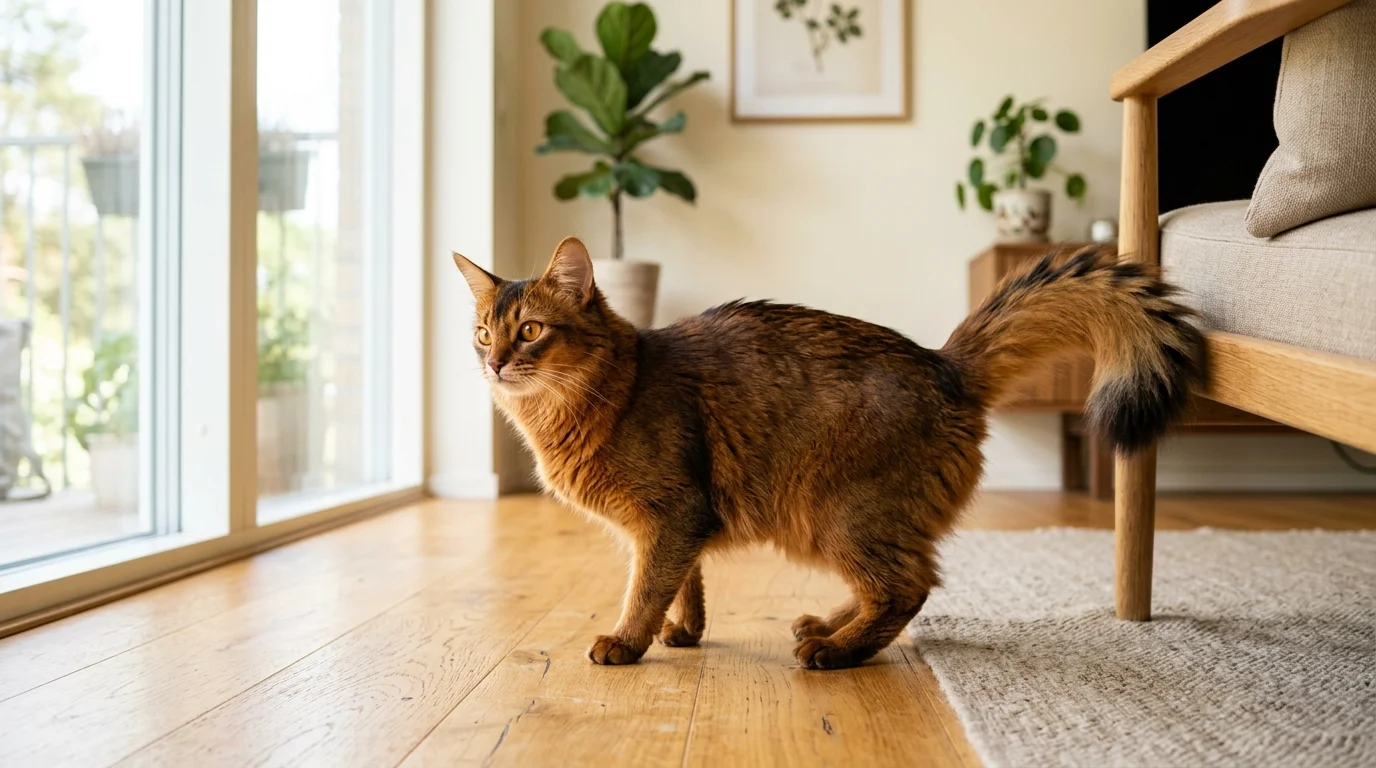
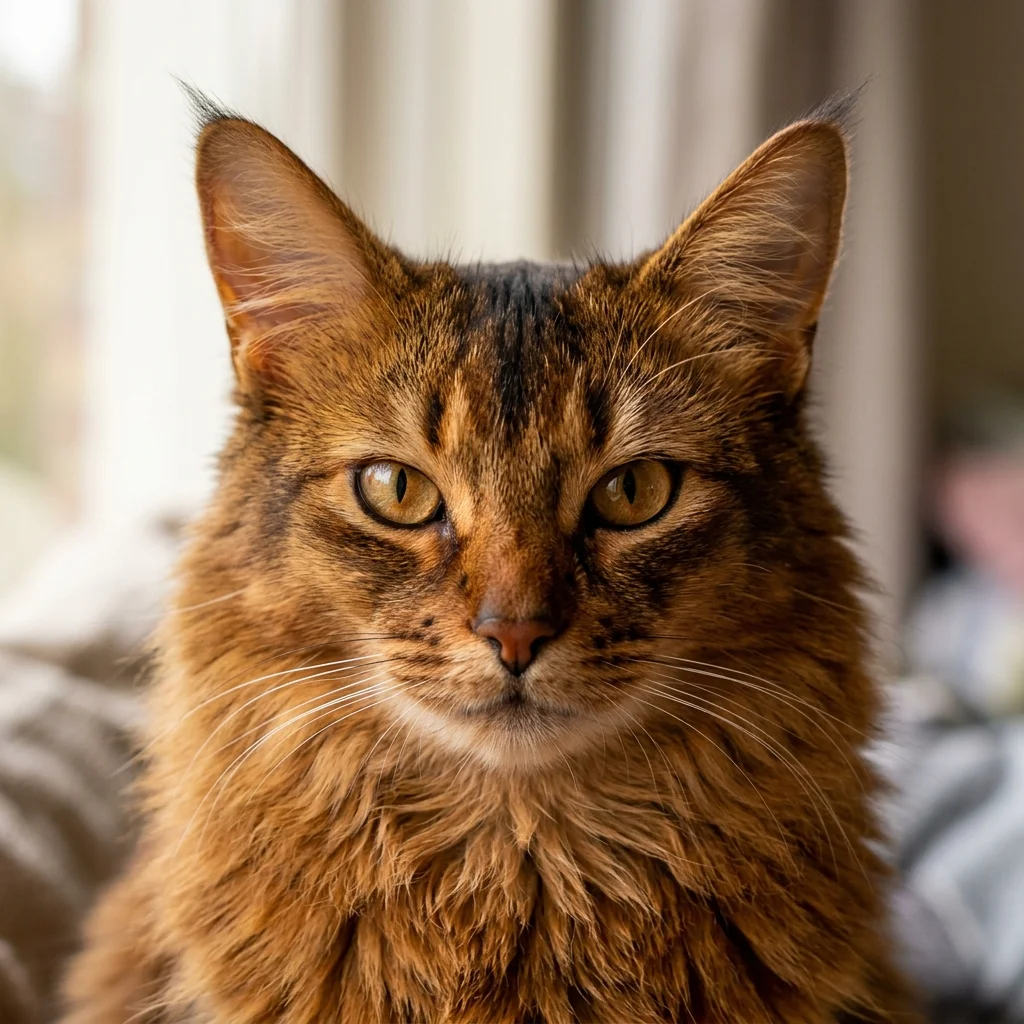
The Somali is often described as the longhaired Abyssinian — and in every way, it lives up to that billing. With a magnificent ticked coat that shimmers in multiple bands of colour, an expressive fox-like face, and a bushy plume of a tail, the Somali is one of the most visually captivating breeds in the cat world. Energetic, curious, and intensely social, the Somali is a cat that fills a home with life and movement.
History & Origins
The Somali is a longhaired variant of the Abyssinian, arising from a recessive longhair gene that was almost certainly introduced into Abyssinian breeding lines during the post-World War II rebuilding period, when breeders used various outcrosses to rebuild their decimated programmes.
In the late 1960s, American breeder Evelyn Mague began selectively breeding the longhaired Abyssinian kittens that occasionally appeared in Abyssinian litters, rather than discarding them. Canadian breeder Don Richings joined the effort. The breed was named Somali — after the African country of Somalia, which borders Abyssinia (modern-day Ethiopia) — to acknowledge its Abyssinian heritage while giving it its own identity.
The CFA granted Championship status to the Somali in 1979. TICA, FIFe, and GCCF all also recognise the breed. Today the Somali is a well-established breed celebrated for its spectacular coat and fox-like appearance.
Appearance
The Somali is a medium-sized cat with a lithe, muscular, well-proportioned body that moves with athletic grace — often described as moving on tiptoe. Males typically weigh 4–5.5 kg, females 3–4.5 kg.
The breed's defining visual feature is its magnificent agouti-ticked coat, where each individual hair carries multiple alternating bands of dark and lighter colour, creating a shimmering, glowing effect. The overall impression is of a wild, fox-like animal. The full, plumed tail and the longer fur on the britches and ruff add to the exotic appearance.
Accepted colours include ruddy (the classic warm orange-brown), sorrel (cinnamon), blue, and fawn, each with darker ticking. The eyes are large, almond-shaped, and set at a slight angle, coming in gold, green, or hazel — always outlined with a dark rim. Large, tufted ears complete the distinctive Somali look.
Temperament
The Somali is an exuberant, high-energy breed that rarely sits still for long. It delights in exploration, climbs to the highest points in any room, and investigates every new object brought into the home. This is not a decorative lap cat — the Somali is a participant, a mischief-maker, and a constant source of entertainment.
Despite its wild energy, the Somali has a genuinely sweet and social side. It follows its favourite people from room to room, settles to purr at their feet when they work, and matches their energy levels — quieting down when the household calms, springing into action when play is offered. This emotional attunement is one of the breed's most endearing qualities.
Somalis are intelligent and need significant mental stimulation. Puzzle feeders, climbing structures, interactive wand toys, and access to windows or safe outdoor enclosures are all essential. A bored Somali will find its own entertainment, which may not always align with a tidy home.
They generally get along well with other active cats and confident dogs, and are typically good with older children who can keep up with their energy.
Activity & Play
Activity & Exercise
The Somali is an athletic, high-energy cat that needs substantial daily exercise to stay happy and healthy. Expect to dedicate at least 30 to 45 minutes of active playtime each day, though many Somalis will happily play for longer.
This breed is descended from the Abyssinian and shares that lineage's love of movement and exploration. Somalis are acrobatic jumpers and climbers, so tall cat trees and wall-mounted shelves are not optional extras - they are essentials. Vertical space allows the Somali to survey its territory and burn off energy in ways that feel natural.
Play Styles
Somalis are intensely interactive players. They thrive on wand toys, feather teasers, and anything that mimics prey movement. Puzzle feeders and treat-dispensing toys keep their sharp minds occupied between play sessions. They often learn to fetch and will bring toys back repeatedly.
Because of their high activity level, a Somali left alone for long stretches without enrichment will find its own entertainment - usually at the expense of your belongings. A second cat as a companion is a genuine solution for households where owners work full time.
Indoor vs Outdoor
Most Somalis live happily as indoor cats provided they have enough vertical space and stimulation. Some owners offer supervised garden access or build an enclosed catio. Fully free-roaming outdoor life is not recommended given the risks to this relatively rare breed.
Toys and Enrichment
Rotate toys regularly to prevent boredom. Wand toys, motorised mice, crinkle balls, and window bird feeders all appeal to the Somali's predatory instincts. Interactive play with a human is always preferred over solo play.
Grooming
The Somali's medium-length coat is silky and ticked with multiple bands of colour per hair — a feature known as agouti ticking. Despite its semi-long appearance, the coat is relatively tangle-resistant and does not mat easily, which keeps grooming manageable.
Weekly combing with a fine-toothed or medium comb removes dead hairs and keeps the coat lying flat and lustrous. During seasonal shedding periods, more frequent grooming — two to three times per week — helps prevent loose hair from accumulating around the home.
The Somali's full, bushy tail and britches (longer fur on the back of the thighs) deserve particular attention during grooming sessions. Bathing is rarely required unless the cat is being shown, as the coat stays relatively clean on its own. Routine nail trimming, ear cleaning, and dental hygiene complete the care routine.
Health
The Somali is generally a healthy breed with a lifespan of 12–14 years, though it does carry some inherited health risks that prospective owners should understand.
Pyruvate kinase deficiency (PKD) is an inherited condition that affects red blood cell function and can cause haemolytic anaemia. A DNA test is available, and reputable breeders routinely screen breeding cats. Renal amyloidosis — an abnormal accumulation of the protein amyloid in the kidneys — is another hereditary concern in the Abyssinian and Somali breeds; it can lead to kidney failure and is not easily detected early without regular screening.
Patella luxation has also been reported in some individuals. Regular veterinary check-ups, kidney function monitoring in older cats, and sourcing kittens from health-tested lines are the best protections for long-term Somali health.
Nutrition
Nutrition
The Somali is a muscular, active cat with a high metabolism. Quality nutrition supports both its athletic build and its long, bushy coat.
Macronutrient Targets
Look for foods with at least 30 to 35 percent protein on a dry matter basis. Fat should sit around 15 to 20 percent to fuel energy needs without promoting unwanted weight gain. Carbohydrates should be minimal - cats are obligate carnivores and have limited ability to process high-starch diets.
Wet vs Dry Food
A combination of wet and dry food works well for most Somalis. Wet food provides valuable hydration and tends to be more protein-dense. Dry food can support dental health and works well for measured free-feeding. Avoid foods where grains or fillers dominate the first few ingredients.
Feeding Frequency
Kittens under 6 months benefit from three to four small meals per day to support rapid growth. Adults do well on two meals daily at set times. Puzzle feeders and scatter feeding slow down fast eaters and add mental stimulation.
Breed-Specific Considerations
Somalis are generally good eaters with healthy appetites, but their active nature means weight is rarely a problem when diet is appropriate. Monitor for dental tartar - regular dental treats or dry kibble can help. Some lines carry a genetic predisposition to pyruvate kinase deficiency, which can affect red blood cell health; a diet rich in iron-supportive nutrients is sensible for affected cats. Always consult your vet for tailored guidance.
Family Fit
Family Fit
The Somali is an excellent choice for active households that genuinely enjoy living with a lively, engaged cat. This is not a breed that will quietly occupy a corner - it wants to be part of everything.
With Children
Somalis generally do well with children who respect boundaries and enjoy interactive play. Their athleticism and playfulness make them engaging companions for older kids who can match their energy. Toddlers should always be supervised, as with any cat.
With Other Cats
Somalis usually coexist well with other cats, particularly those with similar energy levels. A second active cat can be a real benefit, as Somalis genuinely enjoy feline companionship and play. Slow introductions are always recommended.
With Dogs
Many Somalis adapt to dogs, especially those that are calm or cat-savvy. Their confidence means they are less likely to become fearful, but early socialisation makes the difference. Avoid pairing with high-prey-drive breeds.
With Elderly Owners
A Somali's energy demands can be a challenge for less active owners. However, a calm household with enough enrichment and a second cat can work. The breed is affectionate and forms strong bonds, which many elderly owners value deeply.
Apartments
Somalis can live in apartments if vertical space is provided. Tall cat trees, shelves, and window perches help compensate for limited floor space. Without this, pent-up energy can become destructive.
First-Time Owners
Not typically the easiest first cat. Somalis require committed enrichment, social time, and environmental setup. Experienced cat owners who appreciate an active, dog-like companion will find them deeply rewarding.
Fun Facts
- The Somali is often called the "fox cat" for its bushy tail, ruff, and wild-looking ticked coat.
- Each individual hair on a Somali carries up to 12 alternating bands of colour — this agouti ticking creates the breed's luminous shimmer.
- The Somali was named after Somalia, which borders Ethiopia (formerly Abyssinia) — a geographic tribute to the Abyssinian parent breed.
- The longhair gene responsible for the Somali coat is recessive, meaning two Abyssinian parents can unexpectedly produce a Somali kitten.
- Somalis are known for using their paws like hands — they pick up objects, pat at moving targets, and are among the most dexterous of all domestic cat breeds.
FAQ
Frequently Asked Questions
How long do Somali cats live?
Somalis typically live 12 to 16 years. With attentive care, regular vet checkups, and a quality diet, many reach the upper end of that range.
Do Somalis shed a lot?
Yes, more than short-haired breeds. Their medium-length, bushy coat sheds seasonally. Weekly brushing keeps loose hair manageable and reduces hairballs significantly.
Are Somalis vocal cats?
Somalis are moderately vocal. They communicate with soft chirps and trills rather than loud meowing. They will let you know when they want attention, but they are not considered a noisy breed.
Are Somalis hypoallergenic?
No. Somalis produce the Fel d 1 protein that triggers most cat allergies. Allergy sufferers should spend time with the breed before committing. No cat is truly hypoallergenic.
How much does a Somali kitten cost?
Pedigree Somali kittens from reputable breeders typically cost between $800 and $1,500 USD depending on lineage, location, and breeder reputation. Show-quality kittens may cost more.
Are Somalis easy to train?
Yes, they are among the more trainable cat breeds. Their intelligence and curiosity make them receptive to clicker training, leash walking, and learning household rules. Short, positive sessions work best.
Gallery
Explore more Somali-style breeds
Browse related breeds or take our matching quiz to find the right fit for your home.
Stay in the loop
Get weekly breed spotlights, care guides, and new additions - straight to your inbox.