Dragon Li
intelligent, loyal, gentle, independent
Quick Facts
- Lifespan
- 12-15 years
- Weight
- 3.5-5.5 kg
- Origin
- China
- Coat
- Short
Overview
Overview
The Dragon Li — also known as the Chinese Li Hua or Li Hua Mao — is China's own native cat breed, believed to have descended from wild Chinese Mountain cats (Felis bieti). With a history stretching back centuries in Chinese households, the Dragon Li is considered one of the oldest naturally occurring domestic cat breeds in the world.
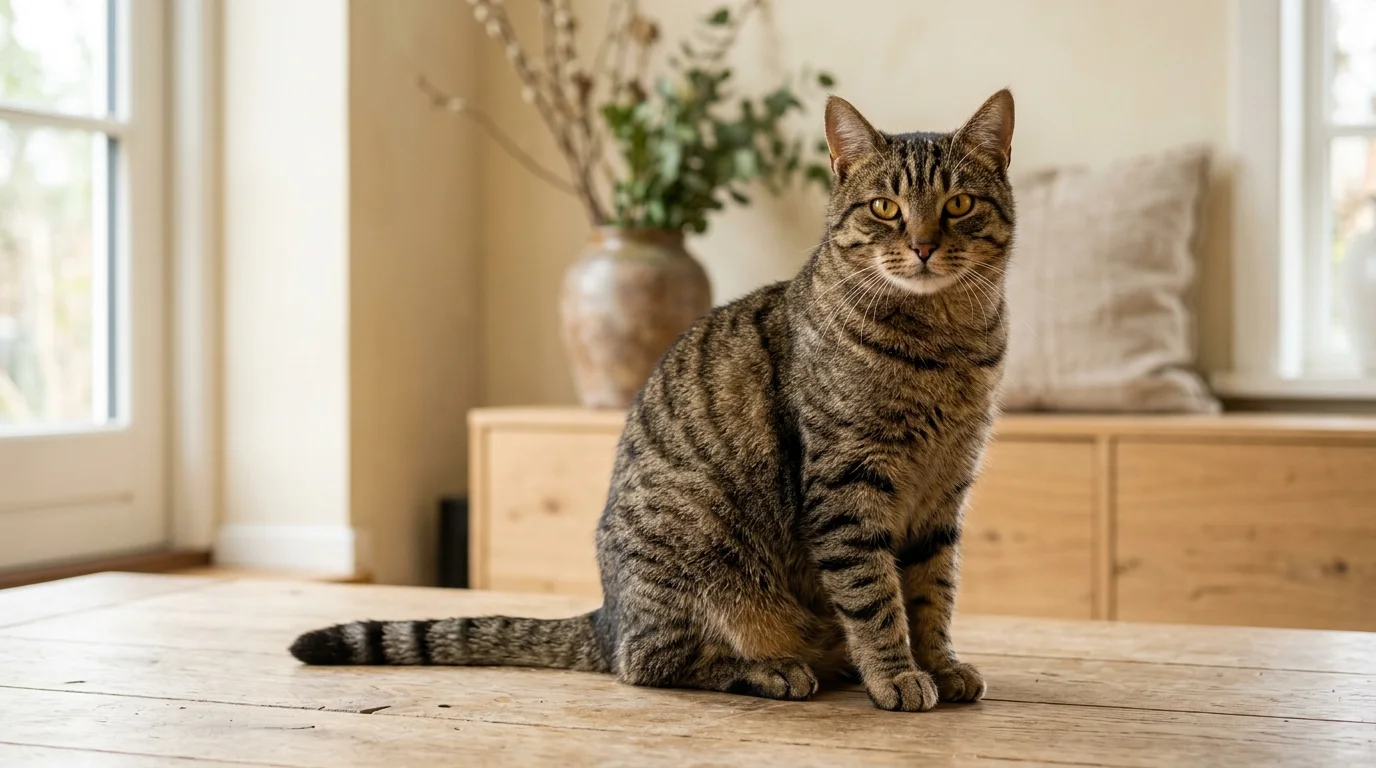
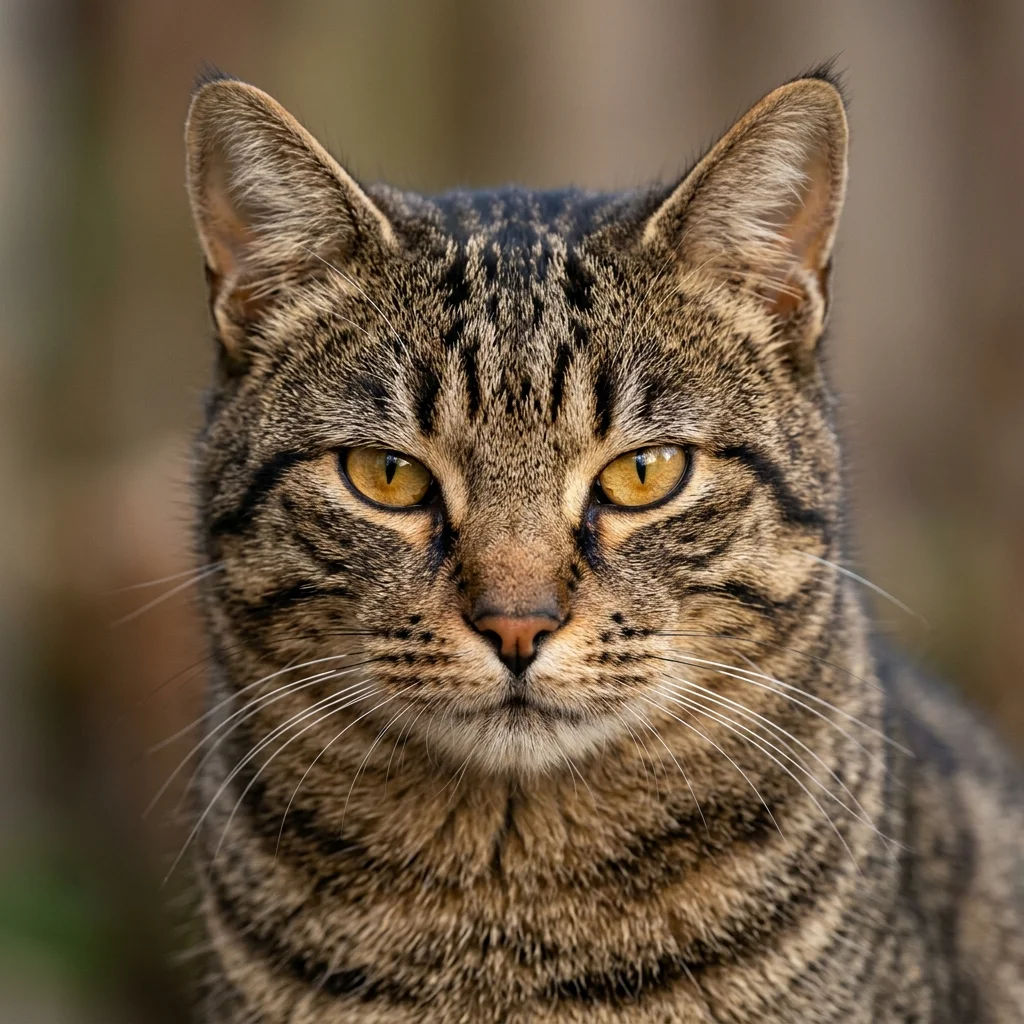
Its signature look is a rich brown mackerel tabby coat with the striking "mouse coat" effect: dark markings over a warm yellow-brown base. Large, bright, almond-shaped eyes in gold, yellow, or green complete the picture. The breed formally debuted at a Beijing cat show in January 2004 and was accepted by the Cat Fanciers' Association (CFA) in 2010 for the Miscellaneous class.
The Dragon Li is a moderately active, independent breed that forms close bonds with its family. If you appreciate a cat with authentic ancient roots and a calm, loyal personality, the Dragon Li is a fascinating choice.
History & Origins
History
The Dragon Li's roots lie in China's native landrace cats, known as Lí Huā Māo (狸花貓, roughly meaning "leopard-flower cat"). These cats are believed to descend from the wild Chinese Mountain cat (Felis bieti), one of the few wild felid species endemic to China.
For centuries, Li Hua cats lived alongside Chinese families, prized for their hunting ability and calm temperament. In Chinese culture, the breed carries associations with the dragon — a symbol of power and good fortune — reflected in its Western name.
Formalized breed development began in the early 2000s under China's Cat Aficionado Association (CAA). The Dragon Li made its international debut at a Beijing cat show in January 2004. In 2010, the CFA accepted the breed into its Miscellaneous class for showing, though the breed was removed from the registry in 2015 due to limited population growth outside China. Today it remains a rare but celebrated native breed.
Appearance
Physical Characteristics
The Dragon Li is a sturdy, well-proportioned cat with a rectangular body and strong musculature. It is a medium to medium-large breed, weighing 3.5–5.5 kg, with males typically larger than females.
Its defining feature is the brown mackerel tabby coat — a warm yellow-brown base overlaid with clearly defined dark brown or black striping. The coat has what breeders call a "mouse coat" effect: a subtle grizzled appearance from ticked hairs. Facial markings include distinctive "mascara" lines beneath the eyes, sometimes called "tears of the dragon."
Eyes are large, bright, and almond-shaped in gold, yellow, or green tones. The head is broad and rounded, with medium-sized ears set wide apart. The tail is slightly shorter than body length and tapers to a rounded tip.
Temperament
Temperament
Dragon Li cats are known for a well-balanced temperament: intelligent and independent, yet loyal and affectionate toward their families. They tend to be calm and observant rather than hyperactive, often preferring to watch and assess before engaging.
They bond strongly with their people, forming deep attachments that express themselves as steady companionship rather than constant demands for attention. Historically used for rodent control, Dragon Li cats retain sharp hunting instincts and an alert, inquisitive nature.
They can be reserved around strangers but warm up with time. Early socialization helps this breed become more confident and adaptable. Overall, the Dragon Li suits owners who appreciate a thoughtful, dignified cat that prefers quality interaction over quantity.
Activity & Play
Activity and Exercise
The Dragon Li is an active, self-reliant cat with strong hunting instincts inherited from its wild ancestors. This breed needs meaningful daily activity to stay mentally and physically healthy.
Daily Exercise Needs
Plan for 20 to 30 minutes of focused interactive play each day. Dragon Lis are natural hunters and thrive with games that mimic prey movement.
Play Styles
Chase-and-pounce is their preferred mode. Wand toys, feather teasers, and small rolling toys trigger their prey drive most effectively. Dragon Lis also enjoy solo exploration and will investigate every corner of their home. Puzzle feeders channel their problem-solving intelligence productively.
Recommended Toys
Feather wands, crinkle balls, battery-operated moving toys, puzzle feeders, and cardboard boxes with hidden treats all suit this breed well.
Vertical Space
Dragon Lis are confident climbers. Tall cat trees and wall-mounted perches allow them to survey their territory from height, which satisfies their instinct to watch over their environment.
Indoor vs. Outdoor
In China, Dragon Lis traditionally roam freely. In Western households, supervised outdoor time in a secure garden or catio gives them enrichment without the risks of free roaming. Indoors-only Dragon Lis need a stimulating environment with regular play to prevent boredom.
Signs of Under-Stimulation
A bored Dragon Li may become destructive, overly vocal, or start stalking housemates. Consistent play schedules prevent most behavioral issues.
Grooming
Grooming
The Dragon Li's short to medium-length coat is dense, soft, and naturally low-maintenance. Without an undercoat, it lies flat and does not mat easily, and the breed is not a heavy shedder.
A weekly brushing session is generally sufficient to keep the coat in good condition and remove any loose hairs. During spring and autumn, you may want to brush slightly more frequently. The distinctive brown mackerel tabby pattern looks its best when the coat is clean and well-maintained.
Beyond coat care, keep up with routine maintenance: trim nails regularly, check and gently clean the ears, and attend to dental hygiene. This is a low-effort breed in terms of grooming, making it accessible for owners who prefer a straightforward care routine.
Health
Health
As a naturally occurring landrace breed with a broad genetic base, the Dragon Li benefits from a degree of hybrid vigor. No breed-specific hereditary health conditions have been identified.
The breed matures slowly, taking up to three years to reach full physical and social development — something owners should keep in mind when assessing temperament in young cats.
Expected lifespan is 12–15 years. Routine preventive care is important: annual veterinary check-ups, vaccinations, parasite control, dental monitoring, and neutering/spaying. Because Dragon Li cats have a natural hunting drive, keeping them safe from outdoor hazards is an important consideration for their long-term wellbeing.
Nutrition
Nutrition
The Dragon Li is an active, muscular cat that benefits from a high-protein diet reflecting its near-wild ancestry.
Macronutrient Targets
Look for foods with at least 30 to 35 percent protein and 15 to 20 percent fat on a dry matter basis. Minimize grain fillers and high-carbohydrate ingredients.
Wet vs. Dry Food
Wet food is the better primary option because it supplies moisture alongside nutrients. Dragon Lis are prone to under-drinking on dry-only diets. Offer wet food as the main meal and use dry kibble sparingly as a supplement.
Feeding Frequency
Kittens need three to four small meals per day. Adults do well with two measured meals daily. Avoid free-feeding, as this breed can become overweight when activity slows with age.
Breed-Specific Notes
Dragon Lis evolved on varied prey diets. Rotating between chicken, fish, and turkey-based proteins ensures broad nutritional coverage and prevents fussiness. Watch calorie intake in older or less active cats.
Fresh Water
Always provide fresh water. A running fountain often encourages better hydration.
Family Fit
Family Fit
The Dragon Li is an independent, loyal cat that bonds deeply with its household. Understanding its temperament helps match it to the right family.
Children
Dragon Lis tolerate respectful, calm children well. They are not lap cats by nature but enjoy being near their people. Teach children to let the cat initiate contact rather than pursuing it.
Other Cats
Dragon Lis can coexist with other cats but often prefer to be the dominant animal in the home. Slow, structured introductions are important. Same-sex pairings sometimes cause tension.
Dogs
A calm, cat-experienced dog is the best match. Dragon Lis are confident and will stand their ground rather than hide, which can help in multi-pet homes where the dog respects boundaries.
Elderly Owners
Dragon Lis suit older owners who appreciate a self-reliant cat. They do not demand constant attention but enjoy companionship on their own terms.
Apartment Living
Possible with sufficient enrichment, but Dragon Lis prefer more space than a small flat can offer. Access to a catio or secure outdoor area makes apartment living more comfortable for them.
First-Time Owners
Dragon Lis are manageable for first-time owners who respect feline independence. Owners expecting a highly affectionate, cuddly cat may find the Dragon Li less fulfilling than breeds like the Ragdoll.
Fun Facts
Fun Facts
- The Dragon Li is believed to descend from the wild Chinese Mountain cat (Felis bieti), one of the rarest wild cats in the world.
- The breed's formal name, Li Hua Mao, roughly translates to "leopard-flower cat" — a nod to its striking tabby pattern.
- Facial markings beneath the Dragon Li's eyes are called "tears of the dragon" in Chinese cat fancy circles.
- The breed matures slowly — some Dragon Li cats do not reach full social and physical maturity until three years of age.
- Despite centuries of Chinese history, the Dragon Li only received its first formal breed standard in 2004 — one of the most recently standardized ancient breeds.
FAQ
Frequently Asked Questions
How long do Dragon Lis live?
Dragon Lis typically live 12 to 15 years with good care.
Do they shed a lot?
Moderately. Their short, dense coat sheds seasonally. Weekly brushing keeps loose hair manageable.
Are Dragon Lis vocal?
Yes. They communicate regularly and can be persistent when they want attention or food.
Are they hypoallergenic?
No. Dragon Lis produce Fel d 1 protein like all cats. They are not suitable for people with cat allergies.
What does a Dragon Li cost?
Dragon Lis are rare outside China. When available internationally, prices range from 500 to 1200 USD. Adoption is another option.
Are they easy to train?
Dragon Lis are intelligent but independent. They respond to positive reinforcement and can learn commands and tricks, though they engage on their own terms.
Gallery
Explore more Dragon Li-style breeds
Browse related breeds or take our matching quiz to find the right fit for your home.
Stay in the loop
Get weekly breed spotlights, care guides, and new additions - straight to your inbox.