Cymric
playful, loyal, social, gentle
Quick Facts
- Lifespan
- 8-14 years
- Weight
- 3.5-5.5 kg
- Origin
- Isle of Man/Canada
- Coat
- Long
Overview
Overview
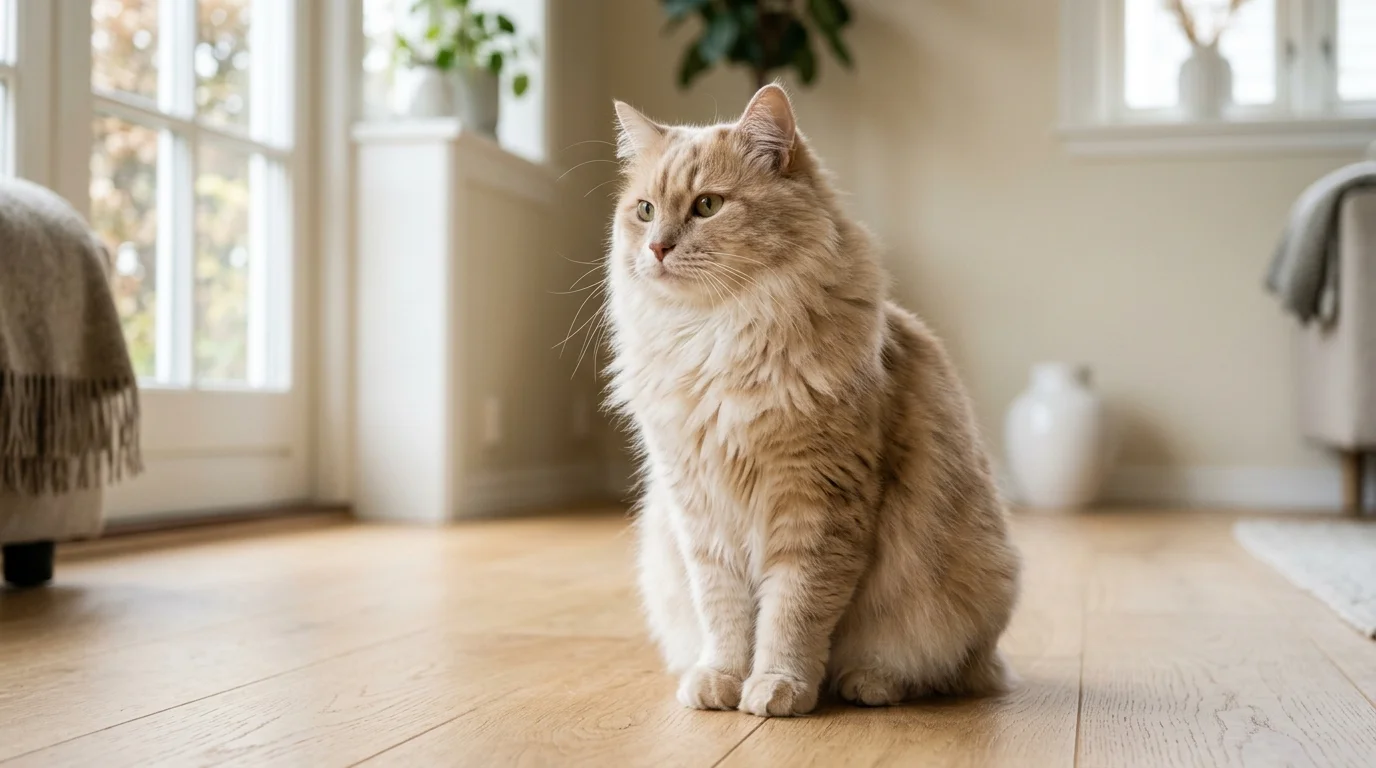
The Cymric is essentially the longhaired version of the Manx — a tailless (or short-tailed) cat that developed naturally on the Isle of Man and was later refined as a distinct semi-longhaired variety, primarily in Canada in the 1960s. Some registries recognize the Cymric as a separate breed; others treat it as a variety of the Manx.
What makes the Cymric distinctive is the combination of a full, flowing double coat with the rounded, sturdy Manx body shape — and, of course, the famously absent or dramatically shortened tail. Like the Manx, Cymrics come in rumpy (no tail), rumpy-riser, stumpy, and longie tail variations.
The Cymric is a loyal, playful, and surprisingly dog-like companion. Its gentle nature and affectionate personality make it a wonderful family cat — though prospective owners should be aware of the health considerations that come with the tailless gene.
History & Origins
History
The tailless Manx cat has been a fixture on the Isle of Man for centuries, its taillessness the result of a spontaneous genetic mutation that became fixed in the island's isolated cat population. Long-haired kittens occasionally appeared in Manx litters due to a recessive longhair gene, but for much of the breed's history, these kittens were considered off-type and discarded.
In the 1960s, Canadian breeders began intentionally breeding and promoting the longhaired variant. These cats were shown for the first time in the 1970s and gained increasing recognition. The name "Cymric" was chosen — the Welsh word for "Welsh" — as a Celtic counterpart to the Manx name, though the breed has no actual Welsh connection.
CFA and TICA both recognize the Cymric, though TICA classifies it as a variety of Manx rather than a separate breed. CFA calls it the Manx Longhair. The breed remains less common than the Manx but has a devoted following.
Appearance
Physical Characteristics
The Cymric is a medium to large, rounded, and compact cat — muscular and solid in build, with notably shorter front legs than hind legs, giving it a slightly arched, rabbit-like gait. Weight ranges from 3.5 to 5.5 kg.
The defining feature is the tail — or lack of it. Cymrics come in four tail lengths: rumpy (completely tailless, with a dimple at the spine's end), rumpy-riser (a few fused vertebrae that rise under pressure), stumpy (a short, moveable stump), and longie (a tail longer than a stump but shorter than a full tail).
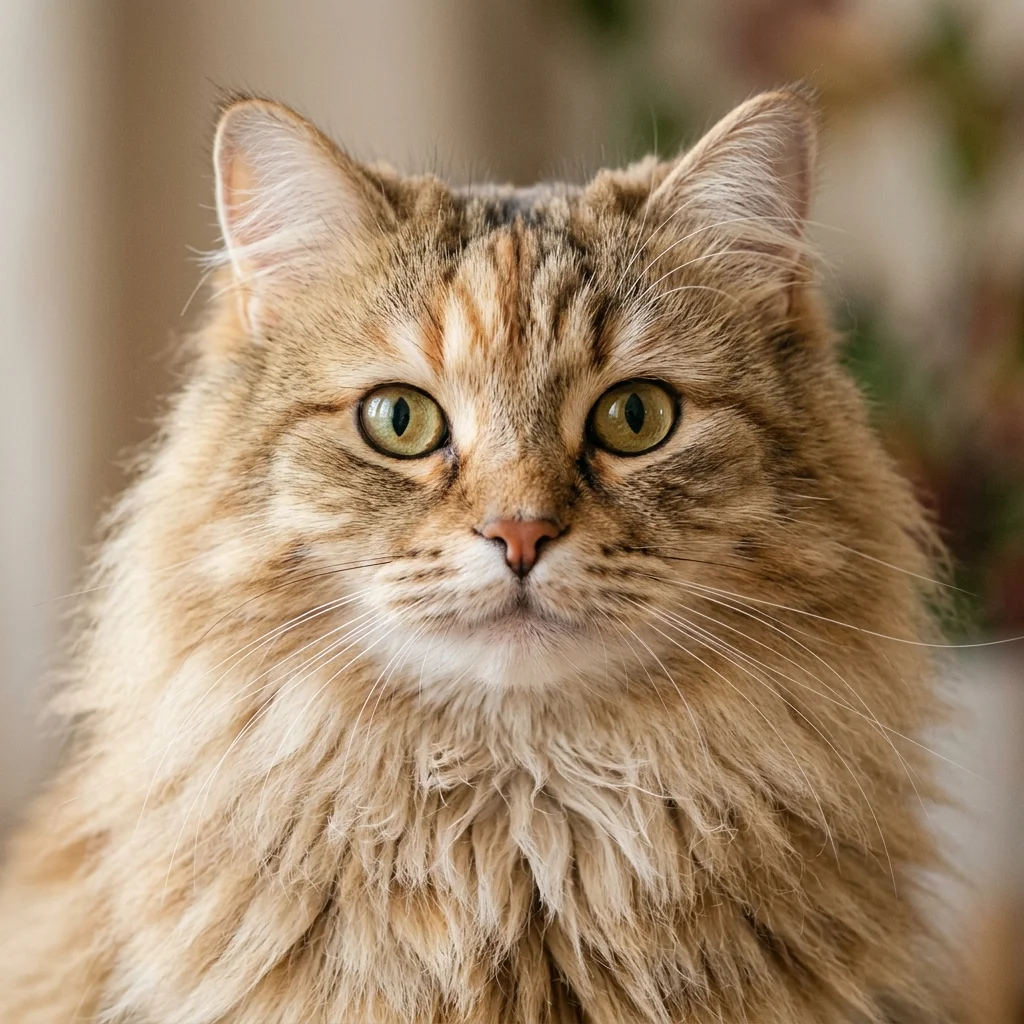
The coat is semi-long with a thick double layer: a dense, soft undercoat and longer, silky guard hairs. The ruff around the neck and the "breeches" on the hind legs are particularly lush. All colors and patterns are permitted.
Temperament
Temperament
The Cymric is often described as "dog-like" — and owners who have lived with the breed tend to agree. These cats bond deeply with their families, follow their people around the house, and are known to play fetch, come when called, and even learn to walk on a leash.
They are gentle, playful, and highly sociable, getting on well with children, other cats, and cat-friendly dogs. Unlike some independent breeds, Cymrics thrive on companionship and do not do well in isolation. They are not overly demanding or vocal, but they clearly prefer to be near their people.
Energetic and athletic despite their round, stocky build, Cymrics love interactive play and will happily entertain themselves when good toys are available. Their intelligence and adaptability make them a pleasure to live with.
Activity & Play
Activity
The Cymric is the long-haired variety of the Manx, sharing the same sturdy, rounded body and surprisingly athletic capabilities. Despite a calm demeanour, this breed is playful and enjoys regular activity.
Energy Level
Cymrics sit at a moderate energy level. They are active and playful but not hyperactive. They enjoy bursts of vigorous play followed by comfortable rest periods. Their energy tends to mellow with age but never disappears entirely.
Daily Exercise
Aim for 20-30 minutes of interactive play each day across 1-2 sessions. Wand toys, feather teasers, and ball toys all work well. The Cymric's powerful hindquarters give it an impressive jumping ability that can be channelled through toys that encourage leaping.
Play Styles
- Chasing and pouncing: Prey-driven play with moving toys engages the Cymric's natural hunting instincts.
- Fetch: Many Cymrics retrieve toys readily, a trait shared with the Manx.
- Puzzle feeders: Food puzzles offer mental stimulation between active sessions.
- Gentle wrestling: Cymrics that are comfortable with their owners often enjoy controlled hands-on play.
Vertical Space
The Cymric is a capable jumper despite its compact, rounded build. Moderate-height cat trees suit them well. They do not require the tallest structures but appreciate having a few elevated perches from which to observe the household.
Indoor vs. Outdoor
The Cymric is best kept indoors or given access to a secure outdoor enclosure. Their long, dense coat and rounded build are not optimised for harsh outdoor conditions. Indoor life with regular play meets their activity needs well.
Grooming
Grooming
The Cymric has a semi-long double coat — a soft, dense undercoat beneath longer guard hairs — that requires more attention than a shorthaired breed. Aim to brush two to three times per week to prevent matting, particularly around the longer fur of the ruff, "breeches" (hind leg fur), and tail area.
During spring and autumn shedding seasons, daily brushing will help manage the increased volume of loose hair. Without regular brushing, the dense double coat can mat behind the ears and in the armpits.
Otherwise, routine maintenance applies: trim nails regularly, check and clean the ears, and maintain dental hygiene. The Cymric is not the most demanding longhaired breed, but it does need consistent grooming attention.
Health
Health
The Cymric shares its key health consideration with the Manx: Manx syndrome, a cluster of spinal and neurological problems caused by the same genetic mutation responsible for taillessness. Affected cats may experience spina bifida, urinary or fecal incontinence, or hind-limb mobility issues. Importantly, not all Cymrics develop Manx syndrome — many live full, healthy lives — but the risk is real and should be understood.
The mutation is also lethal when homozygous: kittens inheriting two copies of the tailless gene do not survive, which is why Cymric and Manx litters are naturally smaller than average. Responsible breeders screen carefully and follow welfare guidelines from registries such as the GCCF and ACF.
Lifespan ranges from 8 to 14 years. Annual vet check-ups, early neurological assessment of kittens, and weight management are all important aspects of Cymric care.
Nutrition
Nutrition
The Cymric is a medium to large cat with a compact, muscular build and a dense, long coat. Nutrition plays a key role in maintaining both healthy body weight and coat condition.
Macronutrient Targets
- Protein: 35-45% of dry matter. High-quality animal proteins (chicken, turkey, salmon) should form the core of the diet. Protein supports the Cymric's muscular build and sustains coat health.
- Fat: 15-20% of dry matter. Moderate fat levels with a good omega fatty acid profile support the Cymric's long, silky double coat. Omega-3 from fish oil helps reduce shedding and keeps the coat lustrous.
- Carbohydrates: Below 10% where possible. Excess starch contributes to weight gain in a breed that can trend toward a heavier frame.
Feeding Frequency by Age
- Kittens (up to 12 months): 3-4 meals per day. Kittens need calorie-dense, protein-rich food to support healthy bone and muscle development.
- Adults (1-7 years): 2 measured meals per day. Portion control is important for Cymrics, as their compact build makes excess weight more noticeable and harder on the joints.
- Seniors (7+ years): 2-3 smaller meals per day. Senior formulas with joint support supplements are particularly relevant for the Cymric given the spinal considerations associated with the tailless Manx-type genetics.
Wet vs. Dry Food
A combination of wet and dry food works well. Wet food provides essential hydration, and dry food can assist with dental health. High-protein, low-carbohydrate formulas are preferred for both.
Breed-Specific Considerations
Cymrics carry Manx genetics and can occasionally experience spinal issues. Maintaining a healthy body weight reduces unnecessary strain on the spine. Monitor weight regularly and adjust portions as needed. Fresh water should always be available.
Family Fit
Family Fit
The Cymric is a gentle, loyal cat with a calm, adaptable personality. It forms strong bonds with its family and fits comfortably into a variety of household situations.
Children
Cymrics are generally good with children. Their patient, even-tempered nature means they tolerate family life well. They enjoy interactive play but are not as boisterous as high-energy breeds. Older children who understand gentle handling typically build strong bonds with them.
Other Cats
Cymrics are not overly territorial and can live alongside other cats with proper introductions. They prefer a calm, stable social environment and do best with housemates of similar temperament. Slow, gradual introductions are always recommended.
Dogs
Cymrics often coexist peacefully with dog-friendly dogs. Their calm confidence means they are unlikely to flee from a dog, which can help establish a stable relationship early. Dog introductions should still be managed carefully and paced according to both animals' comfort levels.
Elderly Owners
The Cymric is an excellent companion for elderly owners. Its moderate activity needs, calm nature, and affectionate personality make it a comfortable and rewarding pet. It enjoys sitting nearby and being part of a quiet daily routine without demanding constant high-energy engagement.
Apartments
Cymrics adapt well to apartment living. They do not require large spaces and are content in a smaller home provided they have a few climbing spots and daily play sessions. They are not prone to excessive vocalisation, which suits apartment settings.
First-Time Owners
Cymrics are an excellent choice for first-time cat owners. Their gentle temperament and moderate needs make them manageable and rewarding without being overwhelming. Their affectionate, loyal nature makes them particularly endearing companions for those new to cat ownership.
Fun Facts
Fun Facts
- The name "Cymric" comes from the Welsh word for "Welsh" — a nod to Celtic culture — though the breed has no Welsh origins; it is closely tied to the Isle of Man and Canada.
- Cymrics are sometimes described as moving with a "bunny hop" gait due to their shorter front legs and elevated hindquarters.
- Because two copies of the tailless gene are lethal, all Cymrics carry only one copy — meaning they are always bred with tailed partners.
- The Cymric is known for its dog-like loyalty: some individuals follow their owners through the house and will play fetch reliably.
- Cymric kittens in the same litter can be born with completely different tail lengths — from fully tailless to nearly full-tailed.
FAQ
Frequently Asked Questions
How long do Cymric cats live?
Cymrics typically live 12-14 years. With proper veterinary care and a healthy diet, many individuals reach or exceed this range. Regular vet checks are particularly important to monitor for Manx Syndrome, a spinal condition that can affect some cats with tailless genetics.
Do Cymric cats shed a lot?
Yes. The Cymric has a full double coat that sheds moderately throughout the year and more heavily during seasonal coat changes in spring and autumn. Brushing 2-3 times per week prevents matting and controls loose fur in the home.
Are Cymric cats vocal?
Cymrics are not particularly vocal. They communicate with their owners using soft, quiet vocalisations when they want attention or food but are not prone to persistent or loud meowing. They tend to express themselves through body language and physical closeness rather than sound.
Are Cymric cats hypoallergenic?
No. Cymrics are not hypoallergenic. They shed regularly and produce the Fel d 1 allergen like most cat breeds. Their double coat means more fur and allergen distribution in the home compared to short-haired or single-coat breeds.
How much does a Cymric kitten cost?
Cymric kittens typically cost between $600 and $1,200 USD from a reputable breeder. The breed is less common than the Manx, which can affect availability. Prices vary by breeder, location, and coat quality.
Are Cymric cats easy to train?
Yes. Cymrics are intelligent and responsive to positive reinforcement. They can learn to fetch, come when called, and follow basic commands. Training sessions should be short and reward-based. Their calm, focused nature makes them attentive learners.
Do Cymrics do well in cold climates?
Yes. The Cymric's thick double coat provides good insulation, making it comfortable in cooler environments. They should still be kept as indoor cats in cold climates rather than being left outside, but they handle a cooler household temperature better than single-coat breeds.
Gallery
Explore more Cymric-style breeds
Browse related breeds or take our matching quiz to find the right fit for your home.
Stay in the loop
Get weekly breed spotlights, care guides, and new additions - straight to your inbox.