Brazilian Shorthair
playful, social, intelligent, active
Quick Facts
- Lifespan
- 14-20 years
- Weight
- 3-5 kg
- Origin
- Brazil
- Coat
- Short
Overview
Overview
The Brazilian Shorthair is Brazil's first — and only — internationally recognized purebred cat. Descended from cats brought by Portuguese colonizers in the late 15th and early 16th centuries, these street-savvy cats evolved over centuries in Brazilian towns and cities, developing robust health and a lively, adaptable character.
Breed pioneer Paulo Samuel Ruschi began formalizing the breed in 1985, studying the common traits among Brazil's free-roaming cats. His work paid off in 1998 when the World Cat Federation (WCF) granted the Brazilian Shorthair approved breed status — a proud milestone for cat fancy in South America.
A medium-sized, agile cat with a silky short coat in virtually any color or pattern, the Brazilian Shorthair is equally at home indoors or outdoors. If you want an energetic, sociable companion with a diverse genetic background and excellent health prospects, this breed is well worth knowing.
History & Origins
History
The Brazilian Shorthair's roots trace back to the earliest days of European exploration in the Americas. When Portuguese ships arrived on the Brazilian coast in the late 1400s and early 1500s, they brought cats on board as pest controllers. Those cats — descendants of Iberian Peninsula stock — eventually made their way ashore and thrived in Brazilian ports and cities for centuries.
The modern breed story begins with engineer Paulo Samuel Ruschi. A passionate cat breeder and founder of the first cat federation in Brazil, Ruschi spent years studying the street cats of Brazil, documenting their shared traits, and working to establish a consistent breed standard. In 1985 he began formal breeding efforts, and in 1998, the World Cat Federation (WCF) recognized the Brazilian Shorthair as an approved breed — the first and only internationally recognized cat breed from Brazil.
Appearance
Physical Characteristics
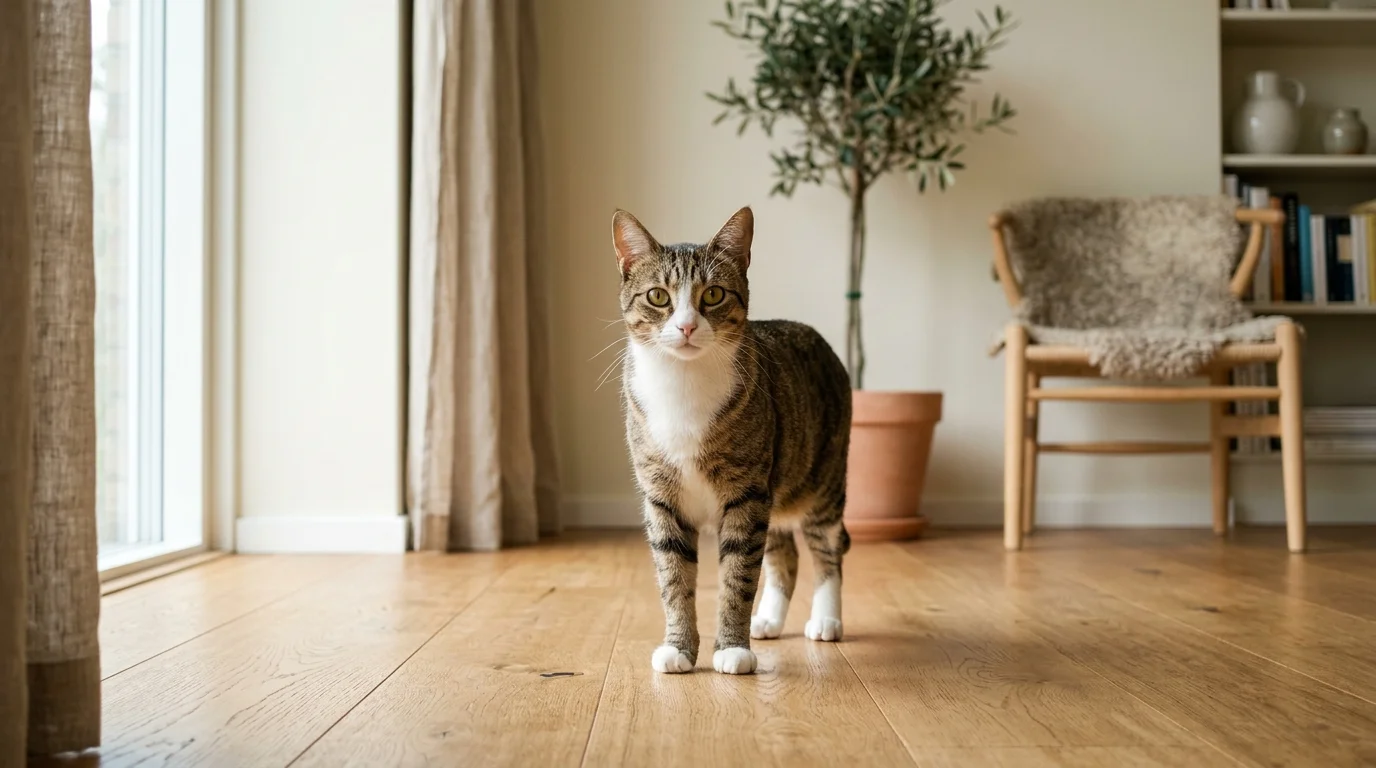
The Brazilian Shorthair is a medium-sized cat with a lean, athletic build — longer than it is tall, with a naturally agile frame suited to its active lifestyle. The body is well-muscled without being heavy, and the legs are proportionate, allowing for quick, graceful movement.
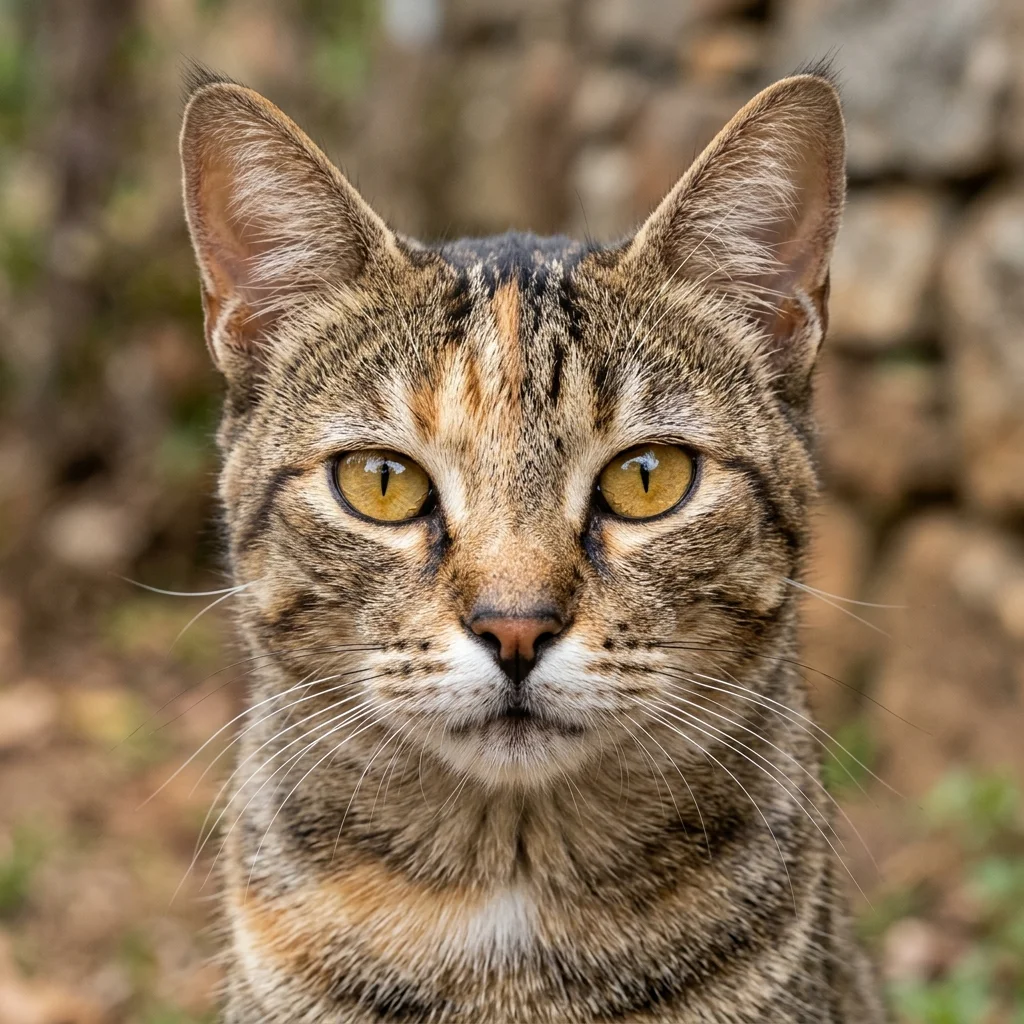
The head is slightly longer than wide, with dramatically expressive, large eyes that can be any color. Ears are medium to large and set wide apart. The coat is short, close-lying, silky, and glossy, and it comes in virtually all recognized colors and patterns.
Weight typically ranges from 3 to 5 kg, with males tending toward the upper end. The tail is medium length and tapers to a rounded tip.
Temperament
Temperament
Brazilian Shorthairs are curious, sociable, and anything but lazy. With an activity level that sits firmly at the high end of the spectrum, they are always on the move — exploring, playing, and seeking out human interaction.
They bond readily with people of all ages and tend to get along well with children and other pets. Their intelligence makes them quick learners, and they enjoy interactive toys and puzzle feeders. While kittens are especially exuberant, adults remain lively companions throughout their long lives.
This breed is notably adaptable: they thrive both as indoor cats and in homes with safe outdoor access. They are not overly demanding or clingy, but they do appreciate company and do best in households where they receive regular attention and engagement.
Activity & Play
Activity & Exercise
The Brazilian Shorthair is an athletic, curious cat with a moderate-to-high energy level. This breed enjoys daily play sessions and mental stimulation to stay balanced and content.
Daily Exercise Needs
Aim for at least 20 to 30 minutes of active play per day. Brazilian Shorthairs are agile climbers and enjoy games that let them run, jump, and pounce.
Play Styles
- Chase and hunt: Wand toys, feather teasers, and laser pointers tap into their natural prey drive.
- Puzzle play: Food-dispensing toys and puzzle feeders keep their quick minds busy.
- Interactive fetch: Many Brazilian Shorthairs will retrieve small toys when engaged regularly.
Recommended Toys
- Wand teasers with feathers or ribbon
- Crinkle balls and lightweight mice
- Puzzle feeders for mealtime enrichment
- Tunnel toys for ambush play
Vertical Space
Provide tall cat trees, shelves, or wall-mounted perches. Brazilian Shorthairs love surveying their environment from height and will use climbing structures daily.
Indoor vs. Outdoor
This breed adapts well to indoor life as long as their environment is enriched. If outdoor access is offered, a secure catio or supervised garden time is safest. They are street-smart but vulnerable to traffic and predators like all cats.
Signs of Under-Stimulation
A bored Brazilian Shorthair may chew on household items, become vocal, or pester other pets. Adding a second cat or rotating toys frequently helps maintain engagement.
Grooming
Grooming
The Brazilian Shorthair's short, silky coat is one of its most practical features. It lies close to the body, rarely mats, and requires very little maintenance.
A weekly brush is all that is needed to remove loose hairs and keep the coat gleaming. During seasonal sheds, you may want to brush a little more often. Because this breed comes in virtually all colors and patterns, coat colors do not affect grooming needs.
Beyond coat care, routine maintenance applies: trim nails every two to three weeks, clean ears gently if needed, and schedule regular dental hygiene to prevent periodontal disease. This is a low-grooming breed overall, making it an excellent choice for busy households.
Health
Health
The Brazilian Shorthair benefits from a broad and diverse gene pool, inherited from centuries of free-roaming street cats. As a result, the breed has no known hereditary or breed-specific health conditions — a genuine advantage over many more narrowly bred pedigrees.
Lifespan is impressive: most Brazilian Shorthairs live 14–20 years, and individuals reaching 21 years or more have been documented.
Standard preventive care still applies: annual veterinary check-ups, core vaccinations, parasite control, and dental monitoring. Because this breed is active, maintaining a healthy weight through a balanced diet and regular play is important for joint health over time.
Nutrition
Nutrition
The Brazilian Shorthair is an active, muscular cat that benefits from a diet centered on high-quality animal protein. Good nutrition supports their lean build and active lifestyle.
Macronutrient Targets
Look for foods where protein makes up at least 30 to 35 percent of dry matter content, with fat around 15 to 20 percent. Carbohydrates should be minimal, as cats are obligate carnivores with limited ability to process plant-based starches.
Wet vs. Dry Food
Wet food is strongly recommended as the primary diet because it provides hydration alongside nutrition. Brazilian Shorthairs, like most cats, have a low thirst drive and can become mildly dehydrated on dry-only diets. A combination of wet food as the main meal with a small amount of high-protein dry kibble as a supplement works well for many owners.
Feeding Frequency
Kittens under six months need three to four small meals per day to support rapid growth. Adults do well on two measured meals daily. Free-feeding dry food is not recommended, as this breed can gain weight if activity levels drop.
Breed-Specific Notes
Brazilian Shorthairs descended from street cats and historically ate diverse prey-based diets. They tend to be good eaters with few food sensitivities, but individual cats may show preferences. Rotate protein sources (chicken, fish, turkey) to ensure broad nutritional coverage and prevent fixation on a single flavor.
Fresh Water
Always provide fresh water. A cat water fountain often encourages better hydration.
Family Fit
Family Fit
The Brazilian Shorthair is a sociable, adaptable breed that fits into a wide range of households. Their friendly temperament makes them a good match for many lifestyles.
Children
Brazilian Shorthairs generally get along well with children who know how to handle cats respectfully. They enjoy interactive play and can keep up with energetic kids. Teach younger children to approach calmly and avoid grabbing.
Other Cats
This breed typically accepts other cats, especially when introductions are gradual. They can become close companions with a compatible feline friend.
Dogs
Brazilian Shorthairs can coexist with dog-friendly dogs. Early introductions and a calm environment help the process. They are confident enough to hold their own but benefit from having cat-only spaces to retreat to.
Elderly Owners
Their moderate energy level suits older owners who can provide daily play sessions without needing extremely high-intensity interaction. They are affectionate without being clingy.
Apartment Living
Brazilian Shorthairs adapt to apartments well, provided they have vertical space and regular playtime. They do not require outdoor access to thrive.
First-Time Owners
This breed is a solid choice for first-time cat owners. They are not overly demanding, communicate clearly, and respond well to positive attention. Their hardy nature also means they are generally low-maintenance health-wise.
Fun Facts
Fun Facts
- The Brazilian Shorthair is the only internationally recognized cat breed from Brazil — a source of national pride in the cat fancy community.
- The breed's ancestry can be traced to cats that arrived on Portuguese sailing ships more than 500 years ago.
- Some Brazilian Shorthairs have been documented living past 21 years, making longevity one of the breed's most remarkable traits.
- Despite being recognized internationally since 1998, the Brazilian Shorthair remains relatively rare outside South America.
- The breed's diverse street-cat gene pool means it has no known hereditary health conditions — a contrast to many highly inbred pedigrees.
FAQ
Frequently Asked Questions
How long do Brazilian Shorthairs live?
Brazilian Shorthairs typically live 14 to 20 years. Their origins as street cats have produced a hardy gene pool, and many reach their late teens with good care.
Do Brazilian Shorthairs shed a lot?
No. Their short, close-lying coat produces minimal shedding compared to most breeds. Weekly brushing is enough to keep loose hair under control.
Are they vocal cats?
Brazilian Shorthairs are moderately vocal. They will communicate with their owners but are not as loud or persistent as Oriental-type breeds. Expect occasional chirps and soft meows.
Are Brazilian Shorthairs hypoallergenic?
No cat is truly hypoallergenic. Brazilian Shorthairs produce the Fel d 1 protein that triggers most cat allergies. Their low-shedding coat means less airborne dander, which some allergy sufferers find easier to manage, but reactions vary by individual.
What does a Brazilian Shorthair cost?
Because the breed is rare outside Brazil, finding a registered breeder internationally can be difficult. When available, prices typically range from 500 to 1,500 USD depending on pedigree and location. Adoption from rescues is another option.
Are they easy to train?
Yes. Brazilian Shorthairs are intelligent and curious, which makes them responsive to clicker training and trick training. They learn quickly when motivated with play or treats.
Gallery
Explore more Brazilian Shorthair-style breeds
Browse related breeds or take our matching quiz to find the right fit for your home.
Stay in the loop
Get weekly breed spotlights, care guides, and new additions - straight to your inbox.