American Curl
affectionate, playful, curious, gentle
Quick Facts
- Lifespan
- 12-16 years
- Weight
- 2.3-4.5 kg
- Origin
- United States
- Coat
- Medium
Overview
Overview
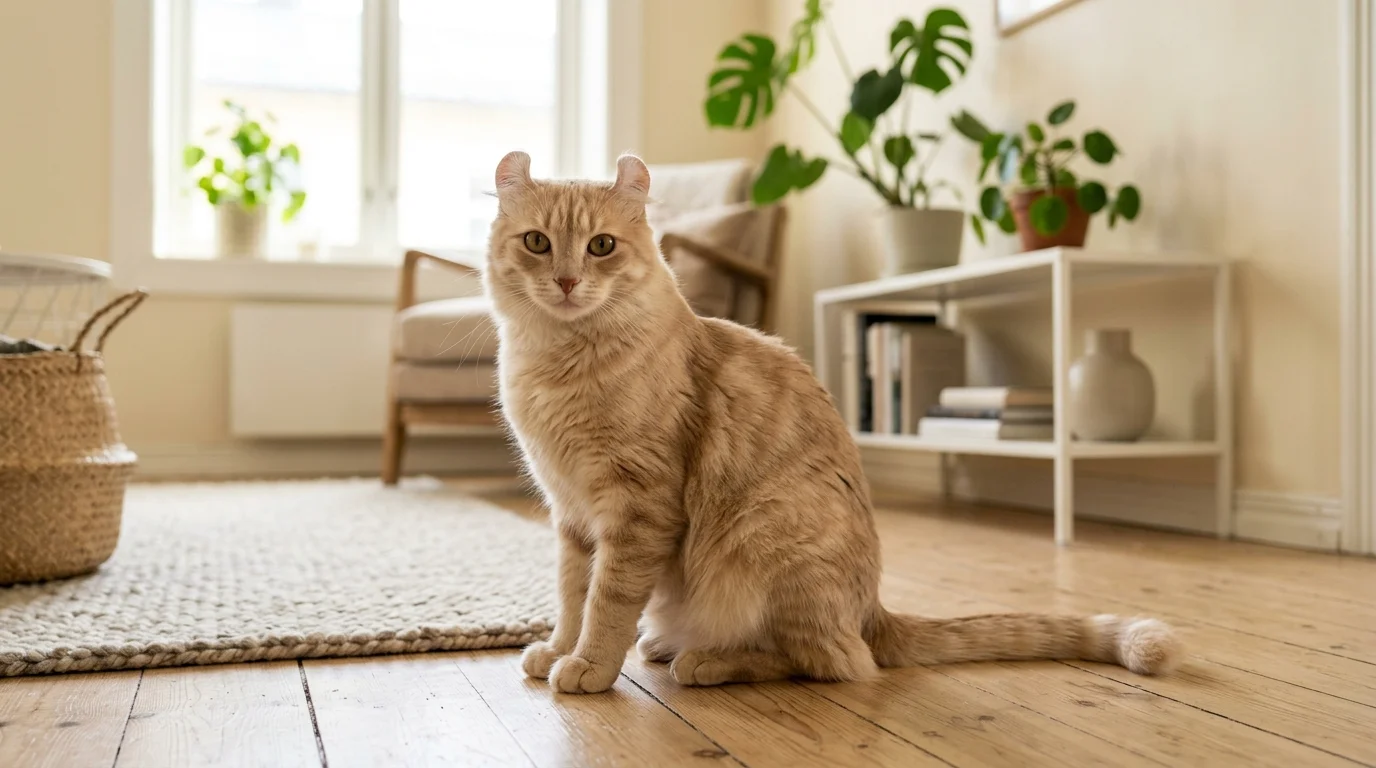
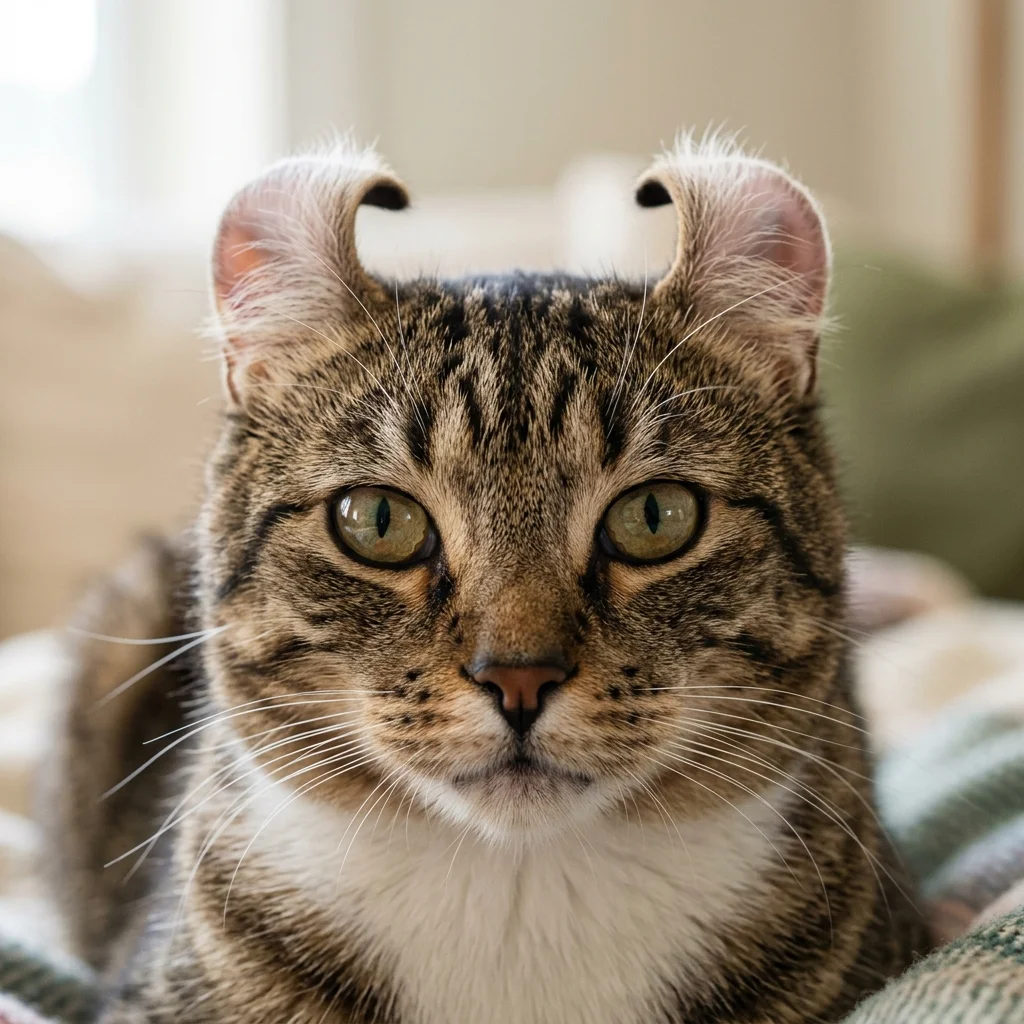
The American Curl is a medium-sized cat with one of the most distinctive physical features in the feline world: uniquely curled-back ears that give the breed a perpetually alert, surprised expression. What makes the American Curl exceptional is that both shorthaired and longhaired varieties exist within the same breed, and all colors and patterns are accepted. Kittens are born with straight ears that begin curling backward within days of birth, with the curl permanently set by around 16 weeks of age.
Beyond their distinctive ears, American Curls are renowned for their eternally kitten-like personality — earning them the nickname "the Peter Pan of the cat world." They are recognized by CFA, TICA, and GCCF, and typically live 12–16 years with a weight of 2.3–4.5 kg.
History & Origins
History
The American Curl's story began on a California doorstep in June 1981, when a stray black female kitten with unusually curled ears arrived at the home of Joe and Grace Ruga in Lakewood, California. They named her Shulamith — the foundational cat of the entire breed.
By 1983, word of Shulamith's unusual kittens had spread, and a geneticist confirmed that the ear curl was caused by a single dominant gene — meaning only one parent needs to carry the gene for offspring to inherit it. This straightforward inheritance pattern made selective breeding relatively predictable.
CFA accepted the American Curl for registration in 1986 and granted full championship status in 1993. TICA recognized the breed in 1987 and granted championship that same year. Outcrossing to domestic non-pedigree cats was permitted until 2015, ensuring a broad and healthy gene pool.
Today, the American Curl is relatively rare in its home country but has developed a devoted international following.
Appearance
Physical Characteristics
The American Curl is a medium-sized cat with a semi-foreign, rectangular body shape. Females typically weigh 2.3–3.5 kg while males reach 3.5–4.5 kg.
Ears: The breed's defining feature. Born straight, the ears begin curling within 3–5 days. Show-quality cats display a smooth arc of 90–180 degrees. The ear tips are flexible, the curl is firm but not rigid, and the cartilage should never feel brittle. Forcible manipulation can damage the cartilage.
Head: Modified wedge shape with smooth contours and walnut-shaped eyes set at a slight angle.
Coat: Available in both shorthair and longhair; all colors and patterns accepted. The silky texture and minimal undercoat give it a flat, smooth appearance.
Tail: Notably long — approximately equal in length to the body — and carried elegantly.
Eyes: All colors are accepted and not required to match coat color.
Temperament
Temperament
American Curls are famously called the "Peter Pan" of cats because their playful, kitten-like energy persists well into adulthood. They are exceptionally people-oriented — these cats will actively pat you with their paw to get your attention and genuinely want to be involved in whatever you are doing.
Curls greet each day with curiosity and enthusiasm. They enjoy exploring, learning tricks, and interacting with both familiar family members and new visitors. Unlike some more independent breeds, American Curls seek companionship and thrive in homes where they receive plenty of attention.
They are gentle and adaptable, making them excellent companions for families with children, other cats, or dogs. Their sociable nature means they do not do well with prolonged isolation — a companion pet is recommended if owners are frequently away.
Activity & Play
Activity Level and Exercise Needs
The American Curl is a playful, energetic cat that retains a kitten-like enthusiasm well into adulthood. Its moderate-to-high energy level means it needs consistent daily engagement, but it is not an exhausting breed to manage compared to truly high-drive cats like the Bengal or Abyssinian.
Daily Exercise
Plan for 25 to 35 minutes of active play per day. The American Curl enjoys multiple short sessions and will often come looking for interaction if it has not received enough stimulation. Evening play before bedtime helps settle the cat for a quieter night.
Play Styles
American Curls enjoy a wide range of play styles. They are enthusiastic chasers, enjoy batting at wand toys, and will participate in fetch if introduced to it young. They are curious and investigative, often following their owners from room to room and inserting themselves into household activities. Interactive puzzle toys hold their attention well.
Vertical Space
The American Curl is an agile climber that uses vertical space readily. Cat trees, wall shelves, and high perches are all appreciated. Their curiosity means they will explore every elevated surface in the home, so dedicating a cat tree near a window satisfies their desire for height and environmental observation simultaneously.
Indoor vs. Outdoor
The American Curl is best kept indoors. Their sociable, trusting nature makes them vulnerable to risks that more independent, streetwise breeds might handle better. Indoor life suits them well, and they adapt to it without distress when their environment is sufficiently enriched.
Enrichment
Variety in toys, play styles, and environmental exploration keeps the American Curl engaged. They are not cats that will entertain themselves with a single toy indefinitely. Rotating the toy selection every few days, providing new scratching surfaces, and spending time in interactive play all contribute to a well-adjusted American Curl.
Grooming
Grooming
The American Curl's coat — whether short or long — has a silky, flat-lying texture with minimal undercoat, which means it is less prone to matting than many medium-length breeds.
Shorthaired: Brush once a week to remove loose hair and maintain coat sheen.
Longhaired: Brush two to three times a week; pay extra attention to the neck ruff, belly, and tail.
Ear care is the most important part of this breed's grooming routine. The curled ear structure can trap wax and debris more readily than straight ears. Clean the ears weekly using a soft cotton pad with a vet-approved ear cleaner — always work from the inside outward and never press deeply into the ear canal. Never forcibly straighten or bend the ear cartilage, as this can cause permanent damage.
Regular nail trims, dental brushing, and eye checks complete the routine.
Health
Health
The American Curl is one of the healthier pedigree breeds, with no breed-specific genetic diseases identified to date. The wide genetic base established through decades of outcrossing to domestic cats has contributed to strong overall health.
Key care points:
- Ear health: The distinctive curled ears can accumulate wax and debris more quickly than straight ears. Without regular cleaning, this can lead to ear infections (otitis). Weekly ear checks are essential.
- Weight management: American Curls enjoy their food and can become overweight without portion control. Obesity increases the risk of diabetes and joint problems.
- Dental hygiene: Regular toothbrushing or dental treats help prevent periodontal disease, which is common across all cats.
With proper preventive care, American Curls typically live 12–16 years, with many reaching their late teens.
Nutrition
Feeding Your American Curl
The American Curl is a medium-sized cat with a well-balanced, moderately muscular body. A diet that supports lean muscle mass, coat health, and consistent energy levels is the right foundation for this breed.
Macronutrient Guidelines
Protein from high-quality animal sources should form the bulk of the American Curl's diet, at 35 to 40% of dry matter content. Chicken, turkey, salmon, and duck are all appropriate primary ingredients. Fat content of 12 to 18% provides energy and supports the health of the coat, which can be shorthaired or longhaired. The curled ears of this breed do not create specific dietary needs, but overall skin and coat health benefits from omega-3 and omega-6 fatty acid intake. Carbohydrates should be kept low.
Wet vs. Dry Food
A wet-primary diet or a mixed approach works well for the American Curl. Wet food supports hydration and urinary tract health, which is relevant for all cats but particularly important for breeds kept exclusively indoors with lower activity-driven water intake. Dry food can be offered in puzzle feeders to satisfy the breed's problem-solving nature and slow eating pace.
Feeding Frequency
Two structured meals per day is appropriate for adult American Curls. Consistent mealtimes help establish routine and make portion tracking simple. Kittens need three to four smaller meals daily until 12 months. The American Curl's kitten phase is extended compared to many breeds, so transition to adult feeding schedules should not be rushed.
Breed-Specific Concerns
The American Curl does not have documented breed-specific dietary conditions. However, their naturally extended kittenhood and moderate appetite make portion discipline important. Weight gain in middle age is a risk if portion sizes are not adjusted as activity level decreases. Monitor body condition quarterly and adjust feeding accordingly. Ear health, while a consideration in terms of cleaning, is not impacted by diet.
Family Fit
Is the American Curl Right for Your Family?
The American Curl is one of the most universally adaptable cat breeds available. Its sociable, gentle, and curious temperament makes it a strong fit across a remarkably broad range of household types.
With Children
American Curls are excellent companions for children of all ages. Their playful nature means they engage willingly in games, and their patience means they handle the unpredictability of young children better than many other breeds. School-age children who want an interactive, curious cat will find the American Curl a rewarding companion. Toddlers should still be supervised.
With Other Cats
The American Curl generally coexists well with other cats. They are not territorial or dominant by nature, and introductions conducted gradually and calmly tend to go smoothly. They often form bonds with feline housemates and are known to groom and sleep alongside compatible companions.
With Dogs
American Curls adapt well to dog companions. Their confidence and sociable nature means they are unlikely to be overwhelmed by a calm dog's presence, and their curiosity often leads them to approach the dog first. A dog that is calm around cats and has been properly introduced is a suitable companion.
For Elderly Owners
The American Curl is a wonderful choice for retirees. Their affectionate, people-oriented nature provides meaningful companionship, and their moderate exercise needs do not require strenuous effort to meet. They enjoy sitting with their owner, being petted, and participating in quiet household activities as much as they enjoy active play.
For Apartments
Apartment life suits the American Curl very well. They do not need outdoor space to thrive and adapt fully to smaller living areas provided they have vertical enrichment and regular interaction. Their moderate vocal level means they will not cause issues in close-proximity living situations.
For First-Time Owners
The American Curl is widely considered one of the best breeds for first-time cat owners. Their balanced temperament, predictable social behavior, low grooming needs relative to their look, and genuine desire for human company make them approachable and rewarding for anyone new to cat ownership.
Fun Facts
Fun Facts
- Peter Pan of cats: American Curls are nicknamed after the boy who never grew up because they retain their playful, kitten-like behavior throughout their entire lives.
- Born straight: All American Curl kittens are born with perfectly straight ears. The distinctive curl doesn't begin developing until 3–5 days after birth.
- Permanent by 16 weeks: The degree of ear curl becomes permanently fixed by around 16 weeks of age — making early kittenhood the critical period for assessing show potential.
- Paw-tap communicators: American Curls are known for gently tapping their owners with a paw to request attention — a behavior breed enthusiasts find irresistibly endearing.
- Rare at home: Despite originating in the United States, the American Curl is more popular internationally than in its home country.
FAQ
How long do American Curl cats live?
American Curls typically live 12 to 16 years. They are a robust breed without significant hereditary health problems. Their longevity is supported by routine veterinary care, a balanced diet, and the low-stress environment of indoor life.
Do American Curl cats shed a lot?
American Curls come in both shorthaired and longhaired varieties. Shorthaired individuals shed moderately and require only weekly brushing. Longhaired American Curls shed more but have a coat without a dense undercoat, which reduces the volume of loose hair compared to true double-coated breeds. Brushing two to three times per week keeps the longhaired coat tangle-free.
Are American Curl cats vocal?
American Curls are moderately vocal and use a soft, pleasant voice to communicate with their owners. They are not demanding or loud but do express themselves with chirps and trills when seeking attention or expressing contentment. Their vocalizations are described by many owners as gentle and easy to live with.
Are American Curl cats hypoallergenic?
No. American Curls produce Fel d 1 like all domestic cats and are not hypoallergenic. People with cat allergies should spend time with a specific individual before adopting. The shorthaired variety may be slightly easier for allergy sufferers due to reduced dander distribution, but this is not guaranteed.
How much does an American Curl kitten cost?
American Curl kittens from reputable breeders typically range from $800 to $2,000. Longhaired individuals with well-defined ear curl are often priced higher. The breed is not as widely available as mainstream breeds, so pricing reflects the limited number of specialist breeders.
Are American Curl cats easy to train?
Yes. The American Curl's intelligence and people-oriented personality make it one of the more trainable domestic cat breeds. They respond well to clicker training and positive reinforcement and can learn to walk on a leash, perform tricks, and respond reliably to their name. Their extended kittenhood means they remain curious and receptive to learning throughout much of their lives.
Gallery
Explore more American Curl-style breeds
Browse related breeds or take our matching quiz to find the right fit for your home.
Stay in the loop
Get weekly breed spotlights, care guides, and new additions - straight to your inbox.