Peterbald
affectionate, social, intelligent, vocal
Quick Facts
- Lifespan
- 12-15 years
- Weight
- 3-5 kg
- Origin
- Russia
- Coat
- Hairless
Overview
Overview
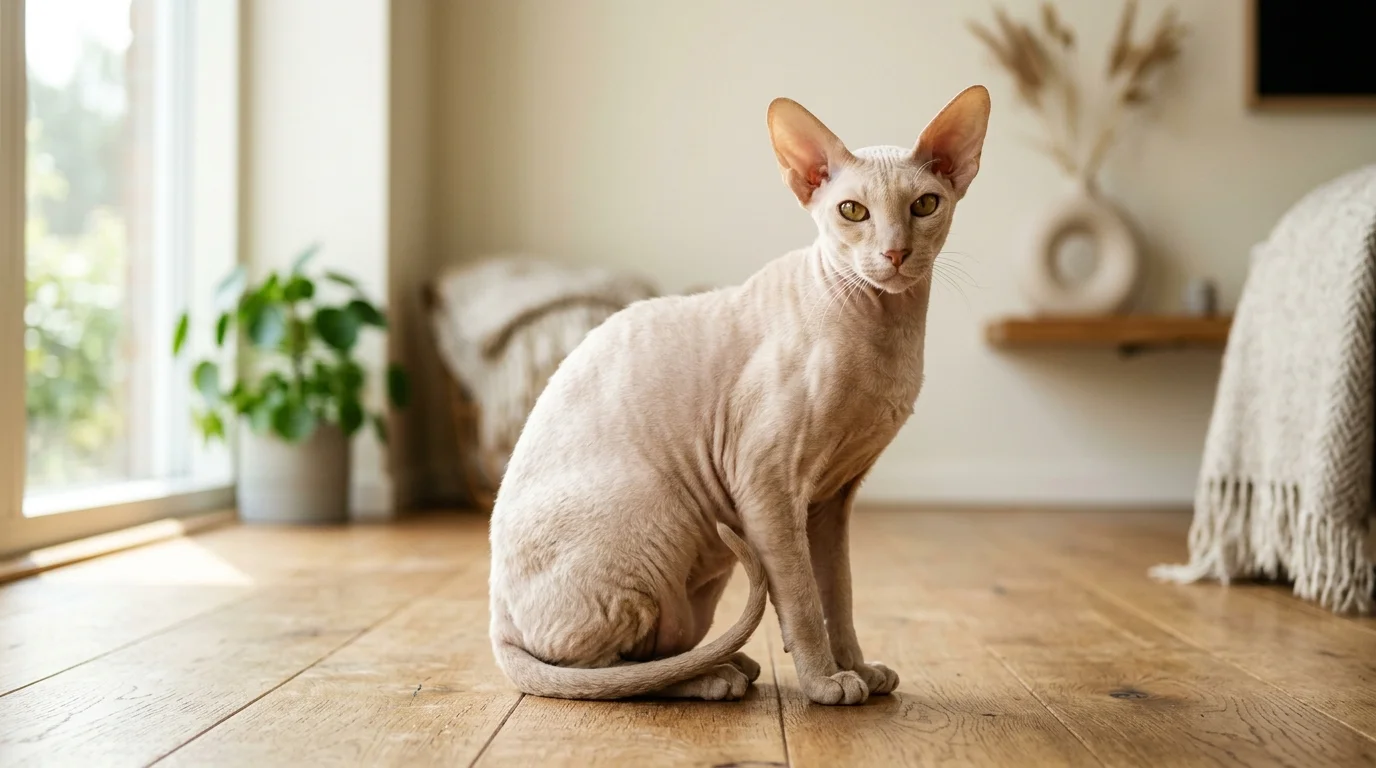
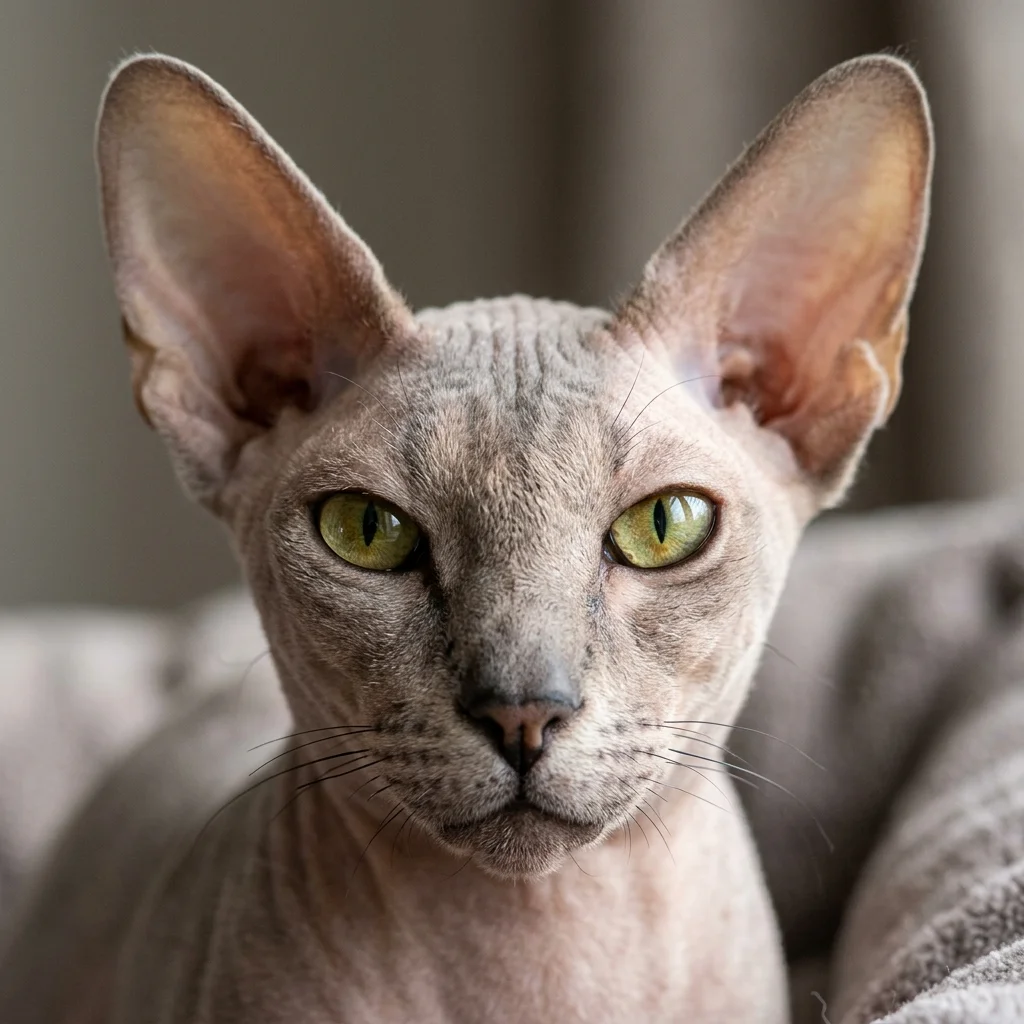
The Peterbald is a slender, elegant Russian cat breed known for its striking hairless or near-hairless appearance, Oriental body type, and extraordinarily affectionate personality. Developed in St. Petersburg, Russia in 1994 through a cross between a Donskoy and an Oriental Shorthair, the Peterbald combines the hair-losing gene of the Donskoy with the refined body and expressive features of the Oriental.
Unlike many hairless breeds, Peterbalds can be born with several distinct coat types ranging from completely bald to velour, brush, or straight-coated — some of which lose their coats over time. The breed is recognized by TICA and the WCF, and is noted for its social, dog-like attachment to its owners. Peterbalds typically weigh 3–5 kg and live 12–15 years.
History & Origins
History
The Peterbald was created in St. Petersburg, Russia in 1994 through an experimental cross conducted by breeder Olga Mironova. The founding cross paired a Donskoy male named Afinogen Myth (a hairless breed from Rostov-on-Don) with an Oriental Shorthair female champion named Radma von Jagerhov. The goal was to combine the hair-losing gene of the Donskoy with the refined, long-limbed Oriental Shorthair body type.
The resulting litter produced the breed's foundation stud, Nocturne Iz Murino, who appears in every Peterbald pedigree registered today.
The breed received recognition from the Russian Selectional Feline Federation (SFF) in 1996, TICA in 1997 (championship status in 2005), and the World Cat Federation (WCF) in 2003. The breed's name honors its city of origin, St. Petersburg.
Since 2014, the Netherlands has prohibited breeding Peterbalds due to welfare concerns related to the mutation causing hairlessness.
Appearance
Physical Characteristics
The Peterbald has a distinctly Oriental body structure — lean, long, and elegant. Weight ranges from 3–5 kg.
Body: Long and muscular with a narrow, tubular torso and long, fine-boned legs.
Head: Narrow, elongated wedge shape with a long, straight profile, prominent cheekbones, and a strong chin.
Ears: Very large, wide at the base, and angled slightly outward.
Eyes: Almond-shaped, medium to large, set at a slight angle; all colors accepted.
Paws: Notably oval with long, webbed toes that allow some Peterbalds to grasp objects and even open lever-style doorknobs.
Coat types (five possible):
- Bald/rubber: completely hairless and remains so
- Flock: very fine, downy coat resembling chamois; may disappear over time
- Velour: wavy coat covering much of the body; usually disappears within two years
- Brush: wiry, bristly coat on the face and body; does not disappear
- Straight: normal domestic cat coat; carries the hair-losing gene but does not express it
Temperament
Temperament
Peterbalds are among the most social and affectionate cat breeds. They are loyal to a degree often compared to dogs — following their owners throughout the home, greeting guests at the door, and seeking physical closeness at almost all times. These cats do not do well when left alone for extended periods, and a companion pet is strongly recommended for households where the owner is frequently absent.
They are sweet-tempered, curious, and energetic — always exploring their environment and engaging with whatever activity is happening around them. Peterbalds are intelligent and respond well to positive training, including learning their name, tricks, and even basic commands.
The breed is excellent with children, other cats, and cat-friendly dogs. Their vocal nature (they communicate frequently with soft trills and meows) adds to their interactive, communicative personality.
Activity & Play
Activity & Exercise
The Peterbald is a lively, agile, and highly sociable cat with energy levels that exceed the average domestic breed. Related to the Oriental Shorthair, it shares that breed's enthusiasm for activity and interaction.
Daily Exercise Needs
Aim for 45 to 60 minutes of active play each day, spread across multiple sessions. The Peterbald is not a cat that self-entertains contentedly for hours -- it wants to be involved with its people and engaged in purposeful activity.
Play Styles
The Peterbald plays with agility and speed:
- Wand toys and feather teasers: the Peterbald is acrobatic and will leap and spin for airborne toys
- Fetch: can be trained to retrieve, and many Peterbalds do so naturally
- Interactive chase games: movement across the floor triggers strong pursuit
- Puzzle feeders: engage the breed's intelligence between active sessions
- Companionship-based play: the Peterbald often initiates play with its owner independently
Vertical Space
Vertical access is important. The Peterbald is an elegant climber despite its slender frame. Cat trees with multiple levels, wall shelves, and high perches give it the elevation it naturally seeks. Height of 5 to 6 feet or more is ideal.
Indoor vs. Outdoor
The Peterbald should be kept indoors only. Its hairless or near-hairless coat provides no protection from sun exposure, cold, or abrasion. Outdoor time should be limited to a secure catio in mild weather, with care taken to avoid prolonged sun exposure which can cause sunburn.
Mental Stimulation
Highly intelligent and easily bored. Rotate toys regularly, use food puzzles daily, and ensure the Peterbald has feline or human company for much of the day. Without adequate stimulation, it may become vocal or anxious.
Grooming
Grooming
Grooming a Peterbald is quite different from caring for a coated breed, and requires specific attention to skin health and temperature comfort.
Skin cleaning: Hairless and near-hairless Peterbalds produce natural skin oils that accumulate without fur to absorb them. Wipe the skin down with a warm, damp cloth or gentle pet wipe every few days to prevent buildup, which can lead to skin irritation or blocked pores.
Bathing: Bathe weekly or every two weeks using a gentle, hypoallergenic cat shampoo. Avoid over-bathing, which strips protective oils and causes the skin to overproduce sebum.
Sun and temperature protection: The bare skin is vulnerable to sunburn with prolonged sun exposure. Keep Peterbalds indoors or use pet-safe sun protection. In cold environments, provide warm bedding, heated cat beds, or cat-appropriate clothing to prevent chill.
Ears: Clean weekly — hairless cats tend to accumulate ear wax faster than coated breeds.
Nails and dental: Trim nails every 2 weeks; brush teeth regularly.
Health
Health
Peterbalds are relatively healthy cats with a lifespan of 12–15 years, but their unique coat genetics create specific care requirements:
- Skin sensitivity: Without protective fur, the skin is exposed to environmental irritants, temperature extremes, and UV radiation. Dry skin, rashes, and sunburn are possible if the cat is not properly protected.
- Temperature regulation: Peterbalds lack the insulating layer of fur and feel temperature changes more acutely than coated breeds. They require warm sleeping areas and should not be kept in cold environments.
- Dental health: Tooth decay and periodontal disease are noted concerns for the breed; regular dental care is important.
- Metabolism: Peterbalds have a faster metabolism than average cats to compensate for heat loss through bare skin. They typically eat more than comparably sized coated cats and should be fed a high-quality, protein-rich diet.
- Eye care: The large, open eyes can be prone to discharge; gentle daily cleaning is advisable.
Nutrition
Nutrition
The Peterbald has a faster metabolism than most domestic cats due to its lack of insulating coat. It burns more calories maintaining body temperature, which has direct implications for its dietary needs.
Macronutrient Targets
- Protein: 40 to 50% of dry matter -- high animal protein to support muscle maintenance and the higher metabolic rate
- Fat: 20 to 30% of dry matter -- important for energy density and skin health; skin conditions can arise in hairless cats with inadequate fat intake
- Carbohydrates: keep below 10%
Wet vs. Dry Food
Wet food is preferred for the Peterbald. The higher caloric density per volume suits its accelerated metabolism, and the moisture content supports kidney and urinary health. A combination of wet food and high-quality, low-carbohydrate dry food is an acceptable alternative. Avoid grain-heavy formulas.
Feeding Frequency
- Kittens (under 6 months): 4 meals per day -- rapid growth combined with high metabolism requires frequent fuelling
- Juniors (6 to 12 months): 3 to 4 meals per day
- Adults (1 to 8 years): 2 to 3 meals per day; many Peterbalds do well with three smaller meals rather than two large ones
- Seniors (8+): 2 to 3 meals per day; monitor for unintended weight loss, which is a common concern in older hairless cats
Breed-Specific Considerations
The Peterbald's lack of coat means it loses more body heat and requires more calories than average. Weight loss or poor coat condition (in coated varieties) can indicate inadequate caloric intake. Omega-3 and omega-6 fatty acids in the diet support skin barrier health. A vet familiar with hairless breeds can help fine-tune the diet for individual cats.
Family Fit
Family Fit
The Peterbald is an affectionate, people-oriented cat that bonds closely with its family. Its sociable and warm nature makes it a strong fit for households that can offer regular interaction and companionship.
With Children
Good with older children who engage in calm, interactive play. The Peterbald is not fragile in personality, but its skin requires gentle handling -- rough play or grabbing can cause skin irritation in hairless or near-hairless individuals. Children should be taught to handle the cat with care. Best suited to children aged 6 and above.
With Other Cats
The Peterbald thrives with feline companions. It dislikes being alone and genuinely benefits from having another cat -- ideally an active one -- as company. Multi-cat households with compatible energy levels work very well for this breed.
With Dogs
Generally good with dogs when introduced properly. The Peterbald's confidence and sociability help it adapt to canine housemates. Avoid dogs with high prey drive, as the Peterbald's hairless appearance and quick movement can trigger chase behaviour.
With Elderly Owners
Can work well with older adults who are home frequently and can provide consistent companionship. The Peterbald's affectionate nature and love of lap time suit quieter households, but its energy level means it should not be left alone for long periods.
Apartment Living
Well suited to apartment life provided it has adequate stimulation and company. The Peterbald does not need outdoor space and adapts to smaller environments. It should always be kept indoors given its sensitive skin.
For First-Time Cat Owners
Possible for first-timers who have researched the breed's specific skin care needs and are prepared to provide consistent daily engagement. The Peterbald's social demands and skin care requirements (bathing, sun protection, temperature regulation) are more involved than average.
Fun Facts
Fun Facts
- Door-opening paws: Peterbalds have long, flexible, webbed toes that some individuals use to grasp and open lever-style door handles — a talent that surprises many new owners.
- St. Petersburg namesake: The breed is named directly after St. Petersburg, the Russian city where it was created — one of the few cat breeds directly named after a city.
- Five coat types: A single Peterbald litter can contain kittens with five completely different coat presentations — from fully bald to near-normal coated — all from the same parents.
- Hair-losing gene: Some Peterbalds born with a coat gradually lose it over their first two years of life, ending up bald or near-bald as adults.
- The foundation cat is in every pedigree: Every registered Peterbald in the world today traces lineage directly to Nocturne Iz Murino, the very first kitten from the 1994 founding cross.
FAQ
Frequently Asked Questions
How long do Peterbalds live?
The Peterbald typically lives 12 to 15 years. It is a relatively young breed (developed in Russia in the 1990s) with a still-developing health record, but most individuals live full, healthy lives with proper care.
Do Peterbalds need baths?
Yes. Without a coat to absorb skin oils, hairless and near-hairless Peterbalds accumulate oils on the skin surface. Weekly bathing with a gentle cat-safe shampoo keeps the skin clean and prevents buildup. Coated varieties (brush coat, velour) need less frequent bathing but more attention to the coat itself.
Are Peterbalds vocal?
Yes, and notably so. The Peterbald inherits vocal tendencies from its Oriental and Siamese ancestry. It will communicate its needs, opinions, and affection clearly and often. This is not a quiet breed. Those who prefer silence should choose another breed.
Are Peterbalds hypoallergenic?
The Peterbald is sometimes described as low-allergen due to its reduced coat, but it is not truly hypoallergenic. The main cat allergen, Fel d 1, is a skin and saliva protein, not a coat protein. Hairless cats still produce it. Some allergy sufferers find hairless breeds more manageable, but results vary individually.
How much does a Peterbald cost?
Peterbalds are rare outside Russia and Eastern Europe. Expect to pay between $1,700 and $3,000 USD from a reputable international breeder. Availability in Western countries is limited.
How do Peterbalds handle cold weather?
Poorly. The Peterbald has no coat insulation and feels cold quickly in temperatures below 20 degrees Celsius (68 degrees Fahrenheit). Indoor heating is essential in cool climates. Cat sweaters or jumpers are not just aesthetic -- they serve a practical purpose for this breed during colder months.
Do Peterbalds do well alone?
No. The Peterbald is a highly social cat that suffers when left alone for extended periods. If owners are away frequently, a second cat (ideally another active, social breed) is strongly recommended as a companion.
Gallery
Explore more Peterbald-style breeds
Browse related breeds or take our matching quiz to find the right fit for your home.
Stay in the loop
Get weekly breed spotlights, care guides, and new additions - straight to your inbox.