Khao Manee
active, playful, intelligent, social
Quick Facts
- Lifespan
- 10-12 years
- Weight
- 2.5-5 kg
- Origin
- Thailand
- Coat
- Short
Overview
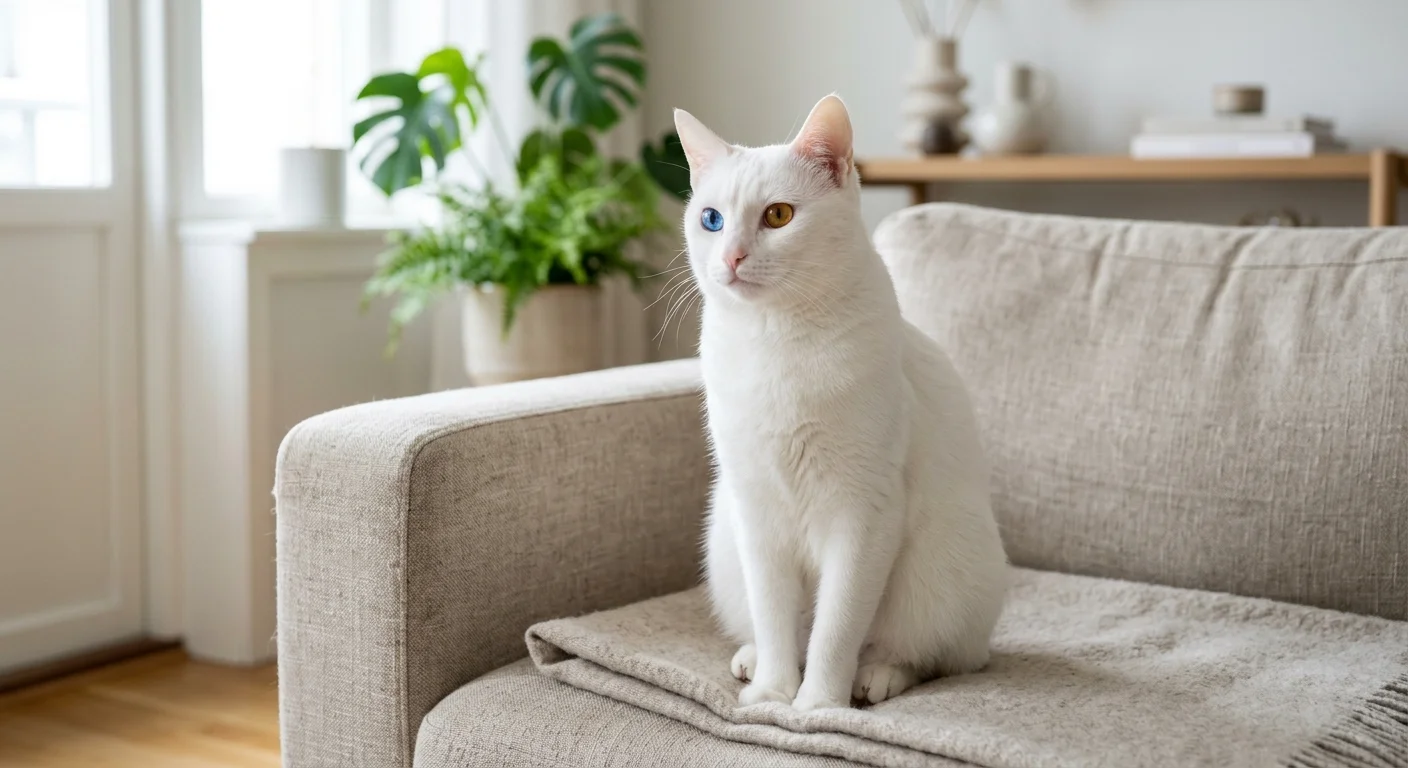
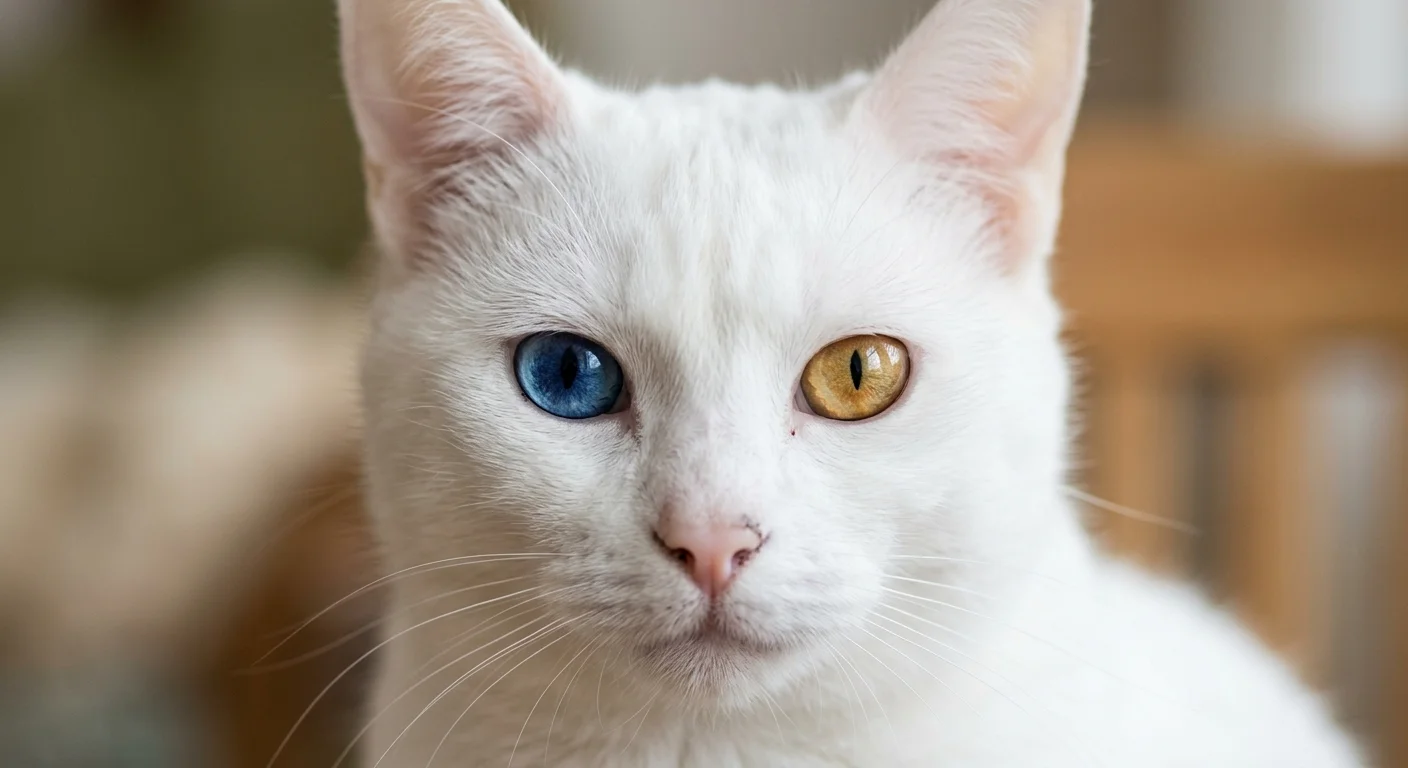
The Khao Manee — meaning "white gem" or "diamond eye" in Thai — is an ancient and rare breed from Thailand with a history spanning centuries. Distinguished by its pure white coat and jewel-bright eyes that may be blue, gold, or the remarkable combination of odd-eyes (one of each colour), the Khao Manee was once exclusive to Thai royalty and is still considered a symbol of good fortune in its homeland. This active, social, and vocal breed makes a devoted companion for those lucky enough to find one.
History & Origins
The Khao Manee is one of Thailand's most ancient cat breeds, documented in the Tamra Maew — a collection of cat poems from the Ayutthaya period (c. 1350–1767) — where it is described as a cat of great fortune. The breed was historically kept exclusively within the Thai royal court and is associated with royalty, luck, and spiritual protection.
In the late 19th century, King Chulalongkorn (Rama V) maintained a breeding programme for the Khao Manee. For many decades, Thai authorities prohibited the export of these cats.
In 1999, American breeder and conservationist Colleen Freymuth obtained authorisation to export the first Khao Manee cats to the United States, establishing the first breeding programme outside Thailand. TICA accepted the breed for registration, and the CFA began registering it in 2018. The Khao Manee remains one of the rarest cat breeds in the West.
Appearance
The Khao Manee is a medium-sized, agile cat with a modified wedge-shaped head and high cheekbones. The nose, ear tips, and chin form a near-equilateral triangle when viewed from the front, giving the face a refined, symmetrical appearance. Adults typically weigh 2.5–5 kg.
The coat is pure white, short, and close-lying with minimal undercoat. The most celebrated feature of the breed is its eyes: almond-shaped and sparkling, they may be blue, gold, yellow, green, or the highly prized odd-eyed combination of one blue and one gold eye. All eye colours are genetically possible within the breed.
The body is medium in length and agile, with a flexible, springy quality. The tail is medium in length and tapers to a rounded tip.
Temperament
The Khao Manee is an energetic, social, and deeply affectionate breed that loves being the centre of attention. Like its Thai cousin the Siamese, the Khao Manee is highly vocal and communicative — it will hold conversations with its owners and make its needs known with a wide range of chirps, trills, and meows.
These cats are people-oriented and do not thrive when left alone for long periods. They form strong bonds with their families and are warmly welcoming of visitors, making them an unusually outgoing breed. They are intelligent and curious, with a playful nature that persists well into adulthood.
Khao Manee cats get along well with children and other pets. Their high activity level and love of interaction means they are best suited to homes where they will receive regular engagement and companionship.
Activity & Play
Activity Level and Exercise Needs
The Khao Manee is an active, lively cat with a personality much larger than its sleek white body might suggest. Sacred in Thai culture and historically associated with royalty, this breed brings confident energy and genuine curiosity into every home it enters.
Daily Exercise
Khao Manee cats benefit from 30 to 40 minutes of active play each day. They enjoy both solo and interactive play and will often initiate sessions themselves when they feel under-stimulated. Multiple shorter play sessions throughout the day are more effective than one long session.
Play Styles
This breed enjoys a wide variety of play styles. Wand toys, feather teasers, and crinkle balls are favorites. The Khao Manee is also known for engaging in brief fetch games and will carry small toys back to their owner. Their intelligence means they solve simple puzzle toys quickly, so varied enrichment is important.
Vertical Space
Khao Manee cats are athletic climbers. Cat trees, wall-mounted shelves, and tall bookcases are all utilized. They prefer elevated positions where they can observe the household and will often find the highest available spot in a room. Providing dedicated vertical infrastructure reduces the chance of unwanted climbing on shelves and counters.
Indoor vs. Outdoor
The Khao Manee can adapt to a fully indoor life with sufficient enrichment. Their white coat and blue or gold eyes make them highly visible outdoors, and they lack the caution of more reserved breeds. Indoor life protects them from traffic, predators, and the health risks their open, curious nature would expose them to outside.
Enrichment Needs
Beyond physical play, the Khao Manee needs social interaction. They do not do well when left alone for long periods and benefit from a companion animal or a household with people home much of the day. Rotating toys and novel environments help maintain their mental engagement.
Grooming
The Khao Manee's short, close-lying white coat is surprisingly low-maintenance. Weekly brushing with a soft bristle brush or rubber grooming mitt is sufficient to remove loose hairs and keep the coat gleaming.
The white coat can show dirt and staining more readily than darker coats, so occasional bathing may be needed to keep the cat looking its best. The eyes should be checked regularly and gently wiped as needed — some individuals may be prone to mild tear-staining, particularly around the inner corners.
Regular nail trimming, ear cleaning, and dental care round out the routine. Any hearing concerns should be discussed with a veterinarian, particularly for blue-eyed or odd-eyed individuals.
Health
The Khao Manee is generally a healthy breed with no breed-specific genetic diseases identified beyond those common to white cats. The most significant health consideration is congenital deafness, which is linked to the white coat and blue eye colour in cats.
Blue-eyed white cats carry a higher risk of deafness due to the absence of pigment cells in the inner ear. Odd-eyed Khao Manee may be deaf in the ear on the same side as the blue eye. Not all white or blue-eyed cats are deaf, but prospective owners should ask breeders about BAER (Brainstem Auditory Evoked Response) testing, which can confirm hearing in individual cats.
With appropriate care and regular veterinary check-ups, Khao Manee cats typically live 10–12 years.
Nutrition
Feeding Your Khao Manee
The Khao Manee is a lean, athletic cat and its diet should keep it in peak physical condition without encouraging weight gain. A nutrient-dense, protein-forward diet suits this active breed well.
Macronutrient Guidelines
Protein should form the foundation of the Khao Manee's diet, with high-quality animal sources like chicken, turkey, or fish making up at least 35 to 40% of dry matter content. Fat content of 12 to 18% supports coat health and energy levels. The breed's striking white coat benefits from foods containing omega-3 and omega-6 fatty acids, which help maintain skin health and coat brightness. Carbohydrates should be minimal, used primarily as a binding agent rather than an energy source.
Wet vs. Dry Food
Wet food is particularly beneficial for Khao Manee cats, whose moderate water intake can leave them relying on food moisture for adequate hydration. A wet-primary diet reduces the risk of urinary issues. Dry food can be offered in measured amounts or through puzzle feeders that engage the breed's active mind.
Feeding Frequency
Two structured meals per day works well for adult Khao Manee cats. Set meal times help establish routine, which this socially oriented breed appreciates. Kittens need three to four meals daily until 12 months of age to support their rapid growth and high metabolic demands.
Breed-Specific Concerns
The Khao Manee has no breed-specific dietary conditions documented at this time. However, maintaining a lean body condition is important, as excess weight reduces their natural agility. Avoid free-feeding and monitor body condition monthly. Any sudden change in appetite warrants a veterinary consultation, as this social breed can develop stress-related eating changes when its routine or environment is disrupted.
Family Fit
Is the Khao Manee Right for Your Family?
The Khao Manee is a deeply people-oriented breed. It thrives in homes with plenty of human interaction and struggles in environments where it is frequently left alone. For families who can meet its social needs, it is an exceptionally rewarding companion.
With Children
Khao Manee cats generally love children. Their high energy and playful temperament make them willing participants in active play, and they are robust enough to handle the stimulation that children provide. Supervision with toddlers is always advisable, but school-age children who engage them respectfully will find an enthusiastic and loyal friend.
With Other Cats
The Khao Manee does well with other sociable cats. They enjoy company and can become lonely if left as the sole pet in a household where owners work long hours. Introductions should be gradual, but this breed's sociability means it typically adapts to new feline housemates faster than more territorial breeds.
With Dogs
Khao Manee cats adapt well to dog companions provided the dog is calm and respectful. Their confident nature prevents them from becoming fearful or hiding indefinitely. A proper introduction over several days or weeks allows both animals to reach a comfortable equilibrium.
For Elderly Owners
Active retirees who enjoy a highly interactive, affectionate companion will find the Khao Manee delightful. However, their energy level and need for engagement makes them a poor fit for owners who prefer a hands-off pet. They genuinely seek out human presence and can become anxious without it.
For Apartments
The Khao Manee can live well in an apartment provided it receives sufficient attention, vertical space, and enrichment. It does not need a large floor area, but it does need a rich environment and consistent human presence.
For First-Time Owners
The Khao Manee is manageable for first-time owners who are prepared for an actively social cat. Their grooming needs are minimal due to their short white coat, but their emotional needs are significant. First-timers who enjoy interactive pet ownership will find them straightforward and deeply rewarding.
Fun Facts
- The name Khao Manee translates from Thai as "white gem" or "diamond eye" — a reference to the breed's brilliantly sparkling eyes.
- Odd-eyed Khao Manee — with one blue and one gold eye — are considered especially lucky in Thailand and are highly prized.
- The breed is documented in the Tamra Maew, a collection of ancient Thai cat poems believed to date back to the 14th century.
- Thailand historically prohibited the export of Khao Manee cats, keeping the breed a royal secret for centuries.
- The Khao Manee is so rare outside Thailand that finding a reputable breeder in North America or Europe can require considerable research and a waiting list.
FAQ
How long do Khao Manee cats live?
Khao Manee cats typically live 10 to 12 years, though individuals with good genetics and attentive care often exceed this range. As a relatively rare breed outside of Thailand, comprehensive longevity data from Western breeding programs is still being gathered.
Do Khao Manee cats shed a lot?
The Khao Manee has a short, single-layer coat that sheds minimally compared to double-coated breeds. A weekly brushing session is sufficient to remove loose hair and keep the coat looking clean and bright. They are not heavy shedders, making them relatively easy to maintain in terms of coat care.
Are Khao Manee cats vocal?
Yes, the Khao Manee is known for being vocal and communicative. They will engage in extended conversations with their owners and are not shy about expressing their needs or opinions. This trait, combined with their strong social drive, makes them feel very interactive and dog-like to many owners.
Are Khao Manee cats hypoallergenic?
No. Despite their short coat, Khao Manee cats produce Fel d 1 and are not hypoallergenic. Their minimal shedding may reduce allergen distribution slightly in the home, but anyone with cat allergies should spend time with a specific individual before adopting.
How much does a Khao Manee kitten cost?
Khao Manee kittens are rare outside of Southeast Asia. In Western countries, prices from reputable breeders range from $1,000 to $3,000 or more depending on eye color, lineage, and availability. Odd-eyed individuals, considered especially lucky in Thai tradition, are often priced at the higher end.
Are Khao Manee cats easy to train?
Khao Manee cats are highly intelligent and trainable. They learn quickly through positive reinforcement and enjoy mental challenges. Many owners successfully train them to walk on a leash, perform tricks, and respond to their name reliably. Their social nature makes them motivated to engage with their owners during training sessions.
Gallery
Explore more Khao Manee-style breeds
Browse related breeds or take our matching quiz to find the right fit for your home.
Stay in the loop
Get weekly breed spotlights, care guides, and new additions - straight to your inbox.