Ragamuffin
docile, calm, affectionate, gentle
Quick Facts
- Lifespan
- 12-16 years
- Weight
- 3.6-9 kg
- Origin
- United States
- Coat
- Long
Overview
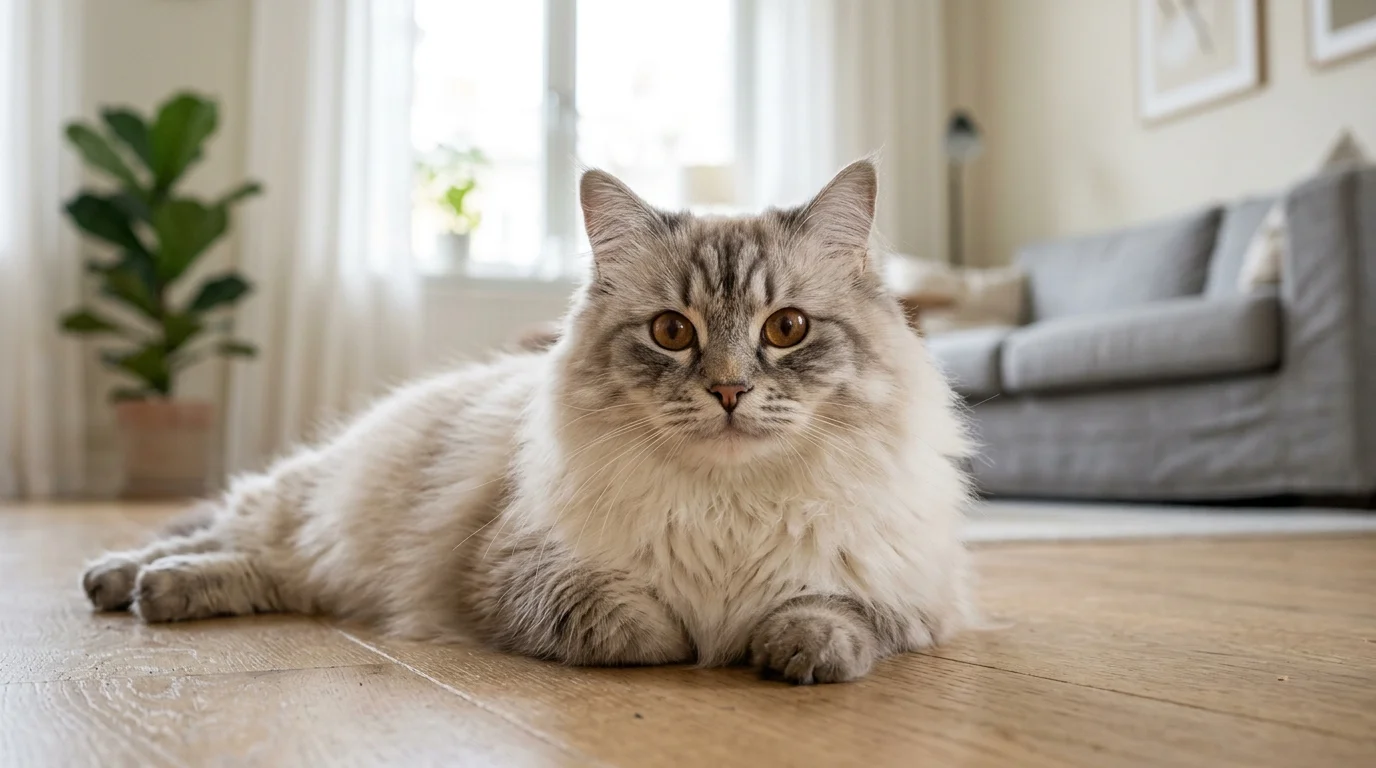
The Ragamuffin is a large, plush-coated cat beloved for its extraordinarily gentle and docile nature. Often described as a "living teddy bear," this breed goes completely limp when held — a trait it shares with its close relative, the Ragdoll. Patient, affectionate, and deeply people-oriented, the Ragamuffin is one of the most family-friendly breeds available, thriving equally well with children, other pets, and multi-person households.
History & Origins
The Ragamuffin's story begins with the Ragdoll — a breed developed in the 1960s by controversial California breeder Ann Baker. Baker trademarked the Ragdoll name and established strict — and some said unreasonable — rules governing how breeders could work with her cats. By 1994, a group of breeders had grown frustrated enough to break away and create an entirely new breed.
To distinguish their cats from the Ragdoll and to broaden the gene pool, these founders introduced crosses with Persians, Himalayans, and domestic longhaired cats. The result was the Ragamuffin — similar in temperament and body type to the Ragdoll, but available in a much wider range of colours and patterns, including tortoiseshell and mink.
The CFA accepted the Ragamuffin for registration in 2003 and granted Championship status in 2011. TICA and GCCF also recognize the breed. Today the Ragamuffin is treasured as one of the most reliably gentle large cat breeds in existence.
Appearance
The Ragamuffin is a large, heavy-boned cat that takes up to four years to reach full maturity. Males typically weigh 6–9 kg; females are lighter at 3.6–6 kg. The body is broad-chested and muscular, with a rectangular torso, a slightly fatty pad on the lower abdomen, and substantial, well-boned limbs.
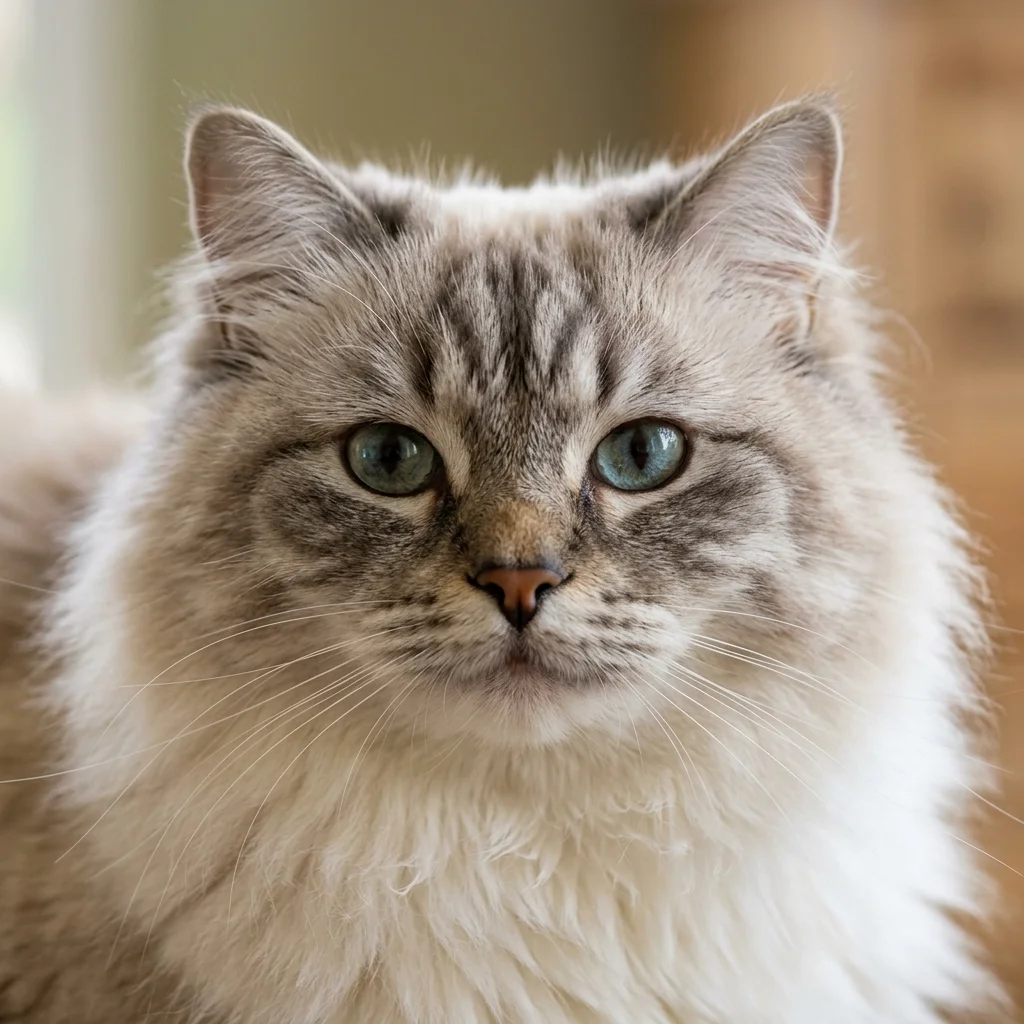
The coat is semi-long, thick, and silky, forming a ruff around the neck and longer tufts on the ears, paws, and tail. Unlike the Ragdoll, the Ragamuffin is accepted in virtually all colours and patterns — solid, tabby, tortoiseshell, bi-colour, and mink are all permitted.
The head is a broad, modified wedge with a rounded forehead, a short muzzle, and full cheeks that give the face a soft, sweet expression. Eyes are large and oval, and can be any colour; odd-eyed and blue-eyed cats are common in bi-colour varieties. The tail is long and bushy.
Temperament
Ragamuffins are renowned for their puppy-like devotion to their owners. They follow family members from room to room, greet people at the door, and will happily spend hours on a lap or snuggled beside someone on the sofa. Their patience is legendary — they endure being carried by children and handled by visitors with calm equanimity.
Despite their low energy level, Ragamuffins are playful in a gentle, unhurried way. They enjoy interactive toys and puzzle feeders, but are unlikely to knock things off shelves or race frantically around the house. Their style of engagement is more of a slow burn — attentive, curious, and sweet.
Ragamuffins do not do well with long periods of isolation. They are social by nature and may become distressed if left alone for extended stretches. Having a companion cat or dog greatly helps if the household is often empty during the day.
They communicate in soft, quiet voices and rarely demand attention aggressively. Their gentle approach makes them particularly well-suited to households with elderly owners or very young children.
Activity & Play
Activity & Exercise
The Ragamuffin is a laid-back, gentle giant that falls on the calmer end of the feline activity spectrum. Despite its large, sturdy body, this breed has a moderate energy level and is perfectly content spending long stretches of the day lounging on a soft surface near its favorite people.
Daily Exercise Needs
Ragamuffins benefit from around 20 to 30 minutes of interactive play each day. They are not the type to race around the house on their own, so owner-initiated play sessions are important to keep them mentally stimulated and physically fit. Without regular activity, Ragamuffins can become overweight, which puts strain on their large frame.
Play Styles
This breed responds well to gentle, interactive play. Wand toys and feather teasers are favourites because they allow the Ragamuffin to tap into its natural hunting instincts without requiring intense bursts of energy. Puzzle feeders and treat-dispensing toys provide mental enrichment and slow down eating at the same time. Many Ragamuffins enjoy carrying toys in their mouth and will bring them to their owners like a dog fetching a ball.
Vertical Space & Environment
Ragamuffins are not particularly strong climbers compared to more athletic breeds, but they do appreciate having a sturdy cat tree at a low to medium height where they can survey their surroundings. Wide, stable platforms are preferred over narrow perches. Soft beds and plush blankets placed around the home give this comfort-loving cat the resting spots it craves.
Indoor vs. Outdoor
Ragamuffins are best kept as indoor cats. Their trusting, docile temperament makes them vulnerable outdoors, as they are unlikely to defend themselves against threats. A secure garden or enclosed balcony can provide safe outdoor stimulation if desired.
Grooming
The Ragamuffin's semi-long, silky coat is surprisingly resistant to matting despite its length and thickness. Unlike Persian coats, which tangle easily, the Ragamuffin's texture is more similar to rabbit fur — soft, plush, and relatively tangle-free.
Daily brushing is recommended to keep the coat at its best and to prevent any tangles from forming, particularly around the neck, armpits, and hindquarters where friction is greatest. A wide-toothed comb followed by a soft slicker brush works well. During seasonal shedding periods, more frequent attention will prevent excessive hair buildup around the home.
In addition to coat care, Ragamuffins benefit from regular nail trims, ear cleaning, and routine dental care. Because the breed has a tendency toward obesity, maintaining a feeding schedule and monitoring weight is an important part of overall health management.
Health
Ragamuffins are generally healthy cats with a lifespan of 12–16 years, though they share some health predispositions with their Ragdoll and Persian relatives. The two most important conditions to be aware of are hypertrophic cardiomyopathy (HCM) and polycystic kidney disease (PKD).
HCM is the most common heart disease in cats and has been identified in Ragamuffin lines. Responsible breeders screen breeding cats via echocardiogram annually. PKD, which causes cysts to develop on the kidneys over time, can be identified through DNA testing — a responsible breeder will provide PKD-clear certificates for their breeding cats.
Obesity is a significant concern for the breed. Ragamuffins love to eat and have a relaxed disposition, which together make weight gain easy. Controlled feeding, regular play sessions, and routine veterinary check-ups are the cornerstone of keeping this breed healthy throughout its life.
Nutrition
Nutrition & Feeding
Feeding a Ragamuffin correctly is essential because this breed has a tendency to gain weight, particularly after being spayed or neutered. A thoughtful, consistent feeding routine will keep your cat at a healthy weight throughout its life.
Macronutrient Guidelines
As obligate carnivores, Ragamuffins require a diet centred on animal protein. Look for foods where a named meat source appears as the first ingredient. A suitable adult diet contains approximately 30 to 40 percent protein and 15 to 20 percent fat on a dry matter basis. Carbohydrates should be kept low, particularly in cats prone to weight gain.
Wet vs. Dry Food
A combination of wet and dry food works well for most Ragamuffins. Wet food provides valuable hydration and is generally more satiating per calorie, which helps with weight management. High-quality dry kibble can be offered in measured amounts. Free-feeding dry food is not recommended for this breed, as Ragamuffins will often overeat given the opportunity.
Feeding Frequency
Kittens up to six months should eat three to four small meals per day to support rapid growth. From six months to one year, two to three meals daily is appropriate. Adult Ragamuffins (one year and older) do well on two measured meals per day. Seniors (10 years and older) may benefit from smaller, more frequent meals if digestion slows.
Breed-Specific Considerations
Ragamuffins are prone to obesity, so portion control is critical. Use a kitchen scale or measuring cup rather than estimating. Monitor weight monthly. Joint health supplements such as glucosamine may be beneficial given the breed's large frame. Fresh, clean water should always be available.
Family Fit
Family Compatibility
The Ragamuffin is one of the most family-friendly cat breeds available, combining a tolerant temperament with a genuine love of human company. Its patient, easygoing nature makes it an excellent choice for a wide range of households.
Children
Ragamuffins are outstanding companions for children of all ages. They tolerate gentle handling well and rarely become agitated or scratch when a child is clumsy or overly enthusiastic. Their puppy-like tendency to follow family members around means they naturally gravitate toward active households. Supervision is still recommended with very young children, as with any pet, but the Ragamuffin is among the most forgiving breeds in this regard.
Other Cats & Dogs
This breed adapts well to multi-pet homes. Ragamuffins are not territorial and will typically accept a new cat or a cat-friendly dog with minimal friction. Proper introductions help the process go smoothly, but conflict is rare. Their calm demeanour means they rarely initiate confrontations.
Elderly Owners
Ragamuffins are ideal for older adults or those with a quieter lifestyle. Their moderate activity needs are easy to meet, and their affectionate, companionable nature provides genuine emotional support. They are not demanding in the way that high-energy breeds can be.
Apartments & Small Homes
Because Ragamuffins are not highly active or vocal, they adapt beautifully to apartment living. They do not require large spaces to thrive, provided they receive daily attention and interaction.
First-Time Owners
The Ragamuffin is widely regarded as one of the best breeds for first-time cat owners. Their forgiving temperament, low aggression threshold, and simple care needs make them an accessible and rewarding choice for people who are new to cat ownership.
Fun Facts
- Ragamuffins are sometimes called "teddy bear cats" because of their habit of going completely floppy and relaxed when picked up and cradled.
- The breed takes a surprisingly long time to mature — Ragamuffins do not reach full adult size until they are approximately four years old.
- Despite their large frames, Ragamuffins are indoor cats through and through; their trusting, people-oriented nature makes them poorly equipped for life on the street.
- The breed's founding was driven by a dispute over breeding rights — four breeders split from the Ragdoll's trademarked programme in 1994 to create a new, unencumbered breed.
- Ragamuffins are accepted in virtually every colour and pattern imaginable — a stark contrast to the Ragdoll, which is restricted to a small number of colourpoints.
FAQ
Frequently Asked Questions
How long do Ragamuffins live?
Ragamuffins typically live between 12 and 16 years, with many reaching their mid-teens in good health. Regular veterinary care, a balanced diet, and keeping them indoors contribute significantly to longevity.
Do Ragamuffins shed a lot?
Ragamuffins have a thick, plush coat that does shed, particularly during seasonal changes in spring and autumn. Weekly brushing is usually sufficient to manage loose hair and prevent matting. Their coat texture is less prone to tangling than many other longhaired breeds.
Are Ragamuffins vocal?
This breed tends to be quiet and undemanding. Ragamuffins communicate softly and are not known for excessive meowing. They may chirp or trill to greet their owners, but they will not wake the household with loud vocalisations.
Are Ragamuffins hypoallergenic?
No cat breed is truly hypoallergenic, and the Ragamuffin is no exception. They produce the Fel d 1 protein that triggers allergies in sensitive individuals. Allergy sufferers should spend time with the breed before committing to ownership.
How much does a Ragamuffin kitten cost?
Pedigree Ragamuffin kittens from a reputable breeder typically cost between $1,000 and $2,500 USD, depending on lineage, location, and the breeder's reputation. Adopting a Ragamuffin from a rescue organisation is a more affordable alternative.
Are Ragamuffins easy to train?
Yes, Ragamuffins are among the more trainable cat breeds. They respond well to positive reinforcement and can learn commands such as sit, come, and fetch. Many enjoy clicker training sessions, which also provide mental stimulation.
Gallery
Explore more Ragamuffin-style breeds
Browse related breeds or take our matching quiz to find the right fit for your home.
Stay in the loop
Get weekly breed spotlights, care guides, and new additions - straight to your inbox.