Persian
quiet, placid, affectionate, gentle
Quick Facts
- Lifespan
- 10-15 years
- Weight
- 3.2-5.4 kg
- Origin
- Iran
- Coat
- Long
Overview
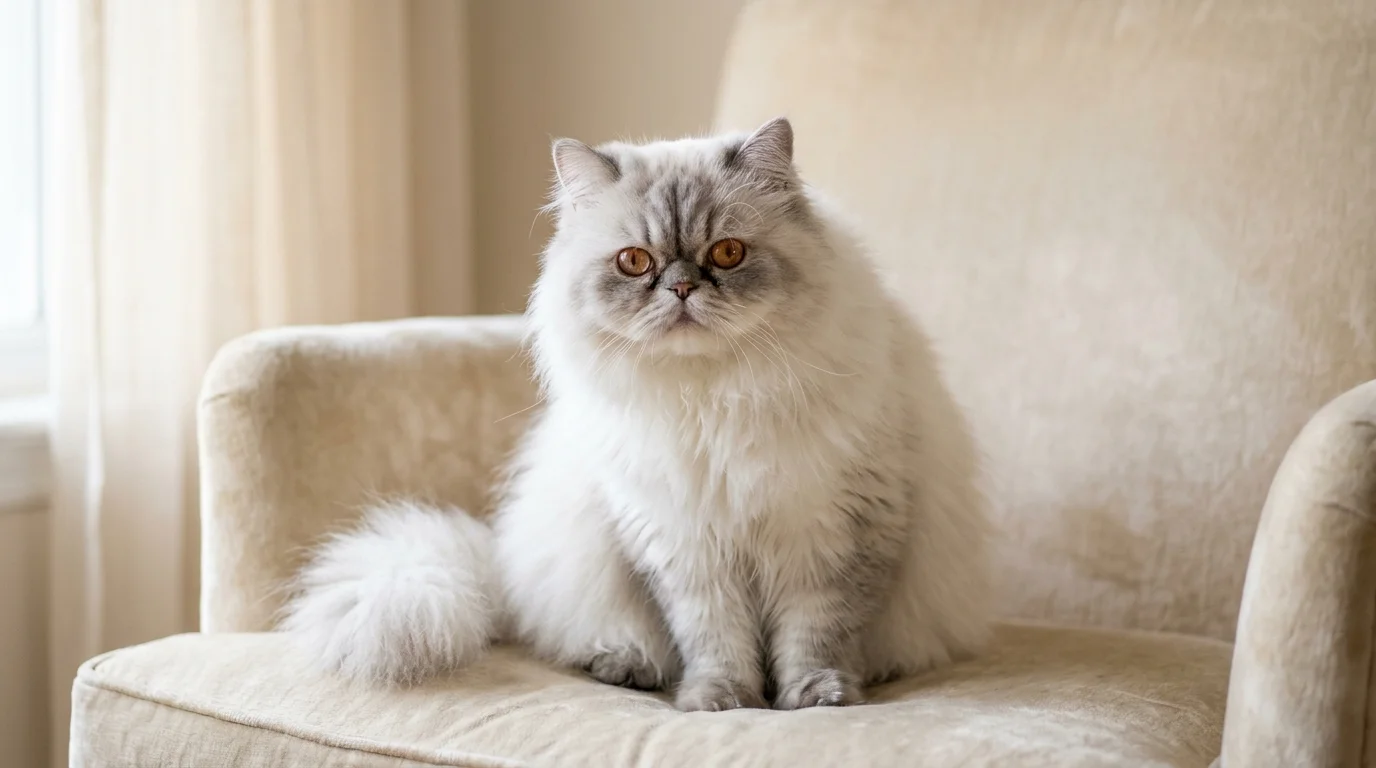
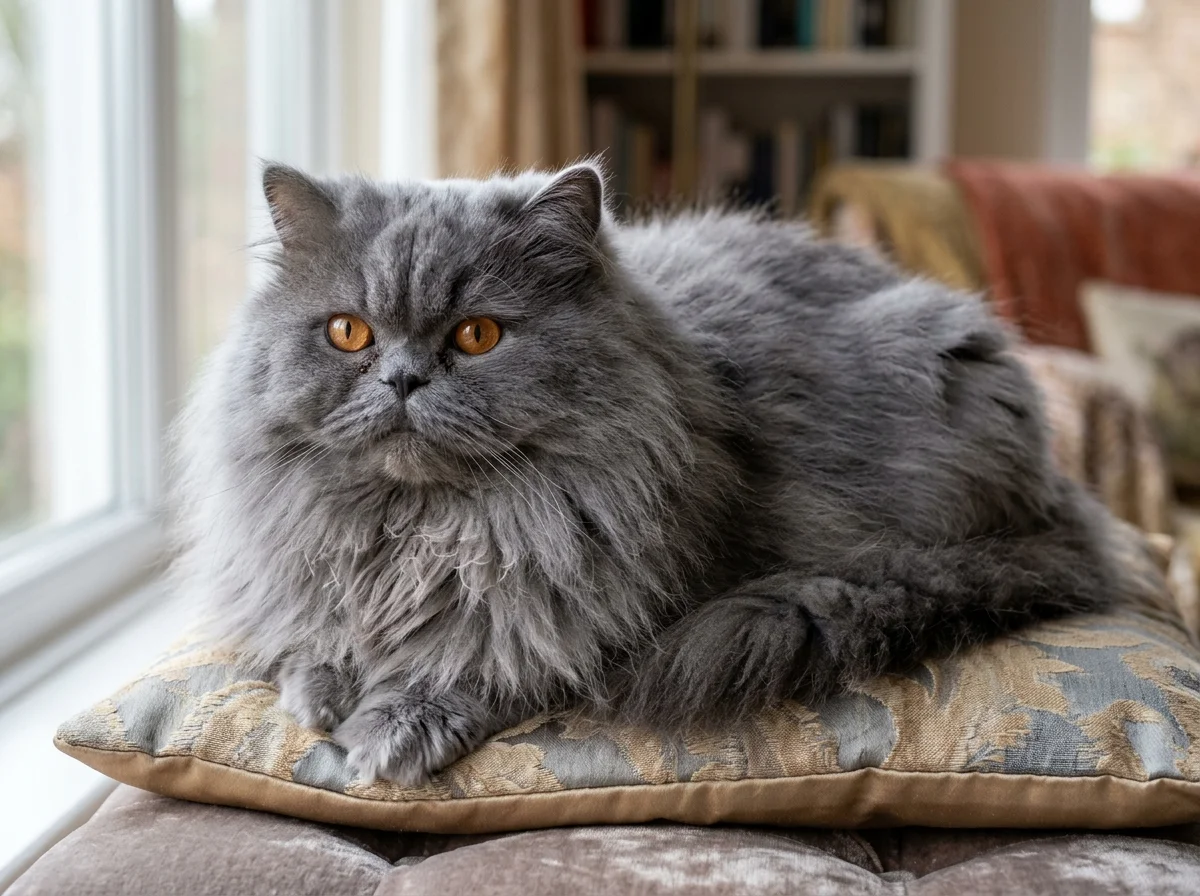
The Persian is one of the world's most iconic cat breeds, instantly recognised by its cloud-like coat, flat face, and large, expressive eyes. For generations, Persians have been the definitive symbol of feline elegance, appearing in paintings, films, and the arms of owners who appreciate a calm, devoted companion.
Behind the glamorous appearance is a cat of remarkably gentle character. Persians are quiet, affectionate, and deeply loyal to their families. They are not active or demanding cats. They are content to spend their days on a favourite cushion near their people, offering warmth and serene company without asking for much in return.
What Persians do ask for is time. Their coat is the most maintenance-intensive of any domestic breed, requiring daily grooming to prevent matting. Their flat face (brachycephalic structure) requires daily eye cleaning and vigilant veterinary monitoring. Owning a Persian is a commitment not just of love, but of daily care.
In return, Persians offer an unusually calm presence in the home. They adapt well to quieter households, apartment living, and owners who prefer a placid, low-energy companion. They are not suited to chaotic, loud environments or households where they will be left alone for long stretches.
Persians typically live 10-15 years with proper care. They thrive when their grooming, veterinary, and emotional needs are consistently met, and reward attentive owners with a depth of quiet devotion that is uniquely their own.
History & Origins
The Persian's history stretches back further than almost any other recognised breed. Longhaired cats from Persia (modern-day Iran) and neighbouring regions were among the most prized exotic animals in 17th-century Europe, valued not for their utility but purely for their beauty.
The breed's arrival in Europe is often linked to Italian explorer Pietro Della Valle, who wrote in 1620 about longhaired cats he encountered in Khorasan, in present-day Iran. His actual return to Italy came later, in 1626, and a concrete live import from this journey is not firmly documented. A more clearly attested contribution came from French scientist Nicolas-Claude Fabri de Peiresc, who imported longhaired cats from Ankara (then Angora), Turkey, and reportedly also from Damascus around the same period. These early imports were collectively called "Asiatic cats" and attracted enormous interest from European aristocracy.
Selective breeding programs developed in England and France through the 19th century, refining the breed's luxurious coat and distinctive facial features. The Persian won Best in Show at the world's first organised cat exhibition, held at London's Crystal Palace in 1871, cementing its status as the prestige breed of the era.
The Persian arrived in North America by the late 19th century and quickly became the dominant show cat, holding that position for much of the 20th century. The modern "show Persian" with its dramatically flat face is a product of post-war breeding programs that emphasised extreme brachycephaly. The traditional "Doll Face" Persian, with a less compressed face and the original breed standard, remains popular among breeders who prioritise health over extreme features.
Today, the Persian remains one of the most recognised cat breeds worldwide, synonymous with luxury, calm, and feline beauty.
Appearance
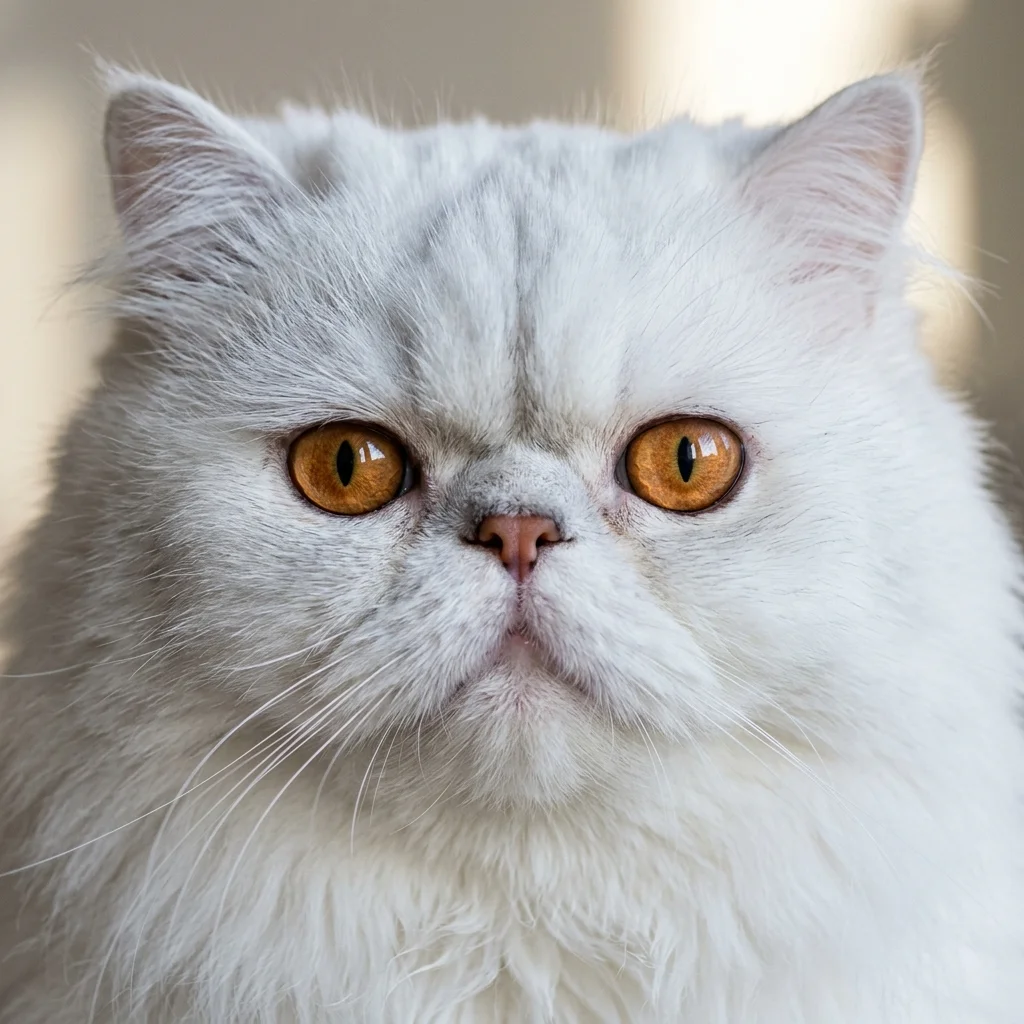
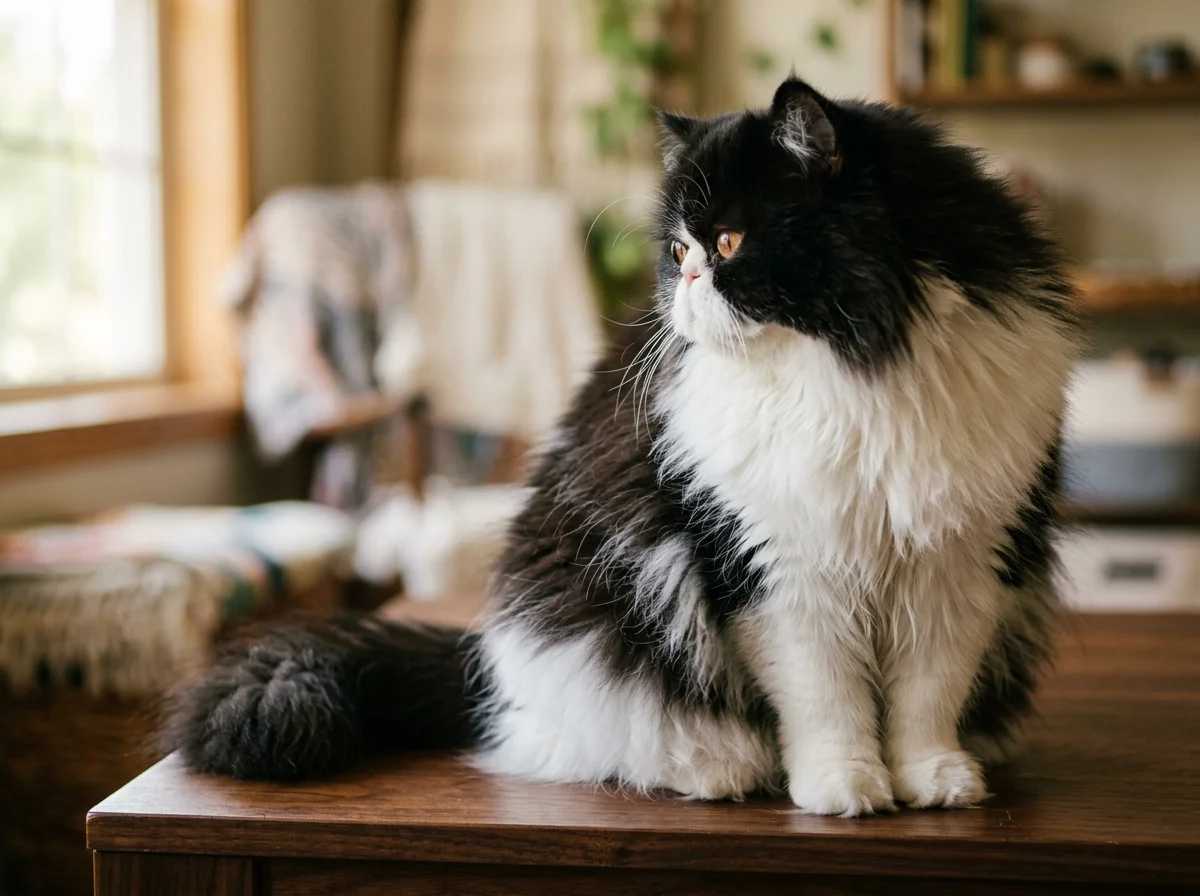
The Persian is built for visual impact. Every physical feature contributes to an impression of rounded, cushioned luxury: a broad, flat face; large round eyes that come in copper, blue, green, or odd-coloured depending on coat colour; small, rounded ears set wide and low; and a stocky, cobby body carried on short, sturdy legs.
Males typically weigh 4.1-6.4 kg (9-14 lbs), females 3.2-5.0 kg (7-11 lbs). The body is broad-chested and low to the ground, built for presence rather than athleticism.
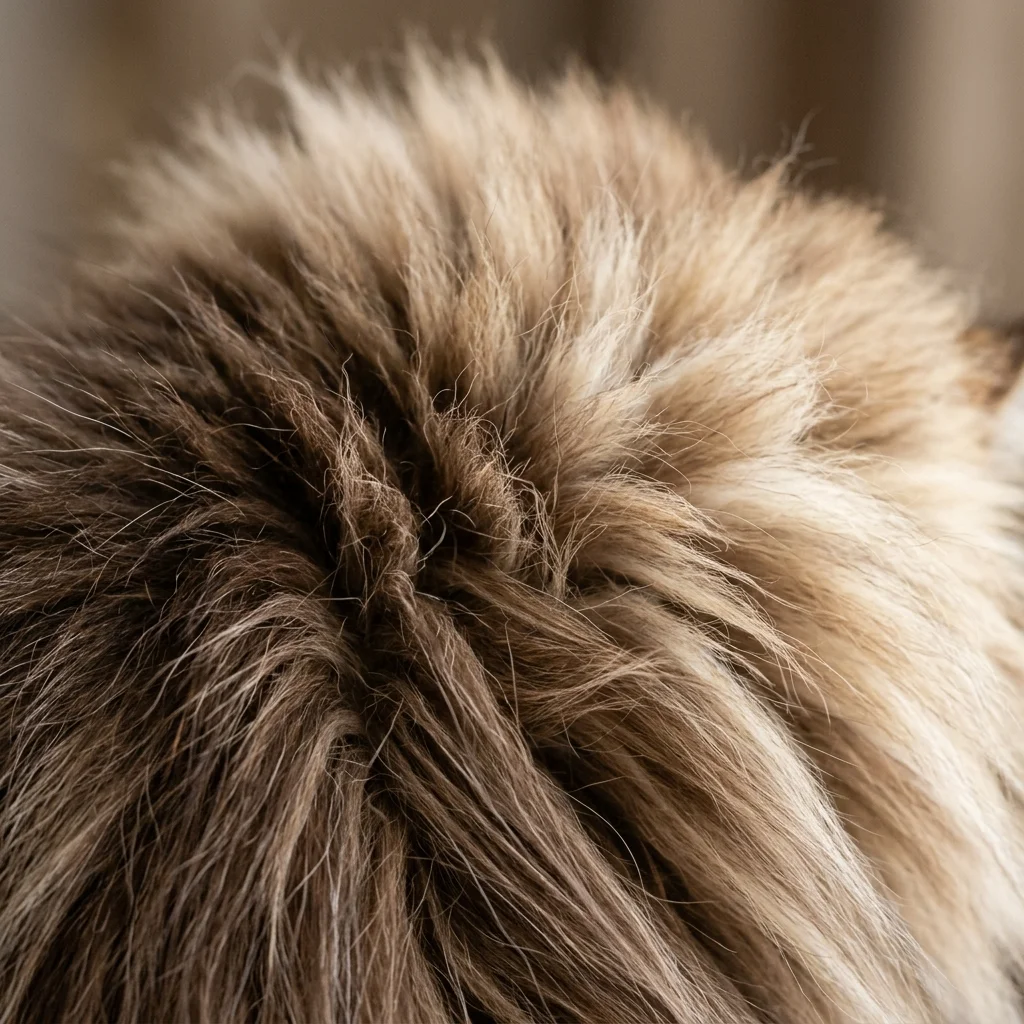
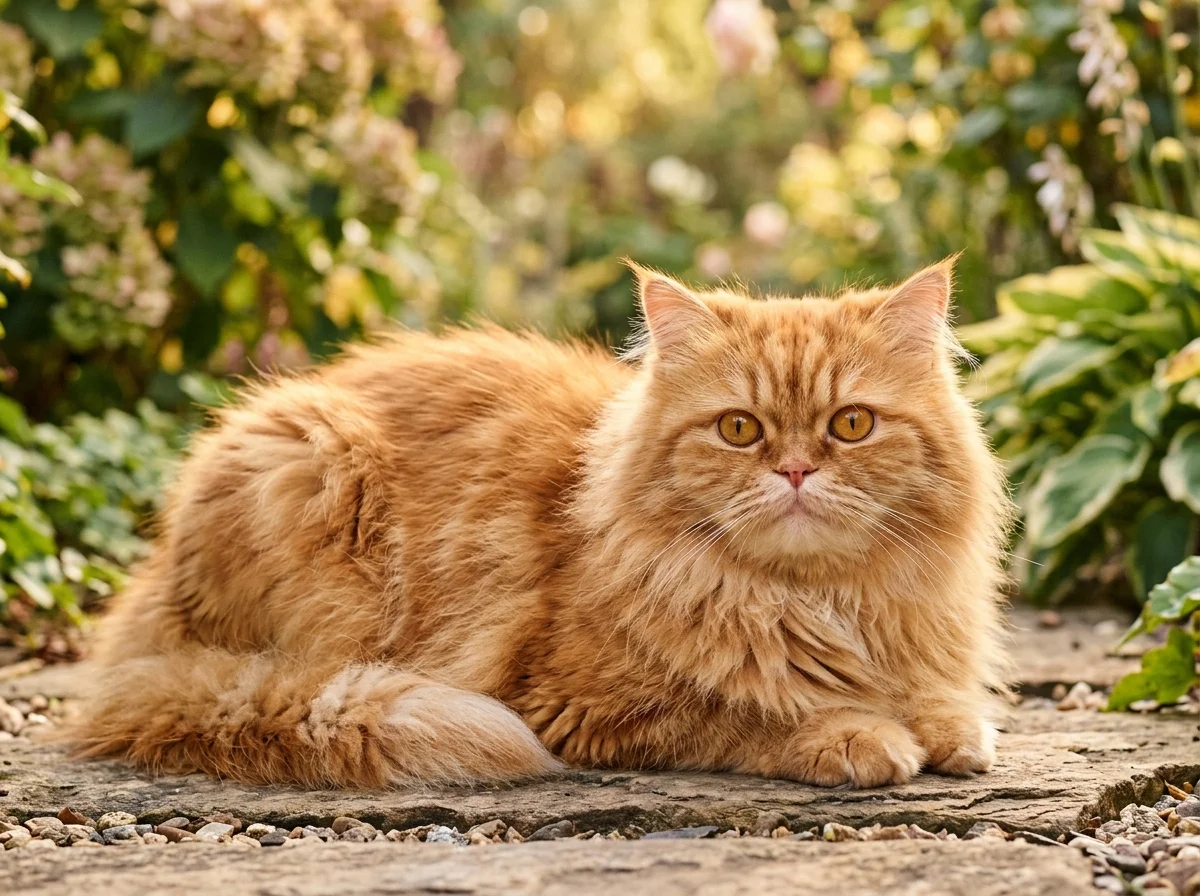
The coat is the breed's most defining feature. Persian fur is long, thick, and flows in a dense layer over the entire body, with a full ruff around the neck and shoulders and a plumed tail. The texture is fine and silky but requires extraordinary daily maintenance to remain in show condition. Without daily brushing, the coat will mat within days.
The breed exists in two distinct types. Show Persians have a highly compressed brachycephalic face, where the nose sits level with the eyes, giving a dramatically flat profile. Traditional "Doll Face" Persians represent the original breed standard with a less extreme facial structure, a visible nose bridge, and fewer structural health complications. Both types share the same luxurious coat.
Persians come in an extraordinary range of colours and patterns. The CFA recognises over 80 colour combinations, including solid, silver/golden, shaded, smoke, tabby, parti-colour, and colourpoint (Himalayan pattern). There is virtually no coat colour or pattern that the Persian does not come in.
Temperament
Persians are the quintessential calm companion. They are quiet, unhurried, and deeply affectionate in a way that is uniquely their own. They do not demand attention like a Siamese, or follow you everywhere like a Maine Coon, but they are always present, always nearby, and always willing to offer a purring warmth.
They bond closely with their primary caregivers and form strong, loyal attachments. Persians express their affection through proximity and quiet presence: settling next to you on the sofa, watching you with their large, expressive eyes, and accepting strokes with dignified pleasure.
Persians prefer a calm, predictable routine. They do not adapt easily to sudden changes in environment, loud households, or chaotic family dynamics. They thrive in quiet homes where the pace of life suits their gentle temperament. If your household involves a lot of noise, activity, or unpredictability, a Persian may find it stressful.
Unlike more active breeds, Persians are content with minimal exercise. Short bursts of gentle play are all they typically seek. They are not climbers or hunters by instinct, preferring comfortable horizontal spaces at floor or furniture level.
Persians are generally reserved with strangers, taking their time to warm up to new people. They are rarely aggressive. When uncomfortable, they are far more likely to withdraw than to swipe or bite. This makes them gentle companions even in situations where they feel uncertain, though they should never be forced into interactions they find distressing.
Activity & Play
Persians are among the least active of all domestic cat breeds. They are, by temperament and physical structure, dedicated indoor loungers. A typical Persian spends the vast majority of the day on a comfortable surface: a bed, a sofa, a sunny windowsill, with short, gentle bursts of play activity interspersed throughout the day.
Daily interactive play is still valuable and recommended, even if the sessions are brief. Ten to fifteen minutes of gentle play with a wand toy or soft ball is generally sufficient to maintain engagement and prevent the slow cognitive decline associated with complete inactivity. Puzzle feeders are a good way to add mental stimulation without requiring physical exertion.
Persians are not climbers. They do not seek high perches, do not leap between surfaces, and are not interested in vertical territory. Low cat trees, comfortable beds, and plush window perches suit them far better than towering climbing structures.
Their brachycephalic (flat-faced) structure limits their respiratory capacity and heat tolerance, which further reduces their ability and inclination to exercise vigorously. In hot weather particularly, Persians should not be pushed to play beyond their comfort level, and they should always have access to cool, well-ventilated spaces.
Persians are best suited to indoor life. They have no instinct to explore or hunt and are poorly adapted to outdoor risks, so they are happiest in the safe, predictable comfort of a quiet home. A secure catio or sheltered, enclosed garden can be a welcome enrichment for owners who want to offer a touch of fresh air, but free-roaming outdoor access is not recommended.
Grooming
Persian grooming is the most demanding maintenance commitment in the domestic cat world, and it should be understood fully before acquiring this breed. Their long, fine coat mats within days if left unattended. Daily brushing is not a recommendation but a non-negotiable necessity.
Brush the entire coat every day. Use a wide-toothed metal comb first to work down to the skin. If the comb cannot reach the skin, matting is already developing. Follow with a slicker brush to smooth and finish. Work section by section, starting at the bottom and working upward. Pay particular attention to the neck ruff, behind the ears, the armpits, the belly, and the hindquarters, as these are the areas where mats form fastest.
When mats do form, never pull or cut them with scissors without professional guidance. Serious mats may require professional grooming or veterinary intervention to remove safely.
Many Persian owners opt for a lion cut, shaving the body coat short while leaving fur on the head, legs, and tail. This dramatically simplifies routine coat care, particularly in summer or for cats that resist brushing.
Bathe roughly once a month to keep the coat clean and prevent grease build-up. Use a gentle cat shampoo and ensure thorough drying, as the dense coat holds moisture.
Beyond the coat, Persians require daily eye cleaning. Their compressed facial structure blocks normal tear drainage, causing chronic tear overflow that stains the face. Wipe gently each morning with a soft, damp cloth.
Health
Persians face a greater range of health challenges than most breeds, primarily as a consequence of their brachycephalic (flat-faced) structure and genetic history. Prospective owners should understand these issues thoroughly before committing to the breed.
Brachycephalic obstructive airway syndrome (BOAS) is the most structurally fundamental concern. The compressed skull shortens and narrows the airways, causing breathing difficulties that range from mild snoring to serious respiratory distress. In severe cases, surgical intervention may be required. Show-type Persians with more extreme brachycephaly are at significantly higher risk than traditional Doll Face types.
Polycystic kidney disease (PKD) was historically prevalent in the breed, with some studies suggesting over 30% of Persians were affected before genetic testing became widespread. A dominant gene mutation causes fluid-filled cysts to develop in the kidneys, progressively reducing function. Reputable breeders now routinely test and only breed PKD-negative cats. Always ask for documentation.
Hypertrophic cardiomyopathy (HCM) is present in Persians as in many breeds. Regular cardiac screening is recommended from early adulthood.
Eye problems are chronic and structural: blocked tear ducts cause constant overflow, entropion (inward-rolling eyelids) can cause corneal damage, and progressive retinal atrophy (PRA) can cause gradual vision loss.
Dental overcrowding is common due to the compressed jaw. Regular dental checks and cleaning are important.
Lifespan is typically 10-15 years, though health complications can shorten this if unmanaged. Thorough veterinary monitoring throughout life is essential.
Nutrition
Persians require a high-quality, protein-rich diet appropriate to their relatively sedentary lifestyle. The breed's low activity level and slow metabolism mean caloric intake must be carefully managed. Overfeeding is a common issue, as Persians are not naturally active enough to burn off excess calories.
A balanced Persian diet should contain 35-45% high-quality animal protein, essential fatty acids for coat health, and adequate taurine. Both wet and dry food have a role: wet food provides critical hydration and supports kidney health (given the breed's PKD predisposition), while high-quality dry food can support dental health when used as part of the routine.
The brachycephalic skull shape affects how Persians eat. Their compressed jaw makes it difficult to grasp and chew certain kibble shapes. Flat or specially shaped kibbles designed for flat-faced breeds are significantly easier for Persians to manage, and many owners report their cats eating more comfortably after switching.
Omega-3 and omega-6 fatty acids are particularly valuable for maintaining the Persian's coat in good condition. Fish oil supplementation or foods with high omega content support coat quality, reduce skin dryness, and help manage hairball risk.
Feed kittens three to four times daily, transitioning to two measured meals per day for adults. Persians typically require approximately 40-45 calories per kilogram of body weight per day. Adjust for individual weight, activity level, and health status. Regular weight monitoring is important given the breed's tendency toward inactivity-driven weight gain.
Family Fit
Persians are well-suited to certain types of household. Understanding where they fit best is important for both the cat's wellbeing and the owner's satisfaction.
With children: Persians can be excellent companions for older children (8+) who understand how to interact with a calm, gentle cat. They are patient and rarely aggressive. However, they are not robust enough (physically or temperamentally) for very young children who may handle them roughly or create the loud, chaotic environment Persians find stressful. For households with toddlers, a more resilient breed may be a better choice.
With other cats: Persians can live peacefully with other cats, particularly calm, gentle breeds. They are not territorial or aggressive. However, they do not enjoy being harassed by highly active, playful cats and do best with similarly laid-back companions. Introducing a high-energy kitten to an adult Persian should be done carefully and gradually.
With dogs: Persians can coexist with calm, cat-friendly dogs. They are not confrontational by nature, but they need a guaranteed safe retreat where the dog cannot access, so they can decompress. Boisterous dogs may be genuinely stressful for a Persian even without direct confrontation.
Apartment vs. house: Persians are ideal apartment cats. They require no outdoor access, seek no vertical territory, and are content with the limited space of an apartment provided it is calm, comfortable, and consistently enriched with their owner's presence. They are among the best breeds for urban apartment living.
Fun Facts
Florence Nightingale, the founder of modern nursing, was a devoted Persian cat owner. She reportedly owned over 60 cats throughout her life, with Persians among her particular favourites.
The Persian won Best in Show at the very first organised cat exhibition, held at London's Crystal Palace in 1871, a show that is also considered the birth of the modern pedigree cat fancy.
Persians hold an unusual film and television legacy. They are the quintessential villain's cat, most famously as the white Persian stroked by James Bond antagonist Ernst Blofeld in the 007 films, an image that became one of cinema's most recognisable visual shorthand for sinister luxury.
The animated Duchess in Disney's The Aristocats (1970) was modelled on the Persian, as was Snowbell in the Stuart Little film series.
There are two recognised types of Persian: the modern Show Persian with its dramatically flat face, and the traditional Doll Face Persian with a less extreme profile and generally fewer breathing difficulties. Many breeders and veterinarians advocate for the Doll Face as the healthier standard.
The Persian held the #1 spot on CFA's most popular breed list for 31 consecutive years before being overtaken by the Exotic in the early 2010s. It still ranked #2 in CFA registrations as late as 2015, and has since fallen further as the Ragdoll and Maine Coon have climbed the rankings.
FAQ
Q: How much grooming does a Persian cat need? A: Daily brushing is essential. The Persian's long, fine coat mats within days without daily brushing. A full bath once a month keeps the coat clean and prevents grease build-up. Many owners also schedule a professional grooming or "lion cut" trim every four to six weeks.
Q: Are Persians good with children? A: They can be, but with an important qualification. Persians are patient and rarely aggressive, making them suitable for households with older children (8+) who handle them gently. They are not well-suited to toddlers or very young children who may be rough or create a noisy, chaotic environment the cat finds stressful.
Q: Do Persians have breathing problems? A: Many do, particularly show-type Persians with more extreme brachycephaly (flat faces). The compressed facial structure narrows the airways, causing breathing difficulties that can range from mild snoring to serious respiratory distress. Traditional Doll Face Persians generally have fewer structural breathing issues.
Q: Are Persians indoor cats? A: Yes. Persians are indoor cats. They have no instinct to explore, are poorly adapted to outdoor risks, and are happiest in the safe, predictable comfort of a quiet home. A secure catio or enclosed garden is fine as a bonus, but they should never free-roam outdoors.
Q: How long do Persians live? A: Typically 10-15 years with proper care. Genetic health conditions, particularly polycystic kidney disease (PKD) and hypertrophic cardiomyopathy (HCM), can affect lifespan if unmanaged. Always ask breeders for PKD test results.
Q: Do Persians shed a lot? A: Yes, significantly and year-round. Their long, dense coat sheds continuously. Daily brushing manages this, but Persian owners should expect cat hair to be a constant feature of their home.
Q: Are Persians suitable for apartments? A: Yes. Persians are among the best breeds for apartment living. They are calm, quiet, non-destructive, and content indoors. They need no outdoor access and no vertical territory. A comfortable, quiet apartment suits them perfectly.
Gallery
Explore more Persian-style breeds
Browse related breeds or take our matching quiz to find the right fit for your home.
Stay in the loop
Get weekly breed spotlights, care guides, and new additions - straight to your inbox.