Ocicat
confident, social, dog-like, athletic
Quick Facts
- Lifespan
- 12-18 years
- Weight
- 2.7-6.4 kg
- Origin
- United States
- Coat
- Short
Overview
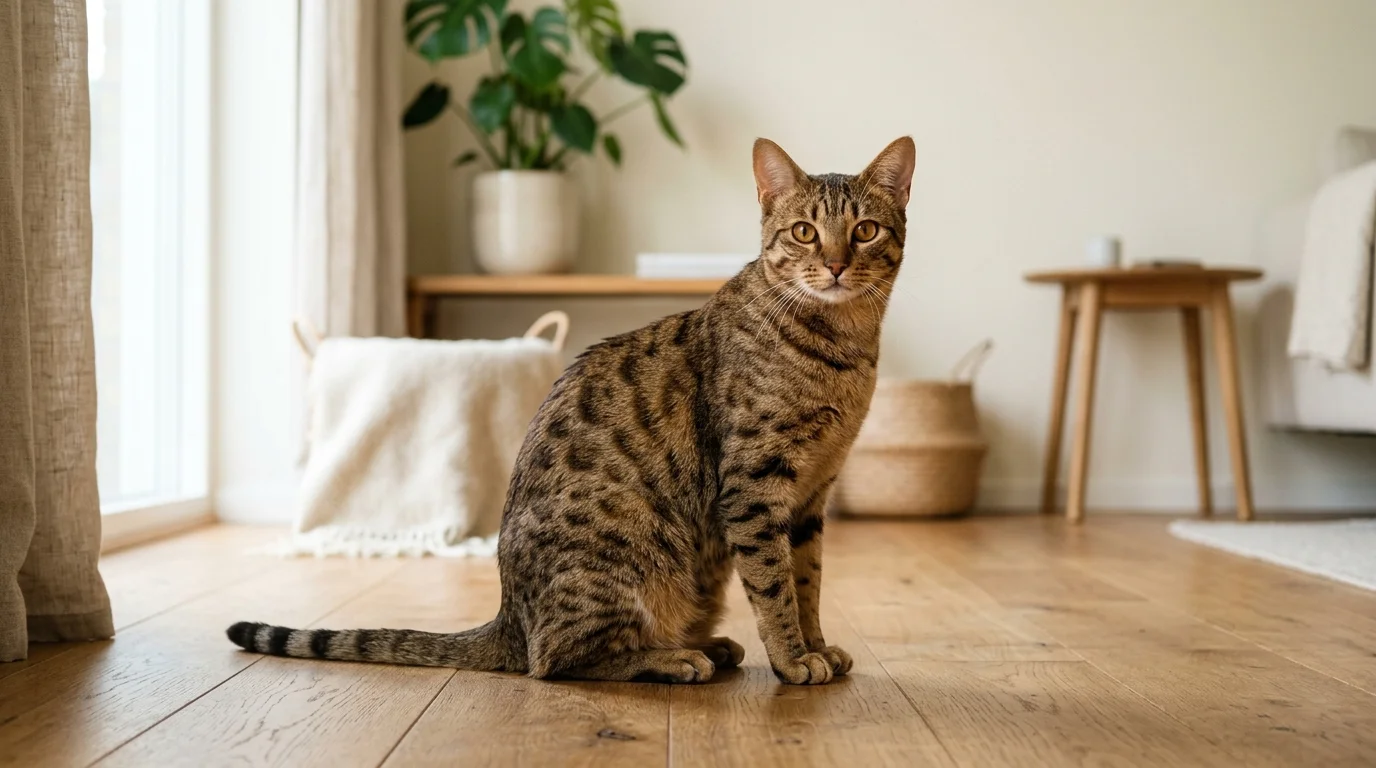
The Ocicat is a striking, athletic breed that looks like a miniature wild ocelot — yet has no wild blood whatsoever. Created entirely from domestic breeds, this spotted cat combines the intelligence of the Siamese, the ticked coat of the Abyssinian, and the sturdy build of the American Shorthair. Outgoing, confident, and endlessly social, the Ocicat is one of the most people-oriented breeds you can find.
History & Origins
The Ocicat came into existence entirely by accident in 1964, when Michigan breeder Virginia Daly was attempting to produce an Aby-pointed Siamese — a Siamese with the ticked coat pattern of an Abyssinian. When she crossed an Abyssinian male with a Siamese female and then bred the resulting female back to a Siamese, she got a bonus: a single ivory kitten covered in golden spots. The breeder's daughter declared he looked just like an ocelot, and named him Tonga — giving the breed its name.
Tonga was neutered and sold as a pet, but geneticist Dr. Clyde Keeler became interested and encouraged Daly to repeat the cross. American Shorthairs were later added to the breeding programme to increase size and introduce the silver colour.
The CFA accepted the Ocicat for registration in 1966, and the breed achieved Championship status in May 1987. TICA granted recognition in 1986. Today the Ocicat is also recognized by FIFe and GCCF, with twelve accepted colours in most standards.
Appearance
The Ocicat is a medium to large cat with a solid, athletic build that conveys both power and agility. Males typically weigh 4–6.4 kg; females are somewhat lighter at 2.7–4.5 kg. The body is long and muscular, with substantial bone structure that gives it a distinctly wild silhouette.
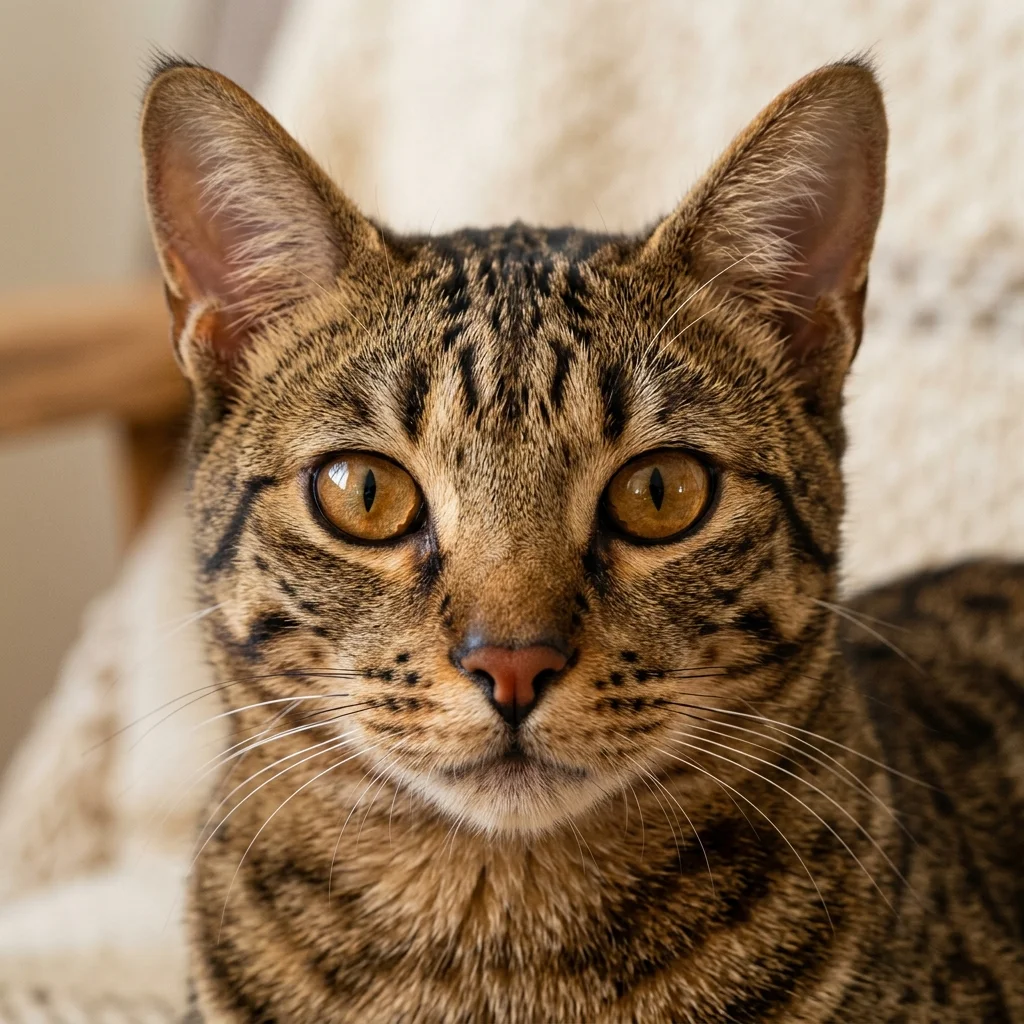
The coat is short, smooth, and close-lying, with each hair displaying multiple bands of colour (ticking) that give the spots their depth and richness. Spots are distributed randomly across the body in a classic spotted tabby pattern. The breed comes in twelve recognized colours, including tawny, chocolate, cinnamon, blue, lavender, fawn, and their silver variations.
The head is a modified wedge with a strong muzzle and large, almond-shaped eyes set at an angle. Ears are moderately large with lynx-tip tufts preferred. The tail is long and tapered with a dark tip.
Temperament
Often described as a "dog in a cat's body," the Ocicat is remarkably social and thrives on interaction with people. Unlike many cats that keep strangers at arm's length, Ocicats typically greet visitors with curiosity and confidence rather than retreating to another room.
This breed is highly trainable and enjoys learning tricks. Many Ocicats can be taught to fetch, walk on a leash and harness, sit, lie down, and respond to their name — all on a par with many dogs. Interactive play is essential, as the Ocicat has an athletic drive that needs an outlet.
Ocicats form strong bonds with their families and do not like being left alone for extended periods. They are vocal enough to make their wishes known, but not as loud or insistent as a Siamese. They get along well with children, other cats, and dogs, making them excellent family companions.
Despite their wild appearance, Ocicats are entirely domestic in character — warm, loving, and deeply attached to the people in their lives.
Activity & Play
Activity and Exercise Needs
The Ocicat looks wild but its personality is firmly domestic. It has the energy of a working cat breed and needs meaningful daily activity to stay content and out of trouble.
Energy level: High. Ocicats are agile, fast, and curious. They explore constantly and have a habit of investigating anything new in the home. A bored Ocicat will find its own entertainment, which may not align with your preferences.
Exercise minimum: Aim for 30 to 40 minutes of active play daily, split across two or more sessions. Morning and evening sessions work well to match their natural activity peaks.
Play styles: Ocicats excel at chase and hunt games. Feather wands, laser pointers, and motorized toys keep them moving. They are also one of the breeds most likely to enjoy leash walks. Puzzle feeders and treat-dispensing toys satisfy their intelligence between play sessions.
Vertical space: Important. Ocicats use vertical space naturally and appreciate tall cat trees, shelving units, and perches with good sightlines. Height gives them a sense of control and security.
Toys: Rotate toys regularly to maintain novelty. Ocicats are quick to lose interest in the same toy presented the same way. Small furry mice, crinkle balls, and wand toys with interchangeable attachments all work well.
Indoor versus outdoor: Most Ocicats are kept indoors for safety. A secure catio or harness walks satisfy their curiosity about the outside world without the risks of free-roaming.
Grooming
The Ocicat's short, smooth, close-lying coat is one of the lowest-maintenance coats of any pedigree breed. A weekly once-over with a fine-toothed comb or rubber grooming mitt is all that is normally required to remove loose hairs and keep the coat gleaming.
Because the coat is so short, it dries quickly and rarely mats. During seasonal shedding, slightly more frequent brushing will help manage loose hair. Their spotted pattern is especially vivid on a well-maintained coat.
Beyond coat care, routine maintenance includes trimming nails every two to three weeks, cleaning ears as needed, and brushing teeth regularly to support dental health. Ocicats are generally cooperative during grooming sessions, particularly when introduced to the routine from kittenhood.
Health
The Ocicat is generally a robust and healthy breed, with a lifespan of 12–18 years. Because it is built from three distinct domestic breeds, it benefits from a relatively broad genetic base compared to more inbred lines.
That said, Ocicats can inherit certain conditions from their founding breeds. Hypertrophic cardiomyopathy (HCM), the most common heart disease in cats, has been noted in the breed. Progressive retinal atrophy (PRA), which can lead to vision loss over time, is another condition to be aware of. Renal amyloidosis — a kidney condition associated with Abyssinian ancestry — is also a potential concern.
Reputable breeders screen for HCM via echocardiogram and test for other heritable conditions. Routine annual veterinary check-ups, a balanced diet, and plenty of exercise will keep most Ocicats healthy well into their teens.
Nutrition
Nutrition
The Ocicat is a muscular, athletic breed with a dense bone structure, so its diet needs to support lean muscle mass and sustained energy. A high-protein diet is essential: look for foods where the first ingredient is a named animal protein such as chicken, turkey, or salmon.
Macronutrient targets
- Protein: 35-45% on a dry-matter basis
- Fat: 15-20% on a dry-matter basis
- Carbohydrates: keep below 25%; Ocicats do not need grain-heavy fillers
Wet vs. dry food
A mixed feeding approach works well for most Ocicats. Wet food (canned or pouch) provides additional hydration, which supports kidney health over the long term. Aim for at least one wet meal per day. A quality dry kibble can make up the remainder and helps with dental hygiene, though it should not be free-fed because Ocicats can be enthusiastic eaters and gain weight if food is always available.
Feeding schedule
- Kittens (up to 12 months): three to four small meals per day
- Adults (1-10 years): two measured meals per day
- Seniors (10+): two meals per day; consider a senior formula with joint-supporting nutrients
Breed-specific considerations
Ocicats have a moderately fast metabolism that slows with age. Monitor body condition every few months: you should be able to feel the ribs without pressing hard, but not see them. Avoid treats that exceed 10% of daily caloric intake. Because this breed is predisposed to no specific dietary disorders, a commercially complete AAFCO-approved food appropriate for the life stage is sufficient for most cats. If your Ocicat is very active or an outdoor explorer, caloric needs may be 10-15% higher than the package guideline suggests.
Family Fit
Is the Ocicat a Good Fit for Your Family?
The Ocicat combines a wild appearance with a thoroughly domestic, sociable personality. They are confident, adaptable, and thrive in busy households.
Children: Ocicats are an excellent match for families with children. They enjoy active play, keep up with energetic kids, and are generally patient and sturdy. Supervised interaction with toddlers is still recommended.
Other cats: Ocicats typically get along well with other cats when introductions are handled gradually. They enjoy feline companionship and can develop close bonds with a housemate.
Dogs: Ocicats adapt well to dog-friendly households. Their confident nature means they stand their ground rather than hide. A calm dog that respects the cat will be accepted within days.
Elderly owners: Ocicats are affectionate and enjoy company, but their high energy level may be tiring for owners who prefer a low-maintenance companion. Someone with time and energy will appreciate their personality more fully.
Apartments: Possible, provided enough vertical space, enrichment, and interactive play. Ocicats need mental stimulation to stay content in a smaller environment.
First-time owners: Ocicats are a manageable choice for first-time owners who are prepared for an active, demanding cat. Their sociability and trainability make them engaging rather than difficult.
Fun Facts
- Despite its ocelot-like appearance, the Ocicat has absolutely no wild cat DNA — it is made entirely from Siamese, Abyssinian, and American Shorthair lineages.
- The very first Ocicat, Tonga, was sold as a pet and neutered, meaning today's entire breed descends from repeat crossings rather than from the original kitten.
- Ocicats are one of the few cat breeds consistently described as being as trainable as dogs — they can learn to fetch, sit, and walk on a leash.
- Geneticist Dr. Clyde Keeler, who encouraged the breed's development, was particularly interested in recreating the look of the extinct Egyptian spotted fishing cat.
- The breed comes in twelve colours, but silver variants are especially popular for show — the spots become dramatically vivid on a pale silver background.
FAQ
Frequently Asked Questions
How long do Ocicats live?
Ocicats typically live 12 to 16 years. With attentive veterinary care, a good diet, and an enriched indoor environment, many reach the higher end of that range. Annual checkups and dental cleanings make a meaningful difference.
Do Ocicats shed a lot?
No. The Ocicat has a short, tight coat with minimal undercoat, so shedding is low compared to many breeds. A weekly brush or rub-down with a soft cloth keeps the coat gleaming and removes any loose hairs before they reach your furniture.
Are Ocicats vocal?
Ocicats are moderately vocal. They will let you know when they want attention or dinner, but they are not incessant talkers. Their voice tends to be mid-range in volume. Expect conversation rather than constant commentary.
Are Ocicats hypoallergenic?
No cat is truly hypoallergenic. Ocicats produce the Fel d 1 protein that triggers most allergic reactions. Their short, low-shedding coat means less airborne dander, which some allergy sufferers find more manageable, but this varies from person to person. Spend time with the breed before committing if allergies are a concern.
How much does an Ocicat kitten cost?
From a reputable breeder, expect to pay between 800 and 1,500 USD. Price varies by location, lineage, and whether the kitten is sold as a pet or on breeding rights. Adoption through a rescue or breed-specific organisation is an option for a lower cost.
Can Ocicats be trained?
Yes, and they genuinely enjoy it. Ocicats are highly intelligent and respond well to clicker training, leash walking, and learning tricks. Short, positive sessions of five to ten minutes keep them engaged. Many Ocicat owners successfully teach sit, high-five, and fetch.
Gallery
Explore more Ocicat-style breeds
Browse related breeds or take our matching quiz to find the right fit for your home.
Stay in the loop
Get weekly breed spotlights, care guides, and new additions - straight to your inbox.