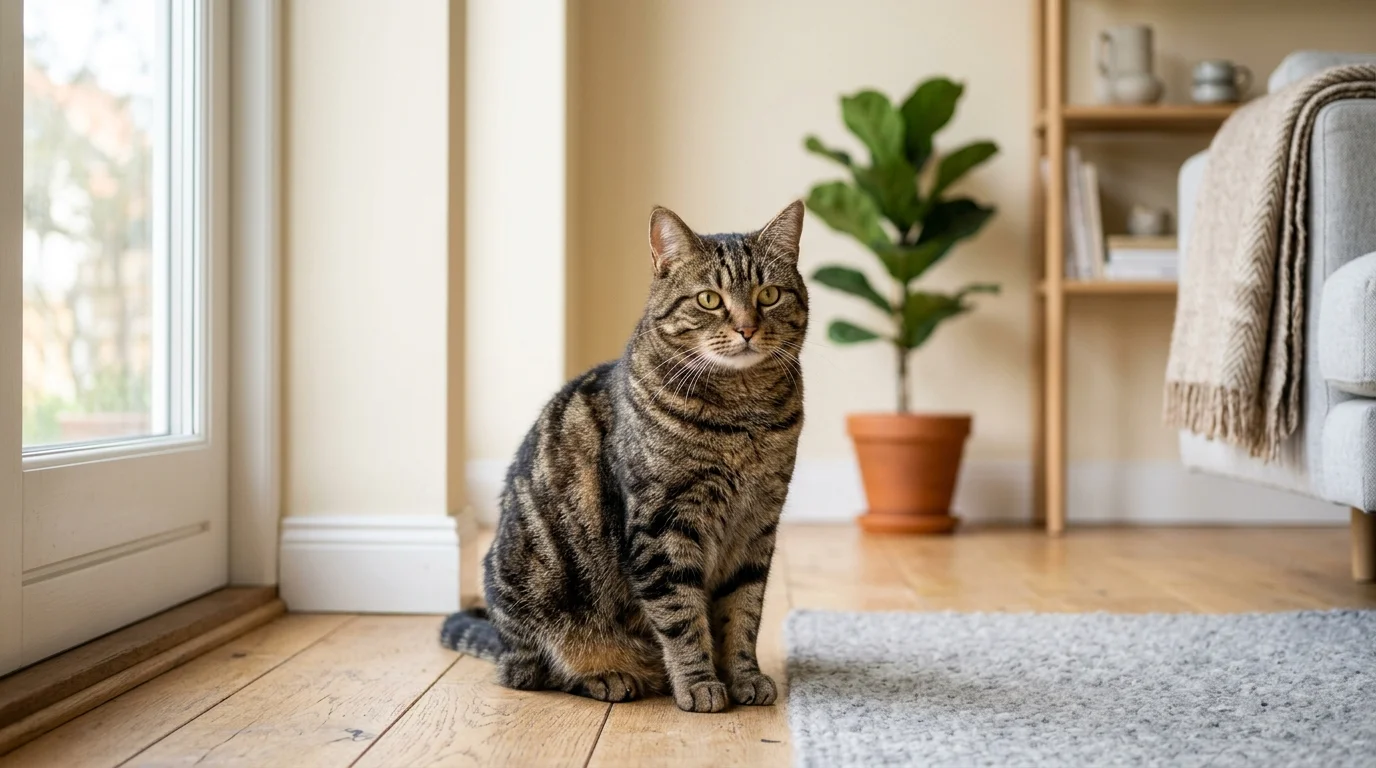
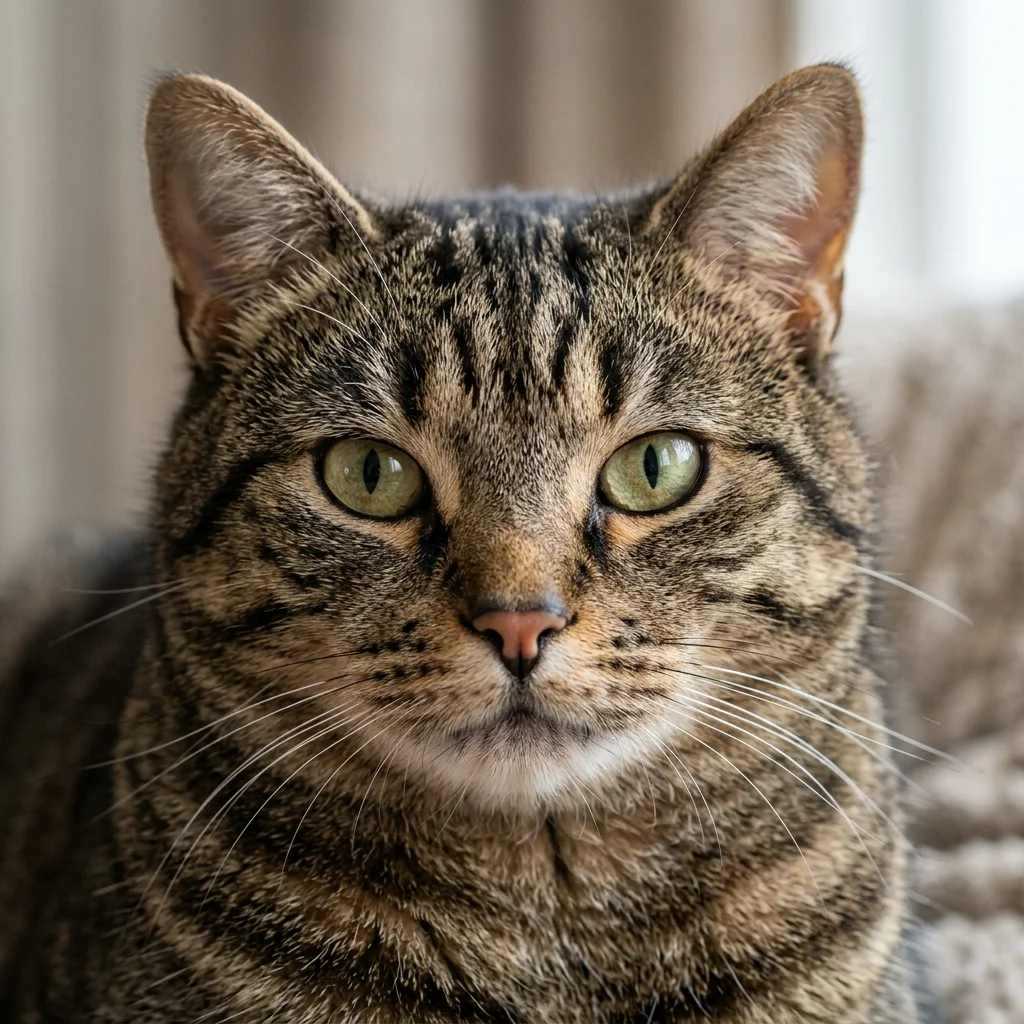
European Shorthair
intelligent, adaptable, independent, gentle
Quick Facts
- Lifespan
- 14-20 years
- Weight
- 3.5-7 kg
- Origin
- Continental Europe
- Coat
- Short
Overview
Overview
The European Shorthair is the natural domestic cat of continental Europe — a sturdy, intelligent, and adaptable companion that has lived alongside humans for thousands of years. Descended from cats brought by Roman legions to protect grain stores, this breed developed organically across the continent without deliberate selective breeding.
Recognized by FIFe in 1949 and WCF, the European Shorthair is distinct from the British Shorthair — Scandinavian breeders established a separate standard in the 20th century to preserve the original, unmodified European cat. Today it is Finland's national cat and appears on Sweden's list of at-risk native breeds.
With a lifespan of 14–20 years and excellent all-round health thanks to a broad gene pool, the European Shorthair is a low-maintenance, long-lived companion equally at home on a farm or in a city apartment.
History & Origins
History
The European Shorthair's story stretches back to ancient Rome. Cats accompanied Roman legions across Europe as working animals, valued for controlling rodents in grain stores and military camps. Over centuries, these cats spread throughout the continent and adapted to local environments, giving rise to the diverse natural landrace we recognize today.
In the 20th century, Swedish breeders decided to formalize the breed and establish it independently of the British Shorthair — which had been crossed with Persians and developed along quite different lines. A breed standard was written with the goal of preserving the original, unaltered European cat.
FIFe granted official recognition in 1949, with the oldest registered individual born in 1940. The European Shorthair remains most popular in Scandinavia and is the only cat breed native to Finland, where it holds the status of national cat.
Appearance
Physical Characteristics
The European Shorthair is a medium to large cat with a muscular, well-proportioned body that reflects its practical working heritage. It should never look extreme or exaggerated in any feature.
Body: Medium to large, muscular and sturdy, with a broad chest Head: Round with well-developed cheekbones and a firm chin Eyes: Round and open; any color — amber, green, or blue Ears: Medium-sized, slightly rounded at the tips Coat: Short, dense, and glossy with no undercoat to speak of Colors: Virtually all natural colors and patterns — tabby, solid, tortoiseshell, and bicolor in black, blue, red, cream, and white Weight: 3.5–7 kg; males tend to be noticeably larger than females Lifespan: 14–20 years
Temperament
Temperament
European Shorthairs are confident, curious, and self-reliant without being aloof. They enjoy human company but are not clingy — they will seek out affection on their own terms and are content spending time alone when needed.
Key traits include:
- Intelligent and playful — they are natural problem-solvers and enthusiastic hunters
- Adaptable — equally comfortable indoors or with outdoor access
- Family-friendly — generally good with children, other cats, and calm dogs
- Independent — may be initially shy around strangers before warming up
This balance of independence and affection makes the European Shorthair an excellent choice for first-time cat owners as well as experienced households. They are not typically a lap cat, but most enjoy companionship and interactive play.
Activity & Play
Activity & Exercise
The European Shorthair is an athletic, well-rounded cat with the natural energy of a working cat bred across generations for utility rather than lap comfort. It is more active than many pedigree breeds and enjoys a varied, stimulating environment.
Daily Exercise Needs
Aim for 30 to 60 minutes of interactive play each day. The European Shorthair has natural hunting instincts that benefit from regular expression through play. Multiple shorter sessions throughout the day suit the breed's rhythm well.
Play Styles
The European Shorthair plays with focus and enthusiasm:
- Wand toys and feather teasers: highly effective for triggering prey drive
- Toy mice and crinkle balls: the breed is an enthusiastic independent player
- Stalking and ambush games: mimic natural hunting patterns by dragging toys slowly then making sudden movements
- Puzzle feeders: engage the breed's problem-solving ability
- Outdoor exploration: if access is available, the European Shorthair is a capable and enthusiastic outdoor hunter
Vertical Space
Vertical access is valued by the European Shorthair. Cat trees of 5 to 6 feet with scratching posts, perches at multiple heights, and window access suit the breed well. It is a confident climber.
Indoor vs. Outdoor
The European Shorthair is one of the breeds most naturally suited to outdoor access. Its hunting instincts, robust physique, and adaptability make it well equipped for life with garden or outdoor access. In urban environments, a secure catio or supervised outdoor sessions are safer alternatives. It can also live fully indoors with sufficient enrichment.
Mental Stimulation
This is a capable, independent thinker. Rotate toys regularly, use food puzzles, and consider building a bird feeder outside a window for passive mental engagement. The European Shorthair also enjoys having a companion to play with when owners are away.
Grooming
Grooming
The European Shorthair's short, dense, glossy coat is one of the easiest to maintain of all cat breeds. The natural coat requires minimal grooming effort:
- Brushing — once a week is sufficient to remove loose hair and keep the coat gleaming
- Shedding — moderate, with slightly heavier seasonal shedding in spring and autumn
- Bathing — rarely necessary; the coat repels dirt effectively
- Nails — trim every 2–3 weeks
- Ears and teeth — check ears monthly and brush teeth regularly for overall health
With a grooming difficulty rating of 1 out of 5, the European Shorthair is an ideal choice for owners who want a beautiful, healthy coat without significant grooming demands.
Health
Health
The European Shorthair is one of the healthiest domestic cat breeds, benefiting from centuries of natural selection and a wide, diverse gene pool. There are no breed-specific hereditary diseases comparable to those found in more selectively bred breeds.
General health profile:
- Lifespan: 14–20 years
- No known breed-specific genetic disorders
- Robust constitution thanks to natural development
One area to watch: Veterinary studies have noted slightly elevated rates of urate urolithiasis (urinary stones) in European Shorthairs compared to some other breeds. Ensuring adequate hydration and a balanced diet helps mitigate this risk.
Routine veterinary care — annual check-ups, vaccinations, parasite prevention, and dental hygiene — is all that is typically required to keep a European Shorthair in excellent health throughout its long life.
Nutrition
Nutrition
The European Shorthair is a naturally healthy, medium-to-large cat with sturdy proportions. Its nutritional needs reflect its active, working-cat heritage -- quality protein, balanced fat, and minimal carbohydrates.
Macronutrient Targets
- Protein: 35 to 45% of dry matter -- animal protein as the primary source; chicken, turkey, rabbit, and fish are all appropriate
- Fat: 15 to 25% of dry matter -- supports coat gloss and sustained energy for an active lifestyle
- Carbohydrates: below 10% -- as with all cats, low carbohydrate content is ideal
Wet vs. Dry Food
The European Shorthair does well on both wet and dry food, but wet food is preferred as the primary component of the diet. It provides hydration and tends to be more digestible than dry kibble. Quality dry food can supplement dental hygiene. Avoid formulas with high grain or corn content.
Feeding Frequency
- Kittens (under 6 months): 3 to 4 meals per day
- Juniors (6 to 12 months): 3 meals per day
- Adults (1 to 8 years): 2 measured meals per day
- Seniors (8+): 2 meals per day; adjust caloric intake as activity level decreases and monitor weight closely
Breed-Specific Considerations
The European Shorthair is a robust breed without specific hereditary dietary conditions. Weight management is the most important long-term consideration, particularly for indoor-only individuals whose activity level is lower than that of outdoor cats. Obesity is the most preventable health risk for this breed. Fresh water should always be available. Measured meal feeding is preferable to free-feeding for portion control.
Family Fit
Family Fit
The European Shorthair is a versatile, independent, and good-natured cat that fits comfortably into a wide range of households. Its adaptability and robust constitution make it one of the most practical family cats available.
With Children
Good with children who respect boundaries. The European Shorthair is not fragile and tolerates active households well. It will play enthusiastically with children but prefers to disengage on its own terms when it has had enough. Teaching children to respect the cat's signals prevents the majority of conflicts. Suitable for families with children of all ages when introduced appropriately.
With Other Cats
Adapts reasonably well to other cats, particularly those with similar energy levels. The European Shorthair can be territorial if space is limited, so introductions should be gradual. It typically settles into multi-cat households well once a hierarchy is established.
With Dogs
Manageable with dogs when introduced properly and given space to retreat. The European Shorthair's confidence means it is unlikely to become a permanent victim of a dog's attention, but it will establish limits on its own terms. Calm, cat-familiar dogs are the best match.
With Elderly Owners
A solid companion for older adults, particularly those who enjoy a cat with some independence. The European Shorthair is affectionate without being clingy, which suits those who want company without a high-maintenance companion.
Apartment Living
Possible with sufficient enrichment, but the European Shorthair does best with access to space. In apartments, daily interactive play and food puzzles are essential. A catio or window access provides valuable stimulation.
For First-Time Cat Owners
A very strong recommendation for first-timers. The European Shorthair's robust health, manageable grooming needs, and adaptable temperament make it one of the easiest breeds to care for. Its relative independence also reduces the guilt of owners with busy schedules.
Fun Facts
Fun Facts
- Finland's national cat — the European Shorthair holds official national cat status in Finland
- Roman origins — ancestors of the breed traveled with Roman legions across Europe over 2,000 years ago
- Not a British Shorthair — despite looking similar, the European Shorthair was deliberately kept separate from the British Shorthair, which was crossed with Persians
- Long-lived — with a potential lifespan of up to 20 years, European Shorthairs are among the longest-lived domestic cats
- Natural hunters — their hunting instinct remains strong; many are kept on farms and in stables for pest control to this day
- Sweden's endangered list — despite being common as a pet, the purebred European Shorthair appears on Sweden's list of at-risk native breeds
FAQ
Frequently Asked Questions
How long do European Shorthairs live?
The European Shorthair typically lives 15 to 20 years. As one of the oldest naturally evolved domestic cat breeds, it carries a strong genetic foundation with fewer hereditary diseases than many artificially developed pedigree breeds. Many individuals remain active and healthy well into their late teens.
Do European Shorthairs shed a lot?
Moderately. The dense double coat sheds throughout the year and more noticeably during spring and autumn. Weekly brushing is sufficient for most of the year, with more frequent grooming during peak shedding seasons. The coat is short and requires no professional maintenance.
Are European Shorthairs vocal?
Moderately. The European Shorthair communicates clearly but is not persistently loud. It will vocalise to indicate hunger, request attention, or respond to its owner, but does not have the demanding vocal style of Oriental breeds. Overall, it is a calm and unobtrusive communicator.
Are European Shorthairs hypoallergenic?
No. The European Shorthair produces normal Fel d 1 levels and is not hypoallergenic. Its short, dense coat does shed, which distributes allergen-carrying hair around the home. Not recommended for households with severe cat allergies.
How much does a European Shorthair cost?
The European Shorthair is common across Scandinavia and much of Europe, where it is a well-established pedigree breed. Prices from registered breeders typically range from 500 to 1,200 EUR. Outside Europe, the breed is less common and may cost more to source.
Is the European Shorthair the same as a domestic shorthair?
No. The European Shorthair is a recognised pedigree breed with a studbook and breeding standards, particularly in Scandinavia (Sweden, Finland, Norway). Domestic shorthairs are mixed-breed cats. The European Shorthair's appearance is similar to many domestic shorthairs, which causes frequent confusion.
Are European Shorthairs good outdoor cats?
Yes -- the European Shorthair is among the most capable and naturally suited outdoor breeds. Its hunting instincts, physical resilience, and territorial nature make it well adapted to outdoor environments. Urban owners should weigh the risks of traffic and disease exposure.
Gallery
Explore more European Shorthair-style breeds
Browse related breeds or take our matching quiz to find the right fit for your home.
Stay in the loop
Get weekly breed spotlights, care guides, and new additions - straight to your inbox.