Egyptian Mau
athletic, loyal, shy with strangers, active
Quick Facts
- Lifespan
- 12-15 years
- Weight
- 3-5 kg
- Origin
- Egypt
- Coat
- Short
Overview
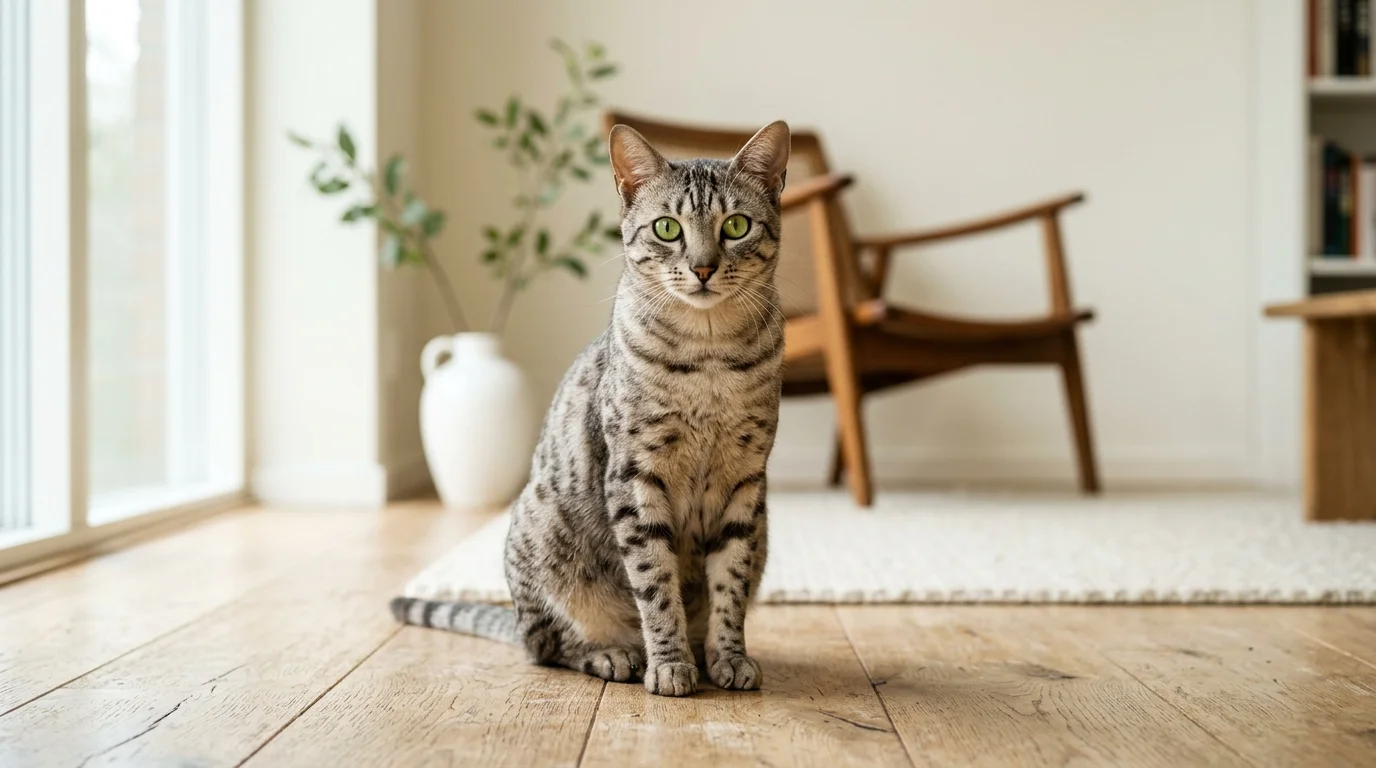
The Egyptian Mau is the only naturally spotted domestic cat breed in the world — its striking spots are not the result of selective breeding but occur organically in the wild lineage. Revered in ancient Egypt and depicted in papyri dating back to 1550 BCE, this breed combines a rich historical pedigree with an impressively athletic body. Loyal and devoted to its family yet reserved with strangers, the Egyptian Mau is a cat of both beauty and depth.
History & Origins
The Egyptian Mau's history stretches back further than virtually any other pedigree breed. Spotted cats matching the Mau's description appear in ancient Egyptian papyri and frescoes dating to at least 1550 BCE, suggesting the breed is essentially unchanged from the sacred cats of the pharaohs.
The modern breeding programme began in the early 1950s when Nathalie Troubetskoy, an exiled Russian noblewoman living in Rome, received a spotted tabby kitten from the Syrian ambassador. She bred this cat with another Egyptian-origin cat and developed a small breeding colony. In 1956, Troubetskoy immigrated to the United States, bringing three Maus with her, and these cats became the foundation of the North American breeding programme.
The CFA granted championship recognition to the Egyptian Mau in 1977. The breed is also recognised by TICA, FIFe, and GCCF. Population numbers remain relatively modest compared to many other pedigree breeds.
Appearance
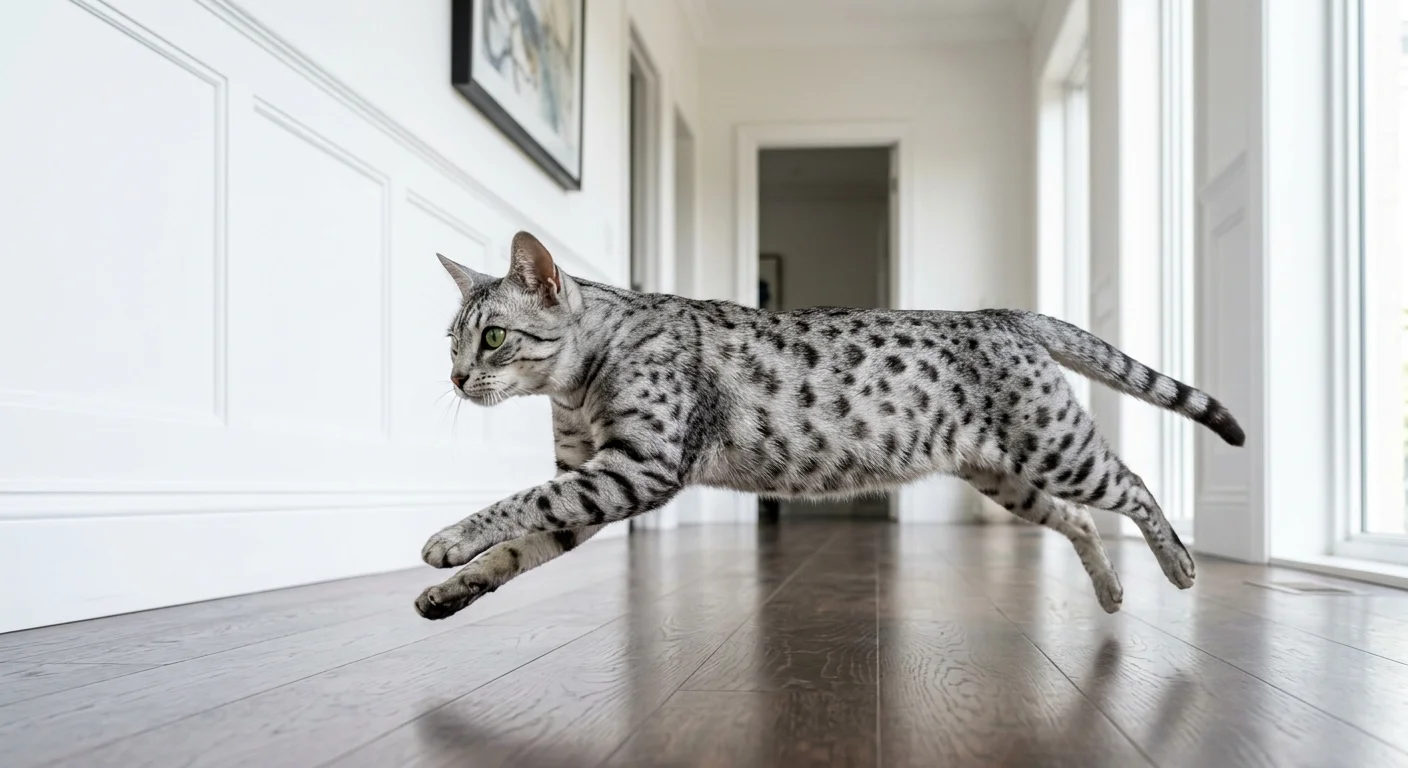
The Egyptian Mau is a medium-sized cat with a muscular, athletic body built for speed and agility. Adults typically weigh 3–5 kg. One of the breed's most distinctive anatomical features is a unique flap of loose skin extending from the flank to the back knee, which allows for an exceptionally long stride — contributing to the breed's record-breaking running speed of over 48 km/h.
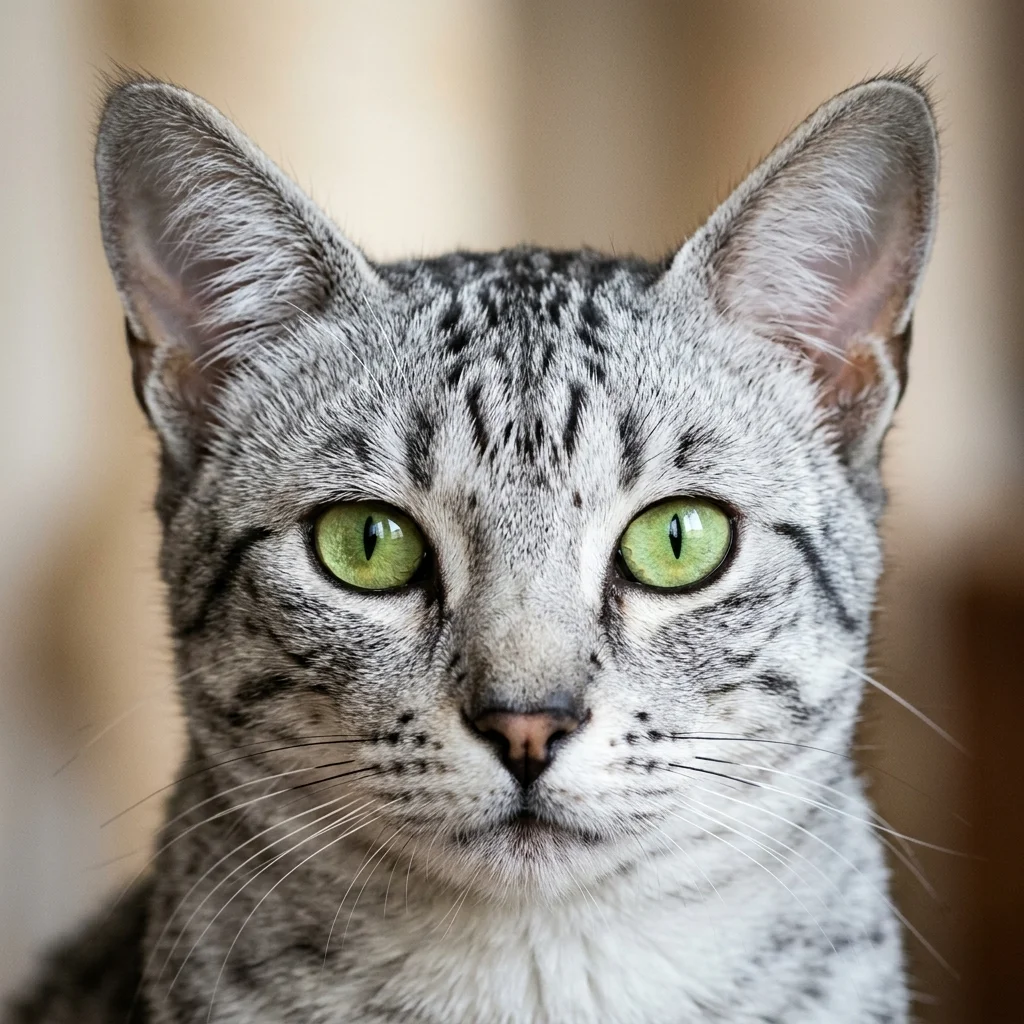
The coat comes in three accepted show colours: silver (pale silver ground with charcoal spots), bronze (warm bronze ground with dark brown spots), and smoke (grey ground with black spots). All three patterns share randomly distributed spots — not arranged in a regular mackerel or classic tabby pattern — that appear on the body, legs, and tail. A distinctive "M" marking appears on the forehead.
The head is a slightly rounded wedge with large, gooseberry-green eyes that have a characteristic worried expression. The brow, cheeks, and whisker pads are slightly rounded. Ears are medium to large, slightly pointed, and may have interior furnishings.
Temperament
The Egyptian Mau is a deeply loyal breed that forms close, lasting bonds with its immediate family. While reserved — and sometimes apparently aloof — with strangers, Maus are affectionate and warmly interactive with people they know and trust. They often single out one family member as their particular favourite.
This is a highly active, athletic breed with sharp senses and a strong prey drive. Maus love to run, leap, and chase, and they are happiest in an enriched environment with opportunities for climbing and interactive play. They are one of the fastest domestic cats, capable of reaching speeds over 48 km/h.
Egyptian Maus communicate with a distinctive vocabulary that includes chirping, chortling, and trilling sounds — quite different from the typical meow. They are not excessively loud, but they are expressive.
Maus are generally well-mannered with other cats and can live alongside gentle dogs, but they may need time and careful introductions before accepting newcomers into the household. They do best in calm environments and can be sensitive to household stress.
Activity & Play
Activity and Exercise Needs
The Egyptian Mau is one of the most athletic domestic cat breeds, capable of reaching speeds around 30 mph. Owners must provide daily outlets for this natural energy.
Energy Level
Expect a high-energy cat active during day and early evening. Maus prefer motion and investigation over lounging. They calm somewhat with age but remain lively into their senior years.
Daily Exercise
Aim for 20 to 30 minutes of interactive play daily, split into two sessions. Without enough activity, boredom can lead to destructive behaviour or excessive vocalisation.
Play Styles
The Mau has a strong prey drive. Wand toys with feathers or crinkle attachments mimic bird and rodent movement perfectly. Laser pointers work for short bursts but always finish with a tangible toy so the cat experiences a catch. Many Maus enjoy fetch with small balls or crinkle toys when introduced young.
Enrichment
Puzzle feeders channel hunting instincts and slow fast eaters. Automated wand toys help on busy days. Crinkle tunnels satisfy the stalking urge. Window perches provide stimulating bird-watching.
Vertical Space
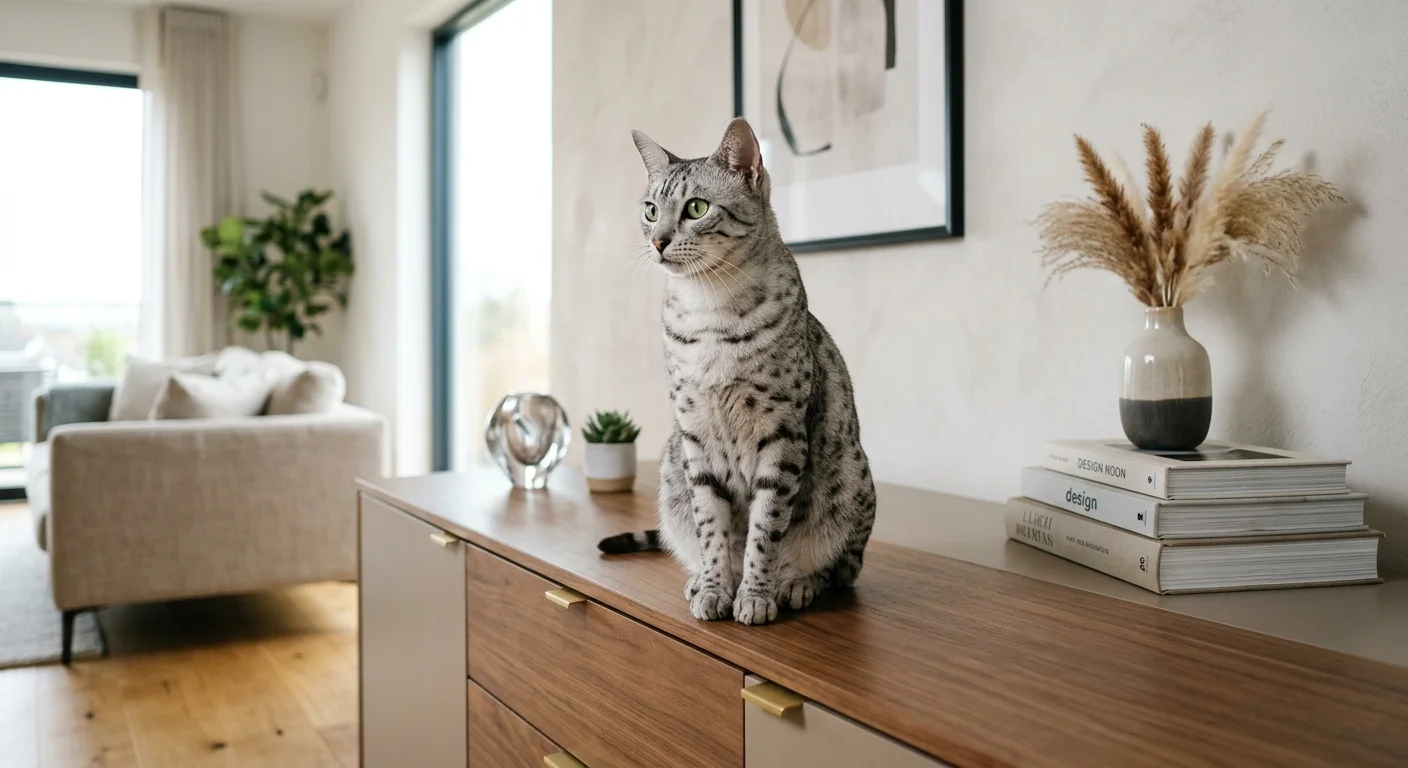
Maus are excellent climbers. A tall cat tree near a window is essential. Wall-mounted shelves work well in smaller homes.
Indoor vs. Outdoor
Maus adapt well to indoor life with sufficient enrichment. For outdoor access, a secure catio or leash and harness is strongly recommended given the breed's speed and curiosity.
Grooming
The Egyptian Mau's short to medium coat is one of the easiest to maintain of any pedigree breed. The coat is dense and resilient in silver and bronze varieties, with a slightly silkier texture in the smoke variety.
Weekly brushing with a fine-toothed comb or soft bristle brush is sufficient to remove loose hairs and keep the coat's vivid spotted pattern looking crisp. The coat rarely mats and requires no trimming. Maus tend to enjoy grooming sessions as an opportunity for interaction.
Beyond coat care, regular nail trimming, ear cleaning as needed, and routine dental hygiene complete the grooming routine. Overall, the Egyptian Mau is a low-maintenance breed when it comes to coat care, which is one of its many practical advantages as a companion cat.
Health
The Egyptian Mau is considered a naturally healthy breed with a lifespan of 12–15 years. As a breed developed largely from cats of natural origin rather than extensive selective crossing, the Mau benefits from reasonable genetic diversity.
One notable health concern is urate urolithiasis (uric acid bladder stones). Research has identified Egyptian Maus at significantly elevated risk compared to mixed-breed cats, with odds ratios suggesting a much higher incidence. Owners should monitor for signs of urinary discomfort, and veterinary screening is advisable.
Pyruvate kinase deficiency, which can cause haemolytic anaemia, has also been reported in the breed. Responsible breeders test for this condition. Hypertrophic cardiomyopathy (HCM) can occur but is not considered a primary breed concern. Routine annual veterinary check-ups and a high-quality diet will support long-term health.
Nutrition
Nutrition
The Egyptian Mau is an athletic, muscular breed that requires a diet supporting lean muscle mass and sustained energy. Getting nutrition right is key to keeping this active cat in peak condition.
Macronutrient Targets
Look for a food with at least 30 to 35% protein on a dry matter basis. Fat should sit between 15 and 20% to fuel the Mau's active lifestyle without promoting excessive weight gain. Carbohydrates should be minimal, as cats are obligate carnivores.
Wet vs. Dry Food
A combination of wet and dry food works well for most Maus. Wet food provides hydration, which supports kidney health and urinary tract function. Dry food can be offered as part of puzzle feeders to slow eating and provide mental stimulation. Aim for at least 50 to 60% of calories from wet food.
Feeding Frequency
Kittens under 6 months: three to four small meals per day. Cats 6 months to 1 year: two to three meals per day. Adults: two measured meals per day. Free feeding is not recommended, as Maus can overeat when bored.
Breed-Specific Concerns
Egyptian Maus have sensitive digestive systems and may react poorly to sudden food changes. Transition new foods gradually over seven to ten days. Some individuals show sensitivity to grains or artificial additives; a limited-ingredient diet may help if digestive issues arise. Monitor weight carefully, as the breed's high metabolism can mask gradual weight gain in less active individuals.
Treats
Keep treats to no more than 10% of daily calories. High-protein, low-filler treats align best with the Mau's nutritional needs.
Family Fit
Family Fit
The Egyptian Mau is a loyal, devoted breed that bonds deeply but on its own terms. Understanding its preferences helps set realistic expectations.
With Children
Maus do well with children who respect feline boundaries. They enjoy active play and will join games of chase or fetch. Young children should be taught not to grab or restrain the cat. Supervised introductions and clear house rules make for a successful pairing.
With Other Cats
Egyptian Maus are generally sociable with other cats, especially when raised together. They can be territorial with newcomers, so a slow introduction over one to two weeks is recommended.
With Dogs
A dog-friendly Mau is possible when the dog is calm or cat-savvy. The cat always needs an escape route and elevated spaces out of reach. Boisterous or prey-driven dog breeds are a poor match.
With Elderly Owners
The Mau's energy may challenge very sedentary owners. However, older adults who enjoy interactive play and appreciate an affectionate but independent companion will find the breed rewarding.
Apartment Living
Maus adapt well to apartments if vertical space and daily play are provided. A cramped, unstimulating environment leads to frustration. A cat tree and window perch are the minimum requirements.
First-Time Owners
Maus are manageable for first-timers who invest in enrichment and take time to build trust. The breed is sensitive to stress and needs consistent routine, which suits patient, engaged owners.
Fun Facts
- The Egyptian Mau is the fastest of all domestic cat breeds, with documented speeds exceeding 48 km/h (30 mph) — faster than the fastest human sprinters.
- A unique skin flap running from flank to hind knee acts like a natural turbo boost, allowing the Mau's back legs to extend further than other cats' for a longer stride.
- Ancient Egyptians believed the Mau to be a sacred animal and a physical manifestation of the goddess Bastet. Harming a cat was considered a serious crime.
- The Egyptian Mau is the only domestic cat breed whose spots are completely natural — they occur in the wild population and are not a result of human selective breeding.
- Maus have a gestation period that is approximately one week longer than average for domestic cats — about 63–73 days compared to the typical 65–67 days.
FAQ
Frequently Asked Questions
How long do Egyptian Maus live?
Egyptian Maus typically live 12 to 15 years. Cats kept indoors, fed a quality diet, and given regular veterinary care often reach the upper end of this range.
Do Egyptian Maus shed a lot?
Shedding is moderate. The short to medium coat releases some hair year-round, with a slight seasonal increase in spring. Weekly brushing keeps loose hair under control and reduces what ends up on furniture.
Are Egyptian Maus vocal?
Maus are moderately vocal and communicate through a distinctive repertoire of chirps, chortles, and trills rather than loud meows. They will let you know when they want attention or food, but they are not as persistently loud as breeds like the Siamese.
Are Egyptian Maus hypoallergenic?
No cat is truly hypoallergenic. Egyptian Maus produce the Fel d 1 protein responsible for most allergic reactions, and their moderate shedding means allergen levels are average. People with mild cat allergies should spend time with the breed before committing.
How much does an Egyptian Mau cost?
Kittens from registered breeders typically cost between $800 and $1,800 USD depending on lineage, colour, and location. Smoke-coloured kittens and show-quality individuals command higher prices. Adopting an adult Mau from a rescue is significantly less expensive.
Can Egyptian Maus be trained?
Yes. Egyptian Maus are highly intelligent and respond well to positive reinforcement training. Many learn to fetch, walk on a leash, or perform simple commands. Short, consistent training sessions begun in kittenhood yield the best results.
Gallery
Explore more Egyptian Mau-style breeds
Browse related breeds or take our matching quiz to find the right fit for your home.
Stay in the loop
Get weekly breed spotlights, care guides, and new additions - straight to your inbox.