Colorpoint Shorthair
vocal, affectionate, intelligent, social
Quick Facts
- Lifespan
- 12-16 years
- Weight
- 2.7-5 kg
- Origin
- United Kingdom/United States
- Coat
- Short
Overview
Overview
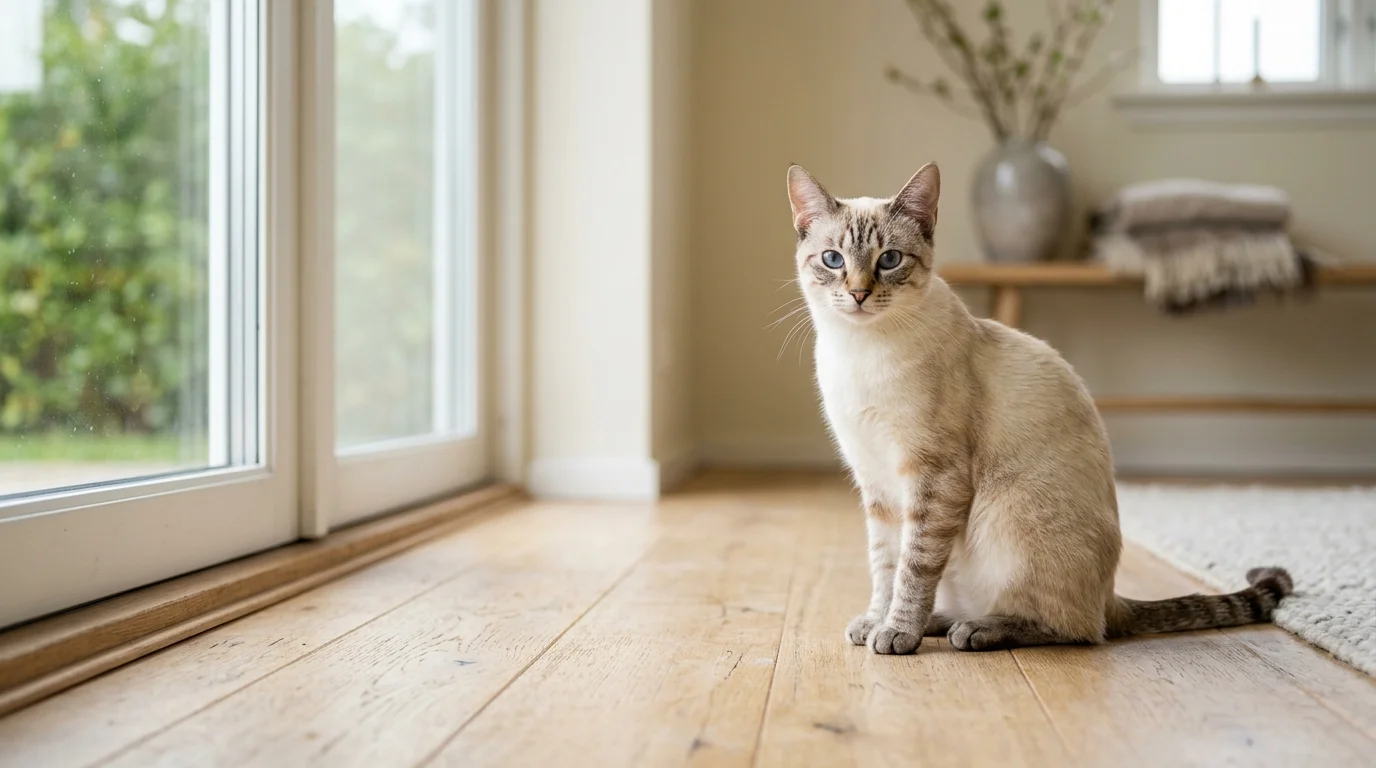
The Colorpoint Shorthair is the Siamese's colorful cousin — sharing the same svelte body, vivid blue eyes, and intensely social personality, but offered in a range of point colors beyond the traditional four. Developed in the 1950s by introducing the red gene into Siamese bloodlines, the Colorpoint Shorthair is recognized exclusively by the CFA as a separate breed.
Available in red point, cream point, lynx point, and tortoiseshell point — among others — the Colorpoint is one of the most vocal, communicative, and affectionate cats in the fancy. Weighing 2.7–5 kg with a lifespan of 12–16 years, it thrives in households that can match its need for interaction and conversation.
History & Origins
History
The Colorpoint Shorthair was born from a desire to expand the Siamese palette. In the mid-1950s, breeders in the UK and United States began crossing Siamese with red domestic shorthairs to introduce the red gene into the Siamese's traditional four point colors — seal, chocolate, blue, and lilac.
The first Colorpoints — red point, cream point, and tortoiseshell point — were accepted for CFA registration in the late 1950s, achieving championship status in 1964. By 1969, lynx and tortie point colorings were also added.
The CFA recognizes the Colorpoint Shorthair as a distinct breed from the Siamese. Other registries, including TICA and FIFe, consider all pointed Oriental-type cats under the Siamese or Oriental umbrella. The Colorpoint's unique status as a CFA-exclusive breed reflects the CFA's historically conservative approach to breed classification.
Appearance
Physical Characteristics
The Colorpoint Shorthair is the picture of Siamese-type elegance — long, lean, and angular in every dimension.
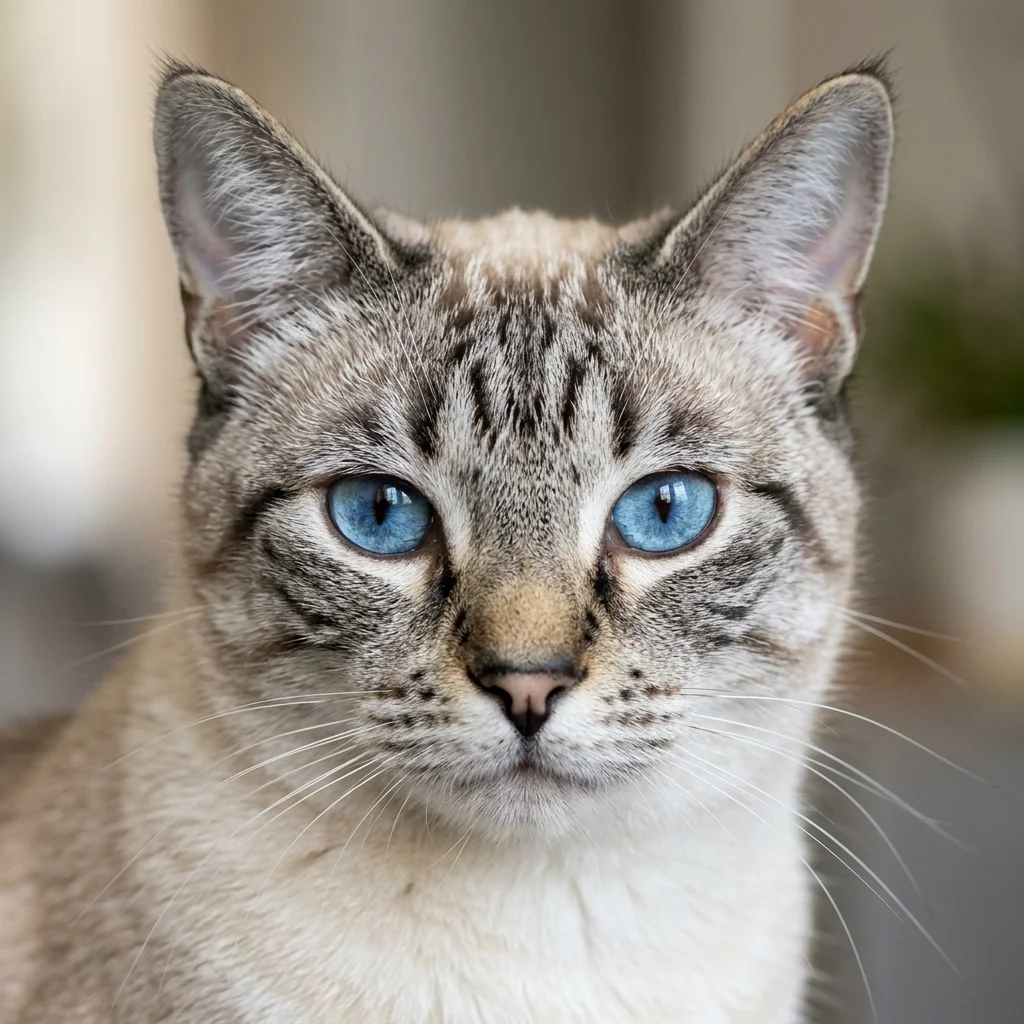
Body: Long, lithe, tubular, and muscular; "svelte" is the standard's own word Head: Long, tapering wedge; forms a perfect triangle from nose to ear tips Eyes: Vivid blue, almond-shaped, and slightly slanted — always blue Ears: Strikingly large and wide at the base Coat: Short, fine, and close-lying; virtually no undercoat Colors: All colorpoint patterns except the traditional four Siamese colors — red point, cream point, tortie point, and lynx (tabby) point in all CFA-accepted colors Weight: 2.7–5 kg Lifespan: 12–16 years
Temperament
Temperament
The Colorpoint Shorthair is one of the most people-oriented cats you will ever meet. Inheriting the Siamese's legendary personality, these cats are expressive, demanding, and utterly devoted.
Key traits:
- Highly vocal — will carry on extended conversations with a loud, raspy voice
- Deeply affectionate — bonds closely with one or two people in the household
- Sensitive — picks up on human emotions and can become anxious if the household is stressed or chaotic
- Intelligent — learns quickly and can be taught tricks; also quick to find trouble
- Demanding — persistent attention-seeker who will not easily be ignored
- Social — does not do well alone for long periods
The Colorpoint Shorthair is best suited to owners who genuinely want an interactive, communicative companion rather than an independent cat.
Activity & Play
Activity and Exercise
The Colorpoint Shorthair is an energetic, playful cat that inherits its athletic nature directly from its Siamese ancestry. This breed needs daily mental and physical engagement to stay healthy and content.
Daily Exercise Needs
Aim for 20 to 30 minutes of interactive play per day. Colorpoint Shorthairs are not couch cats by nature and will seek out stimulation on their own if their owners do not provide it, sometimes in ways that owners find less than ideal.
Play Styles
This breed loves to chase, fetch, and interact with its human family. Wand toys with feathers or fabric streamers are particularly popular. Many Colorpoints will retrieve small toys thrown across the room, returning them for another round. Interactive puzzle toys and treat dispensers engage their sharp minds.
Vertical Space
Colorpoint Shorthairs enjoy height. Cat trees, shelves, and perches near windows allow them to observe household activity and outdoor wildlife. A tall scratching post with platforms is a practical and much-used addition to any room.
Toys
Rotate toys to keep things fresh. Crinkle balls, small plush mice, and motorised toys hold attention well. Scheduled interactive sessions with wand toys are the most valuable enrichment for this people-focused breed.
Indoor vs. Outdoor
Colorpoint Shorthairs are best kept indoors. Their trusting, social nature makes them vulnerable to hazards outside. A catio or supervised garden time satisfies curiosity about the outdoors while keeping them safe.
Grooming
Grooming
The Colorpoint Shorthair's short, fine, close-lying coat is effortless to maintain — one of the easiest among all cat breeds.
- Brushing — once a week with a fine-toothed comb or soft bristle brush removes loose hair and keeps the coat gleaming
- Shedding — minimal; the close coat produces little loose fur
- Bathing — rarely necessary
- Eyes — clean the inner corners gently and regularly; the large eyes can accumulate discharge
- Ears — clean weekly; the large, open ears collect dust
- Teeth — brush regularly; Oriental-type cats can be prone to periodontal disease
The point coloring — visible on the mask, ears, paws, and tail — is temperature-sensitive and appears darker on cooler body parts, requiring no special care.
Health
Health
The Colorpoint Shorthair shares the health profile of the Siamese breed group. It is generally a healthy cat but has some documented predispositions.
Known health considerations:
- Amyloidosis — abnormal protein deposits affecting organ function; responsible breeders screen for this
- Asthma and respiratory issues — more common in Oriental-type breeds; avoid smoky or dusty environments
- Sensitivity to anaesthesia — the lean body type requires careful dosing; inform your vet before any procedure
- Crossed eyes and kinked tail — occasional cosmetic traits from Siamese ancestry; not a health concern
- Periodontal disease — regular dental care is important
Lifespan: 12–16 years; Siamese-group cats are known for longevity. Work with breeders who provide health testing documentation.
Nutrition
Nutrition
The Colorpoint Shorthair is a slim, elegant cat with a moderate to high activity level. Its diet should prioritise high-quality animal protein and avoid excessive calories that could lead to weight gain over time.
Protein and Fat
Choose a food where named meat sources such as chicken, turkey, or salmon appear first on the ingredient list. A protein content of 36 to 42 percent on a dry matter basis supports lean muscle in this active breed. Fat around 14 to 18 percent is appropriate for maintaining energy levels.
Wet vs. Dry Food
Wet food is strongly recommended for at least part of the daily diet, as Colorpoints, like all cats derived from Siamese lines, can be prone to urinary issues. Wet food significantly increases fluid intake and supports kidney and bladder health.
Feeding Frequency
Kittens under six months need three to four meals per day. Adult Colorpoints do well with two scheduled meals daily. Avoid leaving dry food out continuously, as this breed can overeat when bored or seeking attention.
Breed-Specific Considerations
Colorpoints can be prone to obesity in less active households, so portion control is important. Some individuals in Siamese-derived breeds show sensitivity to certain food proteins, so if digestive upset appears, a limited-ingredient diet trial may help identify triggers. Fresh water should always be available, and a cat fountain may encourage drinking.
Family Fit
Family Fit
The Colorpoint Shorthair is one of the most people-oriented cat breeds available. Its sociable nature makes it a natural companion for households that can offer plenty of time and attention.
Children
Colorpoints generally get along well with children who engage them in play and treat them gently. Their interactive personality suits older children who enjoy teaching cats tricks or playing wand games. Toddlers should always be supervised, as this breed dislikes rough handling.
Other Cats
Colorpoints prefer not to be alone and often do best with another cat for company. Another active, social breed is the ideal companion. A laid-back cat that ignores them may frustrate the Colorpoint's need for interaction.
Dogs
This breed can coexist with dogs that are calm and cat-friendly. Because the Colorpoint is confident, it will typically hold its own in a multi-pet home when introductions are done gradually.
Elderly Owners
Colorpoints are devoted companions for elderly owners who have time to spend with them. Their vocal, affectionate nature provides real companionship, though their energy means some daily play is still needed.
Apartments
Apartment living suits the Colorpoint Shorthair well, provided that adequate enrichment and vertical space are available. They do not need outdoor access as long as their social and play needs are met indoors.
First-Time Owners
Colorpoints make excellent companions for first-time cat owners who want an interactive, communicative cat. Their main demand is attention, which is a manageable commitment for someone who works from home or has flexible hours.
Fun Facts
Fun Facts
- CFA-exclusive breed — the Colorpoint Shorthair is recognized only by the CFA; other registries classify these cats as Siamese or Oriental
- Temperature-sensitive color — point coloring develops on the cooler parts of the body; indoor cats tend to be lighter than outdoor cats in cold climates
- Champion conversationalists — the Colorpoint's voice is described as loud, raspy, and impossible to ignore
- Red is rare — the red point was one of the most difficult colors to establish; breeders worked for years to achieve a clean, clear red
- Lynx points have stripes — the lynx point variation shows tabby striping within the point areas, giving the cat a tiger-stripe look on its face and legs
- Siamese relatives — breed the Colorpoint with a traditional Siamese and the kittens may be registered as Siamese if they display one of the four traditional colors
FAQ
Frequently Asked Questions
How long do Colorpoint Shorthair cats live?
Colorpoint Shorthairs typically live 12 to 16 years. Cats from healthy bloodlines with regular veterinary care, a balanced diet, and an indoor lifestyle often reach the upper end of this range.
Do Colorpoint Shorthairs shed a lot?
Shedding is minimal to moderate. Their short, fine coat does not produce the volume of loose hair seen in longhaired breeds. Weekly brushing is enough to keep the coat clean and distribute natural oils.
Are Colorpoint Shorthairs vocal?
Yes, this is one of the most vocal cat breeds. Colorpoints inherited the Siamese tendency to communicate loudly and frequently. They will tell you when they are hungry, bored, or simply want company. This trait is a core part of the breed's character.
Are Colorpoint Shorthairs hypoallergenic?
No. Like all cats, they produce Fel d 1 allergen. Their short coat may reduce the spread of allergen in the home, but people with cat allergies should spend time with the breed before committing.
How much does a Colorpoint Shorthair kitten cost?
Kittens from reputable breeders typically cost between 500 and 1,200 US dollars. Prices vary with pedigree, coat colour point pattern, and breeder location.
Can Colorpoint Shorthairs be trained?
Absolutely. They are highly intelligent and respond enthusiastically to positive reinforcement. Many owners teach them to fetch, walk on a leash, and perform basic commands. Short, reward-based sessions work best.
Gallery
Explore more Colorpoint Shorthair-style breeds
Browse related breeds or take our matching quiz to find the right fit for your home.
Stay in the loop
Get weekly breed spotlights, care guides, and new additions - straight to your inbox.