Topic guide
Active and playful cat breeds
Energetic, athletic breeds that love interactive play, puzzle feeders, and plenty of vertical space.
This page is for owners who want a genuinely interactive cat -- one that plays fetch, learns tricks, follows you around the house, and keeps your attention as much as you keep theirs.
High-energy, playful cats are not for everyone, but for the right owner they are deeply rewarding. These breeds need daily interactive play, mental stimulation through puzzle feeders or training, and ideally a large, enriched environment with climbing structures. Expect to invest 20-30 minutes of active play per day to keep them happy and out of trouble.
When evaluating active breeds, look at intelligence alongside energy. A bored, smart cat is far more destructive than a bored, average cat. The best active breeds channel their energy into problem-solving and engagement with their owners rather than into random chaos.
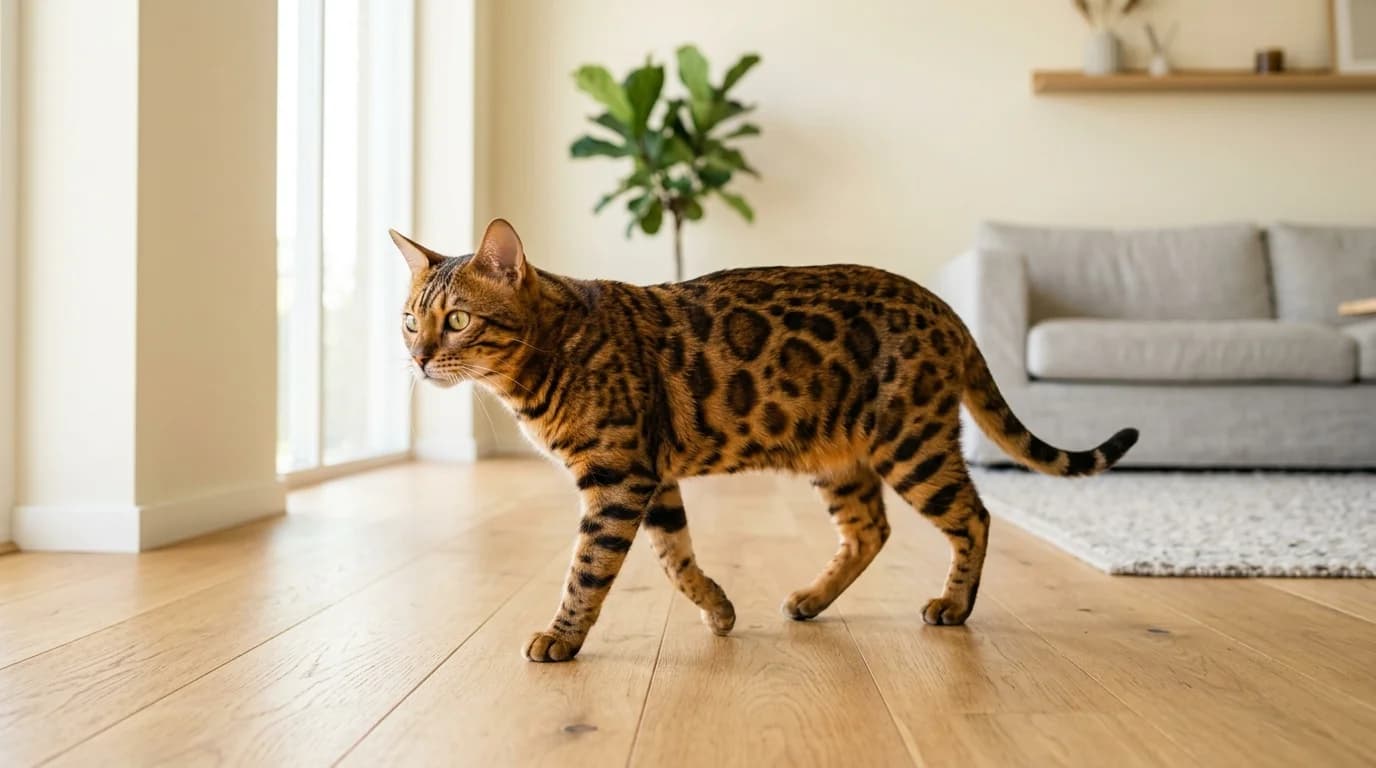
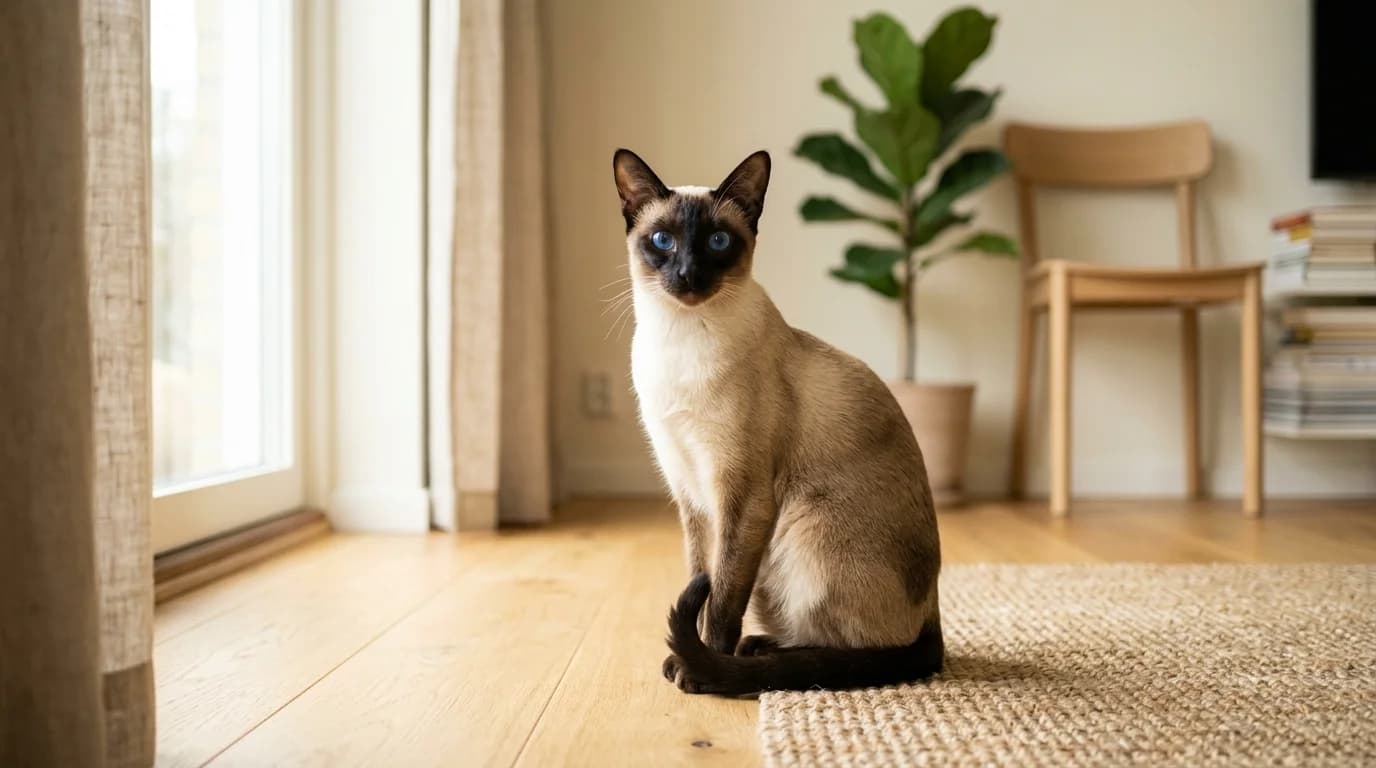
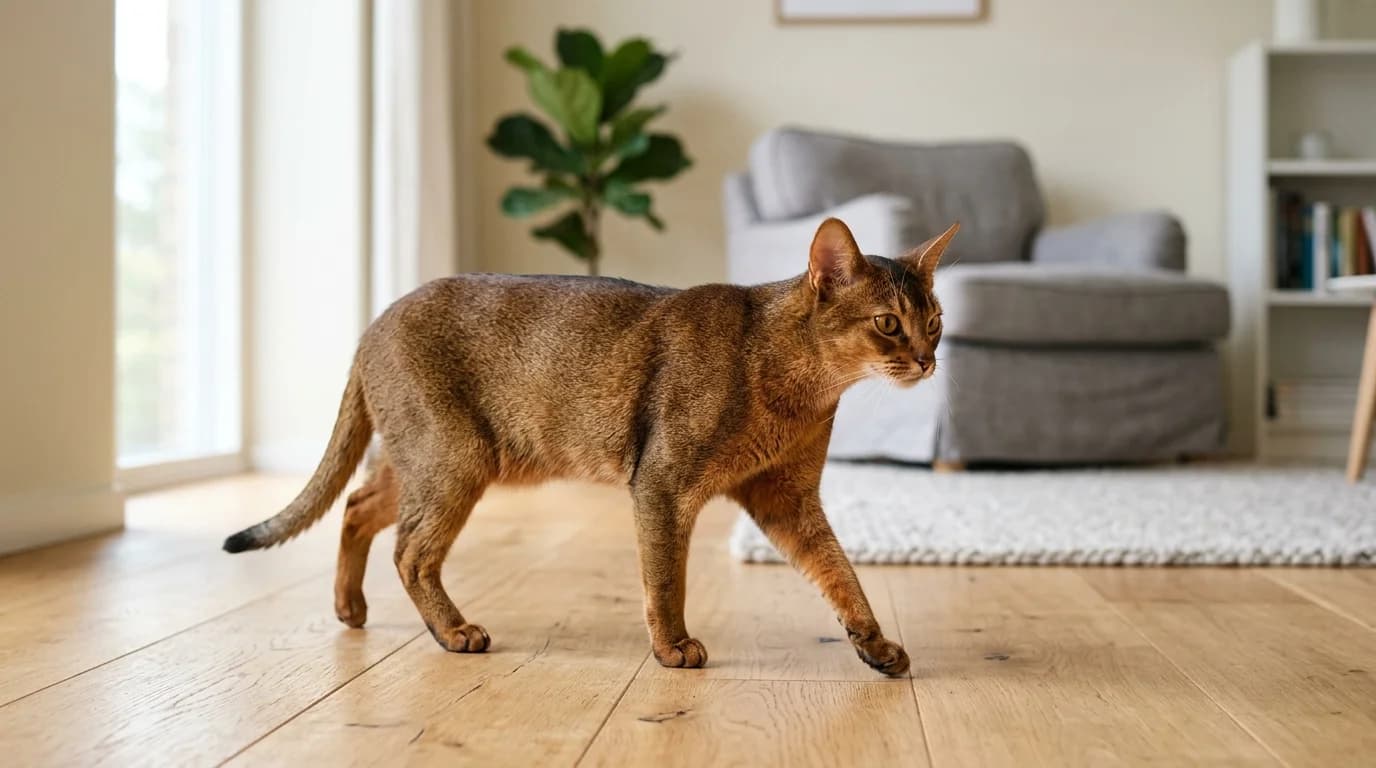
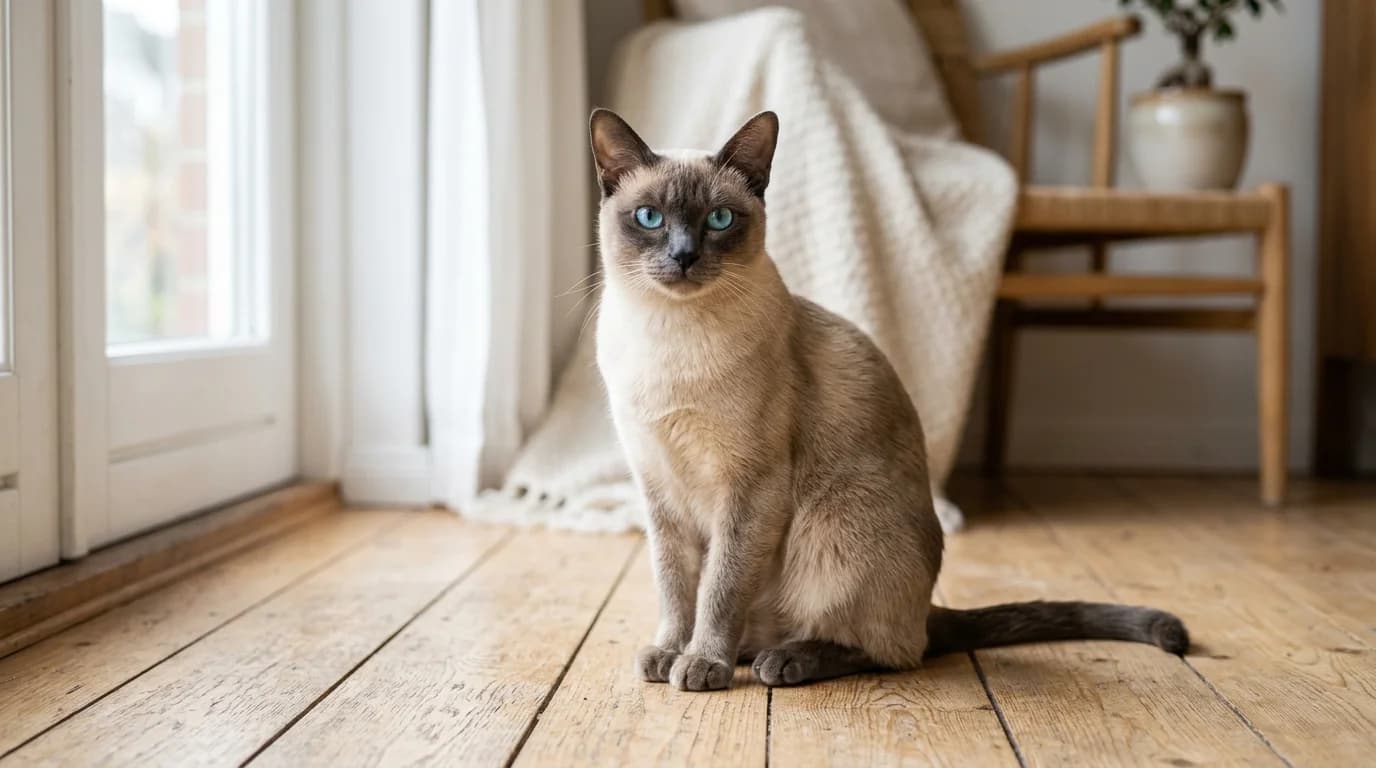
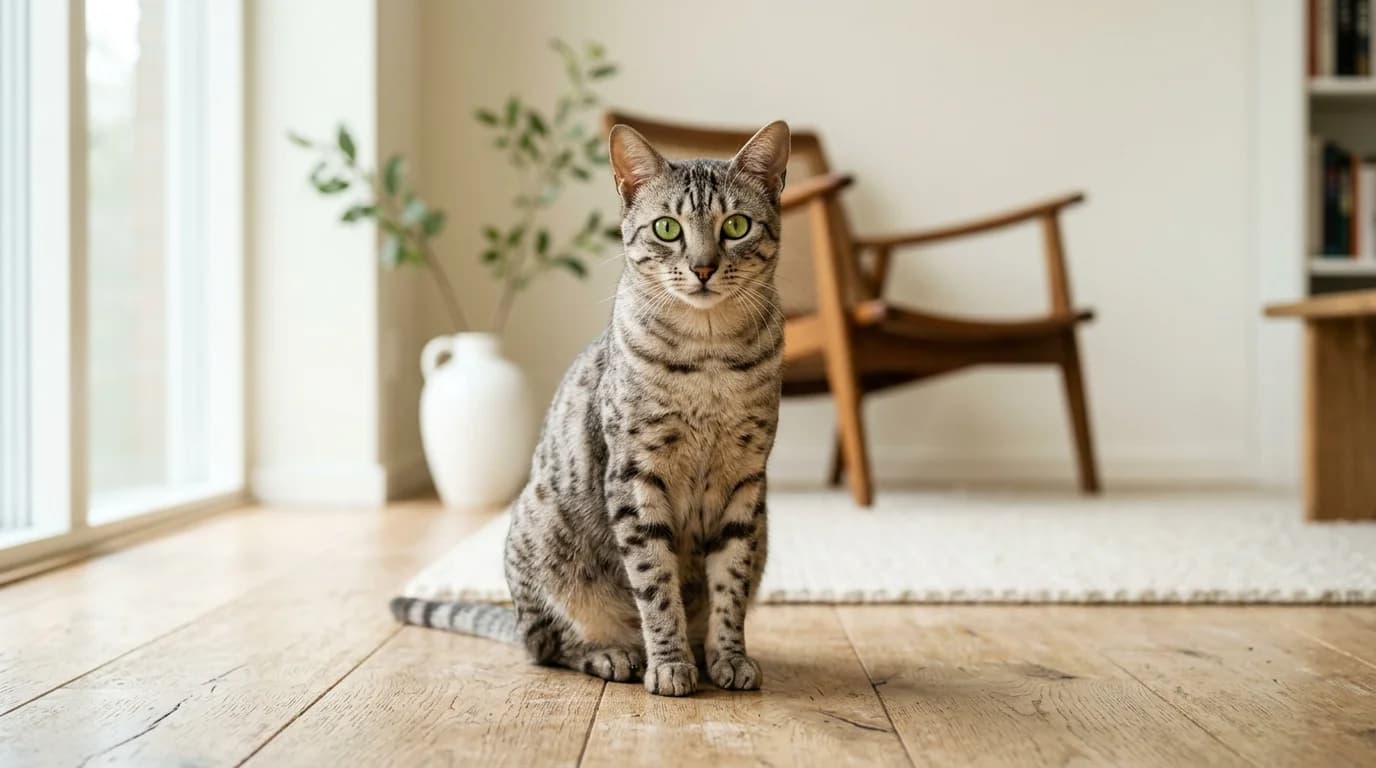
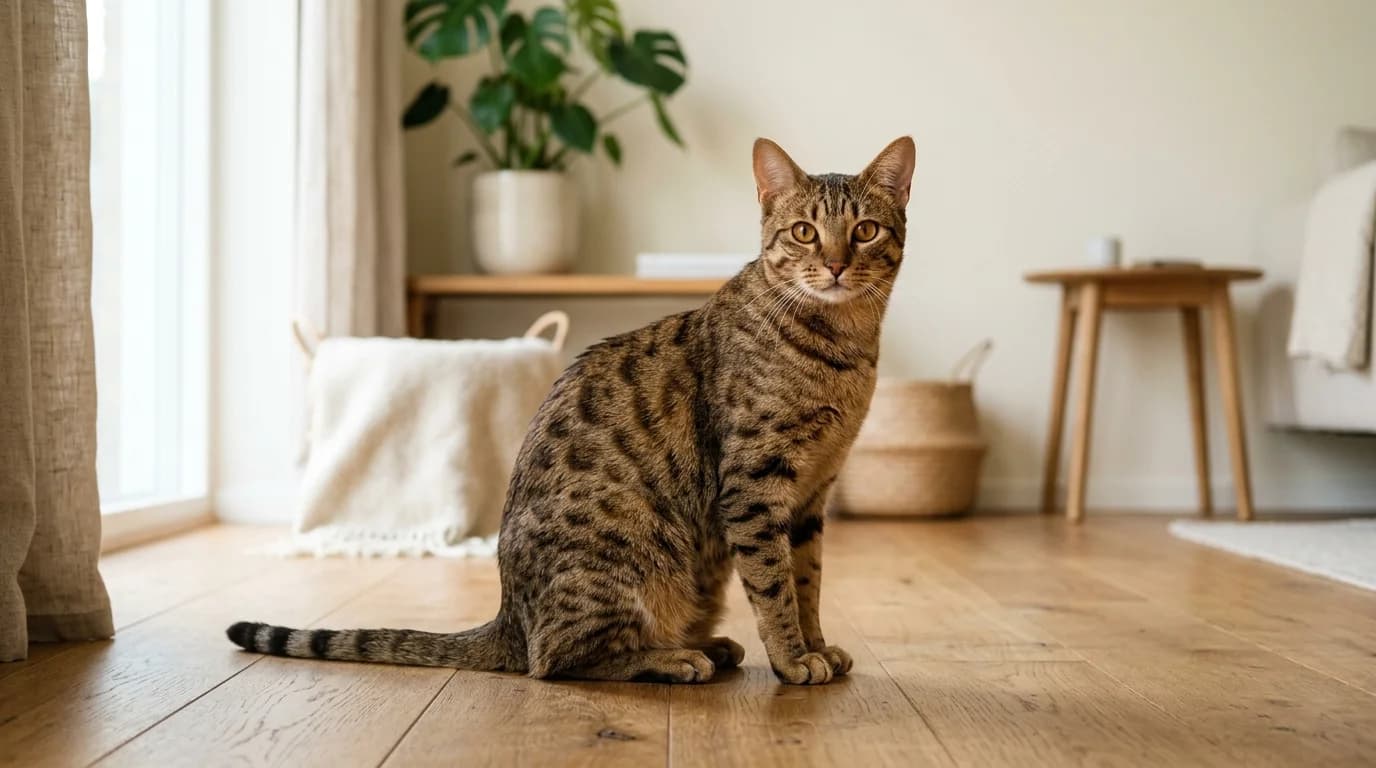
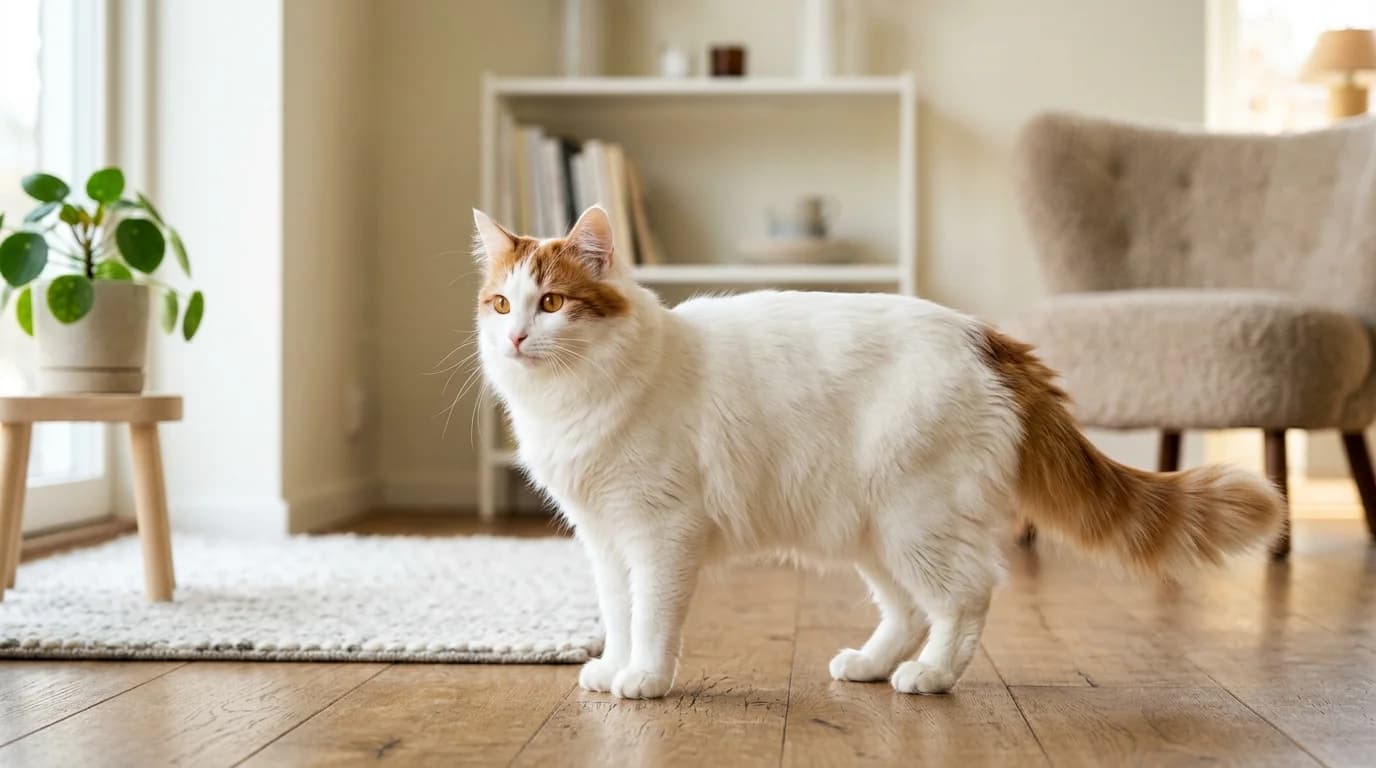
The Abyssinian is widely considered one of the most interactive cat breeds in existence -- always in motion, curious about everything, and happiest when involved in whatever you are doing. The Bengal brings wild-cat energy to a domestic coat: athletic, fast, and endlessly inventive in play. The Balinese adds a vocal, people-focused personality to that high-energy mix, making it one of the most communicative active breeds.
If you work from home or have children who want an engaging pet, active breeds can be excellent companions. If you are away for long hours without enrichment in place, consider a calmer breed instead.
12 matching breeds
Frequently asked questions
What is the most playful cat breed?
The Abyssinian is frequently described as the most interactive and playful domestic cat breed. It is in near-constant motion, investigates everything in its environment, and has a strong drive to engage with its owner through play. The Bengal is a close rival -- it is larger, more athletic, and retains more wild-cat instincts, including a fascination with water and an ability to open latches. For owners who want a cat that plays fetch reliably, both the Abyssinian and Bengal respond well to repetitive game training. The Balinese and Ocicat are also consistently high on energy and interactivity rankings.
How much playtime does an active cat breed need?
High-energy breeds like the Bengal and Abyssinian need at least two interactive play sessions per day, each lasting 15-20 minutes, with additional environmental enrichment (puzzle feeders, climbing structures, rotating toys) throughout the day. Total active engagement of 30-45 minutes daily is a reasonable minimum. Without adequate stimulation, active breeds develop problem behaviors: excessive vocalization, destructive scratching, raiding cupboards, or harassing other pets. A second cat of similar energy level is one of the most effective enrichment strategies for high-drive breeds.
Can an active cat breed live in an apartment?
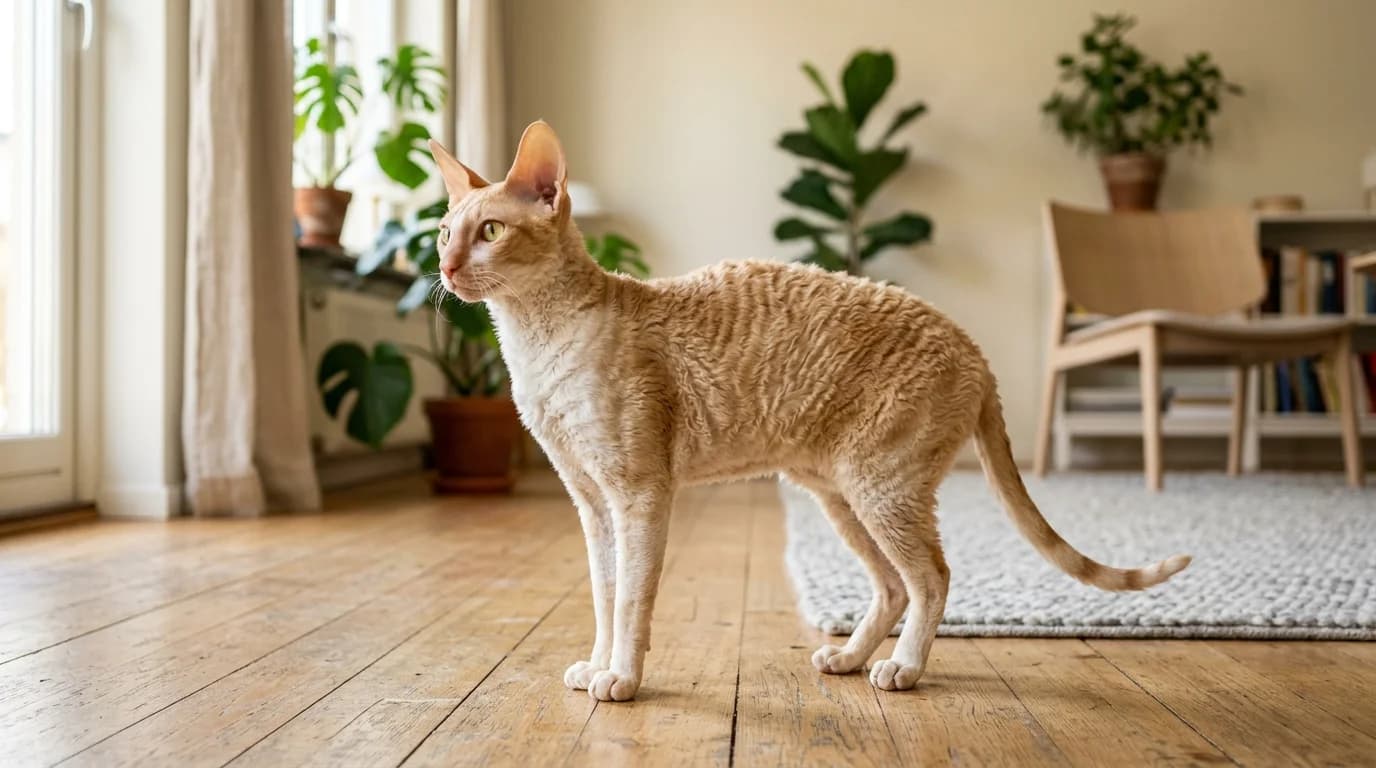
It is possible but requires significant planning. An active breed in an apartment needs extensive vertical space -- floor-to-ceiling cat trees, wall shelves, and a safe outdoor space like a secured balcony or catio if possible. The Bengal and Abyssinian in particular need more space than most apartment setups provide comfortably. If you are set on an active breed in a smaller space, the Balinese or Cornish Rex may be more manageable: both are playful and intelligent but slightly less intense than Bengals or Abyssinians. Daily structured play is non-negotiable regardless of apartment size.
Are active cats harder to train?
Active, intelligent breeds are often easier to train than calm breeds, not harder. The Bengal and Abyssinian both respond well to clicker training and can learn fetch, sit, high-five, and leash walking with consistent practice. Their high food motivation and curiosity make training sessions effective. The challenge is maintaining their attention -- sessions should be short (5-10 minutes), energetic, and ended before the cat loses interest. Consistent daily training also serves as enrichment, meeting some of their mental stimulation needs.
Will a playful cat calm down with age?
Yes, most active breeds moderate somewhat in energy as they move from kitten to adult to senior -- typically becoming noticeably calmer after age 3-5. However, Bengals and Abyssinians remain more active than average breeds throughout their adult lives. Do not adopt a high-energy breed expecting it to settle into a sedate lap cat by year two. Choose a breed whose adult energy level matches your lifestyle, and plan for an active first few years regardless.