Turkish Van
energetic, playful, water-loving, intelligent
Quick Facts
- Lifespan
- 12-17 years
- Weight
- 3-8.5 kg
- Origin
- Turkey
- Coat
- Long
Overview
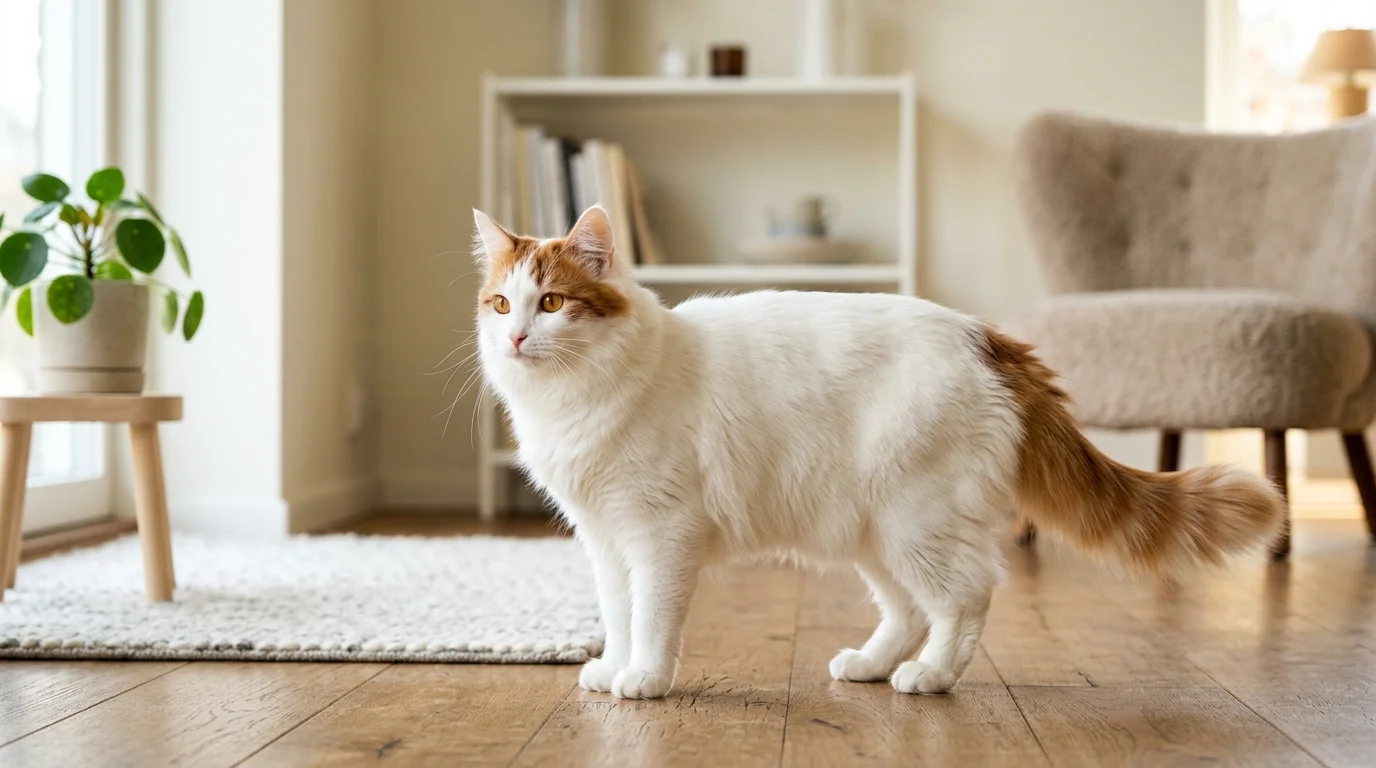
The Turkish Van is an ancient, rare breed from the Lake Van region of eastern Turkey, celebrated worldwide for one extraordinary trait: a genuine love of water. With a distinctive colour pattern — mostly white with coloured markings confined to the head and tail — and an athletic, energetic temperament, the Turkish Van is unlike any other cat. Powerfully built yet graceful, independent yet deeply loyal, this breed suits confident owners who appreciate a cat with a strong personality.
History & Origins
The Turkish Van is an ancient, naturally occurring breed from the Lake Van region of eastern Turkey — a remote, high-altitude area bordering what is today Iran and Armenia. The breed is believed to have existed in this region for thousands of years, and some historians suggest returning Crusaders may have brought Van-type cats to Europe as early as the 11th century.
The modern history of the breed in the West began in 1955, when two British photographers travelling through Turkey — Laura Lushington and Sonia Halliday — acquired a pair of unrelated Turkish Vans and brought them to England. Impressed by the cats' personality and unusual water-loving behaviour, they began a breeding programme that established the breed in Britain.
The breed reached the United States in the late 1970s. TICA recognised the Turkish Van in 1979, its inaugural year. The CFA granted Championship status in 1994. FIFe and GCCF also recognise the breed.
Appearance
The Turkish Van is a large, muscular, and athletically built cat — one of the larger domestic breeds, with males typically weighing 5.5–9 kg and females somewhat lighter at 4–6 kg. The body is long and substantial, with broad shoulders and a deep chest. Full physical maturity is not reached until around five years of age.
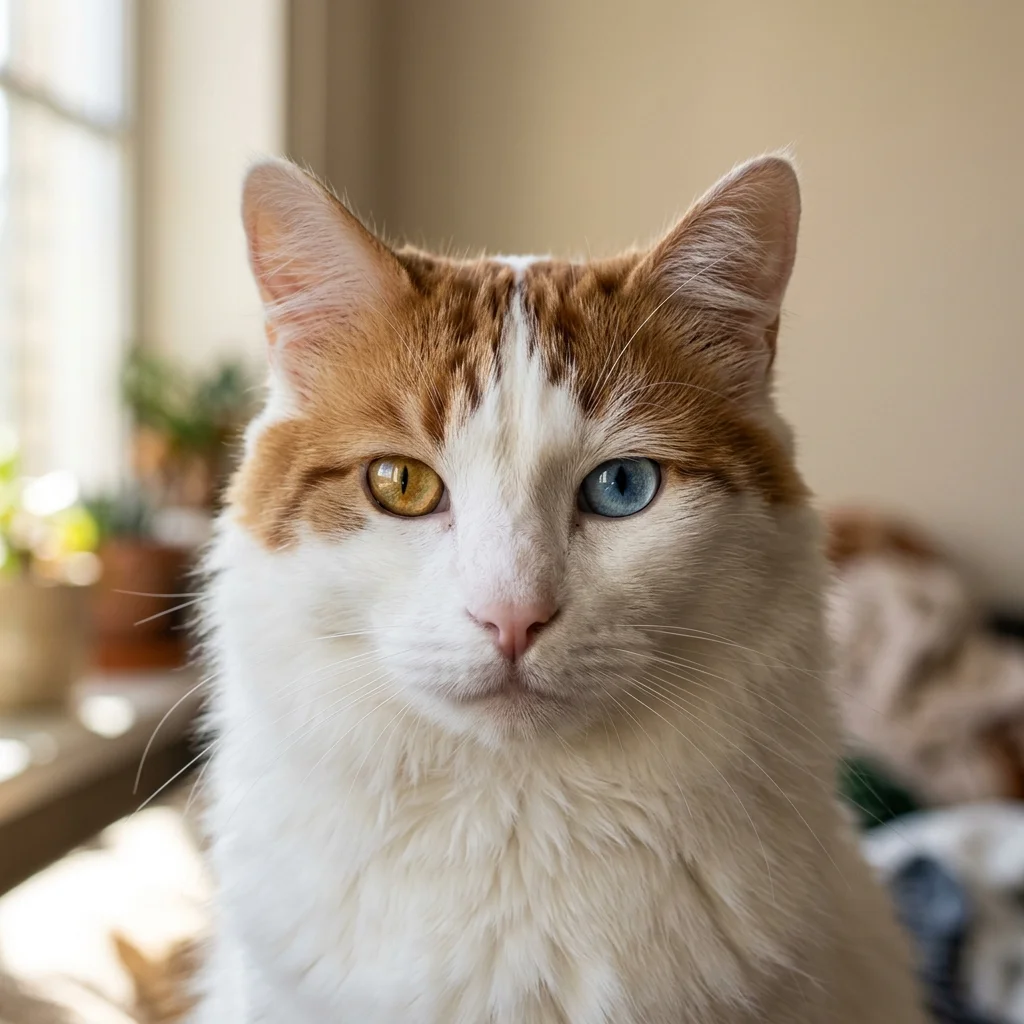
The breed is best known for the "Van pattern" — a predominantly white body with colour restricted to the head (in patches around the ears and eyes) and the tail, which is typically fully coloured or ringed. Accepted colours for these markings include red, cream, black, blue, and various tortoiseshell and tabby patterns.
The coat is semi-long, single-layered without an undercoat, and has a distinctive cashmere-like texture that is water-resistant. The tail is a full, luxurious brush. Eyes are large and oval, coming in amber, blue, or odd-coloured (one of each), and the ears are large and upright.
Temperament
The Turkish Van is energetic, highly intelligent, and decidedly independent — a cat that operates on its own terms while remaining deeply attached to its chosen people. It is often described as dog-like in its loyalty: following its family around the home, greeting them at the door, and inserting itself into daily activities with enthusiasm.
Despite its affectionate nature, the Turkish Van typically prefers to be near rather than held. It is not generally a lap cat and may resist being picked up or restrained. It shows love on its own schedule — through proximity, playful interaction, and the occasional headbutt.
Highly active and playful, Turkish Vans need significant physical and mental stimulation. They climb, leap, and explore with impressive athleticism — high cat trees and interactive play sessions are essential. They can be possessive of their humans and may not always welcome other cats into the household without a careful, gradual introduction.
Their famous affinity for water is genuine: many Turkish Vans will voluntarily wade into pools, play in running water, and even swim. Their water-repellent coat makes this practical as well as characteristic.
Activity & Play
Activity and Exercise Needs
The Turkish Van is a high-energy cat with a reputation for athleticism that is unusual even among active breeds. They are strong, fast, and genuinely enjoy physical challenge. Do not underestimate how much space and stimulation this breed requires.
Energy level: High. Turkish Vans remain active well into adulthood and do not slow down as quickly as many breeds. Expect bursts of intense play followed by rest, then more play.
Exercise minimum: Plan for at least 30 to 45 minutes of active engagement daily. This does not have to be structured; interactive play sessions, fetch games, and supervised outdoor time all count.
Play styles: Turkish Vans are retrievers at heart. Many will bring toys back for another throw. They love chase games, feather wands, and anything that moves unpredictably. Puzzle feeders add mental challenge between active sessions.
Vertical space: Strongly recommended. Turkish Vans love to climb and survey their territory from height. Tall cat trees, wall-mounted shelves, and accessible high furniture keep them engaged and reduce destructive behavior.
Water play: This breed has a well-documented attraction to water. Many Turkish Vans will splash in water bowls, investigate running taps, and even join their owners in shallow water. A cat-safe water feature or supervised bath time can be enriching.
Indoor versus outdoor: Turkish Vans benefit from access to safe outdoor space when possible. A secure garden or enclosed catio gives them room to run. Strictly indoor cats need extra enrichment to stay mentally satisfied.
Grooming
The Turkish Van has a semi-long, single-layer coat with no undercoat, giving it a soft, cashmere-like texture and a natural water resistance. This coat is easier to maintain than many longhaired breeds, as the lack of an undercoat reduces the tendency to mat.
Weekly brushing or combing is sufficient for most of the year, with more frequent sessions during the spring moult when shedding increases. The coat lies semi-flat rather than fluffing out, and tangles are uncommon but may develop behind the ears and in the britches in older cats.
The Turkish Van's coat changes seasonally: the full winter coat — thick and luxurious — gives way to a shorter summer coat. Routine care includes nail trimming, ear cleaning, and dental hygiene. Bathing is rarely needed, and many Vans will make the experience lively and wet for both cat and owner.
Health
The Turkish Van is considered a naturally healthy breed with a typical lifespan of 12–17 years. As an ancient, naturally developed breed rather than a product of intensive selective breeding, it is relatively free of hereditary disorders.
Hypertrophic cardiomyopathy (HCM) is the primary health concern to monitor; regular cardiac screening by a vet experienced with the breed is recommended. No other breed-specific genetic diseases are widely documented.
The Turkish Van takes up to five years to reach full physical maturity — longer than most domestic breeds. During this extended development period, appropriate nutrition and regular veterinary check-ups are important. The breed's robust constitution and natural genetic diversity contribute to its overall longevity.
Nutrition
Feeding Your Turkish Van
The Turkish Van is a large, muscular cat with a robust frame. Their diet should support that build while keeping weight in check, as overfeeding a less active indoor Van leads to obesity quickly.
Protein: Aim for 35 to 42 percent protein on a dry matter basis. High-quality animal protein from chicken, turkey, or fish should top the ingredient list. Protein supports their dense muscle mass and long-term vitality.
Fat: A fat content of 14 to 18 percent provides steady energy for their active periods. Omega-3 sources like salmon oil benefit their semi-long coat and skin health.
Wet versus dry: A combination approach works best. Wet food adds hydration and higher meat content; dry food supports dental health. Turkish Vans enjoy water and often prefer fresh or running water, which helps with kidney function.
Feeding by age:
- Kittens (up to 12 months): three to four meals daily with a kitten formula.
- Adults (1 to 7 years): two measured meals per day. Turkish Vans can be greedy eaters, so portion control matters.
- Seniors (7 years and older): monitor weight carefully and adjust to a senior formula as activity decreases.
Breed notes: The Turkish Van matures slowly, reaching full size around three to five years. Feed a kitten or all-life-stages formula until they are fully grown. Avoid free-feeding adults. Always provide fresh water.
Family Fit
Is the Turkish Van a Good Fit for Your Family?
The Turkish Van is a bold, independent cat that bonds strongly with its people but on its own terms. They suit active households that can match their energy and respect their personality.
Children: Turkish Vans can do well with older children who understand how to interact with a confident cat. They enjoy active play and games but are not always tolerant of being held or restrained. Supervision with young children is essential.
Other cats: Results vary. Turkish Vans can coexist with other cats but prefer to be the dominant animal. Introductions should be slow and carefully managed. Same-energy playmates are a better match than timid or passive cats.
Dogs: A calm, respectful dog that does not chase will usually be accepted. Turkish Vans are assertive enough to hold their own and will set clear boundaries. High-prey-drive dogs are not a good match.
Elderly owners: The Turkish Van is probably not ideal for elderly owners seeking a calm companion. Their high activity level and independent nature require engagement and patience.
Apartments: Possible but challenging. Turkish Vans need space to run and climb. A small apartment without adequate enrichment leads to frustration. A larger space or outdoor access is strongly preferred.
First-time owners: Not the easiest starting point. Their independence and strong personality can be surprising for new cat owners. Those with experience handling confident breeds will have a smoother time.
Fun Facts
- The Turkish Van is known as the "swimming cat" — a nickname earned by its genuine fondness for water, including voluntarily swimming in pools and lakes.
- The distinctive colour pattern — white body with coloured head and tail — is now known as the "Van pattern" and appears in many other breeds.
- Turkish Vans take up to five years to reach full maturity — significantly longer than most domestic cat breeds.
- In Turkey, a fully white Turkish Van with odd eyes (one blue, one amber) is considered a symbol of good luck and is associated with the city of Van.
- TICA recognised the Turkish Van in 1979, the very first year the organisation existed.
FAQ
How long do Turkish Van cats live?
Turkish Van cats typically live between 12 and 17 years. They are a naturally robust breed with few hereditary conditions, and indoor cats with regular veterinary care often reach the upper range.
Do Turkish Van cats like water?
Yes. The Turkish Van has a well-documented fascination with water. Many will splash in water bowls, investigate running taps, and some will enter shallow water voluntarily. This trait is so consistent that the breed is sometimes called the swimming cat.
Do Turkish Van cats shed a lot?
Moderately. The Turkish Van has a semi-long, single-layer coat without a dense undercoat, which reduces shedding compared to double-coated breeds. Seasonal shedding in spring and autumn is more noticeable. Weekly brushing manages loose hair effectively.
Are Turkish Van cats vocal?
Moderately. Turkish Vans will communicate when they want something and are not shy about making their views known, but they are not constant talkers. Their voice is softer than many Oriental breeds.
How much does a Turkish Van kitten cost?
Turkish Van kittens from reputable breeders typically cost between $800 and $1,500. The breed is rare outside Turkey and parts of Europe, so finding a breeder may require a waiting list.
Are Turkish Van cats good with other pets?
With careful introductions, Turkish Vans can live with other cats and calm dogs. They are assertive and prefer to be the dominant animal in the home. Timid or submissive pets may find them overwhelming.
Gallery
Explore more Turkish Van-style breeds
Browse related breeds or take our matching quiz to find the right fit for your home.
Stay in the loop
Get weekly breed spotlights, care guides, and new additions - straight to your inbox.