Munchkin
outgoing, playful, social, curious
Quick Facts
- Lifespan
- 12-15 years
- Weight
- 2.7-4 kg
- Origin
- United States
- Coat
- Short
Overview
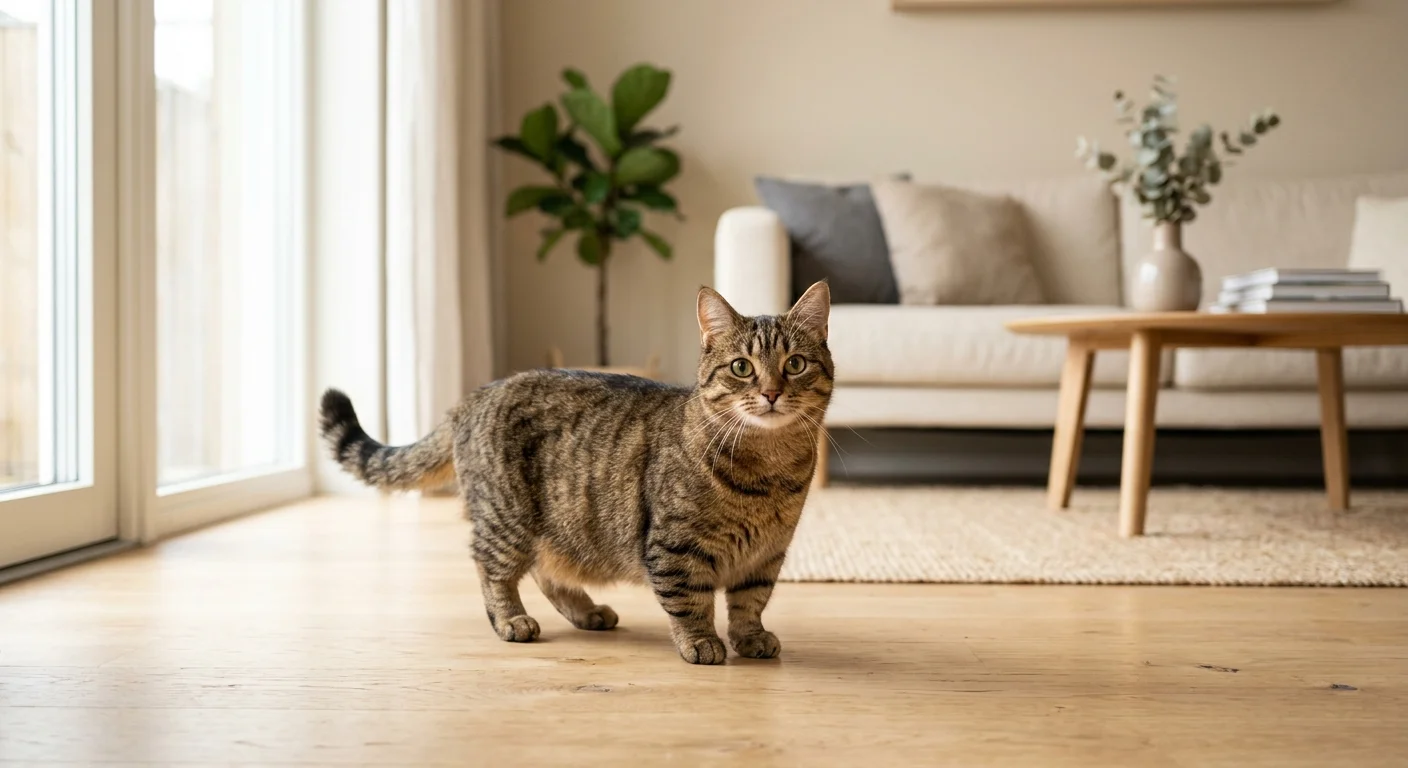
The Munchkin is an outgoing, playful cat instantly recognisable by its notably short legs — a natural dominant genetic mutation that has made it one of the most distinctive and talked-about breeds in the world. Despite its small stature, the Munchkin is a confident, energetic cat that moves with surprising speed and agility. The breed is recognised by TICA but remains controversial in some veterinary and breeding communities due to concerns about the long-term welfare implications of its skeletal mutation.
History & Origins
Short-legged cats have been documented sporadically around the world since at least the 1940s, with reports appearing in the UK in 1944 and in Russia in 1956. The modern Munchkin breed, however, traces its origins to 1983, when Louisiana music teacher Sandra Hochenedel found two pregnant cats sheltering under a truck. She kept one, named her Blackberry, and discovered that half of Blackberry's kittens were born with notably short legs. One of those kittens, a male named Toulouse, became the foundation of the breed.
The breed came to public attention in 1991 when TICA held a televised presentation of Munchkin cats. The reaction was immediate and divided — enthusiasm from the public, concern from veterinary and breeding communities. TICA granted the Munchkin full championship status in 1997, though the decision was contentious and several prominent voices within TICA registered objections.
The breed is not recognised by the CFA, GCCF, or FIFe, and breeding of Munchkin cats is prohibited in some countries due to animal welfare concerns. The debate over whether it is ethical to breed for a trait that may cause health complications continues within the cat fancy community.
Appearance
The Munchkin's most distinctive feature is its short legs, caused by a dominant genetic mutation affecting the long bones of the limbs (achondroplasia-like chondrodysplasia). Adults typically weigh 2.7–4 kg. The body itself is of normal proportion — medium-sized, well-muscled, and neither excessively long nor cobby.
Munchkins come in both shorthaired and longhaired varieties, and in virtually every colour and pattern. The shorthaired coat is plush and medium-density; the longhaired coat is silky with a slight wave. Both varieties have a full, rounded tail.
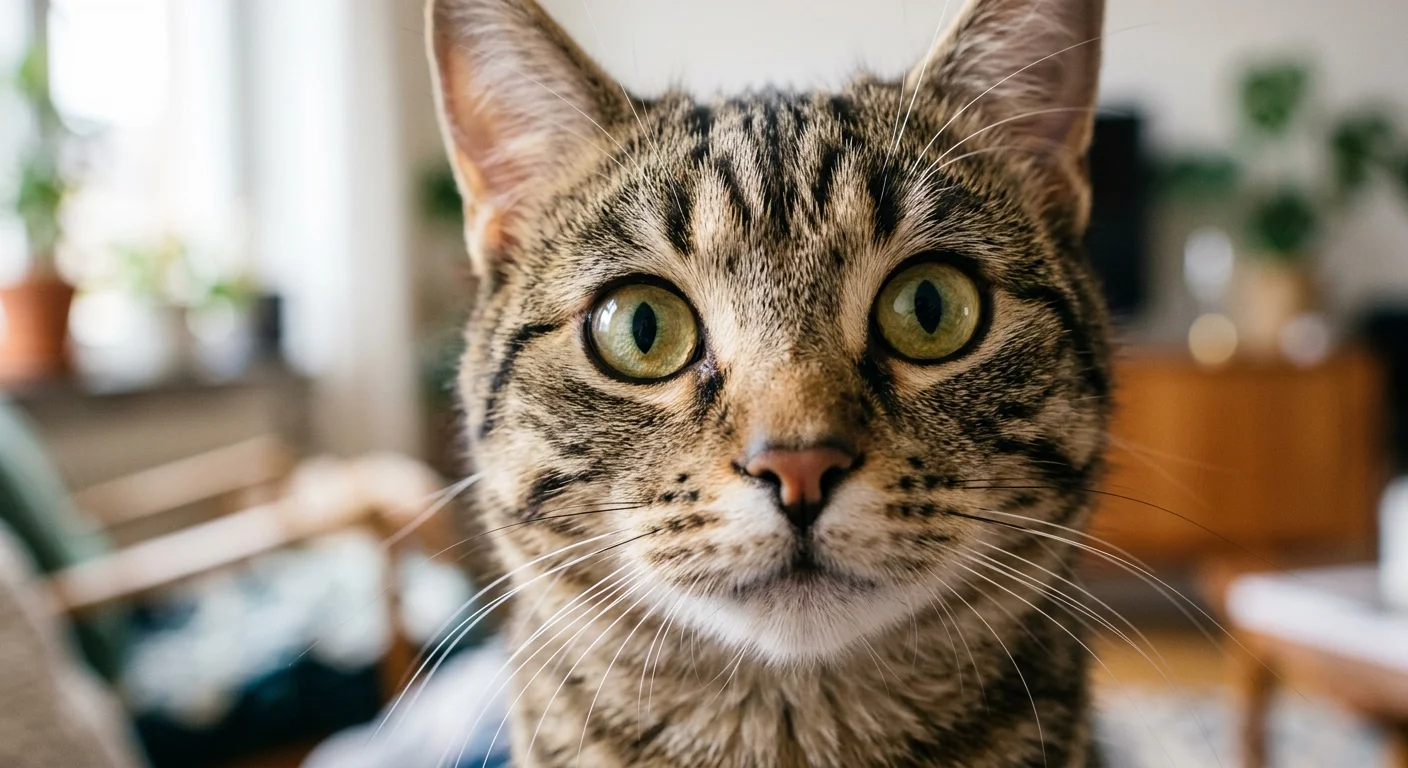
The head is a modified wedge with a rounded forehead, a medium-sized muzzle, and prominent, walnut-shaped eyes in any colour. Ears are medium to large and set at the corners of the head. Despite the dramatically shorter legs, the hindquarters are slightly higher than the shoulders, giving the Munchkin a characteristic gently upward-sloping topline when standing.
Temperament
Munchkins are sociable, outgoing, and playful cats that love being at the centre of household activity. Their short legs do not diminish their enthusiasm for play — they run, chase, and hunt with the same eagerness as any other cat, often surprising first-time owners with their speed and agility.
This breed is affectionate and people-oriented, enjoying lap time and close contact with family members. They are curious by nature, using their short stature to navigate under furniture and into small spaces that other cats might overlook. Their mischievous, exploratory character gives them a kitten-like energy that persists into adulthood.
Munchkins are social with children, other cats, and dogs. They are not typically aggressive and adapt well to lively, busy households. They do not thrive in isolation and benefit from having companions, whether human or animal.
They communicate in a moderate, pleasant voice and are not excessively demanding. Their playful, affectionate nature makes them popular family pets, and those who live with them consistently describe them as joyful, entertaining companions.
Activity & Play
Activity and Exercise
Despite their short legs, Munchkins are energetic, playful cats that enjoy running, chasing, and interactive games. Their unique build does not slow them down significantly.
Energy level: Medium to high. Munchkins are curious and enthusiastic about play well into adulthood.
Daily exercise: Aim for at least 20 to 30 minutes of active play spread across two or three sessions. Ground-level activities suit them best given their low-slung frame.
Play styles: They excel at stalking, pouncing, and batting games. Wand toys, toy mice, and crinkle balls are favorites. Puzzle feeders add mental stimulation and slow down fast eaters.
Vertical space: Munchkins can jump but reach lower heights than longer-legged cats. Lower cat trees, ramps, and step-style furniture give them access to elevated spots safely.
Toys: Interactive wand toys, small plush mice, feather teasers, and puzzle feeders. Rotate toys regularly to keep their sharp minds engaged.
Indoor vs. outdoor: Best kept indoors. Their low stature makes them more vulnerable outdoors. Indoor enrichment such as window perches, bird feeders outside windows, and climbing structures keeps them satisfied.
Weight management: Obesity puts strain on their short limbs and spine. Avoid free-feeding and keep treats minimal. Regular play and measured meals are essential for joint health.
Grooming
Munchkin cats come in both shorthaired and longhaired varieties, and grooming requirements differ accordingly. Shorthaired Munchkins need only weekly brushing with a soft bristle brush or rubber grooming mitt to manage shedding and keep the coat in good condition. Their short coat does not mat.
Longhaired Munchkins require more frequent attention — brushing two to three times per week is recommended to prevent tangles, particularly behind the ears and in the armpits. A wide-toothed metal comb followed by a soft brush works well for the longhaired coat.
Because of their shorter legs, Munchkins may have more difficulty reaching certain areas during self-grooming than longer-legged cats. This makes regular owner-assisted grooming particularly valuable for keeping the coat clean and mat-free.
Routine care includes nail trimming every two to three weeks, ear cleaning as needed, and dental hygiene. Weight management is important as excess weight may place additional strain on their joints.
Health
The Munchkin's health profile is closely tied to its defining characteristic: the genetic mutation that shortens its legs. The same mutation that produces short limbs is associated with two conditions that responsible owners and breeders must be aware of.
Lordosis is an inward curvature of the spine in the lower back. In mild cases, affected cats appear normal and live comfortably; in severe cases it can cause pain and reduced mobility. Pectus excavatum is a malformation of the sternum (breastbone) that may result in chest compression in more severe presentations. Both conditions are more prevalent in Munchkins than in the general cat population.
In addition, the breed may be at elevated risk for osteoarthritis as it ages, since the shortened limbs affect weight distribution and movement mechanics. The homozygous form of the Munchkin gene is lethal at an early embryonic stage, meaning responsible breeders pair Munchkins with straight-legged cats to avoid this outcome.
Manchkin cats that are free of these conditions can live a healthy life of 12–15 years. Regular veterinary monitoring is strongly recommended, including X-rays to assess spinal and chest health.
Nutrition
Nutrition
Munchkins need a quality diet that supports their active nature while preventing weight gain that strains their short limbs.
Protein: High-quality animal protein as the first ingredient. Chicken, turkey, or fish-based formulas work well.
Fat: Moderate fat. Omega-3 fatty acids support joint health, which matters for this low-set breed.
Wet vs. dry: A combination is recommended. Wet food ensures hydration and supports urinary health; dry kibble aids dental hygiene.
Feeding frequency:
- Kittens under 12 months: 3 to 4 meals daily for growth support.
- Adults: 2 measured meals daily. Avoid free-feeding to prevent obesity.
- Seniors 8 plus: 2 meals with vet-adjusted portions.
Breed concerns: Obesity is a real risk and worsens joint strain on their unique frame. Measure all food carefully and limit treats to under 10% of daily calories.
Supplements: Glucosamine and chondroitin may benefit joint health in adults and seniors. Consult your vet before adding supplements.
Family Fit
Family Fit
Munchkins are sociable, outgoing cats that adapt well to busy family life. Their playful energy and affectionate nature make them popular with all ages.
Children: Great with children of all ages. Their sturdy, playful temperament holds up well to active households. Teach young children to handle them gently and avoid picking them up incorrectly.
Other cats: Generally sociable with other cats. They enjoy having a feline companion and rarely show aggression.
Dogs: Can coexist peacefully with cat-friendly dogs, especially when introduced gradually from a young age.
Elderly owners: Affectionate and manageable. Their moderate size and people-oriented nature suit older adults who want an engaging companion without demanding exercise routines.
Apartments: Excellent apartment cats. They do not need large spaces and are not excessively vocal. Provide vertical access points and enrichment toys.
First-time owners: A very approachable breed. Munchkins are friendly, adaptable, and do not have complex grooming or health management needs beyond weight monitoring.
Alone time: Social cats that prefer company. If frequently left alone, a second cat provides companionship and reduces boredom-driven mischief.
Fun Facts
- The Munchkin gene is a dominant mutation, but the homozygous form (inheriting the gene from both parents) is lethal — which means that all living Munchkins carry only one copy of the gene.
- Despite their short legs, Munchkins can run surprisingly fast and are agile enough to leap onto most furniture, though they tend to take a running start rather than jumping straight up.
- The Munchkin is sometimes called the "magpie" of the cat world because individuals are known to collect and hoard small shiny objects that catch their eye.
- TICA was the first major registry to grant the Munchkin championship status, in 1997 — but the decision was not unanimous, and several council members resigned in protest over welfare concerns.
- Breeding of Munchkin cats is prohibited by law in some countries due to animal welfare legislation governing the breeding of cats with characteristics that may cause suffering.
FAQ
How long do Munchkin cats live?
Munchkins typically live 12 to 15 years. Their short legs do not shorten their lifespan, and well-cared-for cats often reach the upper end of that range. Routine veterinary care, a balanced diet, and keeping them indoors all contribute to longevity.
Do Munchkins shed a lot?
Shedding depends on coat type. Shorthaired Munchkins shed moderately year-round with heavier seasonal blows in spring and fall. Longhaired Munchkins shed more and benefit from brushing two to three times per week to prevent matting. Neither variety is considered a heavy shedder compared to breeds like the Maine Coon.
Are Munchkins vocal cats?
Munchkins are moderately vocal. They will let you know when they are hungry or want attention, but they do not have the persistent, loud voice of a Siamese. Most owners describe them as chatty in a pleasant, conversational way rather than demanding or incessant.
Are Munchkins hypoallergenic?
No cat is truly hypoallergenic, and the Munchkin is no exception. They produce the Fel d 1 protein responsible for most human allergies. People with mild cat allergies sometimes tolerate individual cats better than others, but this varies by person and cannot be predicted by breed alone. Spending time with the specific cat before committing is the best approach.
How much does a Munchkin kitten cost?
Munchkin kittens from reputable breeders typically range from $1,000 to $2,500 in the United States. Show-quality kittens or those with rare coat colors sit at the higher end. Adoption from a rescue is a more affordable alternative, though Munchkins are less commonly found in shelters.
Are Munchkins easy to train?
Yes, Munchkins are intelligent and respond well to positive reinforcement. They can learn their names, basic commands, and enjoy puzzle feeders that challenge their minds. Their playful nature makes training sessions feel like games, which keeps them engaged. Short, frequent sessions work better than long ones.
Gallery
Explore more Munchkin-style breeds
Browse related breeds or take our matching quiz to find the right fit for your home.
Stay in the loop
Get weekly breed spotlights, care guides, and new additions - straight to your inbox.