American Wirehair
gentle, easygoing, quiet, playful
Quick Facts
- Lifespan
- 14-18 years
- Weight
- 3.5-5.5 kg
- Origin
- United States
- Coat
- Short
Overview
Overview
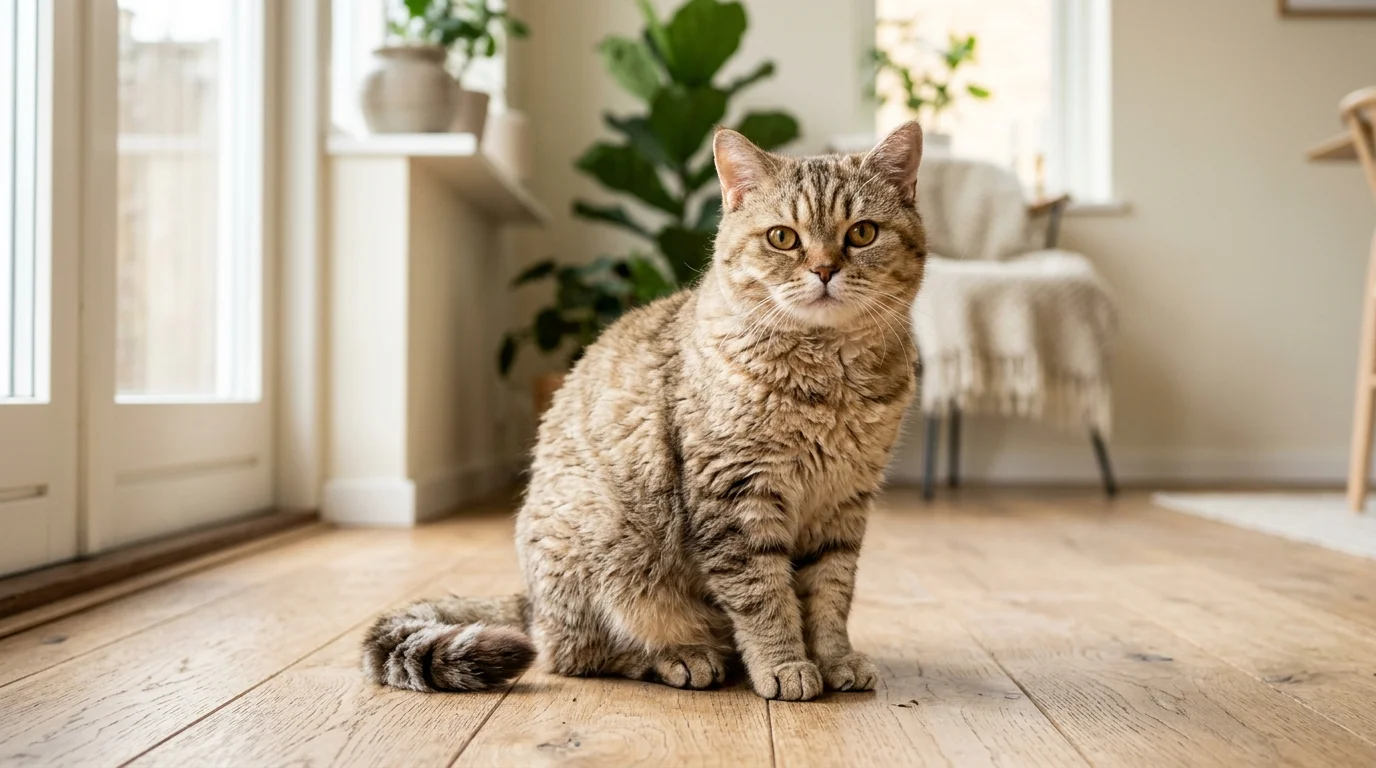
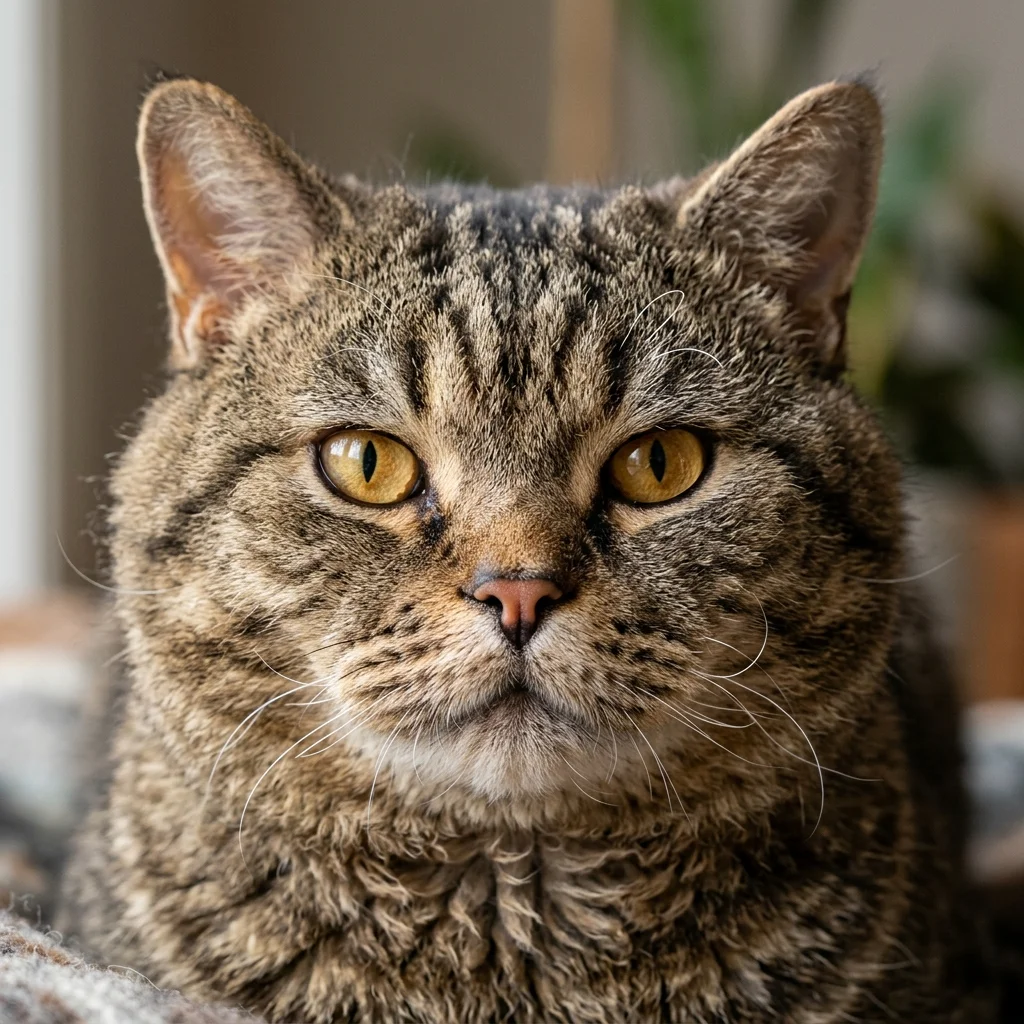
The American Wirehair is one of North America's rarest and most unique cat breeds, distinguished by a wiry, springy coat that is unlike any other cat in the world. Every hair — including the whiskers — is crimped, hooked, or bent, creating a texture that feels like fine steel wool but softer. This spontaneous mutation has never appeared in any other country, making the American Wirehair a truly American original.
Beyond the coat, Wirehairs have an easy-going, gentle temperament that makes them excellent companions for families and individuals alike. They are recognized by both the CFA (since 1967) and TICA, and are closely related to the American Shorthair in body type. They typically weigh 3.5–5.5 kg and enjoy a long lifespan of 14–18 years.
History & Origins
History
The American Wirehair originated from a single spontaneous mutation in upstate New York in 1966. In a litter of barn cats on a farm in Verona, New York, one male kitten was born with an unusual wiry coat. Only one of four wire-coated kittens from that litter survived infancy — a red tabby and white male named Council Rock Farms Adam of Hi-Fi.
The kitten was acquired by breeder Joan O'Shea, who immediately recognized the uniqueness of the mutation. She bred Adam with a normal-coated female, and the resulting litter confirmed that the wiry coat was caused by a dominant gene. CFA accepted the breed for registration in 1967 and granted championship status in 1978.
Crucially, the Wirehair mutation has never been documented in any other country, making this breed uniquely North American. The breed was developed primarily through crosses with American Shorthairs to maintain body type while establishing the wirehair coat.
Appearance
Physical Characteristics
The American Wirehair is a medium to medium-large cat with a rounded, well-muscled body closely resembling the American Shorthair in structure. Males are larger than females, with weight ranging from 3.5–5.5 kg.
Coat: The defining feature. Every individual hair — including whiskers — is crimped, hooked, or bent at the tip. The coat feels springy and resilient to the touch. The density and degree of wiriness varies between individuals, with the most highly wired coats found on the head, back, and sides.
Head: Rounded with prominent cheekbones and a well-developed chin; medium-sized ears with rounded tips.
Eyes: Large, round, bright; color coordinates with coat.
Body: Medium to large, muscular and compact, with well-rounded contours.
Colors: All colors and patterns accepted, mirroring the American Shorthair standard.
Temperament
Temperament
The American Wirehair has a calm, adaptable personality that fits well into most households. These cats are affectionate with their families but maintain a quiet self-sufficiency — they are content to spend time alone during the day without becoming anxious or destructive.
While they may develop a preference for one family member, Wirehairs make time for everyone in the household, greeting each person with head butts and enthusiastic purrs. They are playful without being hyperactive, and their moderate activity level (3 out of 5) means they enjoy interactive play but are equally happy relaxing on a couch.
Wirehairs are gentle with children and tolerant of other pets. Their easygoing nature and adaptability make them well-suited to both busy family homes and quieter single-person households.
Activity & Play
Activity & Exercise
The American Wirehair is a moderately active cat with a calm, easygoing disposition that belies its playful spirit. It enjoys bursts of energetic play followed by long, contented stretches of lounging -- a balance that makes it well suited to most household rhythms.
Daily Exercise Needs
Aim for 30 to 45 minutes of interactive play each day, split across two or three sessions. The American Wirehair is not a high-octane breed, but it will become bored and potentially destructive without adequate stimulation. Morning and evening play sessions work well with most owners' schedules.
Play Styles
The Wirehair is an opportunistic hunter at heart. It responds well to:
- Wand and feather toys -- mimicking bird or insect movement triggers strong prey drive
- Puzzle feeders and treat balls -- engage the mind as well as the body
- Crinkle balls and small mice -- solo play between interactive sessions
- Laser pointers -- used briefly and always finished with a physical toy the cat can catch
Vertical Space
While not an extreme climber, the American Wirehair appreciates a cat tree or window perch at medium height (4 to 5 feet). A sunny shelf or window seat is often the preferred resting spot after play.
Indoor vs. Outdoor
This breed thrives as a full-time indoor cat. Its moderate activity level is easily satisfied inside, and it adapts readily to apartment life provided daily play is consistent. If outdoor access is desired, a secure catio or leash walks are the safest options.
Mental Stimulation
The American Wirehair is curious without being obsessive. Rotating toys every few days maintains interest. Food puzzles at mealtimes add a low-effort enrichment layer that satisfies its mild problem-solving streak.
Grooming
Grooming
Despite the unusual texture, the American Wirehair's coat requires surprisingly minimal grooming. The wiry coat does not tangle or mat easily, and over-brushing can actually damage the delicate crimped hairs or cause the coat to lose its distinctive texture.
Brushing: A very gentle weekly brushing with a soft bristle brush or rubber curry comb is usually sufficient. Avoid slicker brushes with stiff tines, which can break the wiry hairs.
Bathing: Occasional baths during heavy shedding seasons help remove loose hair; use a gentle, residue-free shampoo.
Skin sensitivity: Some American Wirehairs have sensitive skin that can become oily between washes. Owners should monitor for any irritation or skin allergies. If skin issues arise, a veterinary dermatologist can advise on appropriate products.
Regular nail trims, ear cleaning, and dental hygiene round out the grooming routine.
Health
Health
The American Wirehair is generally a healthy breed with no documented breed-specific hereditary diseases. The breed benefits from its close genetic relationship to the American Shorthair and its historically broad gene pool.
- Skin allergies: A small proportion of Wirehairs may develop skin sensitivities or allergies, possibly related to the unique coat structure and sebaceous gland activity. Signs include excessive scratching, redness, or oily skin.
- Hypertrophic cardiomyopathy (HCM): As with many breeds, HCM is an important general concern. Responsible breeders test breeding cats via echocardiogram to identify and remove affected individuals from breeding programs.
- Dental health: Regular dental care is important; periodontal disease is common in domestic cats if teeth are not maintained.
With an average lifespan of 14–18 years, the American Wirehair is among the longer-lived domestic breeds.
Nutrition
Nutrition
The American Wirehair is a medium-sized cat with a sturdy build, and its nutritional needs are straightforward. Keeping it at a healthy weight is the single most important dietary goal for the breed.
Macronutrient Targets
- Protein: 35 to 45% of dry matter -- animal-sourced protein (chicken, turkey, fish) as the primary ingredient
- Fat: 15 to 25% of dry matter -- supports coat health and energy
- Carbohydrates: keep below 10% -- cats have limited carbohydrate metabolism
Wet vs. Dry Food
A combination of wet and dry food works well. Wet food provides essential hydration (cats are poor drinkers by instinct), while quality dry food can help with dental health when used as part of the diet. Aim for at least 50% of calories from wet food.
Feeding Frequency
- Kittens (under 6 months): 3 to 4 small meals per day to support rapid growth
- Juniors (6 to 12 months): 3 meals per day
- Adults (1 to 7 years): 2 meals per day, measured portions
- Seniors (7+): 2 meals per day; switch to a senior formula with adjusted phosphorus levels to support kidney function
Breed-Specific Considerations
The American Wirehair is prone to weight gain if food is freely available. Measured meals rather than free-feeding are strongly recommended. Obesity in this breed increases the risk of joint stress and diabetes. Puzzle feeders can slow eating speed and provide mental enrichment simultaneously.
Fresh water should always be available. A water fountain encourages adequate hydration, which supports urinary tract health.
Family Fit
Family Fit
The American Wirehair is one of the most reliably adaptable cat breeds, fitting into a wide variety of households with minimal friction. Its gentle temperament and moderate needs make it a solid choice for many different living situations.
With Children
The Wirehair is patient and tolerant with children who handle it respectfully. It will engage in play willingly but is not so fragile that it panics under the enthusiasm of younger kids. Teach children to pet gently and never pull the distinctive wiry coat, as it can be sensitive. Supervised interaction with toddlers is recommended until trust is established.
With Other Cats
Generally peaceful with other cats, the American Wirehair rarely instigates conflict. It does best when introduced gradually using scent-swapping and neutral territory introductions. Once settled, it often forms easy companionships with feline housemates.
With Dogs
Dog-friendly when properly introduced. The Wirehair's calm confidence means it is less likely to flee or trigger chase instincts. A calm, cat-savvy dog makes the best match. Introductions should be slow and controlled.
With Elderly Owners
An excellent companion for older adults. The Wirehair's moderate activity level, affectionate nature, and lack of demanding vocal habits align well with quieter households. It enjoys lap time and is content with companionship rather than constant stimulation.
Apartment Living
Well suited to apartment life. Its calm energy and moderate exercise needs are easily met indoors. It does not require outdoor roaming and adapts to smaller spaces without behavioural issues.
For First-Time Cat Owners
Highly recommended for first-timers. The American Wirehair is forgiving of routine inconsistencies, not overly vocal about demands, and does not require specialist grooming (despite the coat's unusual texture). Its even temperament makes it a confidence-building companion.
Fun Facts
Fun Facts
- Unique to America: The wirehair mutation has never been reported in any country other than the United States — it is one of the rarest coat mutations in the domestic cat world.
- Even the whiskers are wiry: The Wirehair mutation affects not just the body coat but also the whiskers, which are bent and crimped just like the rest of the fur.
- One survivor: Of the original litter where the mutation first appeared in 1966, only one wiry kitten — Adam — survived, yet his descendants became an entire recognized breed.
- Dominant gene: Because the wirehair gene is dominant, even crossing a Wirehair with a regular cat can produce wiry-coated kittens.
- Low-maintenance coat: Despite its dramatic appearance, the wiry coat is among the easier coats to maintain in the pedigree cat world.
FAQ
Frequently Asked Questions
How long do American Wirehairs live?
The American Wirehair typically lives 14 to 18 years with proper care. The breed is generally robust, and many individuals reach their mid-to-late teens in good health when kept indoors, fed well, and given regular veterinary check-ups.
Do American Wirehairs shed a lot?
Moderately. The wiry, crimped coat does not shed as heavily as some double-coated breeds, but it does shed seasonally. Weekly brushing is usually sufficient, though the coat is somewhat fragile and aggressive brushing can break the wiry texture. A gentle rubber brush works well.
Are American Wirehairs vocal?
No. This is a quiet breed. The American Wirehair communicates through chirps, soft meows, and body language rather than loud or persistent vocalisation. It is a good choice for owners who prefer a less demanding communicator.
Are American Wirehairs hypoallergenic?
No cat is truly hypoallergenic. The American Wirehair produces the Fel d 1 protein that triggers most cat allergies. Some allergy sufferers report fewer reactions with individual cats of this breed, but this varies widely. Prospective owners with allergies should spend time with the breed before committing.
How much does an American Wirehair cost?
American Wirehairs are relatively rare outside the United States. Expect to pay between $800 and $1,500 USD from a reputable breeder. Show-quality cats or those from champion lines may cost more. Adoption from rescues is possible but uncommon for this breed.
Are American Wirehairs easy to train?
Yes, for basic behaviours. They respond well to positive reinforcement and can learn their name, simple commands, and to use puzzle feeders without difficulty. They are not as trick-driven as some breeds but are cooperative and curious enough to enjoy light training sessions.
Gallery
Explore more American Wirehair-style breeds
Browse related breeds or take our matching quiz to find the right fit for your home.
Stay in the loop
Get weekly breed spotlights, care guides, and new additions - straight to your inbox.