Oriental Longhair
vocal, social, intelligent, playful
Quick Facts
- Lifespan
- 12-15 years
- Weight
- 2.7-5 kg
- Origin
- Thailand/Europe
- Coat
- Long
Overview
Overview
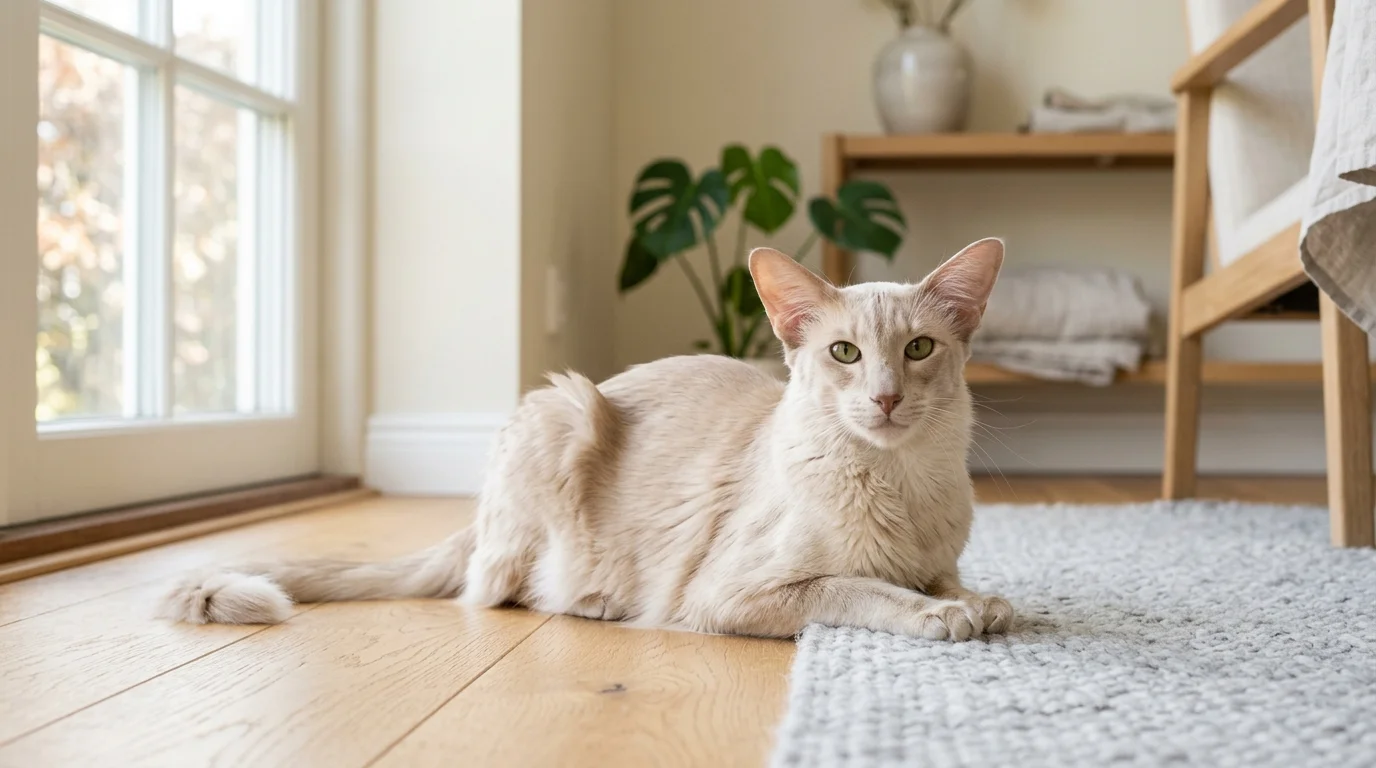
The Oriental Longhair is a graceful, people-oriented cat that combines the svelte elegance of the Oriental Shorthair with a fine, silky semi-long coat. Sharing its ancestry with the Siamese, this breed is extraordinarily social, communicative, and devoted to its human family.
Recognized by CFA, TICA, FIFe, and GCCF, the Oriental Longhair is accepted in virtually every color and pattern imaginable — making it one of the most diverse breeds in the cat fancy. Despite its flowing coat, grooming demands are surprisingly modest because the fur rarely mats or tangles.
Weighing just 2.7–5 kg and living 12–15 years or more, the Oriental Longhair thrives in active households where it receives plenty of interaction, play, and companionship.
History & Origins
History
The Oriental Longhair shares its roots with the Siamese. Following the mid-20th century explosion of interest in Siamese cats, breeders began introducing new colors and coat types by crossing Siamese with other breeds including Abyssinians and domestic shorthairs.
The Oriental Shorthair was accepted for CFA registration in 1974 and achieved championship status in 1977. The longhaired variant — arising naturally from recessive longhair genes in the gene pool — was accepted into CFA as part of the Oriental breed group in 1988. TICA recognized the Oriental Longhair as a separate breed in 1983, granting championship status in 1985.
FIFe and GCCF also recognize the breed. Because the Oriental gene pool encompasses virtually every possible coat color and pattern, it is often described as the most color-diverse breed in the cat fancy.
Appearance
Physical Characteristics
The Oriental Longhair epitomizes feline elegance. Every feature is long, fine, and angular — in deliberate contrast to rounder, cobby breeds.
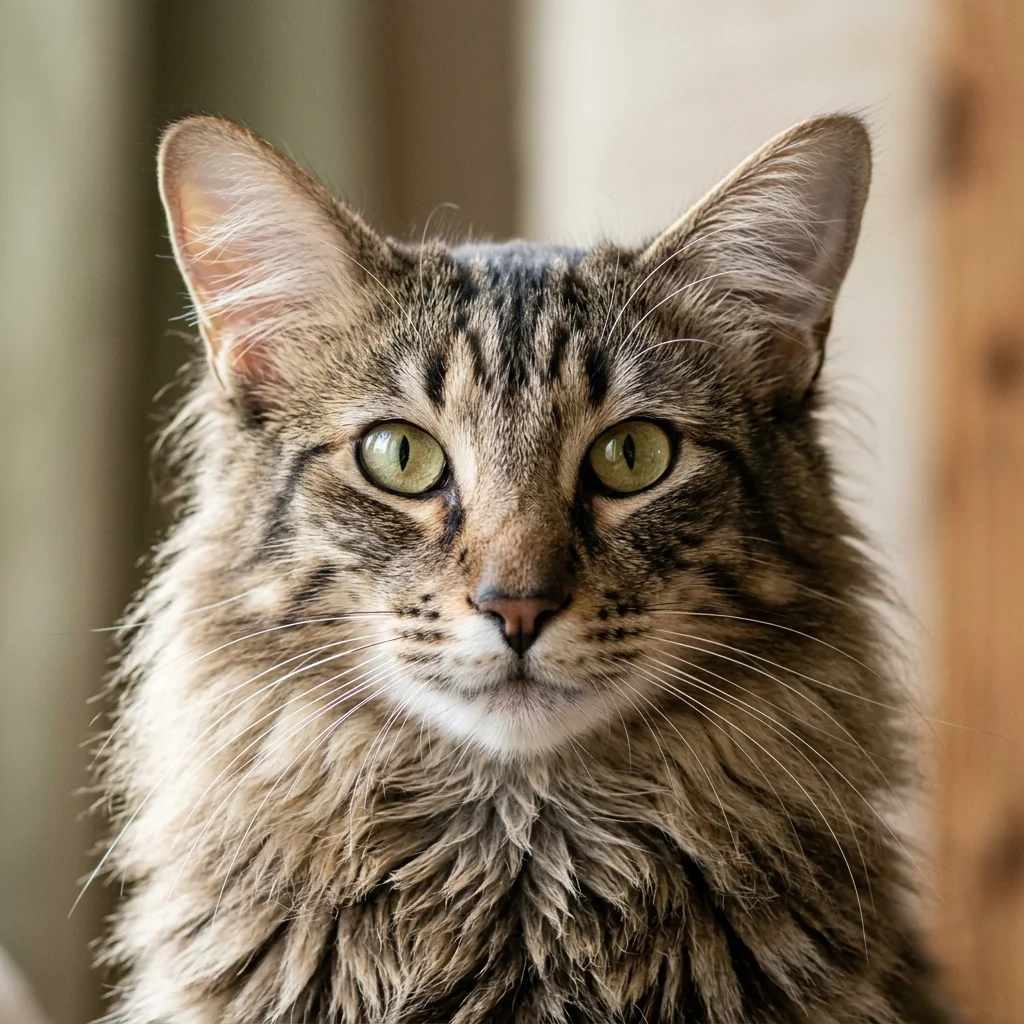
Body: Long, lithe, and muscular; tubular silhouette Head: Long wedge shape forming a triangle from nose to ear tips Eyes: Almond-shaped, slanted; typically vivid green (all colors accepted in non-pointed cats) Ears: Strikingly large and wide at the base; a hallmark of the Oriental type Coat: Semi-long, silky, and fine with minimal undercoat; lies close to the body Colors: All colors and patterns — solid, tabby, tortoiseshell, smoke, shaded, and bicolor Weight: 2.7–5 kg; females are typically lighter Lifespan: 12–15+ years
Temperament
Temperament
Few breeds match the Oriental Longhair's intensity of personality. These cats are vocal, demanding, and completely devoted to their people — expect constant conversation, shadowing, and enthusiastic greetings at the door.
Key traits:
- Highly social — thrives on company; does not do well left alone for long periods
- Extremely vocal — will express opinions loudly and frequently
- Intelligent — quick learners who enjoy puzzle toys and interactive games
- Playful and curious — active well into adulthood
- Deeply affectionate — bonds closely with the whole family, including children and cat-friendly dogs
Because of their strong need for companionship, Oriental Longhairs are often kept in pairs or alongside other cats. A bored or lonely Oriental can become destructive or develop anxiety.
Activity & Play
Activity & Exercise
The Oriental Longhair is a high-energy, acrobatic, and deeply curious cat. As the longhaired variant of the Oriental Shorthair, it shares that breed's intense play drive and its deep need for engagement -- both physical and social.
Daily Exercise Needs
Plan for 45 to 60 minutes of active, interactive play each day distributed across multiple sessions. The Oriental Longhair does not wind down easily between sessions and will seek its owner's attention repeatedly throughout the day. This is a demanding breed from an activity standpoint.
Play Styles
Fast, agile, and acrobatic, the Oriental Longhair excels at:
- Wand toys and airborne teasers: the breed will leap, spin, and perform mid-air catches with impressive athleticism
- Fetch: the Oriental Longhair is one of the most reliable cat fetchers and often initiates the game independently
- Chasing and sprinting: long-corridor chases and darting feather toys appeal strongly
- Interactive puzzle feeders: satisfy intelligence between active sessions
- Climbing and jumping challenges: multi-level courses or tall cat trees
Vertical Space
Vertical access is essential. The Oriental Longhair is a natural climber that seeks height. Cat trees of 6 feet or more, wall-mounted shelves, and dedicated climbing structures prevent the cat from improvising with bookshelves and kitchen cabinets.
Indoor vs. Outdoor
Best kept indoors only. The Oriental Longhair's slender physique, fine coat, and intense prey drive make unsupervised outdoor access inadvisable. It may wander far and has limited natural defences against outdoor hazards. A secure catio offers outdoor stimulation safely.
Mental Stimulation
This breed requires consistent mental engagement. Puzzle feeders at every meal, rotating toy libraries, window bird feeders, and daily owner interaction are all important. Without sufficient stimulation, the Oriental Longhair becomes bored and vocal -- a combination that is difficult to ignore.
Grooming
Grooming
Despite its semi-long coat, the Oriental Longhair is surprisingly easy to maintain. The silky, fine-textured fur lies close to the body, rarely tangles, and does not have the dense undercoat that makes some longhaired breeds high-maintenance.
- Brushing — once or twice a week keeps the coat in excellent condition
- Shedding — moderate; less than most longhaired breeds
- Bathing — occasional baths help remove excess oil and keep the coat gleaming
- Eyes — check and clean the inner corners regularly, as the breed can be prone to mild discharge
- Ears — clean weekly; the large, open ears can collect dust and debris
- Dental — regular brushing is recommended, as Orientals can be prone to periodontal disease
Grooming sessions also provide valuable bonding time — most Oriental Longhairs enjoy the attention.
Health
Health
The Oriental Longhair is generally healthy but shares certain predispositions with other members of the Siamese breed group.
Known health considerations:
- Amyloidosis — a condition in which abnormal protein deposits affect organ function, particularly the liver; breeders test for this
- Sensitivity to anaesthesia — the lean body type makes Oriental cats more sensitive; always inform your vet before any procedure, including routine neutering or dental cleanings
- Periodontal disease — regular dental care is important
- Crossed eyes and tail kinks — historical traits that still occasionally appear; usually cosmetic only
Lifespan: 12–15 years, though well-cared-for individuals frequently live into their late teens or beyond. Siamese-group cats are known for above-average longevity.
Choose breeders who screen for amyloidosis and provide health guarantees.
Nutrition
Nutrition
The Oriental Longhair is a lean, fine-boned, high-energy cat with a fast metabolism. Its slender build can mask inadequate nutrition, making regular weight monitoring an important part of its care routine.
Macronutrient Targets
- Protein: 40 to 50% of dry matter -- high animal protein to maintain lean muscle mass; chicken, turkey, and fish are preferred
- Fat: 20 to 25% of dry matter -- supports energy and the silky longhaired coat
- Carbohydrates: below 10%
Wet vs. Dry Food
Wet food is the preferred primary diet component. The Oriental Longhair's thin frame means it can lose condition quickly if caloric intake is insufficient, and wet food provides higher caloric density per meal than many dry formulas. Grain-free, high-protein wet food is the ideal foundation. Quality dry food may supplement but should not replace wet food as the primary diet.
Feeding Frequency
- Kittens (under 6 months): 4 meals per day -- Oriental kittens grow fast and need frequent fuelling
- Juniors (6 to 12 months): 3 meals per day
- Adults (1 to 8 years): 2 to 3 meals per day; the high metabolism of this breed supports more frequent, smaller meals
- Seniors (8+): 2 to 3 meals per day; monitor closely for weight loss, a common issue in ageing Oriental-type cats
Breed-Specific Considerations
Unlike heavier breeds prone to obesity, the Oriental Longhair is more likely to trend underweight than overweight. Regular weight checks ensure the cat is maintaining appropriate condition. The longhaired coat requires adequate dietary fat and omega fatty acids to retain its silky texture. Coat dullness or brittleness can indicate a dietary deficiency. Fresh water should always be available.
Family Fit
Family Fit
The Oriental Longhair is an intensely social, affectionate, and demanding cat that forms deep bonds with its people. It thrives in households with significant human presence and interactive engagement.
With Children
Good with older children who engage in active, enthusiastic play. The Oriental Longhair loves interaction and will match the energy of a playful child. Younger children should be supervised as the breed moves quickly and may scratch accidentally during intense play. Its slender frame means it is not suited to rough handling.
With Other Cats
Highly sociable and benefits greatly from feline companionship. The Oriental Longhair should not be the only cat in a household where owners are frequently away. It does best with another active, sociable cat. Introductions should follow standard gradual protocols.
With Dogs
Can adapt to dogs that are calm and cat-experienced. The Oriental Longhair's confidence and energy mean it will not necessarily be dominated, but a dog with a strong prey drive could be a poor match given the Longhair's quick, erratic movements. Careful introductions are essential.
With Elderly Owners
Not ideal as the sole companion for elderly or low-activity owners. The Oriental Longhair's energy and demand for interaction can be exhausting without consistent engagement. It suits older owners who are active and home frequently, ideally with a second cat for companionship.
Apartment Living
Manageable in apartments with extensive enrichment -- tall cat trees, puzzle feeders, and daily interactive play sessions. The breed does not need outdoor space but does need significant indoor stimulation to stay settled.
For First-Time Cat Owners
Not recommended for first-timers unprepared for high-demand breeds. The Oriental Longhair's vocalness, energy, and need for attention can surprise owners who expect a more independent cat. Experienced cat owners, or first-timers who have thoroughly researched the breed, will find it deeply rewarding.
Fun Facts
Fun Facts
- Most colorful breed — Orientals are accepted in over 300 color and pattern combinations, more than any other breed
- Siamese cousins — Oriental Longhairs and Siamese share the same body type and personality; the only difference is color and coat length
- Silent coat — despite their long fur, the coat rarely mats — a pleasant surprise for new owners
- Talkative companions — ranked among the most vocal of all cat breeds; they will hold full conversations with their owners
- Shadow cats — Oriental Longhairs are famous for following their people from room to room
- Long-lived lineage — Siamese-group cats are well-documented for above-average longevity, with some individuals reaching 20+ years
FAQ
Frequently Asked Questions
How long do Oriental Longhairs live?
The Oriental Longhair typically lives 12 to 15 years. Like its Oriental Shorthair and Siamese relatives, it can be prone to certain hereditary conditions including amyloidosis, and regular veterinary monitoring supports healthy longevity.
Do Oriental Longhairs shed a lot?
Moderately. Despite the long coat, the Oriental Longhair has a fine, single-layer coat that sheds less than many double-coated longhaired breeds. Weekly brushing is usually sufficient to prevent tangles and manage loose hair. The absence of a dense undercoat reduces seasonal shedding significantly.
Are Oriental Longhairs vocal?
Very much so. The Oriental Longhair is one of the most vocal cat breeds. It communicates constantly -- demanding food, requesting attention, commenting on its environment, and responding when spoken to. This is not a quiet companion. Owners who appreciate conversational cats love this trait; those who prefer silence will find it challenging.
Are Oriental Longhairs hypoallergenic?
No. The Oriental Longhair produces normal Fel d 1 levels. Some people report fewer reactions with single-coated breeds that shed less, but this varies and cannot be predicted. Not recommended for households with serious cat allergies.
How much does an Oriental Longhair cost?
Oriental Longhairs from reputable breeders typically cost between $800 and $2,000 USD. The breed is less common than the Oriental Shorthair and Siamese, which can affect availability and price in some regions.
Do Oriental Longhairs do well alone?
No. This breed is genuinely distressed by extended solitude. If the household is empty for more than 6 to 8 hours regularly, a second cat companion is strongly recommended. The Oriental Longhair bonds deeply and needs consistent social contact to remain emotionally balanced.
Are Oriental Longhairs easy to train?
Yes. The breed's high intelligence and desire to interact with people make it one of the more trainable cat breeds. It can learn tricks, recall commands, and fetch on request. Positive reinforcement with food treats works effectively.
Gallery
Explore more Oriental Longhair-style breeds
Browse related breeds or take our matching quiz to find the right fit for your home.
Stay in the loop
Get weekly breed spotlights, care guides, and new additions - straight to your inbox.