Maine Coon
gentle giant, social, dog-like, intelligent
Quick Facts
- Lifespan
- 10-13 years
- Weight
- 5-10 kg
- Origin
- United States
- Coat
- Long
Overview
The Maine Coon is one of the largest domestic cat breeds in the world, and one of the most beloved. Males can reach 11-13 kg, yet despite their impressive size these cats have earned the nickname "gentle giants" for their warm, sociable personalities. Originally hailing from the state of Maine in New England, they're one of the few naturally occurring longhaired breeds native to North America.
What makes the Maine Coon truly special is the combination of traits that rarely coexist in a single breed: the size and loyalty of a dog, the intelligence to learn tricks and leash-walk, a playful kitten spirit that persists well into adulthood, and a striking physical presence that turns heads wherever they go. Their water-resistant double coat, tufted ears, and bushy raccoon-like tail are the product of centuries adapting to harsh New England winters.
Maine Coons thrive in active family homes with children, other cats, and even dogs. They are confident without being demanding, affectionate without being clingy, and chatty without being loud. They communicate via a distinctive repertoire of chirps, trills, and soft warbles rather than traditional meowing.
Whether you live in a house with a garden or a well-enriched apartment, a Maine Coon will fill your home with personality, warmth, and the occasional fur-covered hairbrush. They are a long-term commitment, typically living 12-15 years, and a deeply rewarding one.
History & Origins
The Maine Coon's origin story is one of the most debated in the cat world, and one of the most entertaining. The most romanticised theory suggests that longhaired cats arrived in North America aboard Viking longships centuries before Columbus, possibly descending from cats kept by Leif Erikson's crew. A competing legend involves Marie Antoinette, whose longhaired Angora cats allegedly escaped to the American coast when her flight from France was foiled.
In reality, the most credible explanation is that the breed developed naturally in Maine through generations of selective natural pressure. Longhaired cats, likely brought over by early European settlers, interbred with local shorthaired cats, and those born with the thickest coats and sturdiest builds survived the brutal New England winters. Over time, these hardy cats became a distinct regional type.
The breed's documented history began in earnest in the late 19th century. A Maine Coon named Cosey won Best in Show at America's first major cat exhibition at Madison Square Garden in 1895, cementing the breed's prestige. However, when Persian cats arrived from Europe and swept the cat show circuit in the early 1900s, the Maine Coon fell out of favour. By the mid-20th century, some feared the breed had gone extinct.
Dedicated breeders in New England kept the line alive. The Maine Coon Breeders and Fanciers Association was founded in 1968, and the Cat Fanciers' Association (CFA) granted the breed full recognition in 1976. Today, the Maine Coon is Maine's official state cat and consistently ranks among the top five most popular breeds worldwide. It is a remarkable comeback for a breed once written off.
Appearance
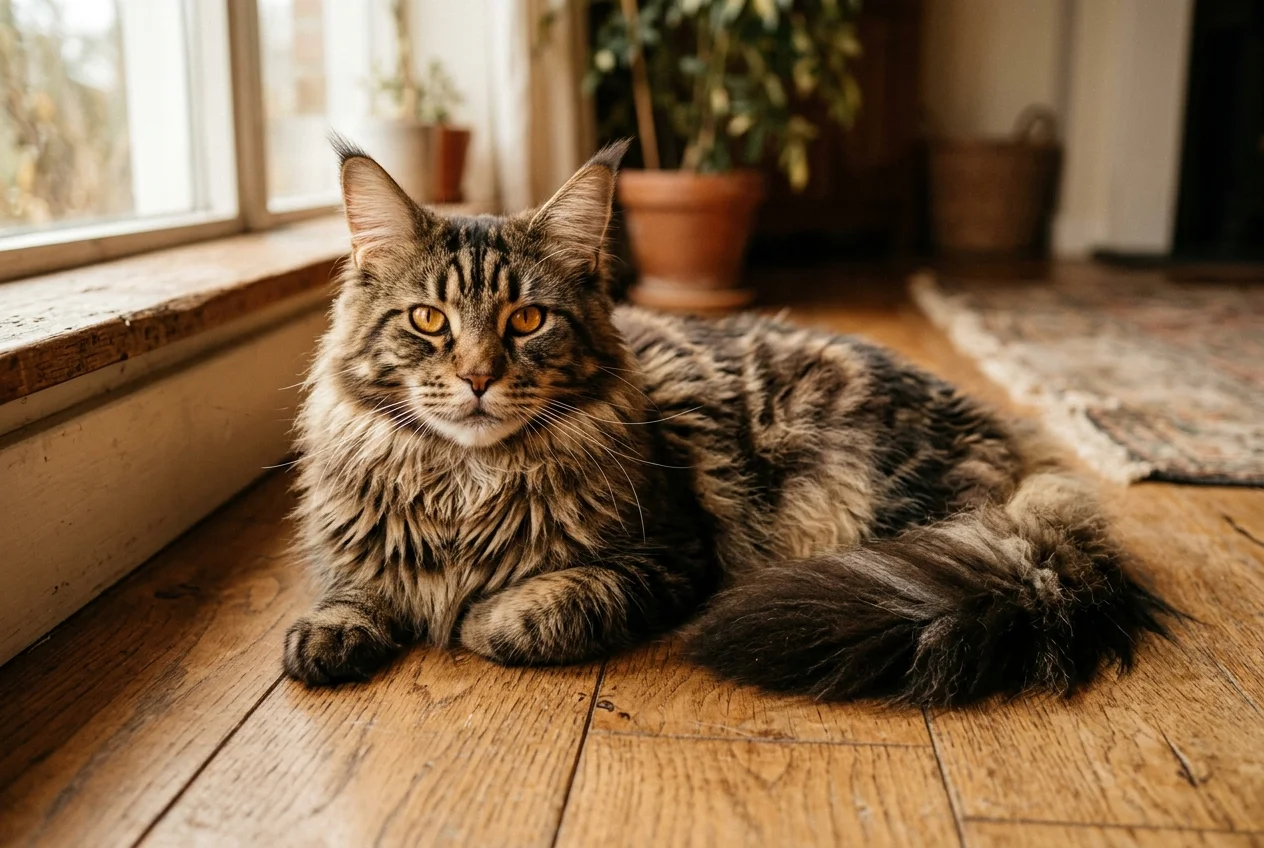
The Maine Coon is immediately recognisable: a large, rugged cat that looks as though it could survive a snowstorm. Males typically weigh 6.8-11.3 kg (15-25 lbs), while females are somewhat smaller at 4.5-6.8 kg (10-15 lbs). Full size is not reached until 3-5 years of age, making them one of the slowest-maturing cat breeds.
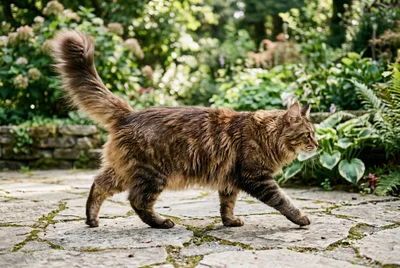
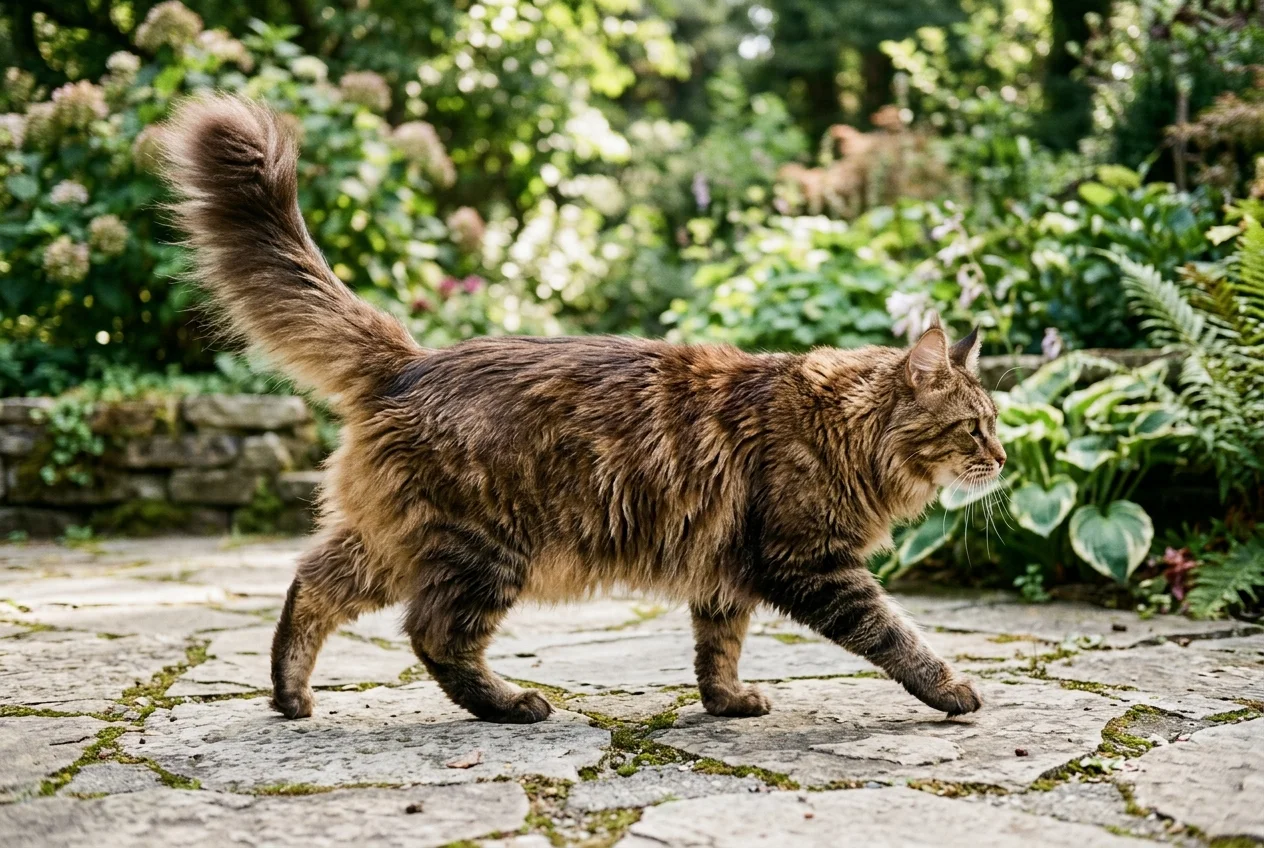
The body is long, muscular, and heavy-boned with a broad chest built for strength. The neck is thick, the legs are substantial, and the large, round paws often sport tufts of fur between the toes. This is a natural snowshoe adaptation. The tail is long and heavily furred, resembling a raccoon's brush, and often as long as the cat's body.
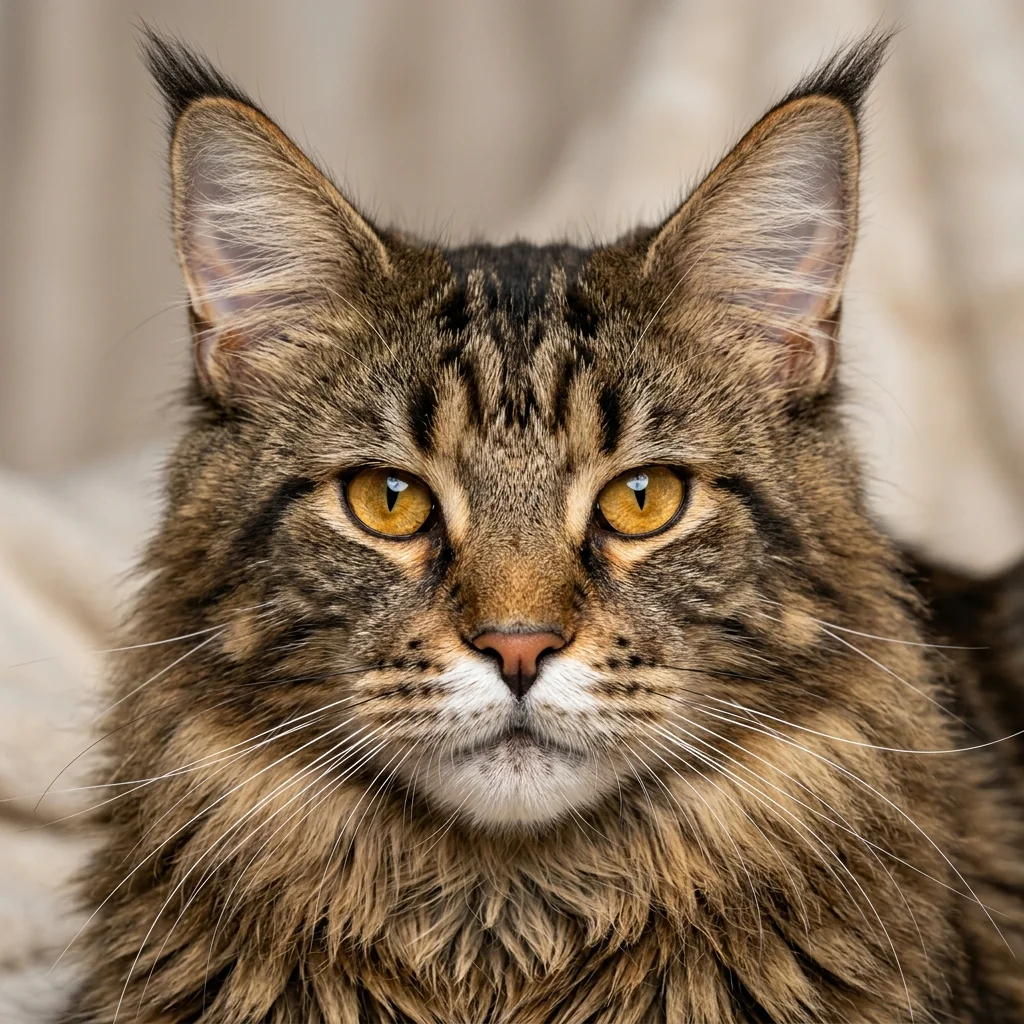
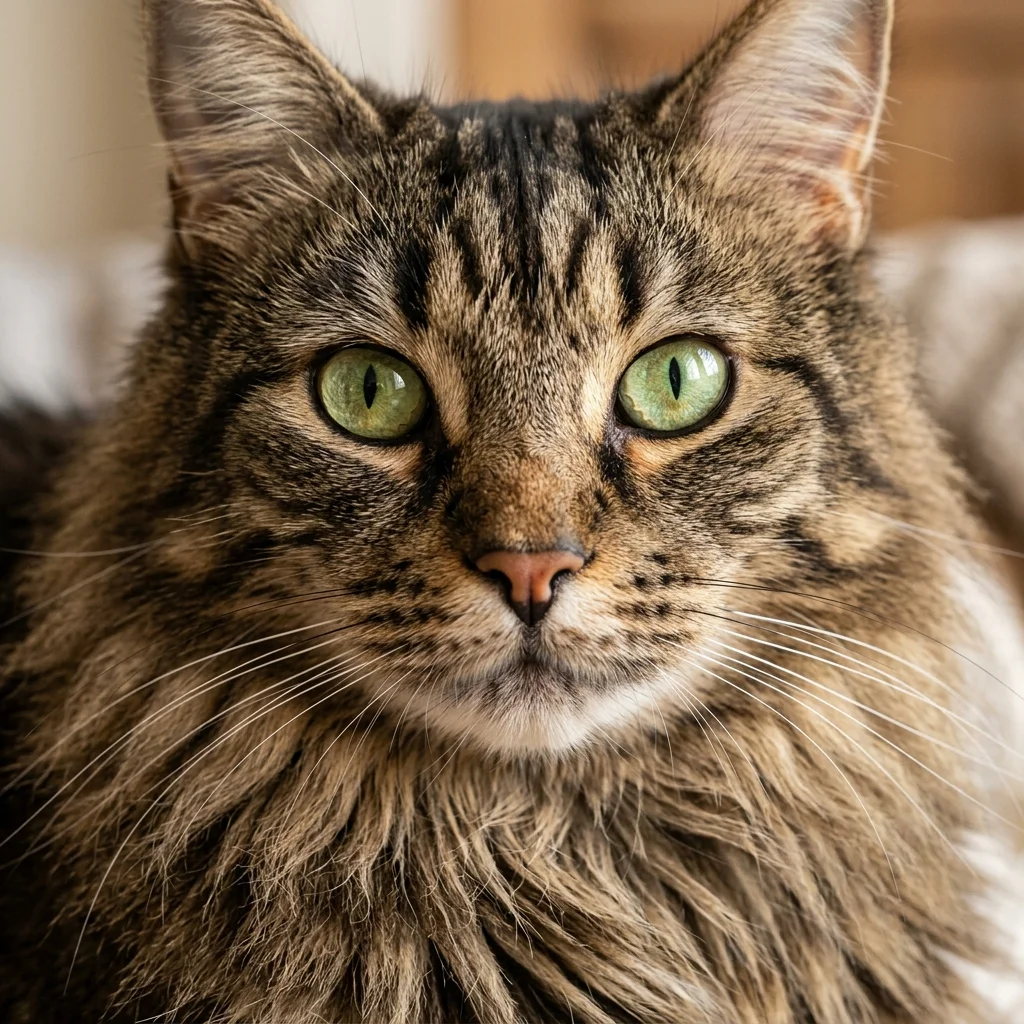
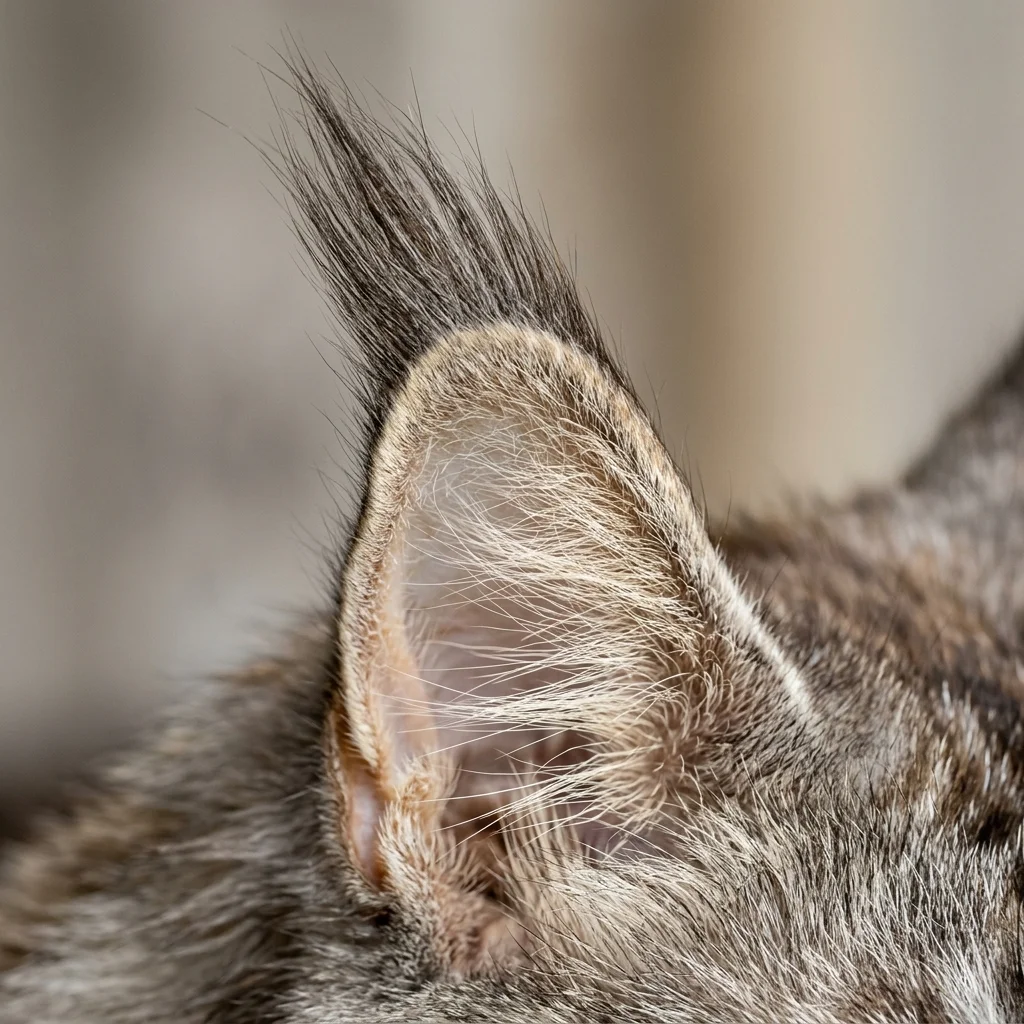
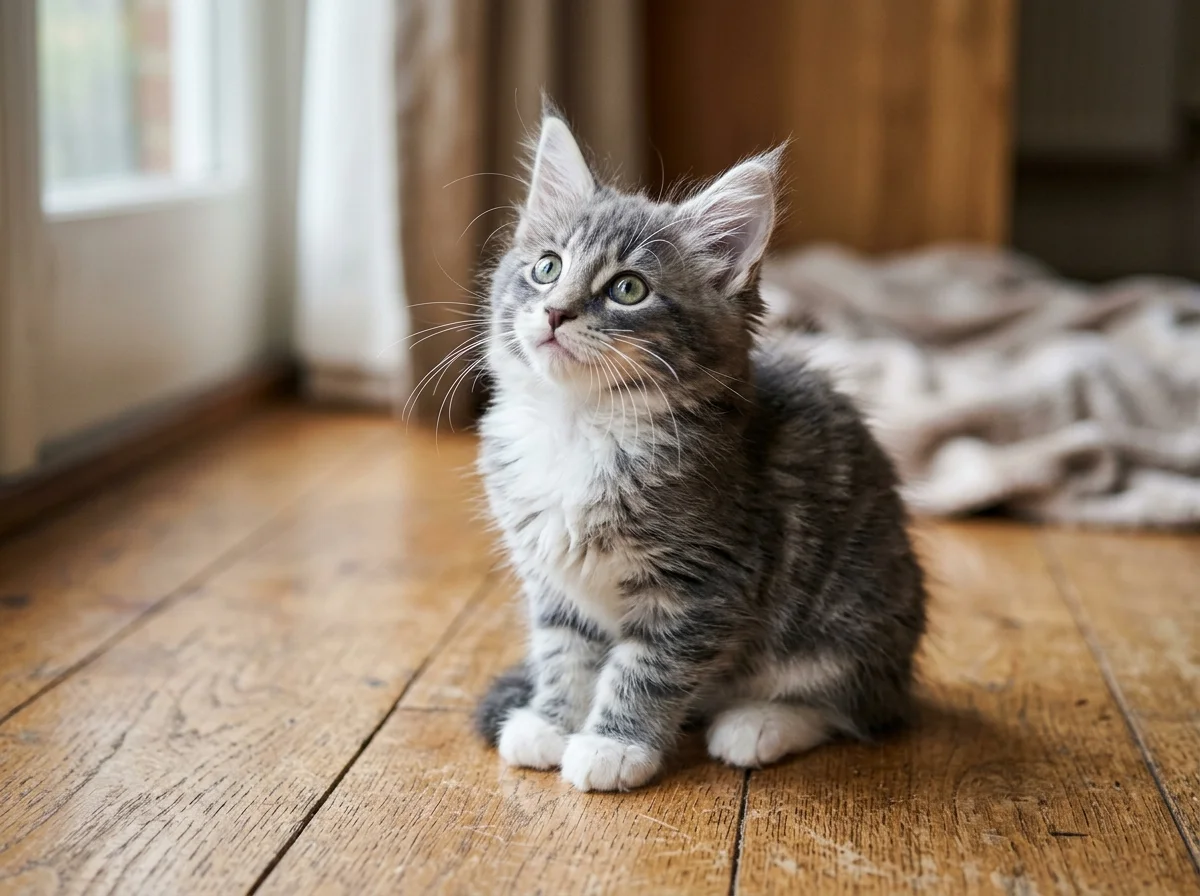
The head is large with a square muzzle, high cheekbones, and wide-set eyes that come in green, gold, or copper. White and bicolour cats may have blue or odd-coloured eyes. The ears are large, wide at the base, and topped with distinctive lynx-like tufts.
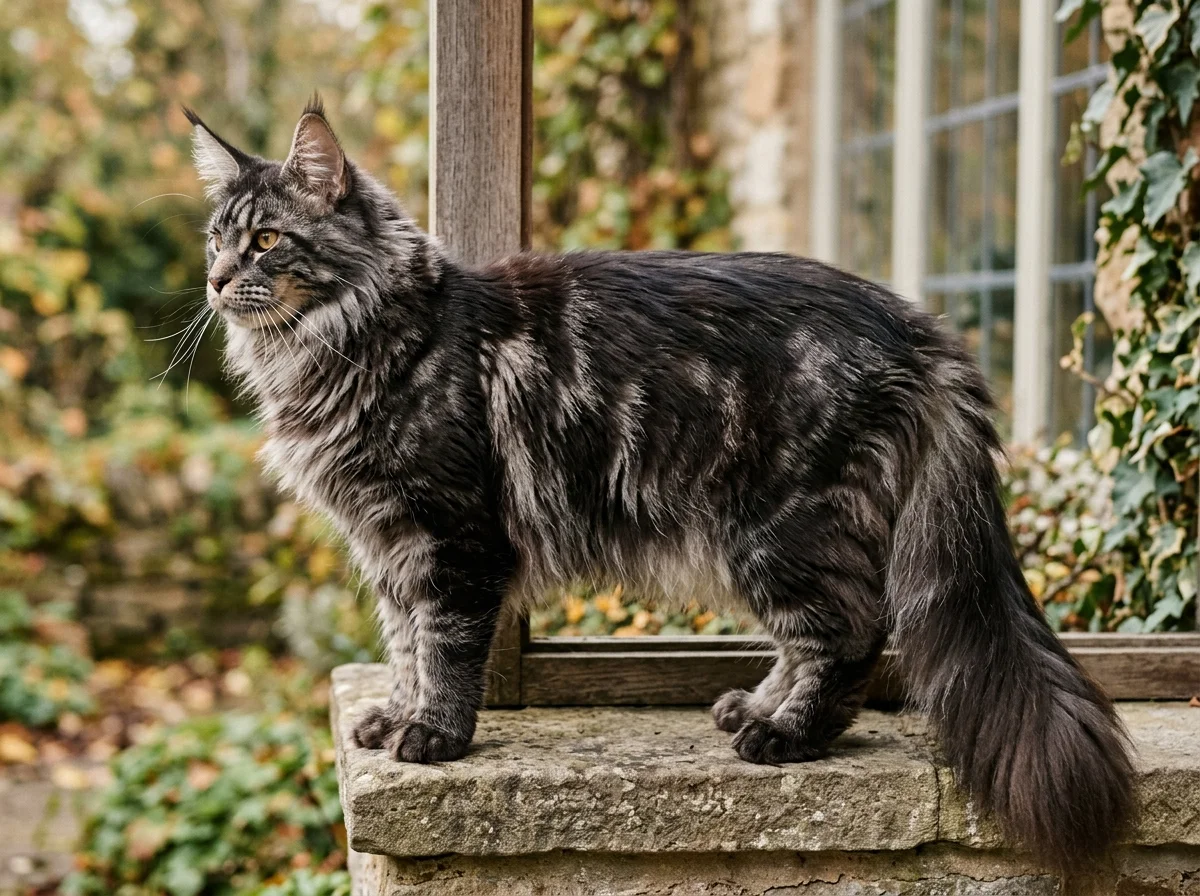
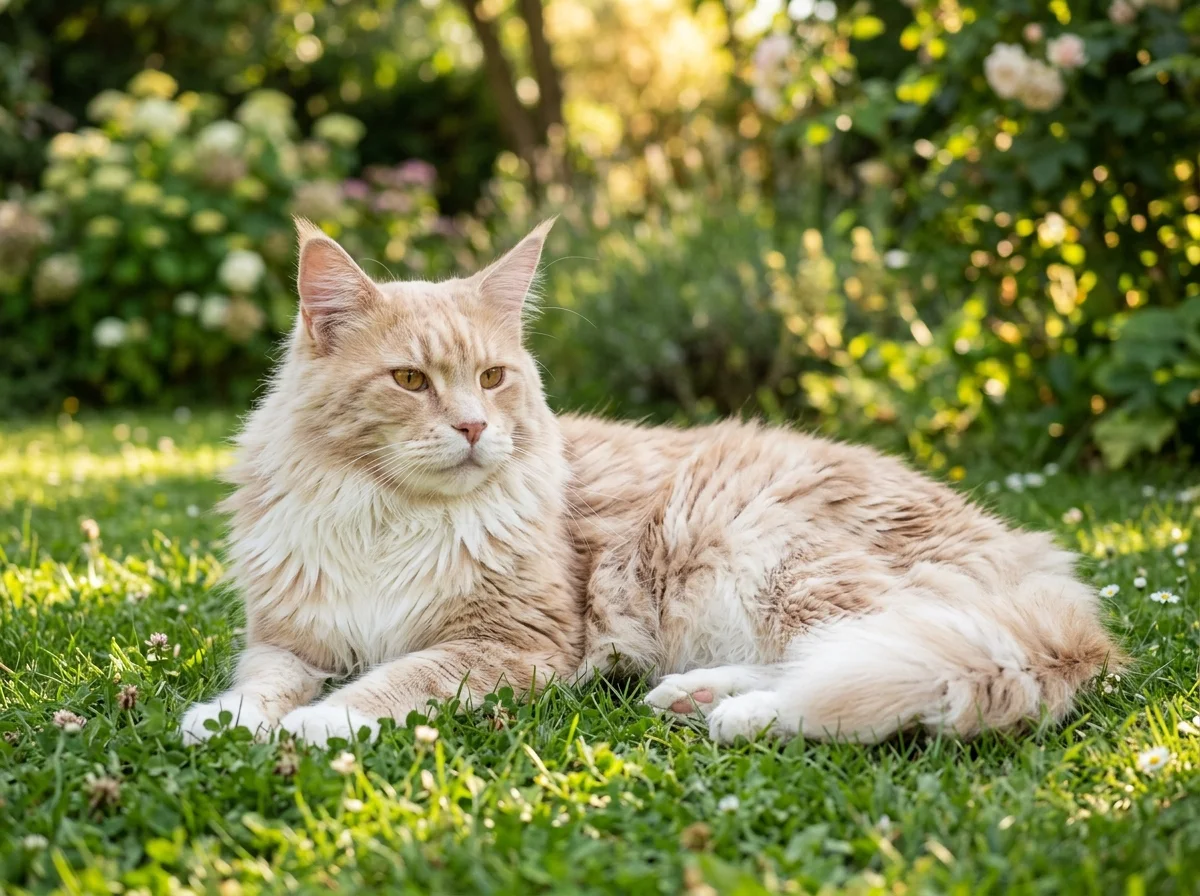
The coat is a dense double layer: a silky, water-resistant outer coat and a thick, shorter undercoat. It is longest on the stomach, flanks, and tail, and shorter on the shoulders. A ruff around the neck completes the lion-like look.
Maine Coons come in almost every colour and pattern, including solid, tabby, tortoiseshell, bicolour, and more. The CFA breed standard does not accept chocolate, lavender/lilac, or colourpoint patterns in pedigree competition.
Temperament
Maine Coons are often described as "dog-like," and it is a fair comparison. They are deeply loyal to their families, follow their people from room to room, and many can be trained to walk on a leash, play fetch, and respond to their names reliably. Their intelligence makes them one of the most trainable domestic cat breeds.
Despite their size, Maine Coons are gentle and patient, particularly with children and other animals. They are sociable without being clingy, and while they enjoy affection and lap time, they are equally content to simply be in the same room as you. They adapt well to multi-pet households and generally get along with well-mannered dogs.
One of the breed's most distinctive characteristics is its voice. Maine Coons rarely produce the typical feline meow. Instead, they communicate through a rich repertoire of chirps, trills, warbles, and chattering sounds. It is a surprisingly small, musical vocabulary given their size. They will greet you at the door, comment on dinner preparations, and narrate their day in their own unique dialect.
Maine Coons retain their playful, kitten-like energy well into adulthood. They are not typically high-strung or anxious cats. They are confident and curious, comfortable with visitors, and unfazed by moderate household commotion. This emotional resilience makes them well-suited to families with busy, active lives.
They do not do well with long periods of solitude. If the household is often empty during the day, a second cat, ideally another Maine Coon, is strongly recommended to prevent boredom and loneliness.
Activity & Play
Maine Coons are one of the more active and playful of the larger cat breeds. Unlike many cats that slow down significantly after kittenhood, Maine Coons maintain their playful, energetic spirit well into their senior years. Daily interactive play is not just appreciated; it is genuinely important for their physical and mental wellbeing.
Aim for at least two play sessions per day of 10-15 minutes each. Wand toys, feather teasers, and puzzle feeders work especially well given the breed's strong hunting instincts and problem-solving ability. Maine Coons are one of the few breeds that genuinely enjoy fetch. Many will retrieve toys repeatedly and drop them back at your feet.
They are athletic cats with a love of climbing. A tall, sturdy cat tree is essential, as is access to high perches where they can survey their territory. Their size means standard cat furniture should be rated for larger cats.
Maine Coons are known for their unusual relationship with water. Many will dabble their paws in water bowls, sit next to running taps, or even voluntarily enter the bath. This quirk is thought to be a remnant of their coastal New England heritage.
For households with outdoor access, a secure garden or enclosed catio is ideal. Maine Coons adapt to indoor-only living provided they have sufficient space, vertical territory, and daily engagement. Without adequate stimulation, they are prone to boredom-related behaviours such as destructive scratching or attention-seeking vocalisation.
Grooming
The Maine Coon's thick double-layered coat is beautiful, and it requires regular attention to keep it that way. While not quite as demanding as the Persian's coat, it will mat without consistent care, particularly in the longer fur on the belly, rear, and behind the ears.
Brush two to three times per week as a baseline, increasing to daily during the heavy shedding seasons of spring and autumn. A metal wide-toothed comb works best for working through the undercoat and detangling, followed by a slicker brush for finishing. Always work from the skin outward and pay particular attention to the armpits, belly, and the dense fur on the hindquarters where mats form first.
Shedding is significant year-round with pronounced seasonal peaks. Regular grooming dramatically reduces the amount of fur deposited on furniture and clothing, and helps prevent hairballs, which are a common issue given the length and volume of the coat.
Bathing is not typically necessary on a regular schedule, but Maine Coons are unusually tolerant of water and sometimes enthusiastic about it, making a bath easier to manage than with most breeds. Bathing every one to two months can be helpful if the coat becomes greasy or heavily soiled.
Complete the grooming routine with nail trimming every two to three weeks, ear checks weekly, and teeth brushing ideally every one to two days. Daily dental care significantly reduces the risk of periodontal disease in later life.
Health
Maine Coons are generally robust, healthy cats, but the breed carries several genetic predispositions that every owner should understand.
The most serious is hypertrophic cardiomyopathy (HCM), a thickening of the heart muscle that is the most common form of feline heart disease. An autosomal dominant mutation (MyBPC3-A31P) in the myosin-binding protein C gene has been identified in a significant portion of the breed. A large European study of 2,744 Maine Coons reported a carrier frequency of roughly 41%, and UC Davis Veterinary Genetics Laboratory data puts heterozygous carriers in the 34-37% range. HCM can lead to congestive heart failure, arterial thromboembolism, and sudden death. Reputable breeders test breeding cats via echocardiogram and genetic screening annually. All Maine Coon owners should ask breeders for HCM screening documentation and arrange regular cardiac evaluations with their vet.
Spinal muscular atrophy (SMA) is another genetic condition found in the breed, causing progressive muscle wasting in the hindquarters. It does not cause pain and affected cats can live normal lives, but a DNA test is available for breeders to screen it out.
Polydactyly (extra toes) is found in a subset of Maine Coons. It is generally harmless and does not affect quality of life.
Hip dysplasia occurs at higher rates in large breeds including the Maine Coon, potentially causing arthritis and reduced mobility in later life. Maintaining a healthy weight is the most effective preventive measure.
Lifespan is typically 12-15 years for indoor cats, with well-cared-for individuals regularly reaching 16-18 years. Annual vet check-ups with cardiac evaluation are strongly recommended throughout life.
Nutrition
Maine Coons are obligate carnivores with higher caloric needs than most domestic cats, a natural consequence of their significantly larger body mass. An adult Maine Coon typically requires 30-35 calories per 0.5 kg of body weight per day, though the exact amount varies with age, activity level, and whether the cat is neutered.
High-quality animal protein should be the foundation of their diet. Look for foods where a named meat source (chicken, turkey, salmon) is the first ingredient. Maine Coons benefit particularly from adequate taurine, an essential amino acid that supports heart function. This is especially important given the breed's predisposition to hypertrophic cardiomyopathy (HCM).
Omega-3 and omega-6 fatty acids are especially valuable for maintaining their thick, water-resistant double coat. Foods rich in fish oil or omega supplementation can reduce shedding, prevent dry skin, and minimise hairball formation.
Kittens should be fed kitten-specific food until at least 18 months. Some breeders recommend extending to 24 months given the breed's slow maturation. Free-feeding is sometimes used for young kittens under six months, but structured meal times (two to three meals daily) are recommended from six months onward to prevent obesity.
Maine Coons don't finish growing until age 3-5, and food intake should be adjusted throughout this extended growth period. Due to their size, they are more vulnerable to joint issues if overweight. Monitoring body condition closely and avoiding overfeeding is important at every life stage.
Family Fit
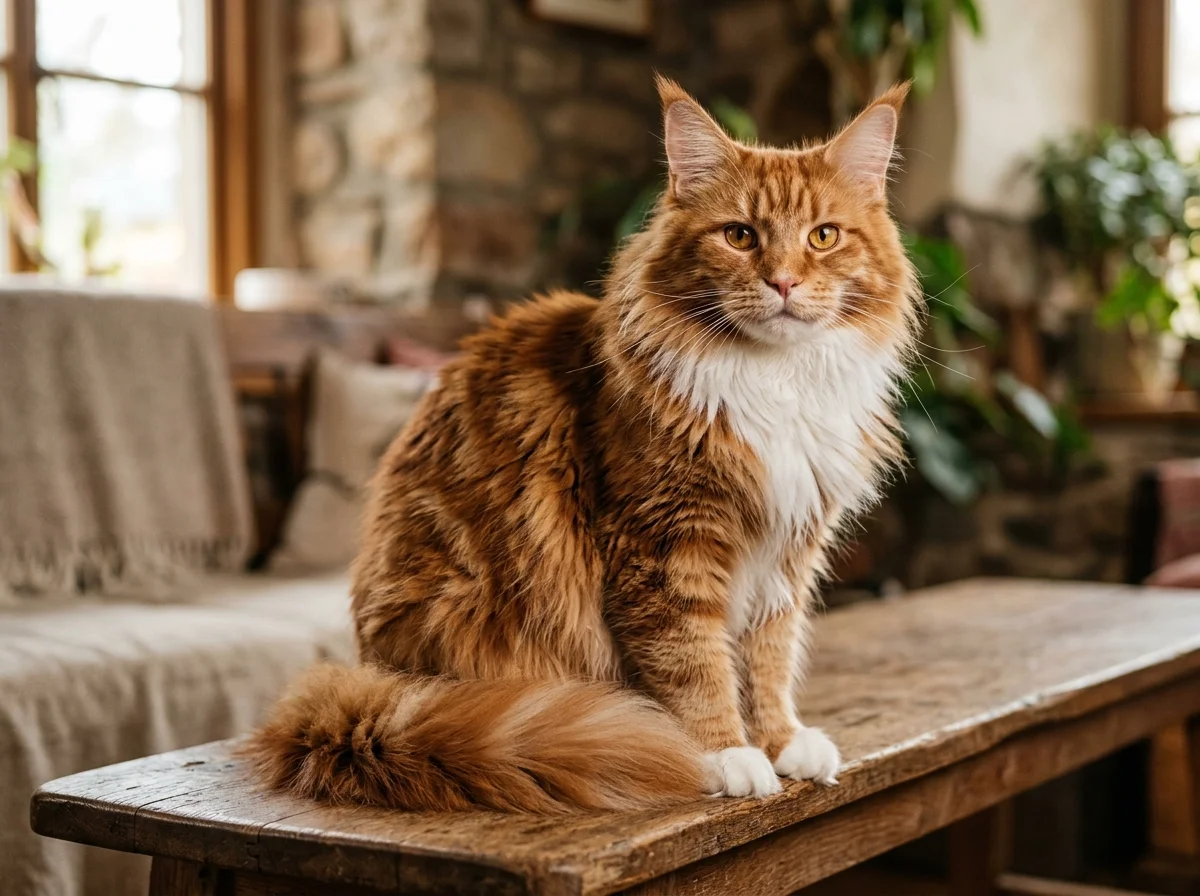
Maine Coons are among the best family cats in the world, a claim backed by their consistent top rankings in breed popularity surveys. Their combination of gentle temperament, patience, playful energy, and social adaptability makes them exceptional companions for households of all shapes and sizes.
With children: Maine Coons are famously patient with children, including younger children who may not yet have mastered gentle handling. Their size means they are not easily injured by rough play, and their tolerant temperament means they are unlikely to scratch or bite when overstimulated. They are more likely to simply walk away. Older children (8+) can participate in grooming and structured play sessions, building a strong lifelong bond.
With other cats: Generally excellent. Maine Coons are social animals that enjoy feline company and are rarely aggressive toward other cats. A properly managed introduction usually results in a stable multi-cat household. Given how poorly they handle long periods of solitude, a second cat is often genuinely beneficial for this breed.
With dogs: Maine Coons adapt well to dog-friendly households, particularly with breeds that are not strongly prey-driven. Their confident temperament means they are less likely to flee, which reduces the risk of triggering chase behaviour. A careful, staged introduction is always recommended.
Apartment vs. house: Maine Coons can thrive in apartments, but they need vertical space (tall cat trees), room to move, and daily interactive play. A well-enriched apartment is preferable to a house where the cat is left under-stimulated. Outdoor access via a secure enclosed space is a welcome addition wherever possible.
Fun Facts
A Maine Coon named Stewie holds the Guinness World Record for the longest domestic cat ever measured: 123 cm (48.5 inches) from nose to tail tip.
A Maine Coon named Pebbles played Mrs. Norris, the eerie cat belonging to caretaker Argus Filch, in the Harry Potter film series.
The Maine Coon is the official state cat of Maine, the only US state to have officially designated a cat breed as a state symbol.
A Maine Coon named Missi, from Finland, holds the Guinness World Record for the longest cat whiskers at 19 cm (7.5 inches), measured in 2005. The length helps the breed navigate tight spaces despite its considerable bulk.
Unlike most cats, many Maine Coons are genuinely fascinated by water. Some will voluntarily wade into shallow water, play with dripping taps, or even join their owners in the shower.
The breed held Best in Show at the first major American cat exhibition at Madison Square Garden in 1895, before nearly disappearing from the show circuit entirely for several decades.
Maine Coons don't reach full size until 3-5 years of age, one of the slowest-maturing cat breeds, meaning you get several extra years of kitten-like play energy.
FAQ
Q: How big do Maine Coon cats get? A: Males typically weigh 6.8-11.3 kg (15-25 lbs), while females usually reach 4.5-6.8 kg (10-15 lbs). Maine Coons are one of the largest domestic cat breeds and continue growing until 3-5 years of age, longer than almost any other breed.
Q: Are Maine Coons good with children? A: Yes. Maine Coons are widely regarded as one of the best breeds for families with children. They are patient, gentle, and tolerant of handling. Their size means they are not easily injured by clumsy young children, and their even temperament makes scratching or biting uncommon.
Q: Do Maine Coons shed a lot? A: Yes, Maine Coons shed significantly, with peaks in spring and autumn. Regular brushing two to three times per week, and daily during shedding seasons, keeps the coat healthy and reduces fur deposits on furniture and clothing.
Q: Can Maine Coons live in apartments? A: Yes, with the right setup. Maine Coons adapt well to apartment living if they have tall cat trees, daily interactive play, and sufficient mental stimulation. Their size matters less than their level of enrichment.
Q: How long do Maine Coons live? A: The average lifespan is 12-15 years. Well-cared-for indoor cats frequently live 16-18 years. The most significant health risk is hypertrophic cardiomyopathy (HCM), so regular cardiac screening is important throughout their life.
Q: Are Maine Coons talkative? A: They are communicative but not loud. Instead of a typical meow, Maine Coons use chirps, trills, and warbles. They will chat to you regularly but are unlikely to wake the household with persistent loud yowling.
Q: Do Maine Coons like water? A: Many do, unusually so for a cat. It is common for Maine Coons to play with water bowls, investigate running taps, and even paddle in shallow water. This trait is thought to be inherited from their working-cat coastal heritage in New England.
Gallery
Explore more Maine Coon-style breeds
Browse related breeds or take our matching quiz to find the right fit for your home.
Stay in the loop
Get weekly breed spotlights, care guides, and new additions - straight to your inbox.