Japanese Bobtail
active, intelligent, playful, vocal
Quick Facts
- Lifespan
- 9-15 years
- Weight
- 2.7-4.5 kg
- Origin
- Japan
- Coat
- Short
Overview
The Japanese Bobtail is an ancient, naturally occurring breed from Japan, celebrated for its distinctive short, pom-pom tail, vivid calico colouring, and bright, engaging personality. Depicted in Japanese art and literature for over a thousand years, this breed is one of the oldest recognisable cat types in the world. The Japanese Bobtail is lively, vocal, intelligent, and deeply people-oriented — making it one of the most rewarding breeds for families who want an active, interactive companion.
History & Origins
The Japanese Bobtail has been part of Japanese culture for over a thousand years. The breed appears in manuscripts, woodblock prints, and paintings dating back at least to the 10th century, and is depicted in the famous Neko no Soshi (Book of Cats) scroll. The iconic Maneki-neko — the beckoning lucky cat figurine found in shops and homes throughout Asia — is widely believed to be modelled on the Japanese Bobtail.
According to historical accounts, cats were brought to Japan from China during the late 6th century to protect Buddhist temple manuscripts from rodents. When silkworm cultivation was threatened by rats in the 17th century, Imperial decree ordered cats to be set free on the streets to act as pest controllers.
The first Japanese Bobtails arrived in the United States in 1968, brought by breeder Elizabeth Freret. The CFA accepted the shorthaired variety for championship competition in 1976, and the longhaired variety in 1993.
Appearance
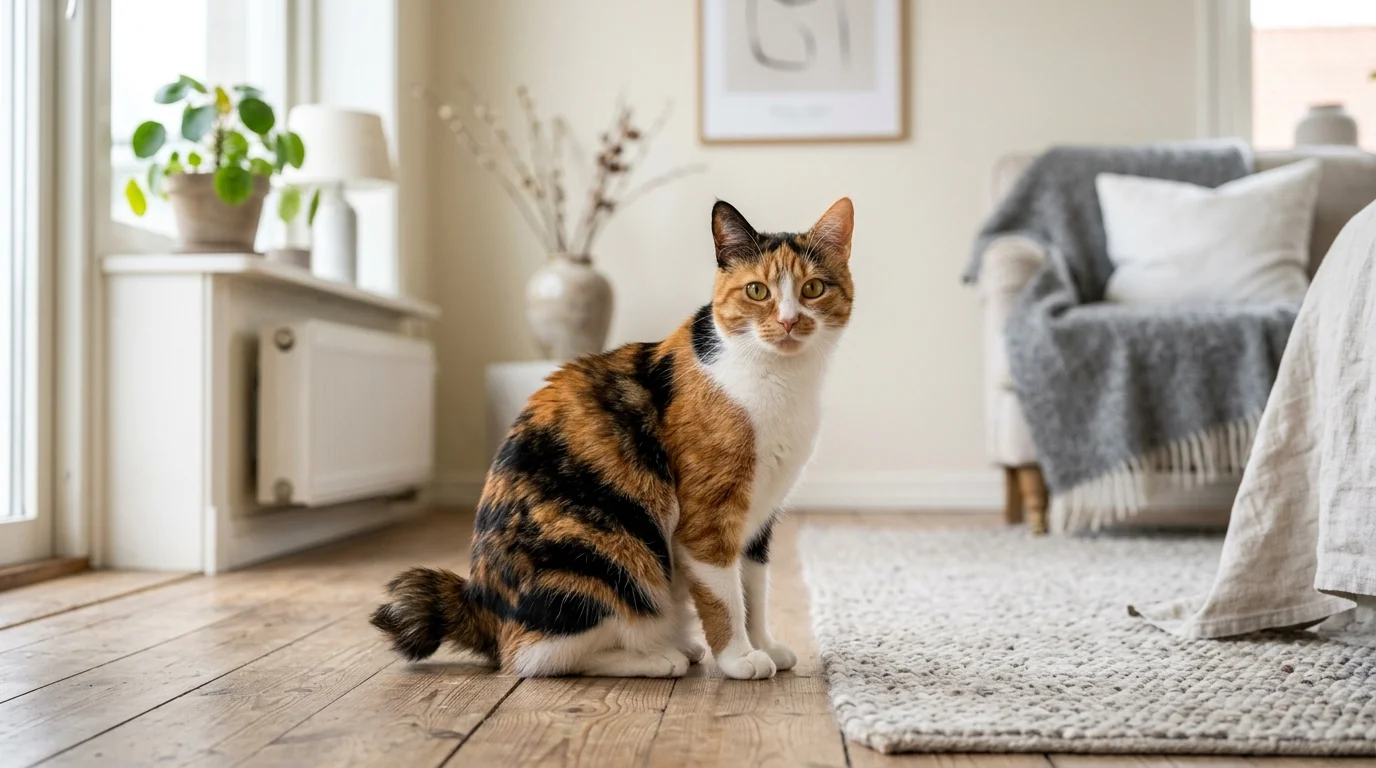
The Japanese Bobtail is a medium-sized, lean cat with a well-muscled, triangular head and high cheekbones that give it a distinctive, chiselled appearance. Adults typically weigh 2.7–4.5 kg. The breed's most famous feature is its short, curved tail — each cat's tail is unique in its exact shape, composed of one or more curves or kinks and covered in a puff of longer fur that creates the appearance of a pom-pom.
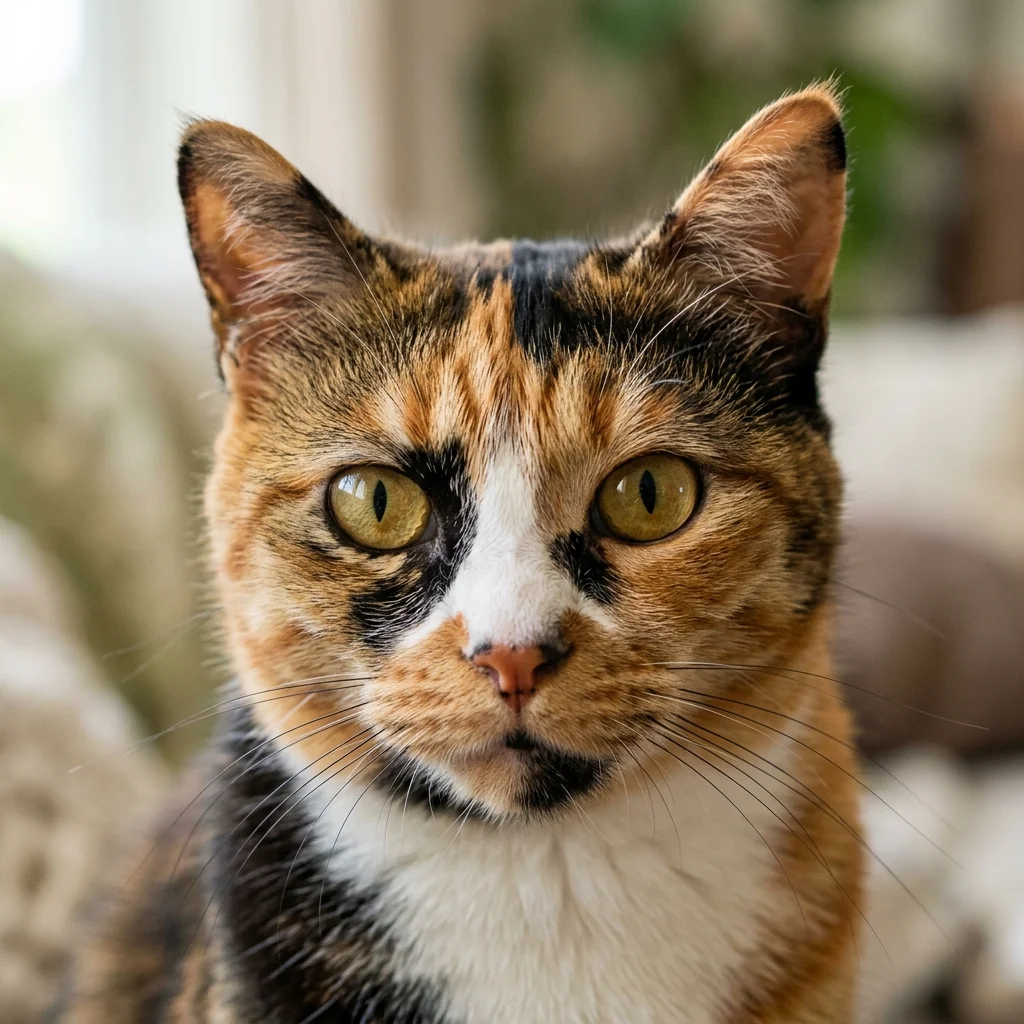
The coat comes in both shorthaired and longhaired varieties and virtually any colour or pattern. The most prized colouration is the calico mi-ke (三毛, meaning "three fur"), featuring white, red, and black patches. The eyes are large and oval, set at a gentle upward angle, and can be any colour — including odd-eyed.
The hind legs are longer than the front, giving the Japanese Bobtail a characteristic upright posture and a distinctive bounding gait.
Temperament
The Japanese Bobtail is a highly social, communicative, and intelligent cat that forms strong bonds with its family. Known for its melodious, song-like voice, it is one of the more vocal breeds — but its range of chirps, trills, and soft meows is pleasant rather than insistent, often described as carrying a tune.
Japanese Bobtails are playful and energetic throughout their lives, retaining a kitten-like curiosity well into adulthood. They are curious about everything in their environment and enjoy exploring, climbing, and interactive play. Their intelligence makes them quick learners who can be taught tricks and to walk on a leash.
They are adaptable and sociable with children, other cats, and dogs. Their outgoing nature means they tend to greet visitors rather than hide, making them an unusually welcoming breed.
Activity & Play
Activity Level and Exercise Needs
The Japanese Bobtail is an energetic, athletic, and playful breed with centuries of working history behind it. These cats are not content to sit on a shelf. They want to be involved, active, and engaged from morning through evening.
Daily Exercise
Aim for at least 30 to 40 minutes of active play daily, spread across several sessions. The Japanese Bobtail has consistent energy throughout the day rather than brief bursts, meaning it benefits from multiple opportunities to move and play. Owners who can dedicate time morning and evening will find this cat thrives.
Play Styles
The Japanese Bobtail is a versatile player. They excel at fetch, often carrying toys back repeatedly with genuine enthusiasm. Wand toys, laser pointers, and interactive feather toys all appeal to their predatory instincts. They are also known to invent their own games using household objects, so a cat-proofed environment is important.
Vertical Space
This breed is an excellent jumper and climber. Tall cat trees, wall shelves, and multi-level climbing structures are all well-utilized. The Japanese Bobtail's curiosity means it will explore every elevated surface available, so investing in dedicated climbing furniture keeps it off counters and bookshelves.
Indoor vs. Outdoor
The Japanese Bobtail can be kept indoors successfully with sufficient enrichment. Historically, these cats were semi-outdoor cats in Japan, so some individuals may show strong interest in the outdoors. Harness training and catio access are good ways to satisfy this without exposing them to outdoor risks.
Enrichment
Fetch games, puzzle feeders, and interactive toys with varying speeds all suit this breed well. They also enjoy social enrichment, meaning time spent playing with their owner is often as valuable as time with a toy.
Grooming
The Japanese Bobtail comes in two coat varieties: shorthaired and longhaired. Both have a soft, silky texture with relatively little undercoat compared to many other breeds, which means they shed less than expected and are relatively easy to groom.
The shorthaired variety requires only weekly brushing to remove loose hairs. The longhaired variety benefits from brushing two to three times per week to prevent matting, particularly around the neck ruff and tail.
The signature pom-pom tail is composed of tightly coiled fur that rarely tangles. Regular nail trimming, ear cleaning, and dental care are recommended. The Japanese Bobtail is a naturally clean cat that keeps itself well-groomed.
Health
The Japanese Bobtail is considered a robust and healthy breed with no known breed-specific genetic disorders. Importantly, the short tail gene is a natural bobbing mutation that is not associated with any spinal abnormalities, nerve damage, or mobility issues — a significant distinction from some other bobtail breeds where tail mutations can cause health concerns.
The recessive form of the bobtail gene, when two copies are present, is not linked to any negative health effects in Japanese Bobtails. This has been confirmed through veterinary and genetic research.
With a lifespan of 9–15 years, the Japanese Bobtail generally enjoys good health throughout its life. Routine veterinary care, a balanced diet, dental hygiene, and regular play to maintain a healthy weight are the key pillars of care.
Nutrition
Feeding Your Japanese Bobtail
The Japanese Bobtail is a lean, muscular cat with an active metabolism. Its diet should fuel its playful lifestyle while maintaining the sleek, toned body this breed is known for.
Macronutrient Guidelines
High-quality animal protein should form the primary component of the Japanese Bobtail's diet, at 35 to 40% of dry matter content. Chicken, turkey, duck, and fish are all appropriate primary ingredients. Fat content of 12 to 18% provides energy and supports coat quality. Carbohydrates should be kept minimal, as cats process plant-based carbs inefficiently. Japanese Bobtails come in both shorthaired and longhaired varieties; the longhaired version benefits from additional omega-3 and omega-6 fatty acids to support coat health.
Wet vs. Dry Food
A combination of wet and dry food works well for most Japanese Bobtails. Wet food supplements hydration and supports urinary tract health. Dry food can be portioned into puzzle feeders to satisfy the breed's problem-solving instincts and slow their eating pace. Avoid free-feeding dry food without tracking intake.
Feeding Frequency
Adult Japanese Bobtails do well with two meals per day. Their active nature means they burn calories steadily, so slightly more generous portions may be appropriate for highly active individuals. Kittens need three to four meals daily until 12 months of age. Always provide fresh water regardless of food type.
Breed-Specific Concerns
The Japanese Bobtail is a naturally lean breed and should not be allowed to become significantly underweight, which can happen if their high energy output is not matched by adequate caloric intake. Conversely, less active individuals kept predominantly indoors can gain weight if portions are not monitored. Annual veterinary weight assessments help calibrate feeding amounts to individual needs.
Family Fit
Is the Japanese Bobtail Right for Your Family?
The Japanese Bobtail is one of the most sociable and family-oriented cat breeds. Its adaptable, playful, and communicative nature makes it a natural fit for households with children, other pets, and varying daily schedules.
With Children
Few cat breeds match the Japanese Bobtail's compatibility with children. They are energetic enough to keep up with active kids, patient enough to tolerate handling, and interactive enough to want to be included in games. They are sturdy despite their medium size, and their high tolerance for activity makes them excellent companions for school-age children.
With Other Cats
Japanese Bobtails are social cats that often seek out feline company. They do well in multi-cat households and are known to form close bonds with compatible housemates. Introductions should still be gradual, but this breed's friendly, non-territorial nature makes the process smoother than with many other breeds.
With Dogs
The Japanese Bobtail's confident, curious nature translates well to dog households. They are not easily intimidated, and their athletic build means they can hold their own if needed. A well-matched dog companion can become a genuine friend, especially if both animals are introduced during their younger, more adaptable years.
For Elderly Owners
The Japanese Bobtail's energy level may be more than some senior owners want to manage. However, for active retirees who enjoy interactive companionship, this breed is delightful. Their affectionate nature and love of human company suit households where someone is home regularly.
For Apartments
Apartment living suits the Japanese Bobtail provided vertical enrichment is offered. They do not need a yard, but they do need climbing structures and regular play. A well-furnished apartment with multiple perches and interactive toys is sufficient.
For First-Time Owners
The Japanese Bobtail is a welcoming choice for new cat owners. Their social nature makes them easy to read and their love of interaction simplifies bonding. Grooming needs vary by coat length but are generally manageable.
Fun Facts
- The iconic Maneki-neko — the "lucky beckoning cat" figurine seen across Asia — is believed to be modelled on the Japanese Bobtail.
- Each Japanese Bobtail has a completely unique tail — no two are shaped exactly alike, much like a human fingerprint.
- The most prestigious colour pattern, mi-ke (three-coloured calico), is considered especially lucky in Japan.
- The short tail is not a health concern: it results from a naturally occurring gene that has no known association with spinal or neurological problems.
- Japanese Bobtails are one of the few breeds said to carry a tune — their wide vocal range and melodic quality have been described as "singing."
FAQ
How long do Japanese Bobtail cats live?
Japanese Bobtails are a healthy, long-lived breed with a typical lifespan of 12 to 16 years. Their naturally diverse genetic background from centuries of street-cat ancestry contributes to their robust health. Routine vet care and an indoor lifestyle support longevity.
Do Japanese Bobtail cats shed a lot?
Shorthaired Japanese Bobtails shed moderately and are easy to maintain with a weekly brush. Longhaired varieties shed more and benefit from brushing two to three times per week. Neither variety has a dense undercoat, which reduces overall shedding volume compared to double-coated breeds.
Are Japanese Bobtail cats vocal?
Yes. The Japanese Bobtail is known for its wide range of vocalizations, often described as melodic or song-like. They are communicative cats that use chirps, trills, and meows in different combinations. They are not as persistently loud as a Siamese, but they are notably expressive and enjoy conversation with their owners.
Are Japanese Bobtail cats hypoallergenic?
No. The Japanese Bobtail produces Fel d 1 like all domestic cats and is not hypoallergenic. People with cat allergies should spend time with a specific individual before adopting. The breed's moderate shedding means allergen levels in the home are not particularly high compared to heavier-shedding breeds.
How much does a Japanese Bobtail kitten cost?
Japanese Bobtail kittens from reputable breeders typically range from $600 to $1,600. They are not as rare as some other breeds, which keeps prices reasonable. Show-quality kittens and those with particular coat patterns sit at the higher end of the range.
Are Japanese Bobtail cats easy to train?
Yes. The Japanese Bobtail's intelligence and eagerness to engage makes it one of the more trainable cat breeds. They take readily to fetch, leash walking, and basic commands. Their love of interactive play makes training sessions feel natural rather than formal. Positive reinforcement with food or play rewards works well.
Gallery
Explore more Japanese Bobtail-style breeds
Browse related breeds or take our matching quiz to find the right fit for your home.
Stay in the loop
Get weekly breed spotlights, care guides, and new additions - straight to your inbox.